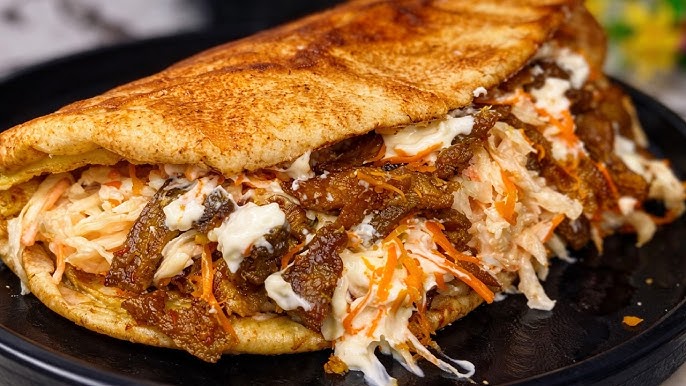
Egg Wraps Recipe: Egg wraps are one of the most practical, quick, and versatile meals we can make at home. They are light, satisfying, protein-rich, and easy to customize for breakfast, lunch, dinner, or even a healthy snack. Whether we want a simple low-carb option, a filling grab-and-go breakfast, or a fast homemade wrap that tastes fresh and wholesome, this egg wraps recipe delivers excellent results with minimal ingredients and a short cooking time.
What makes egg wraps especially useful is their flexibility. We can keep them plain and soft for rolling, fill them with vegetables, cheese, chicken, or avocado, or serve them warm right from the pan. They are ideal for busy mornings, meal prep, post-workout meals, and anyone looking for a lighter alternative to tortillas, flatbreads, or regular wraps.
In this complete guide, we will cover everything needed to make the perfect egg wraps, including the ingredients, preparation method, cooking steps, filling ideas, storage tips, mistakes to avoid, and practical ways to get the best texture every time.
Ingredients You’ll Need for Egg Wraps Recipe
To make soft, flexible, and flavorful egg wraps, we only need a few basic kitchen ingredients. The beauty of this recipe is that it relies on everyday items while still producing a wrap that feels satisfying and polished.
Basic Ingredients for Homemade Egg Wraps
- 4 large eggs
- 2 tablespoons milk or water
- 1 tablespoon cornstarch or flour for better structure
- 1/4 teaspoon salt
- 1/8 teaspoon black pepper
- 1 teaspoon olive oil or melted butter for the pan
These ingredients create a balanced egg mixture that cooks into thin, bendable wraps without becoming too fragile or dry.
Optional Ingredients for More Flavor
If we want to enhance the taste of our egg wraps recipe, we can also add:
- 1 tablespoon chopped parsley
- 1 tablespoon chopped chives
- A pinch of paprika
- A pinch of garlic powder
- A small amount of grated cheese
Optional ingredients should be used lightly. Too many additions can make the egg wraps thicker and harder to roll.
Why This Egg Wraps Recipe Works So Well
A good egg wrap should be thin, soft, and flexible. It should not crack when folded or tear when filled. This recipe works well because it combines eggs with a small amount of liquid and starch. The liquid keeps the wrap tender, while the starch helps it hold together.
Using moderate heat also makes a major difference. If the heat is too high, the eggs cook too quickly, become rubbery, and lose flexibility. If the pan is properly heated and lightly greased, the wraps release easily and cook into a smooth, even layer.
This method gives us wraps that are sturdy enough to hold fillings but still tender enough to roll cleanly.
How to Prepare the Egg Mixture Properly
The way we mix the eggs has a direct effect on the final texture. We want a smooth, lump-free mixture that spreads easily in the pan.
Crack the eggs into a bowl. Add the milk or water, cornstarch or flour, salt, and black pepper. Whisk thoroughly until the mixture becomes fully combined and slightly frothy. Make sure there are no visible streaks of egg white or lumps from the starch. A smooth mixture helps the wrap cook evenly and keeps the surface neat.
If we are adding herbs or seasoning, this is the stage to mix them in. For an extra-smooth batter, we can strain the mixture through a fine sieve before cooking.
Best Pan for Cooking Egg Wraps
A non-stick frying pan is the best option for making egg wraps. It allows the eggs to release easily and helps create thin, even wraps with minimal oil. An 8-inch or 10-inch skillet works well, depending on the size of wraps we want.
The pan should be lightly greased, not oily. Too much oil causes the eggs to slide too quickly and cook unevenly. A very thin coating is enough.
A flat spatula is also helpful because it makes flipping easier without tearing the wrap.
Step-by-Step Guide to Make Egg Wraps
Step 1 – Whisk the Ingredients Until Smooth
In a medium bowl, whisk together the eggs, milk or water, cornstarch or flour, salt, and pepper. Continue whisking until the mixture looks smooth and evenly blended.
This step is important because a poorly mixed batter can result in weak spots, clumps, or uneven texture. The smoother the mixture, the better the egg wraps will cook.
Step 2 – Heat the Pan Gently
Place a non-stick pan over low to medium heat. Add a small amount of olive oil or butter and spread it lightly across the surface.
Allow the pan to warm up for about one minute. It should be hot enough for the egg mixture to start setting when poured in, but not so hot that it browns immediately.
Step 3 – Pour a Thin Layer of Egg Mixture
Pour a small amount of the egg mixture into the center of the pan. Quickly swirl the pan so the eggs spread into a thin, even circle.
The key here is to keep the layer thin. Thick egg wraps are harder to fold and more likely to break. A thin wrap stays tender and rolls more easily.
Step 4 – Cook Until Just Set
Let the egg wrap cook for about 45 to 90 seconds, depending on heat and thickness. The top should lose its wet shine, and the edges should begin to lift slightly.
Avoid overcooking. The wrap should be set but still soft. Overcooked egg wraps become dry and less flexible.
Step 5 – Flip Carefully
Use a flat spatula to gently loosen the edges, then flip the wrap carefully. Cook the second side for about 10 to 20 seconds only.
The second side usually cooks much faster. Once done, transfer the egg wrap to a plate.
Step 6 – Repeat with Remaining Mixture
Continue the same process with the remaining egg mixture. Lightly grease the pan again only if needed.
As the wraps finish cooking, stack them on a plate and cover them loosely with a clean towel. This helps keep them warm and soft.
How to Fill Egg Wraps for Best Results
Once the wraps are ready, we can fill them in many delicious ways. The best fillings are not too wet and not overly bulky. Balanced fillings help the wraps stay intact and easy to roll.
Popular Filling Ideas for Egg Wraps Recipe
- Grilled chicken and lettuce
- Avocado and tomato
- Cheese and sautéed spinach
- Smoked salmon and cream cheese
- Turkey slices and cucumber
- Scrambled vegetables and shredded cheese
- Tuna salad
- Mushrooms and bell peppers
Place the filling slightly below the center of the wrap, fold in the sides, and roll tightly. If we overfill the wrap, it may split or become difficult to handle.
Tips for Soft and Flexible Egg Wraps
A great egg wraps recipe depends on technique as much as ingredients. These tips help improve the final result:
Use Moderate Heat
High heat cooks the eggs too fast and makes them tough. Lower heat keeps them pliable.
Keep the Layer Thin
Thin wraps fold better and feel lighter when eaten.
Do Not Overcook
Remove the wrap as soon as it is set. Slight softness is better than dryness.
Stack and Cover After Cooking
This traps a little steam and keeps the wraps tender.
Whisk Before Each Pour
If the batter sits for a while, the starch may settle. A quick whisk keeps the texture even.
Common Mistakes to Avoid When Making Egg Wraps
Even a simple recipe can go wrong if a few small details are missed. Here are the most common problems and how to avoid them.
Making the Wrap Too Thick
A thick wrap feels more like an omelet than a wrap. Use less mixture per wrap and swirl quickly.
Using Too Much Oil
Excess oil creates an uneven surface and makes flipping more difficult.
Cooking on High Heat
This causes browning, dryness, and cracking.
Adding Too Many Fillings
Heavy fillings can tear the wrap. Keep the filling balanced and moderate.
Skipping the Starch
Without a small amount of starch or flour, the wraps may be too delicate and break easily.
Healthy Benefits of Egg Wraps
Egg wraps are popular not only because they are easy to make, but also because they fit well into many eating styles. Eggs are a strong source of protein and can help keep us full for longer. When paired with vegetables, lean protein, and healthy fats, egg wraps become a balanced meal with excellent nutritional value.
They are also useful for those looking for a lighter option than bread-based wraps. Since this recipe uses eggs as the base, it can work well for lower-carb meal plans while still providing rich flavor and satisfying texture.
Because we control the ingredients, we can keep the wraps simple, fresh, and suited to our dietary preferences.
How to Store Egg Wraps
If we want to prepare these ahead of time, egg wraps store surprisingly well.
Let the wraps cool completely. Stack them with parchment paper between each one to prevent sticking, then place them in an airtight container.
They can be stored in the refrigerator for up to 3 days. To use, reheat briefly in a non-stick pan or microwave for a few seconds until soft.
For best texture, avoid overheating during reheating. Too much heat can dry them out.
Can You Freeze Egg Wraps?
Yes, egg wraps can be frozen. Once cooled, stack them with parchment paper between each wrap and seal them in a freezer-safe bag or container. Freeze for up to 1 month.
To serve, thaw in the refrigerator overnight or reheat gently from chilled. The texture is usually best when reheated in a pan for a few seconds on each side.
Serving Ideas for Egg Wraps Recipe
This egg wraps recipe can be served in many different ways, depending on the occasion.
For breakfast, we can fill the wraps with cheese, turkey, spinach, or sautéed onions. For lunch, grilled chicken, lettuce, and avocado work beautifully. For dinner, we can use stir-fried vegetables, mushrooms, or shredded beef for a more substantial meal.
Egg wraps can also be sliced into pinwheels for a snack platter or packed whole for a simple work lunch. Their versatility makes them one of the most useful recipes to keep in regular rotation.
FAQs about Egg Wraps Recipe
1. What are egg wraps?
Egg wraps are thin wraps made mainly from eggs. They are soft, flexible, and often used as a low-carb alternative to tortillas or flatbreads.
2. How are egg wraps made?
They are usually made by whisking eggs and cooking them in a thin layer in a non-stick pan. Some recipes also add seasoning, cheese, or a little milk for extra flavor.
3. Are egg wraps healthy?
Egg wraps are often considered a healthy option because they are high in protein and lower in carbohydrates than many regular wraps. The final nutrition depends on the fillings used.
4. Can we make egg wraps ahead of time?
Yes, we can. They can be prepared ahead and stored in the refrigerator for a short time until ready to use.
5. Why are my egg wraps tearing?
They may tear if they are too thin, overcooked, or removed from the pan too early. Cooking gently and letting them set properly helps keep them flexible.
6. What can we fill egg wraps with?
They can be filled with vegetables, chicken, turkey, cheese, avocado, tuna, or salad ingredients. They work well for breakfast, lunch, or snacks.
7. Can we use only egg whites?
Yes, we can use only egg whites for a lighter version. However, whole eggs usually give a more flexible and richer wrap.
8. How should egg wraps be stored?
Store them in an airtight container in the refrigerator for up to 2 days. Place parchment paper between them if stacking to prevent sticking.
Final Thoughts
A reliable egg wraps recipe should be simple, quick, and easy to adapt. This version delivers exactly that. With a few basic ingredients and the right cooking method, we can make wraps that are thin, soft, flexible, and full of fresh flavor. They work well for busy weekdays, healthy meal prep, and fast homemade meals that still feel satisfying.
The real advantage of egg wraps is how effortlessly they fit into everyday cooking. They require little time, they pair with countless fillings, and they offer a clean, protein-rich alternative to standard wraps. Once we master the thin layer, gentle heat, and quick cooking method, making egg wraps becomes one of the easiest kitchen skills to repeat successfully.
When we want something fast, practical, and delicious, homemade egg wraps are always a smart choice.