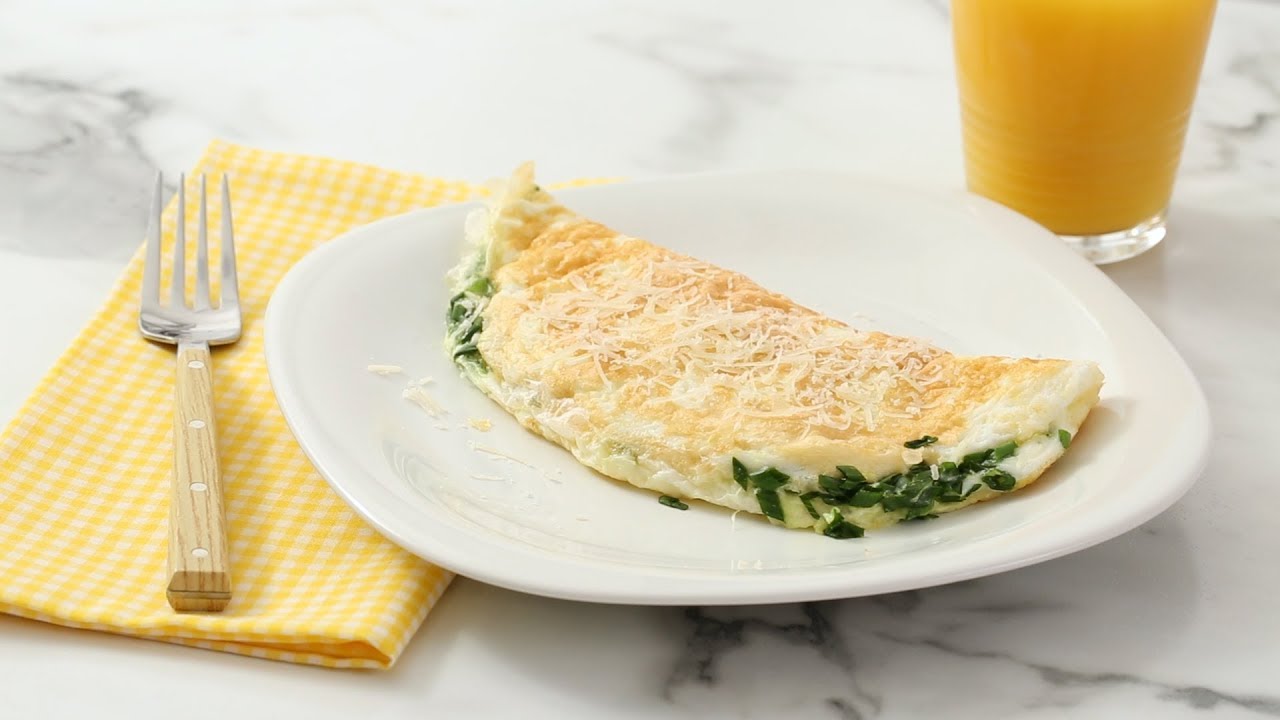
An egg white omelette recipe is one of the most practical meals we can make when we want something light, high in protein, quick, and satisfying. It works for breakfast, lunch, dinner, or even a post-workout meal. With the right ingredients and a simple method, we can make an omelette that is fluffy, flavorful, and far from bland.
The beauty of this recipe lies in its balance. Egg whites offer a clean, mild base that pairs well with vegetables, herbs, cheese, and lean proteins. That means we can keep it very simple for a low-calorie meal or build it into a more filling dish without losing its healthy appeal. A well-made egg white omelette should be tender, not rubbery; flavorful, not plain; and neatly folded, not broken or dry.
In this guide, we will cover everything needed to make the perfect egg white omelette, including ingredient choices, preparation tips, cooking technique, filling ideas, common mistakes, and serving suggestions. The result is a dependable recipe that delivers both nutrition and taste.
Ingredients We Need for the Best Egg White Omelette Recipe
To make a classic and flavorful omelette, we need fresh ingredients that cook quickly and complement the delicate texture of egg whites.
Main Ingredients
- 6 egg whites
- 1 tablespoon milk or water
- 1 teaspoon olive oil or a small amount of butter
- 1/4 teaspoon salt
- 1/4 teaspoon black pepper
Vegetable Filling Options
- 2 tablespoons diced onions
- 2 tablespoons diced bell peppers
- 2 tablespoons chopped spinach
- 2 tablespoons sliced mushrooms
- 1 tablespoon chopped tomatoes, seeds removed
Optional Add-Ins
- 2 tablespoons shredded low-fat cheese
- 1 tablespoon chopped fresh parsley
- 1 tablespoon chopped chives
- Cooked diced chicken or turkey for extra protein
- A pinch of chili flakes for heat
These quantities make one hearty omelette or two lighter servings, depending on how we plate it.
How to Choose the Right Ingredients for a Fluffy Egg White Omelette
The quality of the final dish depends heavily on ingredient selection. Since egg whites have a mild flavor, every added ingredient matters.
Fresh egg whites work best because they whip and cook more evenly. If we use packaged liquid egg whites, we should shake the carton well before measuring so the texture stays consistent. For vegetables, it is best to use items with low moisture or cook off extra water first. Too much moisture can make the omelette watery and cause tearing.
Cheese should be used sparingly so it enhances rather than overwhelms. Herbs like parsley, dill, basil, or chives help lift the flavor without adding heaviness. When using tomatoes, it is wise to remove excess juice so the omelette remains soft rather than soggy.
Preparation Tips Before Cooking the Egg White Omelette Recipe
A great omelette comes together quickly, so preparation should happen before the pan touches the heat.
First, chop all vegetables into small, even pieces. Smaller pieces cook fast and distribute better inside the omelette. If we are using mushrooms, onions, or spinach, a quick pre-cook is helpful. This softens them and removes extra moisture.
Next, separate the eggs carefully if using whole eggs. Any yolk mixed into the whites will slightly change the texture and color. That is not a problem if a small amount slips in, but a cleaner separation gives the classic look and lightness expected from an egg white omelette.
Then whisk the egg whites with milk or water, salt, and pepper. Whisk until the mixture looks slightly frothy. This step adds air, which helps create a softer and fluffier omelette.
Step-by-Step Guide to Cooking the Perfect Egg White Omelette
Step 1: Prepare the Filling
Heat a non-stick skillet over medium heat. Add a small amount of olive oil. Sauté the onions, peppers, mushrooms, or spinach for 2 to 3 minutes, just until softened. Remove them from the pan and set aside.
This step ensures the filling is cooked through before it goes into the omelette. It also prevents the egg whites from overcooking while waiting for raw vegetables to soften.
Step 2: Whisk the Egg Whites
In a bowl, combine the egg whites, milk or water, salt, and black pepper. Whisk briskly for about 30 to 45 seconds until bubbles form on the surface.
This light froth is important because it gives the omelette a more delicate texture. The mixture should be uniform and slightly airy.
Step 3: Heat the Pan Properly
Return the skillet to the stove over low to medium heat. Add a little more oil if needed, then spread it lightly across the surface.
The pan should be hot enough to set the eggs gently but not so hot that they brown immediately. A gentle cooking temperature is key to an omelette that stays soft and pale.
Step 4: Pour in the Egg Whites
Pour the egg white mixture into the skillet. Swirl the pan so the eggs spread evenly into a thin round layer.
Let the eggs sit undisturbed for about 20 to 30 seconds. As the edges begin to set, use a spatula to gently pull cooked portions toward the center while tilting the pan so uncooked egg flows into the empty spaces.
This technique helps the omelette cook evenly without becoming tough.
Step 5: Add the Filling
Once the top looks mostly set but still slightly glossy, spoon the cooked vegetables onto one half of the omelette. Add cheese and herbs if using.
Do not overload the omelette. Too much filling makes folding difficult and increases the chance of tearing.
Step 6: Fold the Omelette
Using a flexible spatula, carefully lift the empty side and fold it over the filling. Press lightly to seal.
Cook for another 30 to 60 seconds until the inside is warm and the cheese melts. Then slide the omelette gently onto a plate.
Step 7: Serve Immediately
An egg white omelette tastes best when served hot. Garnish with extra herbs, cracked black pepper, or a few slices of avocado if desired.
How to Make an Egg White Omelette Fluffy and Never Rubbery
A common problem with egg white omelettes is texture. They can turn dry, flat, or rubbery if cooked the wrong way. A few simple techniques prevent that.
Whisking the egg whites thoroughly helps incorporate air. Adding a tablespoon of milk or water also softens the texture. Low to medium heat is essential because high heat tightens the protein too fast, which leads to a tough omelette.
Using a non-stick pan makes a major difference. Egg whites are more delicate than whole eggs and can stick easily if the pan surface is not smooth. A small pan also helps create a thicker omelette that is easier to fold.
It is equally important not to overcook. The omelette should come off the heat when the top is just set. Residual heat will finish the cooking without drying it out.
Best Filling Ideas for an Egg White Omelette Recipe
This recipe is highly flexible, making it easy to adapt to different tastes.
Vegetable Omelette
Use spinach, onions, mushrooms, and bell peppers for a clean, fresh flavor.
Cheese and Herb Omelette
Add a small amount of mozzarella, feta, or low-fat cheddar with chopped parsley and chives.
High-Protein Omelette
Include diced grilled chicken, turkey, or a spoonful of cottage cheese for extra substance.
Mediterranean Style Omelette
Use spinach, tomatoes, olives, and a little feta for a savory variation.
Spicy Egg White Omelette
Mix in green chilies, chili flakes, black pepper, and onions for added heat.
Each variation keeps the base recipe simple while offering a different flavor profile.
Common Mistakes to Avoid When Making an Egg White Omelette
Even an easy recipe can go wrong if the technique is rushed. Avoid these mistakes for better results every time.
Using heat that is too high causes rapid browning and a tough texture.
Skipping the pre-cook for vegetables can make the omelette watery.
Overfilling the omelette makes folding difficult and messy.
Not whisking enough can lead to a flat and dense result.
Leaving the omelette in the pan too long dries it out quickly.
Using too little oil in a poor-quality pan increases sticking and tearing.
When we keep the method simple and controlled, the omelette turns out smooth, soft, and neatly folded.
What to Serve with Egg White Omelette
An egg white omelette is versatile enough to pair with many side dishes. For a light breakfast, we can serve it with whole grain toast, sliced avocado, or fresh fruit. For a more filling plate, roasted potatoes, sautéed vegetables, or a small salad work very well.
It also pairs nicely with:
- Greek yogurt
- Tomato slices
- Cucumber salad
- Herbed toast
- Roasted sweet potatoes
- Fresh orange juice or a smoothie
These side options help turn a simple omelette into a complete and balanced meal.
Healthy Benefits of This Egg White Omelette Recipe
One reason this recipe remains so popular is its nutritional appeal. Egg whites are naturally rich in protein and low in fat, which makes them ideal for lighter meals. They support fullness without feeling heavy, and they fit well into many eating styles.
Vegetables add fiber, texture, color, and extra nutrients. When we keep the oil moderate and use lean fillings, the meal stays satisfying while remaining clean and simple. This makes the egg white omelette a smart option for busy mornings, meal prep, and healthy weekly planning.
Can We Make This Egg White Omelette Ahead of Time?
Yes, but it is best fresh. If needed, we can prepare the vegetable filling ahead and store it in the refrigerator. We can also separate egg whites in advance or use a ready-to-pour carton.
A cooked omelette can be refrigerated for up to 1 day, though the texture is always best immediately after cooking. To reheat, warm it gently in a skillet or microwave just until heated through. Overheating will make it firmer.
For meal prep, preparing the fillings ahead is the most effective strategy. That way, the omelette itself still cooks in just minutes.
FAQs about Egg White Omelette Recipe
1. What is an egg white omelette?
An egg white omelette is a light omelette made using only egg whites instead of whole eggs. It is popular for its soft texture and high-protein, lower-fat profile.
2. How is an egg white omelette different from a regular omelette?
The main difference is that it uses only egg whites, so it has less fat and no yolks. It also has a lighter color and a milder flavor.
3. What ingredients can we add to an egg white omelette?
Common additions include spinach, tomatoes, onions, mushrooms, bell peppers, herbs, and low-fat cheese. These ingredients add flavor, color, and texture.
4. How do we keep an egg white omelette from becoming rubbery?
Cook it over low to medium heat and avoid overcooking. Removing it from the pan as soon as it is set helps keep it soft and tender.
5. Can we use carton egg whites?
Yes, carton egg whites work very well and are very convenient. They are an easy option when making omelettes quickly.
6. Do we need oil or butter in the pan?
A small amount of oil or butter helps prevent sticking and improves flavor. A non-stick pan also makes cooking much easier.
7. Can we make an egg white omelette ahead of time?
It is best enjoyed fresh, but it can be made ahead and stored in the refrigerator for up to 1 day. Reheat gently before serving.
8. What can we serve with an egg white omelette?
It pairs well with toast, fruit, salad, roasted vegetables, or breakfast potatoes for a simple meal.
Final Thoughts
A well-made egg white omelette recipe proves that healthy cooking does not need to be dull or complicated. With the right ratio of egg whites, a little seasoning, a few fresh vegetables, and careful heat control, we can create a meal that is light, fluffy, flavorful, and deeply satisfying.
This recipe stands out because it is fast, flexible, and dependable. It can be tailored for a simple breakfast, a fitness-focused meal, or a quick lunch with whatever ingredients we have on hand. Once we master the basic method, it becomes one of the easiest dishes to repeat successfully.
The key is to cook gently, season properly, and avoid overloading the filling. When we do that, the result is an omelette that looks clean, tastes fresh, and delivers exactly what a good egg white dish should: pure flavor, soft texture, and excellent balance.