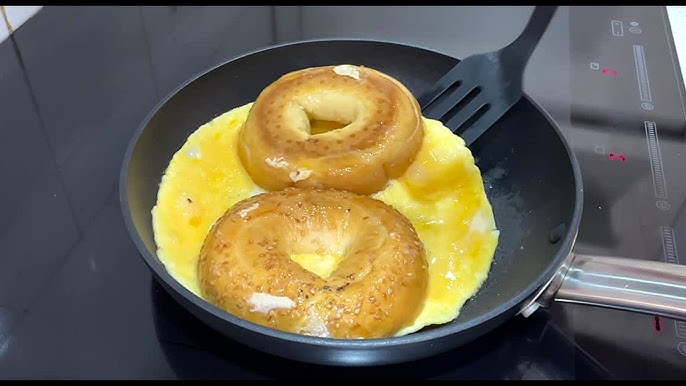
An egg bagel recipe is one of the most practical and satisfying recipes we can keep in our regular meal rotation. It is simple, filling, budget-friendly, and versatile enough for breakfast, brunch, lunch, or even a quick evening bite. When prepared properly, an egg bagel offers the perfect balance of texture and flavor: a warm, chewy bagel, soft and fluffy eggs, and rich toppings that turn an ordinary meal into something deeply comforting.
What makes this recipe stand out is how easily it can be adapted. We can make it classic and simple with eggs and butter, or build it into a more complete meal with cheese, vegetables, herbs, and protein. Whether we want a fast weekday breakfast or a more satisfying weekend brunch option, this recipe delivers consistency, taste, and convenience.
A great egg bagel starts with choosing the right bagel, cooking the eggs properly, and layering flavors without making the sandwich too heavy. With just a few ingredients and a clear method, we can create a homemade bagel sandwich that rivals what we get from cafés and breakfast spots.
Ingredients You’ll Need for the Best Egg Bagel Recipe
To make a flavorful and balanced egg bagel, we need simple ingredients that work well together.
Main Ingredients
- 2 bagels, sliced in half
- 4 large eggs
- 2 tablespoons milk or cream
- 1 tablespoon butter
- Salt, to taste
- Black pepper, to taste
Optional Add-Ins
- 2 slices cheddar cheese, mozzarella, or American cheese
- 1 tablespoon chopped chives or parsley
- Tomato slices
- Avocado slices
- Baby spinach
- Cooked bacon, turkey bacon, or sausage
- Cream cheese
- Hot sauce or chili flakes
These ingredients create a rich and satisfying result while allowing room for customization. The basic version is excellent on its own, but the optional add-ins can elevate the final sandwich and add more texture and flavor.
How to Choose the Right Bagel for an Egg Bagel Recipe
The bagel is not just a base. It is one of the defining parts of the recipe. A good bagel should be sturdy enough to hold the filling while still being soft enough to bite through comfortably.
For an egg bagel recipe, the best choices include:
- Plain bagels for a classic taste
- Everything bagels for bold flavor
- Sesame bagels for extra nuttiness
- Whole wheat bagels for a heartier option
- Cheese bagels for a richer finish
Fresh bagels always give the best texture. If the bagels are slightly stale, toasting them lightly can restore some of their appeal. Avoid over-toasting, because an overly crisp bagel can overpower the softness of the eggs.
Preparing the Eggs for Maximum Flavor and Texture
The eggs are the heart of this recipe. The ideal egg filling should be soft, fluffy, seasoned, and evenly cooked. Dry eggs can ruin the sandwich, so attention to heat and timing matters.
Crack the eggs into a bowl and whisk them with the milk, a pinch of salt, and black pepper. The milk helps create a smoother and fluffier texture. Whisk until the mixture is fully combined and slightly airy.
We can prepare the eggs in different ways depending on the final texture we want:
- Scrambled eggs for a soft, fluffy filling
- Folded omelet-style eggs for neat sandwich layering
- Fried eggs for a richer bite with a yolk-centered texture
For this step-by-step guide, scrambled eggs are the most reliable and easiest option.
Step-by-Step Guide to Making Egg Bagels
Step 1: Slice and Toast the Bagels
Cut the bagels in half using a serrated knife. Toast them lightly in a toaster, oven, or skillet. A lightly toasted bagel adds warmth and structure while keeping the inside pleasantly chewy.
If desired, spread a very thin layer of butter or cream cheese on the toasted halves. This adds richness and helps prevent the bread from feeling dry.
Step 2: Whisk the Eggs Thoroughly
In a medium bowl, crack the eggs and add the milk, salt, and black pepper. Whisk until the yolks and whites are fully blended. This step ensures even cooking and a smooth texture throughout the eggs.
For extra flavor, we can mix in chopped chives, parsley, or a pinch of paprika.
Step 3: Heat the Pan Properly
Place a non-stick skillet over low to medium heat. Add the butter and let it melt slowly. The pan should be warm but not too hot. High heat causes eggs to cook too fast, which can make them rubbery.
A gentle cooking temperature is the best approach for a soft and creamy filling.
Step 4: Cook the Eggs Slowly
Pour the whisked eggs into the pan. Let them sit for a few seconds, then gently stir with a spatula. Push the eggs from the edges toward the center as they begin to set.
Continue stirring slowly until the eggs are softly scrambled and just cooked through. Remove them from the heat while they still look slightly glossy. Residual heat will finish the cooking.
If adding cheese, place it over the eggs during the final seconds of cooking so it melts smoothly into the mixture.
Step 5: Assemble the Egg Bagel
Place the cooked eggs on the bottom half of each toasted bagel. Add any extra toppings such as tomato, spinach, avocado, or cooked bacon. Cover with the top half of the bagel.
Serve immediately while warm.
Tips for Making a Better Egg Bagel Every Time
A strong egg bagel recipe comes down to technique. These small details can make a noticeable difference:
Use low heat for the eggs
Low heat gives better control and keeps the eggs tender.
Do not overfill the bagel
Too many toppings can make the sandwich messy and harder to eat.
Toast lightly, not heavily
A bagel should have some crispness, but it should not be hard.
Season the eggs directly
Salt and pepper should go into the eggs, not just on top of the finished sandwich.
Serve fresh
Egg bagels taste best immediately after assembly, while the eggs are still soft and the bagel is warm.
Best Add-Ons for an Egg Bagel Recipe
One of the greatest strengths of an egg bagel is how well it pairs with other ingredients. The base recipe is excellent, but add-ons can help create new flavor combinations.
Cheese
Cheddar brings sharpness, mozzarella adds stretch, and American cheese gives a creamy melt.
Avocado
This adds richness and a smooth texture that pairs beautifully with eggs.
Bacon or Sausage
These provide a savory and hearty contrast to the soft egg filling.
Spinach or Arugula
Greens bring freshness and make the sandwich feel lighter.
Tomato
A slice of tomato adds juiciness and brightness.
Hot Sauce
A little heat can lift the flavor and make the sandwich more exciting.
Common Mistakes to Avoid When Making Egg Bagels
Even simple recipes can go wrong if the small details are overlooked. These are the most common errors:
Overcooking the eggs
This is the fastest way to lose softness and flavor.
Using an overly dense bagel
A very hard or dry bagel can make the sandwich feel heavy.
Skipping seasoning
Eggs need proper seasoning to taste complete.
Adding watery vegetables without preparation
Tomatoes and other fresh ingredients should be patted dry to avoid making the bagel soggy.
Assembling too early
If the sandwich sits too long before serving, the bagel can soften and lose texture.
Easy Variations of This Egg Bagel Recipe
A classic recipe is useful, but variations make it even more valuable. Here are a few reliable versions:
Cheesy Egg Bagel
Add melted cheddar or mozzarella to the eggs and spread a thin layer of cream cheese on the toasted bagel.
Avocado Egg Bagel
Top the eggs with sliced avocado, black pepper, and a few chili flakes for a creamy finish.
Breakfast Protein Egg Bagel
Add bacon, turkey slices, or sausage for a more filling breakfast sandwich.
Vegetable Egg Bagel
Include spinach, sautéed onions, tomatoes, and herbs for a fresher and lighter version.
Spicy Egg Bagel
Mix hot sauce into the eggs or drizzle chili sauce over the final sandwich.
What to Serve with Egg Bagels
This egg bagel recipe can stand alone, but it also pairs well with simple sides. Depending on the occasion, we can serve it with:
- Fresh fruit
- Hash browns
- Roasted potatoes
- Yogurt
- Smoothies
- Coffee or tea
For brunch, pairing egg bagels with fruit and a hot drink creates a balanced and satisfying plate.
How to Store and Reheat Egg Bagels
Egg bagels are best eaten fresh, but leftovers can still be managed properly.
If storing, keep the cooked egg filling separate from the bagel when possible. Refrigerate in an airtight container for up to one day. Reheat the eggs gently in a pan or microwave for a few seconds, then assemble with freshly toasted bagel halves.
If the sandwich has already been assembled, wrap it tightly and refrigerate. Reheat briefly, though the texture will be best when the sandwich is freshly made.
Why This Egg Bagel Recipe Works So Well
This recipe works because it combines simplicity with satisfaction. The bagel brings chew and structure. The eggs provide softness, richness, and protein. The optional toppings allow us to customize the sandwich based on what we have available and what kind of meal we want.
It is also efficient. We do not need complicated ingredients or advanced cooking skills to make something delicious. In just a short time, we can create a meal that feels complete, warm, and deeply enjoyable.
A reliable egg bagel recipe is worth keeping because it fits into real life. It is ideal for rushed mornings, slow brunches, packed schedules, and days when we need something comforting without too much effort.
FAQs about Egg Bagel Recipe
1. What is an egg bagel?
An egg bagel is a bagel made with eggs in the dough, which gives it a softer texture, richer flavor, and a slightly golden color compared to a plain bagel.
2. How is an egg bagel different from a regular bagel?
Egg bagels are usually softer, a little sweeter, and less chewy than regular bagels. The added eggs also make the dough richer and more tender.
3. What ingredients are commonly used in an egg bagel recipe?
Most recipes use flour, eggs, yeast, sugar, salt, water, and sometimes oil or honey. Some versions also use an egg wash for a shiny finish.
4. Why are bagels boiled before baking?
Boiling helps create the classic bagel texture. It gives the outside a firm surface while helping the inside stay soft and chewy.
5. Can we make egg bagels without bread flour?
Yes, we can use all-purpose flour, though bread flour usually gives a chewier texture. The final result may be slightly softer.
6. How do we know when egg bagels are done baking?
They should be golden brown on the outside and feel firm. Tapping the bottom may also give a hollow sound when they are fully baked.
7. Can egg bagels be made ahead of time?
Yes, they can. We can make them ahead and store them for a few days, or freeze them for longer storage.
8. How should egg bagels be stored?
Store them in an airtight container or bag at room temperature for up to 2 days. For longer storage, freeze them and toast when ready to eat.
Final Thoughts
A well-made egg bagel is far more than a quick breakfast. It is a balanced, flavorful, and highly adaptable meal that can be customized in countless ways. By focusing on soft eggs, a properly toasted bagel, and a thoughtful mix of toppings, we can turn a few everyday ingredients into something memorable.
This recipe proves that simple food can still feel special. Once we master the technique, we can build endless variations that suit different tastes and occasions. Whether served plain, cheesy, spicy, or loaded with fresh toppings, this egg bagel recipe remains a dependable and delicious option every time.