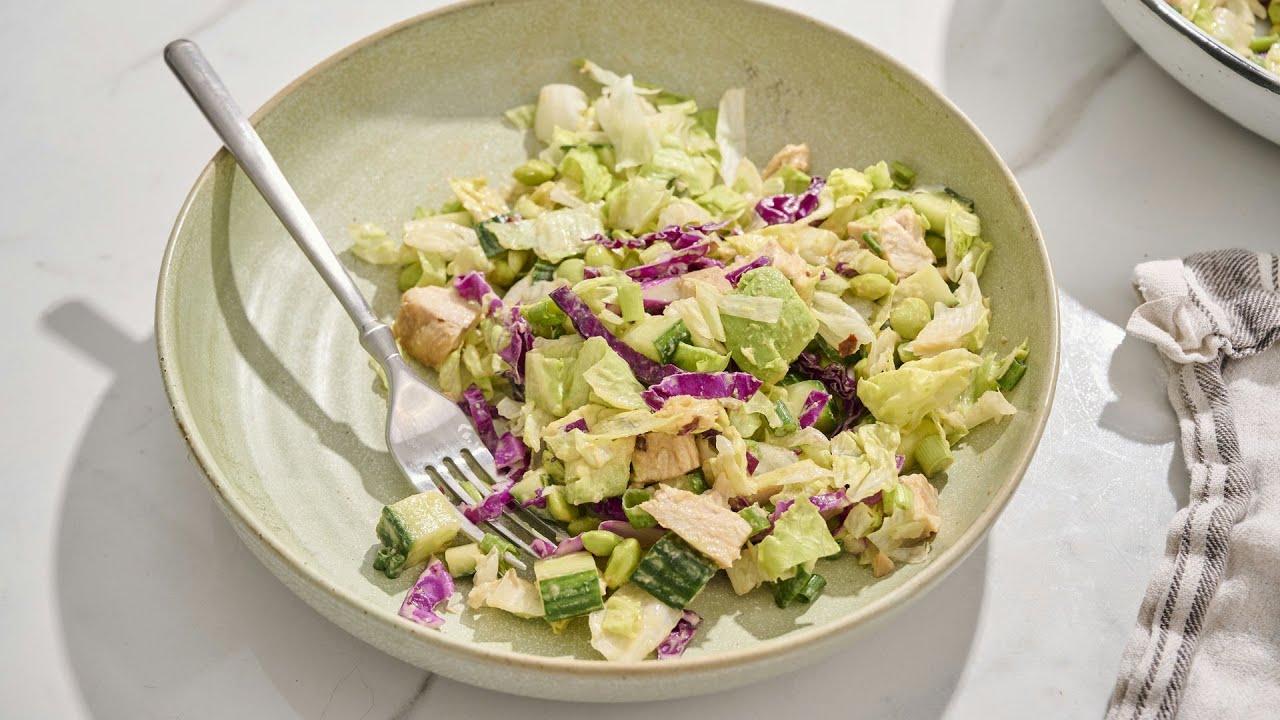
An edamame salad recipe is one of the most practical dishes we can prepare when we want something fresh, colorful, satisfying, and easy to make. It works beautifully as a light lunch, a healthy side dish, a quick meal-prep option, or a vibrant addition to family dinners and gatherings. The appeal of this salad comes from its perfect balance of texture, flavor, and nutrition. The edamame provides a pleasant bite and mild nutty taste, while the fresh vegetables add crunch, brightness, and natural sweetness. A bold dressing ties everything together and transforms a simple bowl of ingredients into a memorable dish.
What makes this recipe especially valuable is its flexibility. We can serve it chilled, prepare it ahead of time, customize it with extra vegetables, and adjust the flavor profile to suit different preferences. Whether we prefer a tangy sesame dressing, a soy-lime finish, or a slightly sweet and savory blend, this salad adapts easily without losing its identity.
This guide covers everything needed to create a delicious homemade edamame salad recipe from scratch. We will go straight into the ingredients, preparation steps, serving ideas, storage tips, variations, and the little details that help the salad taste fresh and balanced every time.
Why This Edamame Salad Recipe Stands Out
A great edamame salad recipe should never feel bland or repetitive. It should be layered, crisp, and deeply refreshing. This version stands out because it combines protein-rich edamame with crunchy vegetables and a bold homemade dressing that coats every ingredient without making the salad heavy.
The result is a dish that feels clean and energizing while still delivering real flavor. The contrast between the tender beans and the crisp vegetables creates a satisfying texture. The dressing adds brightness and depth, while optional toppings such as sesame seeds, green onions, or chopped herbs give the final bowl an attractive finish.
Another advantage is convenience. Many of the ingredients are simple and easy to find, and much of the preparation involves chopping and mixing rather than complicated cooking. That makes this recipe ideal for busy schedules, weekly meal prep, and quick entertaining.
Ingredients You’ll Need for Edamame Salad
To prepare a flavorful and balanced edamame salad recipe, we need fresh vegetables, cooked edamame, and a vibrant dressing.
For the Salad
- 2 cups shelled edamame, cooked and cooled
- 1 cup cucumber, diced
- 1 cup red bell pepper, diced
- 1 cup shredded carrots
- 1/2 cup red cabbage, thinly sliced
- 1/4 cup red onion, finely sliced
- 2 tablespoons green onions, chopped
- 2 tablespoons fresh cilantro or parsley, chopped
For the Dressing
- 3 tablespoons soy sauce
- 2 tablespoons sesame oil
- 2 tablespoons rice vinegar
- 1 tablespoon fresh lime juice
- 1 tablespoon honey or maple syrup
- 1 teaspoon grated fresh ginger
- 1 teaspoon minced garlic
- 1/2 teaspoon chili flakes or a small amount of finely chopped fresh chili
- 1 teaspoon toasted sesame seeds
Optional Add-Ins
- Avocado, diced
- Mango, cubed
- Corn kernels
- Cherry tomatoes, halved
- Roasted peanuts or cashews
- Cooked quinoa
- Baby spinach or mixed greens
These ingredients create a salad that is bold, crisp, and visually appealing. The combination is simple, but every element contributes something important to the final taste.
How to Prepare Edamame for the Salad
The most important base ingredient in an edamame salad recipe is, of course, the edamame itself. If we are using frozen shelled edamame, the preparation is very easy. We simply boil it for a few minutes until tender, then drain and rinse it under cold water. This stops the cooking process and helps preserve the bright green color.
If the edamame is already cooked, we only need to thaw and cool it before adding it to the bowl. What matters most is that the beans are tender but not mushy. Overcooked edamame can lose its pleasant bite and make the salad feel soft rather than crisp.
Once cooled, the edamame is ready to mix with the chopped vegetables and dressing.
Step-by-Step Guide to Making Edamame Salad
Step 1 – Cook and Cool the Edamame
Bring a pot of water to a boil and cook the shelled edamame for about 3 to 5 minutes, or according to the package instructions. Drain immediately and rinse under cold water. Set aside to cool completely.
Step 2 – Prepare the Fresh Vegetables
Dice the cucumber and red bell pepper into small, even pieces. Shred the carrots, thinly slice the red cabbage, finely slice the red onion, and chop the green onions and herbs. Uniform cuts help the salad look neat and ensure every bite includes a balanced mix of flavors.
Step 3 – Make the Dressing
In a small bowl or jar, combine the soy sauce, sesame oil, rice vinegar, lime juice, honey, ginger, garlic, chili flakes, and sesame seeds. Whisk or shake well until the ingredients are fully blended. The dressing should taste savory, bright, slightly sweet, and lightly spicy.
Step 4 – Combine the Salad Ingredients
In a large mixing bowl, add the cooled edamame, cucumber, bell pepper, carrots, red cabbage, red onion, green onions, and herbs. Toss gently to distribute everything evenly.
Step 5 – Add the Dressing
Pour the dressing over the salad gradually, tossing as we go. This helps every ingredient get coated without soaking the vegetables. The goal is a salad that tastes well-seasoned but still feels crisp and fresh.
Step 6 – Chill Before Serving
For the best flavor, let the salad rest in the refrigerator for about 15 to 30 minutes before serving. This allows the vegetables to absorb the dressing and the flavors to settle together.
Step 7 – Finish with Toppings
Before serving, add optional toppings such as sesame seeds, chopped nuts, avocado, or extra herbs. These finishing touches add texture and make the salad look more polished.
Tips for the Best Edamame Salad Recipe
A few practical details can make a major difference in the final result.
First, always cool the edamame fully before mixing it with the vegetables. Warm edamame can soften the crisp ingredients and reduce the salad’s refreshing texture. Second, avoid overdressing the salad. A good edamame salad recipe should feel coated, not drenched. Start with part of the dressing and add more only if needed.
Freshness is also important. Crisp cucumber, sweet bell pepper, and bright herbs give the salad its lively character. If the vegetables are tired or watery, the finished salad will lose its appeal. Another helpful tip is to slice ingredients thinly and evenly. This improves the appearance and creates a more enjoyable bite.
For deeper flavor, we can toast the sesame seeds lightly before adding them. That small step enhances their nutty aroma and gives the salad a more finished taste.
Flavor Variations for Edamame Salad
One of the strengths of an edamame salad recipe is how easily it can be customized. We can create several versions depending on the occasion and ingredients available.
For a fruit-forward variation, add diced mango or pineapple. The sweetness pairs beautifully with the soy-lime dressing and creates a brighter finish. For a more filling version, mix in quinoa or brown rice to turn the salad into a complete meal. For more richness, diced avocado works especially well, adding creaminess that contrasts with the crunchy vegetables.
If we want stronger texture, chopped roasted peanuts or cashews add a delicious crunch. To make the salad more herbaceous, increase the cilantro or add mint. For a spicier version, include more chili flakes or a drizzle of chili oil.
These adjustments allow us to keep the core recipe while changing the final character of the dish to suit different meals and preferences.
Serving Ideas for Edamame Salad
This edamame salad recipe is extremely versatile at the table. It can be served as a chilled side with grilled chicken, baked fish, rice dishes, or noodles. It also works very well as a light lunch on its own, especially when enhanced with quinoa, avocado, or nuts.
For entertaining, the salad looks impressive in a large serving bowl because of its bright green, orange, purple, and red tones. It brings freshness to heavier menus and balances rich main dishes. It is also excellent for picnics, work lunches, and meal prep because it travels well and keeps its structure better than many leafy salads.
We can also spoon it into lettuce cups, wrap it in flatbread, or serve it alongside roasted vegetables for a colorful plant-forward plate.
How to Store Edamame Salad Properly
A properly made edamame salad recipe stores well in the refrigerator, which makes it an excellent make-ahead dish. Place the salad in an airtight container and refrigerate it for up to 2 to 3 days. The vegetables will stay at their best if the salad is not overdressed from the beginning.
If preparing in advance for later serving, it is often best to store the dressing separately and toss everything together shortly before eating. This helps preserve the crunch of the vegetables and keeps the salad looking fresh.
If avocado is included, add it just before serving to prevent browning. Nuts and seeds should also be added near serving time if we want to preserve maximum crunch.
Common Mistakes to Avoid
Even a simple edamame salad recipe can lose quality if a few details are ignored. One common mistake is using too much dressing. This can overwhelm the natural texture of the vegetables and make the bowl watery over time. Another is skipping acidity. Lime juice or vinegar is essential because it brightens the edamame and balances the sesame oil and soy sauce.
Using dull vegetables is another issue. Since this salad depends heavily on freshness, crisp ingredients are necessary for the best result. Cutting the vegetables too large can also make the salad harder to eat and reduce the harmony of each bite.
Lastly, underseasoning is a missed opportunity. While the dressing should not be overpowering, it should still be strong enough to flavor the edamame well, since edamame has a mild taste on its own.
Why We Love This Edamame Salad Recipe
This edamame salad recipe brings together everything a reliable salad should offer: simplicity, freshness, texture, color, and balanced flavor. It is easy to prepare, easy to customize, and suitable for many different occasions. The salad feels wholesome without being boring, and flavorful without being heavy.
Because it is built on ingredients that hold up well, it is also practical for meal planning and repeated use throughout the week. We can make it for lunch, dinner, gatherings, or as a side dish for a larger spread. Its bright appearance and refreshing taste make it one of those recipes that feels both healthy and satisfying at the same time.
FAQs about Edamame Salad Recipe
1. What is edamame salad?
Edamame salad is a fresh and colorful dish made with cooked edamame, vegetables, and a light dressing. It is often served as a healthy side dish or light meal.
2. What is edamame?
Edamame are young green soybeans that are picked before they fully mature. They have a mild flavor and a firm, slightly tender texture.
3. Is edamame salad served cold or warm?
Edamame salad is usually served cold or at room temperature. This makes it refreshing and easy to prepare ahead of time.
4. What ingredients are commonly added to edamame salad?
Common ingredients include cucumbers, carrots, bell peppers, cabbage, green onions, sesame seeds, and herbs. Dressings often include soy sauce, sesame oil, lime juice, or rice vinegar.
5. Can we make edamame salad ahead of time?
Yes, it can be made ahead and chilled in the refrigerator. In fact, the flavors often blend even better after a little time.
6. Is edamame salad healthy?
Yes, it is often considered a healthy dish because edamame provides plant-based protein, fiber, and important nutrients. The salad can also be packed with fresh vegetables.
7. Can we add other proteins to edamame salad?
Yes, we can add grilled chicken, shrimp, tofu, or quinoa to make it more filling and balanced.
8. How should leftovers be stored?
Store leftovers in an airtight container in the refrigerator for up to 2 days. Stir before serving, especially if the dressing has settled.
Conclusion
A well-made edamame salad recipe deserves a place in every reliable recipe collection. It is crisp, colorful, deeply refreshing, and packed with ingredients that work beautifully together. With tender edamame, crunchy vegetables, and a bold homemade dressing, this salad delivers real flavor while staying light and versatile.
By following the simple steps in this guide, we can create a salad that is suitable for everyday meals, special occasions, and meal prep alike. With the right balance of freshness, seasoning, and texture, this dish becomes far more than a basic side. It becomes a dependable favorite that we can return to again and again.