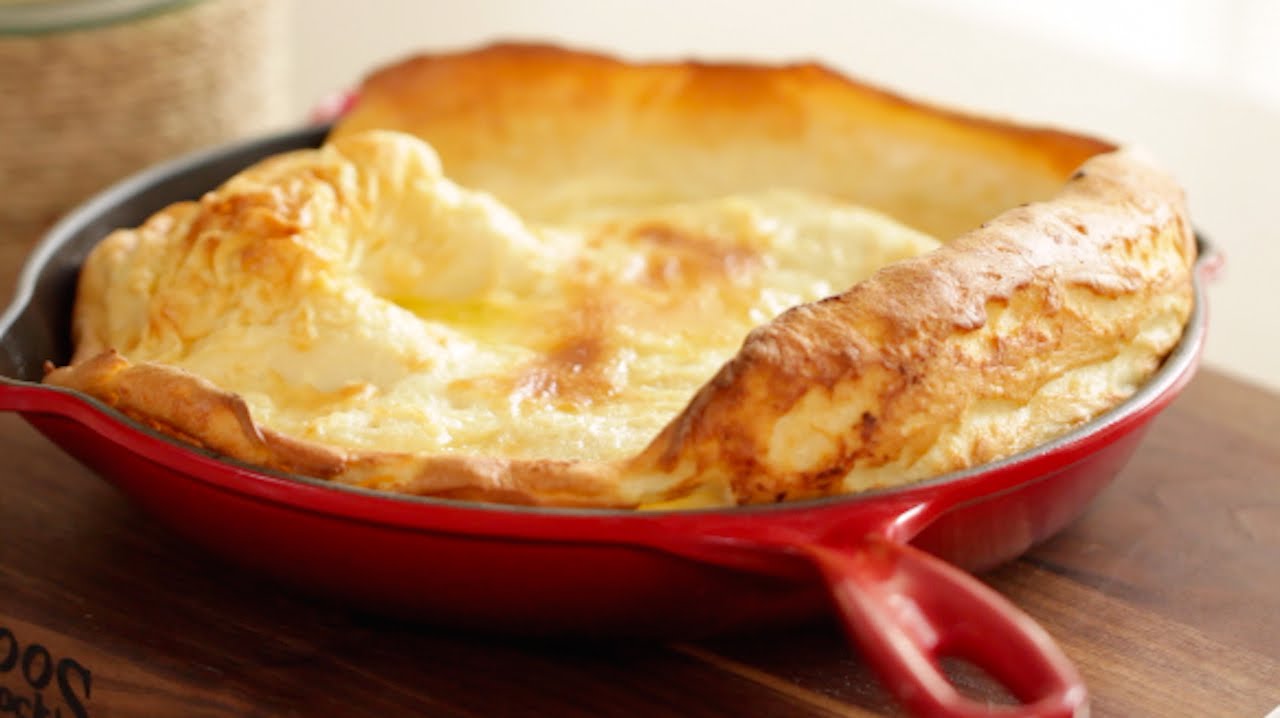
A Dutch babies recipe is a simple but impressive baked pancake recipe that rises dramatically in the oven, creating crisp golden edges and a soft, custardy center. Unlike regular stovetop pancakes, a Dutch baby is baked in a hot skillet, usually cast iron, which gives it its signature puffed shape and lightly crisp texture. It is quick to prepare, visually striking, and versatile enough for breakfast, brunch, or even dessert.
We love this recipe because it uses basic pantry ingredients and delivers bakery-style results with very little effort. Once the batter is blended and poured into a sizzling hot pan, the oven does most of the work. The result is a beautiful, airy pancake that can be topped with powdered sugar, fresh fruit, syrup, whipped cream, lemon juice, or even savory ingredients.
Why This Dutch Babies Recipe Works
A reliable Dutch babies recipe depends on a few important details: room-temperature ingredients, a fully heated oven, and a properly preheated skillet. These elements help the batter puff quickly and evenly once it hits the hot buttered pan. The eggs provide structure, the milk creates richness, and the flour gives the pancake enough body while still allowing it to stay light.
Another reason this recipe works so well is that the batter is thin. That thin consistency allows steam to form rapidly in the oven, which lifts the pancake and creates the classic dramatic rise. While the pancake settles slightly after baking, the crisp edges and tender center remain, giving it the texture that makes Dutch babies so memorable.
Ingredients You’ll Need
To make a classic Dutch babies recipe, we use a short list of simple ingredients:
- 3 large eggs
- 3/4 cup whole milk
- 3/4 cup all-purpose flour
- 1 tablespoon granulated sugar
- 1 teaspoon pure vanilla extract
- 1/4 teaspoon salt
- 3 tablespoons unsalted butter
For topping, we can use:
- Powdered sugar
- Fresh berries
- Maple syrup
- Lemon wedges
- Whipped cream
- Sliced bananas
- Honey or fruit preserves
These ingredients create a traditional sweet Dutch baby, but the recipe can easily be adapted with cinnamon, nutmeg, citrus zest, or savory toppings.
Essential Equipment for the Best Dutch Babies Recipe
For the best result, we need the right tools. A 10-inch cast iron skillet is ideal because it holds heat well and helps create crisp, golden edges. If a cast iron skillet is not available, we can use another oven-safe skillet or baking dish, but cast iron gives the most classic finish.
Helpful equipment includes:
- Blender or whisk and mixing bowl
- 10-inch cast iron skillet
- Oven mitts
- Measuring cups and spoons
- Fine sieve for dusting powdered sugar
The skillet is the most important piece of equipment because a hot pan is essential for the batter to rise properly.
How to Prepare the Batter Properly
A good Dutch babies recipe starts with a smooth, lump-free batter. We begin by combining the eggs, milk, flour, sugar, vanilla, and salt in a blender. Blending for about 20 to 30 seconds gives the batter a silky texture and incorporates air, which helps with lift.
If using a whisk instead of a blender, we should whisk thoroughly until the batter is very smooth. Any flour lumps can affect the final texture, so it is worth taking an extra minute to make sure everything is fully combined.
Letting the batter rest briefly can also help. A 10-minute rest allows the flour to hydrate, which improves the consistency. Meanwhile, the oven and skillet can continue heating.
Step-by-Step Guide to Making Dutch Babies
Step 1: Preheat the Oven
Preheat the oven to 425°F (220°C). A hot oven is essential. Dutch babies rely on intense heat to create steam quickly, which is what causes the pancake to puff.
Place the cast iron skillet in the oven while it preheats. Let the pan heat for at least 8 to 10 minutes so it becomes fully hot.
Step 2: Blend the Batter
Add the eggs, milk, flour, sugar, vanilla extract, and salt to a blender. Blend until completely smooth. The batter should be thin, pourable, and slightly frothy.
Set the batter aside while the skillet finishes heating. This short rest improves texture and helps the flour absorb the liquid evenly.
Step 3: Add the Butter to the Hot Skillet
Carefully remove the hot skillet from the oven using oven mitts. Add the unsalted butter immediately. Swirl the pan so the butter melts and coats the bottom and sides.
The butter should melt quickly and sizzle lightly. This creates the rich base flavor and helps prevent sticking.
Step 4: Pour in the Batter
Pour the batter directly into the center of the hot, buttered skillet. Work quickly so the pan stays hot. Once the batter is in, return the skillet to the oven immediately.
This instant transfer is important because the heat shock helps the batter begin rising right away.
Step 5: Bake Until Puffy and Golden
Bake for 18 to 22 minutes without opening the oven door. The Dutch baby will rise high around the edges and develop a deep golden-brown color.
Do not open the oven early. A sudden drop in temperature can cause the pancake to lose lift before it sets properly.
Step 6: Finish and Serve Immediately
Once baked, remove the skillet from the oven. The Dutch baby will begin to deflate slightly within minutes, which is completely normal. Dust with powdered sugar, add your preferred toppings, and serve right away for the best texture.
Best Toppings for a Dutch Babies Recipe
One of the best parts of a Dutch babies recipe is how easy it is to customize. For a classic sweet version, we like topping it with powdered sugar, fresh berries, and maple syrup. The fruit adds brightness while the syrup complements the buttery pancake.
Other topping ideas include:
- Lemon juice and powdered sugar for a simple, elegant finish
- Strawberries and whipped cream for a brunch-style presentation
- Blueberries and honey for a naturally sweet option
- Sautéed apples and cinnamon for a warm, cozy flavor
- Nutella and banana slices for a richer dessert version
For a savory variation, we can skip the vanilla and sugar in the batter and top the baked Dutch baby with cheese, herbs, smoked salmon, eggs, or sautéed mushrooms.
Common Mistakes to Avoid
Even though a Dutch babies recipe is easy, a few mistakes can reduce the rise or affect the texture.
Using cold ingredients
Cold eggs and milk can slow the rise. Room-temperature ingredients work better because they blend more smoothly and react faster in the hot oven.
Not heating the skillet enough
A lukewarm pan will not produce the same puffed edges. The skillet must be fully heated before the batter goes in.
Opening the oven too soon
This can release heat and interrupt the lift. Keep the oven closed until the pancake is almost done.
Overbaking
Too much baking can make the center dry. The best Dutch baby has crisp edges but a tender, slightly custardy middle.
Using too much flour
Too much flour creates a heavy batter and reduces the airy texture. Accurate measuring matters.
Tips for the Perfect Dutch Babies Recipe
For consistently excellent results, we follow a few simple tips:
Use whole milk for a richer texture. Lower-fat milk works, but whole milk gives a more satisfying finish. Blend the batter instead of mixing by hand when possible, because it produces a smoother batter with less effort. Make sure the butter coats the skillet evenly so the pancake releases cleanly and develops crisp edges.
Another valuable tip is to serve the Dutch baby immediately. It is at its best right out of the oven, when the edges are crisp and the center is warm and tender. While leftovers can still taste good, the dramatic puff and texture are best enjoyed fresh.
Easy Flavor Variations
A classic Dutch babies recipe is excellent on its own, but flavor variations make it even more useful.
Cinnamon Vanilla Dutch Baby
Add 1/2 teaspoon cinnamon to the batter for warmth and depth.
Lemon Dutch Baby
Add 1 teaspoon lemon zest to the batter and finish with lemon juice and powdered sugar.
Berry Dutch Baby
Scatter a small amount of fresh berries over the batter just before baking for a fruit-filled version.
Apple Cinnamon Dutch Baby
Top with sautéed apples cooked in butter, cinnamon, and a little brown sugar.
Savory Dutch Baby
Omit the sugar and vanilla, then top with cheese, herbs, bacon, or roasted vegetables.
How to Serve Dutch Babies
A Dutch babies recipe is best served straight from the skillet. We can place the hot pan on a heat-safe surface and let everyone add their own toppings, or we can finish it completely before bringing it to the table. It pairs well with coffee, tea, fresh juice, scrambled eggs, bacon, sausage, or yogurt.
For brunch gatherings, serving a Dutch baby with fruit and a dusting of powdered sugar creates a beautiful centerpiece. For dessert, adding ice cream or whipped cream turns it into something even more indulgent.
How to Store and Reheat
Although a Dutch baby is best fresh, leftovers can still be stored. Let it cool completely, then place it in an airtight container in the refrigerator for up to 2 days.
To reheat, place slices in a 350°F (175°C) oven for a few minutes until warmed through. Avoid microwaving if possible, since it can soften the crisp edges. Reheating in the oven helps restore some of the original texture.
FAQs about Dutch Babies Recipe
1. What is a Dutch Baby?
A Dutch Baby is a large, oven-baked pancake with puffy edges and a soft center. It is usually served warm for breakfast, brunch, or even dessert.
2. Why does a Dutch Baby puff up in the oven?
It puffs up because the eggs and steam in the batter expand quickly in a hot pan. This creates the dramatic rise that makes Dutch Babies so unique.
3. What ingredients are used in a Dutch Baby recipe?
Most recipes use eggs, milk, flour, butter, sugar, and a pinch of salt. Some also include vanilla, cinnamon, or lemon zest for extra flavor.
4. What type of pan works best?
A cast-iron skillet works best because it heats evenly and holds high heat well. This helps the Dutch Baby rise properly and develop crisp edges.
5. Why did my Dutch Baby not rise?
It may not rise well if the oven or pan was not hot enough. Overmixing or using very cold ingredients can also affect the puff.
6. Can we make a Dutch Baby sweet or savory?
Yes, we can. Sweet toppings include fruit, syrup, or powdered sugar, while savory versions can include cheese, herbs, or cooked vegetables.
7. Can the batter be made ahead of time?
Yes, the batter can be mixed ahead and kept in the refrigerator for a short time. However, it is usually best baked fresh for the best texture.
8. How should leftovers be stored?
Store leftovers in an airtight container in the refrigerator for up to 2 days. Reheat in the oven or skillet before serving.
Final Thoughts
This Dutch babies recipe is one of the easiest ways to create a beautiful, impressive breakfast with minimal ingredients and effort. Its dramatic rise, buttery flavor, crisp edges, and soft center make it stand out from ordinary pancakes. With the right skillet, a hot oven, and a smooth batter, we can produce a Dutch baby that looks elegant and tastes exceptional every time.
Whether we serve it simply with powdered sugar and lemon, or load it with fruit, syrup, and cream, this recipe remains dependable, flexible, and deeply satisfying. It is the kind of dish that feels special without being complicated, which is exactly what makes it worth making again and again.