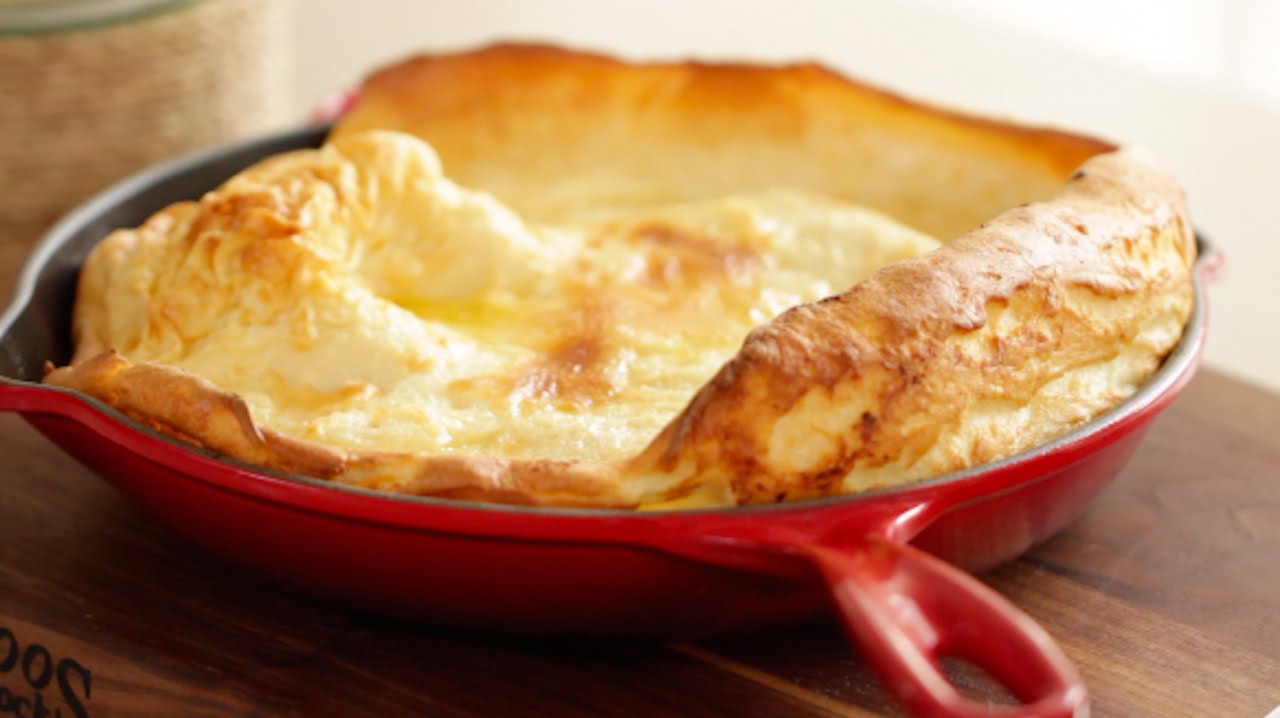
A great Dutch Babies recipe delivers everything we want from a memorable breakfast or brunch dish: dramatic rise, crisp golden edges, a tender custardy center, and rich buttery flavor in every bite. Unlike standard pancakes, a Dutch baby is baked in a hot skillet, which gives it its signature puffed shape and irresistible contrast between crisp and soft textures. It looks impressive, tastes comforting, and comes together with simple pantry ingredients.
The beauty of this recipe is its balance of simplicity and elegance. We do not need complicated techniques or hard-to-find ingredients. With the right batter consistency, the right pan temperature, and the right baking method, we can create a beautifully puffed oven pancake that feels special enough for guests yet easy enough for a weekday treat. Whether served with powdered sugar, fresh berries, maple syrup, lemon juice, or a spoonful of jam, this dish turns basic ingredients into something striking and deeply satisfying.
Ingredients You’ll Need for the Best Dutch Babies Recipe
To make a classic Dutch Babies recipe, we need ingredients that work together to create lift, richness, and structure.
Main Ingredients
- 3 large eggs
- 3/4 cup whole milk
- 3/4 cup all-purpose flour
- 1 tablespoon granulated sugar
- 1 teaspoon pure vanilla extract
- 1/4 teaspoon salt
- 4 tablespoons unsalted butter
These measurements create a balanced batter that bakes into a Dutch baby with crisp edges and a soft, slightly eggy interior. The eggs provide structure and lift. The milk helps loosen the batter and contributes to the custard-like center. The flour forms the body of the pancake, while sugar and vanilla add gentle sweetness and warmth. Butter is essential because it coats the hot skillet, encourages browning, and adds rich flavor.
Optional Toppings
- Powdered sugar
- Fresh strawberries
- Blueberries
- Raspberries
- Lemon wedges
- Maple syrup
- Honey
- Cinnamon sugar
- Whipped cream
- Fruit preserves
These toppings allow us to customize the final dish. A simple dusting of powdered sugar gives a classic finish, while berries and lemon brighten the richness beautifully.
Kitchen Tools That Help the Recipe Succeed
A dependable Dutch Babies recipe also depends on proper equipment. The most important tool is an oven-safe skillet, ideally cast iron. A cast-iron skillet retains heat extremely well, which helps the batter puff quickly when it hits the hot buttered pan.
Recommended Tools
- 10-inch or 12-inch cast-iron skillet
- Blender or whisk and mixing bowl
- Measuring cups and spoons
- Oven mitts
- Fine-mesh sieve for powdered sugar
A blender is especially useful because it creates a smooth batter quickly with very little effort. A whisk also works well, but the batter should be mixed thoroughly until no flour lumps remain.
How to Prepare the Batter Properly
The batter is the foundation of any excellent Dutch Babies recipe. It should be smooth, light, and well combined, but it does not need heavy mixing once everything is blended.
Crack the eggs into a blender or large bowl. Add the milk, flour, sugar, vanilla extract, and salt. Blend for about 20 to 30 seconds until the mixture becomes smooth and pourable. If using a bowl, whisk until the batter is fully combined and free of visible flour pockets.
One of the simplest ways to improve texture is to let the batter rest for about 10 to 15 minutes. This short rest gives the flour time to hydrate and helps the batter bake more evenly. While the batter rests, we can preheat the oven and skillet.
A smooth batter matters because it helps the Dutch baby rise evenly. A lumpy batter may still bake, but it will not produce the same polished structure or consistent texture.
Why Oven Temperature Matters in a Dutch Babies Recipe
Heat is everything in a successful Dutch Babies recipe. The oven must be fully preheated before the batter goes in. A hot oven creates the steam and rapid expansion that make the pancake rise dramatically around the edges.
Preheat the oven to 425°F (220°C). Place the empty cast-iron skillet inside the oven while it heats. This step is essential. A hot skillet starts cooking the batter immediately, which helps create the puffed rim and crisp edges that define this dish.
Once the oven and skillet are thoroughly heated, carefully remove the skillet using oven mitts. Add the butter and swirl it around the pan until melted and bubbling. The butter should sizzle right away. Immediately pour in the prepared batter and return the skillet to the oven.
This fast transition from bowl to hot pan to oven is what gives the Dutch baby its signature lift.
Step-by-Step Guide to Making Dutch Babies
Step 1: Preheat the Oven and Skillet
Set the oven to 425°F (220°C) and place a cast-iron skillet inside while it heats. Let the skillet warm for at least 10 minutes once the oven reaches temperature.
Step 2: Blend the Batter
Combine eggs, milk, flour, sugar, vanilla extract, and salt in a blender. Blend until smooth. If using a bowl, whisk thoroughly until the batter becomes silky and lump-free.
Step 3: Rest the Batter
Allow the batter to sit for 10 to 15 minutes. This helps the ingredients settle and improves the final texture.
Step 4: Melt the Butter in the Hot Skillet
Carefully remove the hot skillet from the oven. Add the butter and swirl it to coat the entire surface and sides. The butter should foam lightly.
Step 5: Pour in the Batter
Pour the batter directly into the center of the hot skillet. Work quickly so the pan stays hot.
Step 6: Bake Until Puffed and Golden
Place the skillet back in the oven and bake for 18 to 22 minutes. The Dutch baby should puff high around the edges and turn golden brown. Do not open the oven door during baking, because the sudden drop in heat can affect the rise.
Step 7: Serve Immediately
Remove from the oven and serve right away. Dutch babies are best enjoyed fresh, while the edges are crisp and the center is tender.
How to Know When the Dutch Baby Is Done
A properly baked Dutch Babies recipe has several clear signs of doneness. The edges should be deeply puffed and golden brown. The center should look set, not wet, though it will remain softer than the edges. The pancake will begin to deflate slightly within minutes of leaving the oven, and that is completely normal.
This natural collapse is part of the character of the dish. What matters most is that the pancake baked with enough heat to form crisp structure on the outside while keeping the middle delicate and flavorful.
Best Topping Ideas for Dutch Babies
One reason the Dutch Babies recipe remains so popular is its flexibility. It can lean sweet, bright, buttery, or even slightly savory depending on how we finish it.
Classic Sweet Toppings
A dusting of powdered sugar and a squeeze of fresh lemon juice create a clean, classic topping that cuts through the richness beautifully. Fresh berries add natural sweetness and color, making the dish look even more inviting.
Comforting Brunch Toppings
Maple syrup, whipped cream, cinnamon sugar, or warm sautéed apples make the pancake feel cozy and indulgent. These toppings work especially well during cooler months.
Fresh Fruit Combinations
Strawberries and blueberries are excellent choices, but peaches, blackberries, and sliced bananas also pair beautifully with the buttery base.
Tips for the Best Dutch Babies Recipe Every Time
A few details make a significant difference in the final result.
Use Room-Temperature Ingredients
Cold ingredients can reduce the batter’s ability to puff well. Let the eggs and milk sit out briefly before mixing if possible.
Heat the Pan Properly
A truly hot skillet is one of the most important parts of the recipe. Without that heat, the pancake will not rise as dramatically.
Do Not Overbake
Baking too long can dry out the center. Remove the Dutch baby once the edges are deeply golden and the center is just set.
Serve Immediately
This dish is at its best right out of the oven. The texture is most appealing when the edges are crisp and the center is still warm and tender.
Common Mistakes to Avoid
Even a simple Dutch Babies recipe can lose quality if a few key steps are missed.
One common mistake is using a skillet that is not hot enough. Another is under-mixing the batter, which can leave lumps and uneven structure. Opening the oven during baking is another issue, since temperature loss can affect the rise. Using too little butter also reduces flavor and can prevent the pancake from releasing properly from the pan.
Avoiding these small mistakes makes the difference between a flat oven pancake and one that rises beautifully with crisp, dramatic edges.
How to Store and Reheat Leftovers
Although Dutch babies are best served fresh, leftovers can still be enjoyed. Let the pancake cool completely, then store it in an airtight container in the refrigerator for up to two days. Reheat in the oven or toaster oven until warmed through. This method helps restore some of the exterior texture better than microwaving.
That said, the ideal experience always comes from serving the Dutch baby right after baking. The fresh-from-the-oven texture is what makes this recipe stand out.
Why This Dutch Babies Recipe Belongs in Every Kitchen
A reliable Dutch Babies recipe deserves a permanent place in any home cook’s collection because it transforms ordinary ingredients into a dish that feels impressive, generous, and refined. It requires little preparation, uses basic staples, and delivers a result that looks striking on the table. The high puff, crisp edges, and soft center create a memorable contrast that few breakfast dishes can match.
Whether we are preparing brunch for family, making a quick weekend breakfast, or serving something beautiful for guests, this recipe delivers both flavor and presentation. It is simple enough to master, flexible enough to personalize, and delicious enough to make again and again.
FAQs about Dutch Babies Recipe
1. What is a Dutch Baby?
A Dutch Baby is a large, puffy oven-baked pancake with crisp edges and a soft center. It is often served for breakfast or brunch with sweet or savory toppings.
2. Why does a Dutch Baby puff up so much?
It puffs because the batter contains eggs, which create steam and lift as it bakes in a hot pan. The rise is dramatic in the oven, but it settles slightly after coming out.
3. What ingredients are used in a Dutch Baby recipe?
Most recipes use eggs, milk, flour, butter, sugar, and a little vanilla or salt. Some versions also add cinnamon or lemon zest for extra flavor.
4. What type of pan is best?
A cast-iron skillet is the most popular choice because it holds heat well and helps the pancake rise evenly. Oven-safe baking dishes can also work.
5. Why did my Dutch Baby not rise properly?
This can happen if the pan was not hot enough or if the batter was not mixed well. Room-temperature ingredients also help improve the rise.
6. Can we make a Dutch Baby sweet or savory?
Yes, we can. Sweet versions are often topped with powdered sugar, fruit, or syrup, while savory versions may include cheese, herbs, or vegetables.
7. Can the batter be made ahead of time?
Yes, the batter can be mixed ahead and kept in the refrigerator for a short time. However, it is usually best baked fresh for the best rise.
8. How should leftovers be stored?
Store leftovers in an airtight container in the refrigerator for up to 2 days. Reheat in the oven or skillet before serving.
Final Thoughts
The best Dutch Babies recipe is not complicated. It depends on smooth batter, a properly heated skillet, enough butter, and a hot oven. With those essentials in place, we get a golden, puffed oven pancake that is crisp at the edges, tender in the center, and ready for endless topping options.
This is the kind of recipe that feels timeless because it combines ease, beauty, and flavor in one pan. When we want a breakfast dish that looks dramatic, tastes rich, and comes together with minimal effort, Dutch babies remain one of the finest choices we can make.