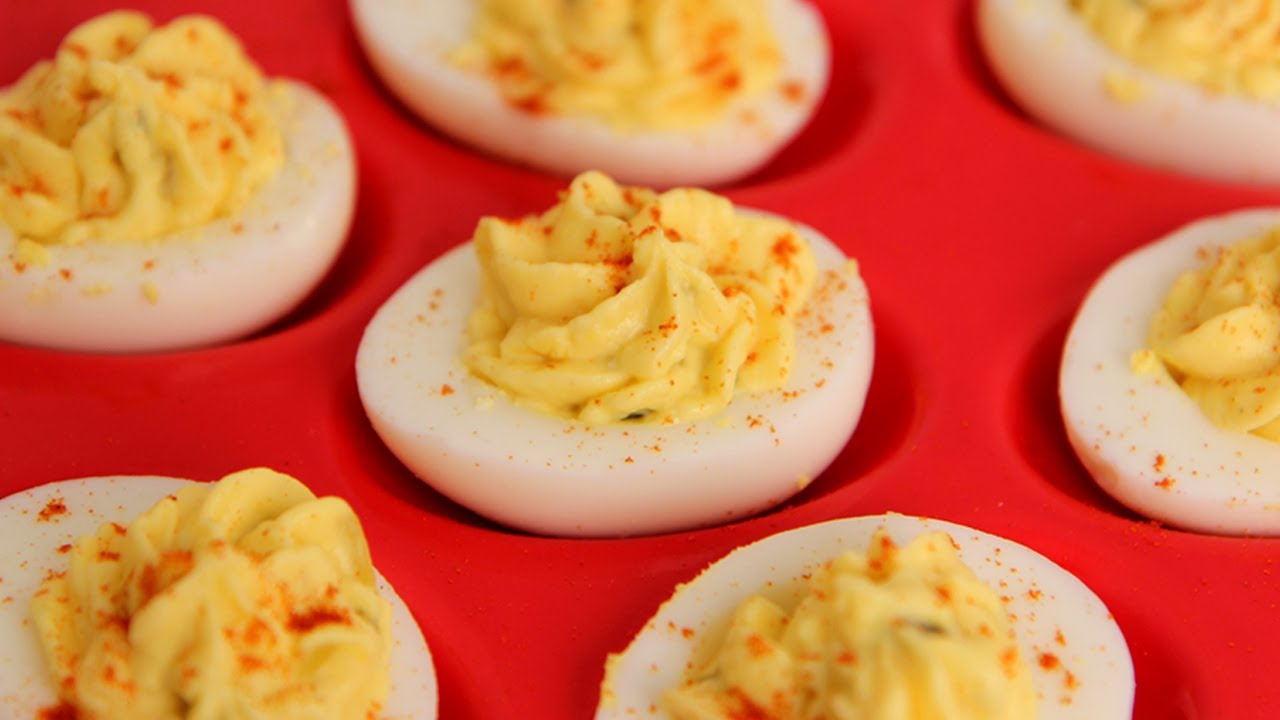
Deviled Eggs Recipe: Deviled eggs remain one of the most dependable appetizers for gatherings, holiday tables, quick snacks, and make-ahead entertaining. They are simple, rich, creamy, and flavorful, yet they also leave room for small upgrades that make them taste far better than the usual version. A well-made deviled eggs recipe should deliver tender egg whites, a smooth and well-seasoned filling, balanced tanginess, and an appealing finish that looks as good as it tastes.
This guide brings together the essential ingredients, the correct preparation method, and practical tips that help us achieve consistently delicious results. Whether we are preparing them for a family meal, party tray, brunch spread, or festive celebration, this method creates classic deviled eggs with a polished flavor and texture.
What Are Deviled Eggs?
Deviled eggs are hard-boiled eggs that have been peeled, halved, and filled with a creamy mixture made from the cooked yolks and flavorful ingredients such as mayonnaise, mustard, vinegar, salt, and pepper. The filling is then spooned or piped back into the egg whites and often finished with paprika, herbs, or other toppings.
The word “deviled” traditionally refers to foods that are seasoned with bold ingredients such as mustard, pepper, or paprika. In practice, this means the filling should taste lively and well-balanced rather than flat or overly rich. A great deviled eggs recipe should feel creamy but not heavy, tangy but not sharp, and savory with just enough seasoning to make each bite memorable.
Why This Deviled Eggs Recipe Works
Many deviled eggs fail because the eggs are overcooked, the filling becomes lumpy, or the seasoning is too weak. This version works because it focuses on the details that matter most:
- The eggs are cooked just enough for firm yolks without a rubbery texture
- The yolk filling is mashed until smooth and creamy
- The mayo and mustard create richness and tang
- Vinegar or pickle juice brightens the filling
- A dusting of paprika adds the classic finish
- The recipe is easy to scale for small or large servings
The result is a tray of deviled eggs that looks clean, tastes fresh, and holds up beautifully for serving.
Ingredients You’ll Need
To make a classic deviled eggs recipe, gather the following ingredients:
- 6 large eggs
- 3 tablespoons mayonnaise
- 1 teaspoon yellow mustard or Dijon mustard
- 1 teaspoon white vinegar or pickle juice
- 1/8 teaspoon salt, or to taste
- 1/8 teaspoon black pepper, or to taste
- Paprika, for garnish
Optional flavor additions:
- 1 teaspoon finely chopped chives
- 1 teaspoon sweet pickle relish
- A dash of hot sauce
- Crispy crumbled bacon
- Fresh dill or parsley
- A small pinch of garlic powder
These optional additions allow us to customize the filling while keeping the base recipe intact.
How to Choose the Best Eggs for Deviled Eggs
The best eggs for deviled eggs are large eggs that are not extremely fresh. Very fresh eggs can be harder to peel after boiling, which may tear the whites and affect presentation. Eggs that have been in the refrigerator for several days often peel more cleanly.
The shape also matters. Eggs with smooth, intact shells are easier to cook and peel without damage. Since deviled eggs are often served as a presentation dish, selecting good-quality eggs helps create a more polished final result.
How to Hard-Boil Eggs Properly
Perfect deviled eggs begin with properly cooked eggs. Overcooked eggs often develop dry yolks and a gray-green ring around the center. While still edible, they look less appealing and may taste slightly sulfurous. To avoid that, we use a controlled cooking method.
Step 1: Place the Eggs in a Pot
Arrange the eggs in a single layer in a saucepan or pot. Add enough cold water to cover them by about one inch.
Step 2: Bring the Water to a Gentle Boil
Set the pot over medium-high heat and bring the water to a boil.
Step 3: Cover and Remove from Heat
As soon as the water reaches a boil, cover the pot with a lid and remove it from the heat. Let the eggs sit in the hot water for 10 to 12 minutes.
Step 4: Transfer to Ice Water
Move the eggs immediately into a bowl of ice water. Let them cool for at least 5 to 10 minutes. This stops the cooking process and helps loosen the shells for easier peeling.
Step 5: Peel Carefully
Tap each egg gently on a hard surface and roll it lightly to crack the shell. Peel under running water if needed. The water helps lift away stubborn shell pieces.
How to Make Deviled Eggs Step by Step
Once the eggs are cooled and peeled, the rest of the process is quick and simple.
Step 1: Slice the Eggs in Half
Using a sharp knife, cut each egg lengthwise. Wipe the knife between cuts for a cleaner appearance.
Step 2: Remove the Yolks
Gently scoop or pop the yolks into a bowl. Arrange the empty egg white halves on a serving tray or plate.
Step 3: Mash the Yolks
Use a fork to mash the yolks until fine and crumbly. For an extra smooth filling, press them through a fine sieve or mash thoroughly until no lumps remain.
Step 4: Mix the Filling
Add the mayonnaise, mustard, vinegar, salt, and black pepper to the yolks. Stir until smooth, creamy, and fully combined. Taste and adjust the seasoning if needed.
The filling should be soft enough to pipe or spoon easily, but thick enough to hold its shape. If it feels too thick, add a little more mayonnaise, half a teaspoon at a time.
Step 5: Fill the Egg Whites
Spoon the yolk mixture into the egg white halves, or transfer the filling to a piping bag or zip-top bag with the corner snipped off for a neater look.
Step 6: Garnish and Serve
Lightly sprinkle paprika over the tops. Add chives, herbs, bacon, or other desired toppings. Chill until ready to serve.
Tips for the Best Deviled Eggs Recipe
Small details make a major difference in the final result. These practical tips help us prepare deviled eggs that taste better and look more refined.
Use a Smooth Filling
A creamy filling is one of the most important features of a good deviled eggs recipe. Mash the yolks well, and do not rush the mixing process. A smooth filling looks better and feels more luxurious on the palate.
Season Gradually
The yolk mixture needs enough salt, acidity, and richness. Taste before filling the eggs. Since mustard and mayo already add flavor, it is better to season gradually than to overdo it all at once.
Do Not Overfill Too Early
If preparing ahead, keep the filling and egg whites separate until closer to serving time when possible. This helps preserve freshness and structure.
Pipe for a Better Presentation
A piping bag gives deviled eggs a more attractive and professional appearance. Even a basic zip-top bag works well for this purpose.
Chill Before Serving
Cold deviled eggs taste fresher and hold their shape better. Refrigerate them for at least 20 to 30 minutes before serving if time allows.
Flavor Variations for Deviled Eggs
Once the classic recipe is mastered, it becomes easy to create flavorful variations without changing the foundation too much.
Spicy Deviled Eggs
Add a dash of hot sauce, cayenne pepper, or finely chopped jalapeño for a little heat.
Pickle Deviled Eggs
Mix in sweet pickle relish or chopped dill pickles for added tang and texture.
Bacon Deviled Eggs
Top each egg with crispy bacon crumbles for a smoky and savory finish.
Herb Deviled Eggs
Fresh dill, parsley, or chives bring brightness and color to the filling.
Paprika and Garlic Deviled Eggs
A pinch of garlic powder in the filling adds extra savory depth while smoked paprika on top creates a deeper flavor.
How to Serve Deviled Eggs
Deviled eggs work well in many settings because they are versatile, easy to portion, and easy to pair with other foods. They are especially popular for:
- Holiday gatherings
- Easter meals
- Picnic spreads
- Potlucks
- Brunch tables
- Family dinners
- Party appetizer trays
For the best presentation, arrange them neatly on a platter and add a light garnish just before serving. A clean white plate or a deviled egg tray helps them stand out beautifully.
How to Store Deviled Eggs
Deviled eggs should be kept refrigerated. Store them in an airtight container or cover the serving tray tightly with plastic wrap.
They are best eaten within 1 to 2 days for optimal texture and flavor. If preparing in advance, we can boil and peel the eggs a day early, then make the filling and assemble them later. This saves time while keeping the eggs fresh.
Do not leave deviled eggs at room temperature for extended periods, especially during warm weather or outdoor serving.
Common Mistakes to Avoid
Even a simple deviled eggs recipe can go wrong if a few basic rules are missed. Avoid these common mistakes:
Overcooking the Eggs
This creates dry yolks and discolored centers.
Using Too Much Mayo
Too much mayonnaise makes the filling loose and overly heavy.
Underseasoning the Filling
A bland filling leads to dull deviled eggs. Mustard, salt, pepper, and acidity should all be balanced.
Damaging the Whites While Peeling
Peel carefully, and cool the eggs properly before removing the shell.
Skipping the Garnish
Paprika or fresh herbs add more than appearance. They also contribute a finishing flavor that completes the dish.
Classic Deviled Eggs Recipe Summary
For quick reference, here is the basic formula:
- Hard-boil 6 eggs
- Cool in ice water and peel
- Slice in half and remove yolks
- Mash yolks with:
- 3 tablespoons mayonnaise
- 1 teaspoon mustard
- 1 teaspoon vinegar
- Salt and pepper to taste
- Fill the whites
- Garnish with paprika
- Chill and serve
This method produces classic deviled eggs that are creamy, balanced, attractive, and easy to repeat.
FAQs about Deviled Eggs Recipe
1. What are deviled eggs?
Deviled eggs are hard-boiled eggs cut in half and filled with a creamy yolk mixture. The filling usually includes mayonnaise, mustard, and simple seasonings.
2. How do we keep deviled eggs from getting watery?
Use fully cooked yolks and avoid adding too much liquid. Chilling them well before serving also helps the filling stay firm.
3. What ingredients are commonly used in deviled eggs?
The basic ingredients are eggs, mayonnaise, mustard, salt, and pepper. Many recipes also add paprika, relish, vinegar, or fresh herbs.
4. How far ahead can we make deviled eggs?
We can make them about 1 day ahead. For the best result, keep the egg whites and filling separate until close to serving time.
5. Why are my deviled eggs hard to peel?
Very fresh eggs can be harder to peel after boiling. Cooling them in ice water right after cooking usually makes peeling easier.
6. How do we make the filling smooth?
Mash the yolks very well and mix them thoroughly with the other ingredients. For an extra smooth texture, we can press the yolks through a fine sieve.
7. What toppings go well on deviled eggs?
Paprika is the classic topping. Chopped chives, bacon bits, dill, black pepper, or a little hot sauce also work well.
8. How should leftovers be stored?
Store leftover deviled eggs in an airtight container in the refrigerator and eat them within 2 days for the best freshness.
Final Thoughts
A dependable deviled eggs recipe should be simple, flavorful, and easy to prepare without sacrificing quality. With the right cooking method, a smooth yolk filling, balanced seasoning, and a clean finish, deviled eggs become far more than a basic appetizer. They become one of the most requested dishes on the table.
This recipe delivers everything that matters: creamy texture, rich flavor, bright tang, and a classic presentation. Whether served at a holiday feast, brunch event, or casual family gathering, deviled eggs remain timeless because they are easy to love and easy to make well. When prepared with care, they offer the perfect bite-sized combination of comfort, flavor, and elegance.