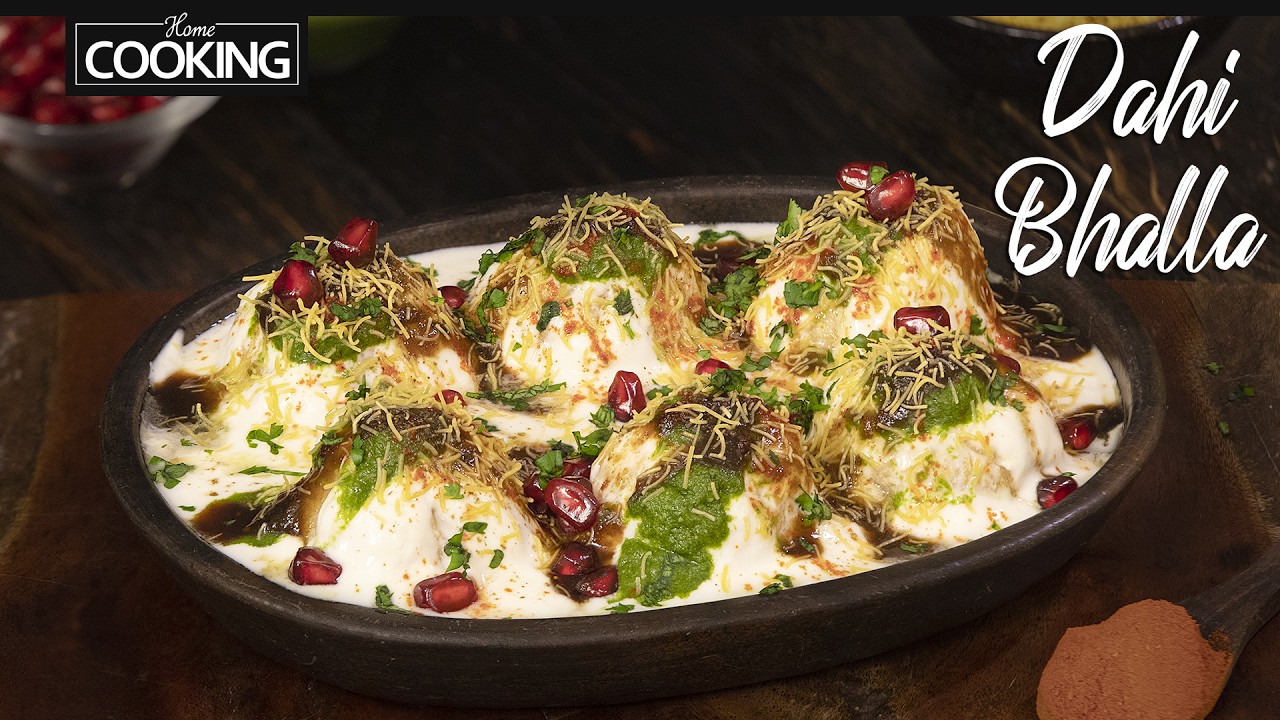
Dahi Vada Recipe: Dahi Vada is one of the most loved traditional dishes in Indian cuisine. It combines soft lentil dumplings with smooth seasoned yogurt and a blend of sweet, tangy, and mildly spicy toppings.
The beauty of a great Dahi Vada recipe lies in contrast. The vadas are light and fluffy, the yogurt is cool and creamy, and the chutneys bring bold flavor. Every spoonful delivers texture, balance, and depth. When prepared properly, the dumplings remain tender, the yogurt stays luscious, and the final presentation looks just as appealing as it tastes.
This guide covers everything needed to make restaurant-style Dahi Vada at home, from choosing the right lentils to frying, soaking, whisking, assembling, and serving.
Ingredients You’ll Need
For the Vada Batter
- 1 cup urad dal (split black gram without skin)
- 2 tablespoons moong dal (optional, for lighter texture)
- 1 inch ginger
- 1 to 2 green chilies
- Salt to taste
- A pinch of asafoetida
- 2 to 3 tablespoons water or as needed for grinding
- Oil for deep frying
For Soaking the Fried Vadas
- 4 cups warm water
- 1/2 teaspoon salt
- 1/2 teaspoon roasted cumin powder (optional)
For the Yogurt Mixture
- 3 cups fresh thick yogurt
- 2 to 3 tablespoons sugar or to taste
- Salt to taste
- 1/2 teaspoon roasted cumin powder
- A pinch of black salt
For Topping
- Tamarind chutney
- Green chutney
- Roasted cumin powder
- Red chili powder
- Black salt
- Fresh coriander leaves, finely chopped
- Pomegranate seeds for garnish, optional
- Sev for added texture, optional
Choosing the Best Ingredients for Dahi Vada
A truly excellent Dahi Vada recipe starts with quality ingredients. Urad dal is the foundation of the dish. It creates the signature soft texture that makes the vadas tender after frying and soaking. Adding a little moong dal can make the vadas feel even lighter, though many classic versions use only urad dal.
The yogurt should be fresh, mildly tangy, and thick. Thin yogurt can make the dish watery and dilute the flavor. If needed, the yogurt can be chilled and strained before use to create a richer consistency. Tamarind chutney should have a balanced sweet-and-sour taste, while the green chutney should bring a bright fresh note without overpowering the dish.
Spices matter just as much. Roasted cumin powder, black salt, and a touch of red chili powder create the familiar flavor profile associated with authentic Dahi Vada.
How to Prepare the Lentils
Wash the urad dal and moong dal thoroughly until the water runs mostly clear. Soak them in enough water for 6 to 8 hours or overnight. Proper soaking is essential because it softens the lentils and helps create a smooth batter.
Once soaked, drain the water completely. Add the dal to a grinder with ginger, green chilies, and very little water. Grind into a smooth, thick batter. The batter should not be runny. A thick batter helps the vadas hold their shape and fry properly.
Transfer the batter to a mixing bowl. Add salt and a pinch of asafoetida. Then beat the batter well in one direction for several minutes. This step adds air and helps produce light, fluffy vadas. A well-beaten batter is one of the most important parts of a successful Dahi Vada recipe.
How to Check If the Batter Is Ready
A simple way to test the batter is to drop a small amount into a bowl of water. If it floats, the batter is airy enough for frying. If it sinks, beat it a little longer. This small test can make a major difference in the final texture.
The batter should feel soft, smooth, and slightly whipped. Avoid adding too much water during grinding. Thin batter usually leads to flat, dense vadas that absorb excess oil.
Step-by-Step Guide to Frying the Vadas
Step 1: Soak the Lentils
Wash urad dal well and soak it in water for 4 to 6 hours. This helps the lentils soften, making them easier to blend into a smooth batter.
Step 2: Make the Batter
Drain the soaked lentils and blend them into a thick, smooth batter using very little water. Whisk the batter well so it becomes light and airy.
Step 3: Fry the Vadas
Heat oil in a deep pan. Drop small portions of batter into the hot oil and fry until the vadas become golden and crisp on the outside.
Step 4: Soak and Prepare
Place the fried vadas in warm water for a few minutes. Then gently squeeze out the excess water and arrange them in a serving dish.
Step 5: Add Yogurt and Toppings
Pour smooth, chilled yogurt over the softened vadas. Top with tamarind chutney, green chutney, roasted cumin powder, chili powder, black salt, and fresh coriander before serving.
Dahi Vada is soft, creamy, tangy, and perfect as a refreshing snack or side dish.
Tips for Soft and Fluffy Dahi Vada
For consistently excellent results, keep these points in mind:
Use Minimal Water While Grinding
Too much water weakens the batter and makes shaping difficult. A thick batter creates better texture.
Beat the Batter Well
Whisking introduces air and makes the vadas lighter. This step should never be skipped.
Fry on Medium Heat
Very hot oil can leave the center undercooked. Low heat can make the vadas greasy. Medium heat gives the best result.
Soak in Warm Water
Warm water softens the fried dumplings effectively and prepares them for the yogurt.
Use Thick Fresh Yogurt
Rich yogurt improves both texture and flavor. Thin yogurt can make the dish bland and loose.
Balance the Toppings
A good Dahi Vada recipe is never only sweet or only spicy. It should feel balanced in every bite.
Common Mistakes to Avoid
One common mistake is making the batter too thin. This often results in oily or flat vadas. Another mistake is under-beating the batter, which can make the dumplings heavy instead of fluffy.
Using sour yogurt without balancing it can also affect the final taste. Similarly, over-soaking the vadas or squeezing them too hard can damage their shape and texture. Too much chutney may overpower the yogurt, while too little seasoning can leave the dish dull.
Paying attention to these details helps create homemade Dahi Vada that tastes polished and complete.
Serving Suggestions for Dahi Vada
Dahi Vada is best served slightly chilled or at cool room temperature. It works beautifully as:
- A festive appetizer
- A side dish in Indian meals
- A party snack
- A light evening dish
- A refreshing summer recipe
It pairs well with other traditional foods such as pulao, chaat items, and festive thalis. Because it is rich yet cooling, it often becomes one of the most appreciated dishes on the table.
How to Store Dahi Vada
The vadas can be fried in advance and stored for later use. Once cooled, they may be refrigerated for a day before soaking. Yogurt should always be prepared fresh or kept chilled until assembly.
If storing assembled Dahi Vada, keep it in the refrigerator and add the chutneys and spice toppings just before serving for the best flavor and presentation. This helps preserve freshness and prevents the toppings from blending too much into the yogurt.
Why This Dahi Vada Recipe Works
This Dahi Vada recipe works because it focuses on the exact elements that define the dish: soft texture, balanced yogurt, and layered toppings. Every stage contributes to the final result. The soaked lentils create a smooth batter, the beaten mixture adds lightness, the warm-water soak softens the fried dumplings, and the seasoned yogurt delivers richness without heaviness.
The final garnish brings the entire recipe together with sweetness, freshness, spice, and tang. When prepared with care, Dahi Vada becomes far more than a simple yogurt snack. It becomes a dish with depth, elegance, and lasting appeal.
FAQs about Dahi Vada Recipe
1. What is Dahi Vada?
Dahi Vada is a popular Indian dish made with soft lentil fritters soaked in water and served with seasoned yogurt. It is often topped with chutneys and spices.
2. What are Dahi Vadas made from?
They are usually made from urad dal (split black gram). The lentils are soaked, ground into a smooth batter, and then fried into small dumplings.
3. Why are my Dahi Vadas hard?
They may turn hard if the batter is too thick or not whipped enough. Soaking the fried vadas in warm water also helps make them soft.
4. Can Dahi Vada be made ahead of time?
Yes, it can. The vadas can be prepared in advance, then soaked and chilled with yogurt before serving.
5. What toppings are usually added?
Common toppings include tamarind chutney, green chutney, roasted cumin powder, chili powder, black salt, and fresh coriander.
6. Is Dahi Vada spicy?
It is usually mildly spiced, but the heat level depends on the chutneys and seasonings added on top.
7. Can we make Dahi Vada without frying?
Yes, some people make a lighter version using appe pans or air fryers. However, the traditional recipe is deep-fried.
8. How do we store leftover Dahi Vada?
Store leftovers in an airtight container in the refrigerator for up to 2 days. It is best served chilled.
Final Thoughts
A carefully made Dahi Vada is soft, creamy, flavorful, and beautifully balanced. It is one of those dishes that feels festive and comforting at once. Whether served for guests or prepared as part of a family meal, it brings both visual appeal and satisfying flavor to the table.
By following the right process, using thick yogurt, and paying attention to texture at every stage, we can make authentic Dahi Vada at home that rivals the best versions served at celebrations and traditional gatherings. This dish rewards patience, balance, and precision, and the result is a timeless favorite that remains delicious in every season.
Dahi Vada is best when served fresh, generously topped, and perfectly chilled.