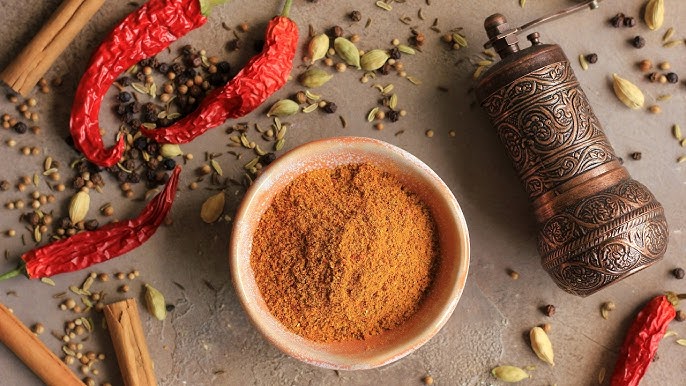
A curry spice recipe is one of the most useful foundations in any kitchen. It brings warmth, depth, fragrance, and color to a wide range of dishes, from stews and soups to marinades, rice bowls, roasted vegetables, and grilled meats. A well-made curry spice blend delivers a balanced taste built on earthy, savory, slightly sweet, and gently spicy notes. Instead of relying on a store-bought mix with fillers or stale spices, we can prepare a fresher, more vibrant blend that gives every dish a richer flavor.
The beauty of a homemade curry spice recipe lies in its flexibility. We can make it mild, bold, smoky, or hot. We can adjust it for chicken, fish, beef, lentils, chickpeas, or vegetables. We can also control the freshness, aroma, and intensity by choosing quality whole or ground spices. Once prepared, this spice blend becomes a reliable pantry staple that saves time and improves everyday cooking.
This guide covers the exact ingredients you’ll need, the full step-by-step guide, flavor variations, storage tips, serving ideas, and common mistakes to avoid. With the right balance of spices and a simple method, we can create a curry spice recipe that tastes fresher, smells better, and performs better in every meal.
What Is a Curry Spice Recipe?
A curry spice recipe is a custom blend of aromatic spices commonly used to season dishes inspired by South Asian, African, Caribbean, and global curry traditions. Although curry powder is often treated as one flavor, it is actually a layered combination of multiple spices working together. Each spice adds a distinct role.
Some bring warmth, such as cumin and coriander. Others add color, such as turmeric. Some create sweet aromatic depth, such as cinnamon or cloves. Others bring heat, such as cayenne or black pepper. When mixed properly, these ingredients form a balanced seasoning that can flavor sauces, meats, vegetables, grains, and legumes.
Homemade curry spice blends are more versatile than prepackaged options because they can be customized to fit the intended dish. A lighter blend may suit roasted vegetables or yogurt marinades, while a stronger mix may work better for stews, rich sauces, or grilled proteins.
Why Homemade Curry Spice Is Better
A homemade curry spice recipe offers clear advantages. First, the flavor is fresher. Ground spices lose strength over time, especially when they sit on shelves for months. By making the blend at home, we capture a more intense aroma and better flavor.
Second, we gain full control over the ingredients. That means no anti-caking agents, no unnecessary starches, and no overly salty fillers. We decide how spicy, earthy, smoky, or bright the blend should be.
Third, homemade spice mixes are more economical over time. A single batch can season multiple meals, making meal preparation easier while keeping flavor consistent. It also helps create a signature taste that can become part of a cooking style or food brand.
Ingredients You’ll Need
To prepare a balanced and flavorful curry spice recipe, gather the following ingredients:
- 2 tablespoons ground coriander
- 2 tablespoons ground cumin
- 1 tablespoon ground turmeric
- 1 tablespoon paprika
- 1 teaspoon ground ginger
- 1 teaspoon garlic powder
- 1 teaspoon onion powder
- 1 teaspoon ground black pepper
- 1 teaspoon ground cinnamon
- 1/2 teaspoon cayenne pepper
- 1/2 teaspoon ground cloves
- 1/2 teaspoon ground cardamom
- 1 teaspoon salt optional, depending on use
These measurements create a well-rounded curry spice blend with earthy body, golden color, gentle heat, and a rich aromatic finish. For a milder result, reduce the cayenne pepper. For more heat, increase it slightly. If a sweeter aromatic style is preferred, increase the cinnamon or cardamom in very small amounts.
Understanding the Role of Each Spice
Coriander for Bright, Citrus-Like Warmth
Ground coriander gives the blend a mild, slightly citrusy base. It softens stronger spices and adds a rounded, fragrant profile.
Cumin for Earthy Depth
Cumin is essential in a classic curry spice recipe. It brings a warm, nutty, earthy taste that builds the backbone of the blend.
Turmeric for Color and Earthiness
Turmeric creates the signature golden color many people associate with curry spice. It also adds a subtle earthy bitterness that strengthens the blend.
Paprika for Mild Sweetness
Paprika contributes body, color, and a mild peppery sweetness. Smoked paprika can be used for a deeper flavor.
Ginger for Warm Sharpness
Ground ginger brings a dry, warming sharpness that lifts the spice mix and makes it more lively.
Garlic and Onion Powder for Savory Body
These ingredients deepen the savory character of the curry spice recipe and help it work well in rubs, sauces, and marinades.
Black Pepper and Cayenne for Heat
Black pepper gives steady warmth, while cayenne delivers a sharper heat. Used together, they create a more balanced spiciness.
Cinnamon, Cloves, and Cardamom for Aroma
These spices add sweet warmth and complexity. They should be used carefully because they are powerful. In the right amount, they make the blend feel fuller and more refined.
Step-by-Step Guide for Curry Spice
Step 1: Measure All Ingredients Accurately
Place all the spices in separate small bowls or measure them directly into one large dry bowl. Accuracy matters because the balance of the spices determines whether the blend tastes smooth and layered or uneven and harsh.
Use level measuring spoons, not heaped ones. Since stronger spices like cloves and cardamom can dominate quickly, precise measurement is essential.
Step 2: Check Freshness Before Mixing
Before combining the spices, smell each one. Fresh spices should have a clear and noticeable aroma. If the turmeric smells flat, the cumin seems dull, or the coriander barely has a scent, the final mix will be weaker than expected.
Fresh ingredients produce a curry spice recipe with stronger color, better aroma, and richer flavor.
Step 3: Combine the Spices in a Dry Bowl
Add all ingredients to a clean, dry bowl. Stir slowly with a spoon or whisk until the color looks even throughout the mixture. There should be no clumps of turmeric, paprika, or garlic powder.
Mixing thoroughly ensures that every teaspoon of the final spice blend has the same balanced flavor.
Step 4: Sift for a Smoother Blend
For a finer and more professional texture, pass the spice mixture through a fine sieve. This breaks up clumps and creates a more uniform consistency. This step is especially useful if the blend will be used in sauces, soups, or seasoning pastes.
A smooth curry spice recipe mixes more evenly into liquids and coats food more consistently.
Step 5: Taste and Adjust the Balance
Dip the tip of a spoon into the spice blend and taste a tiny amount. The goal is balance. It should taste earthy, aromatic, lightly warm, and full-bodied. If it feels too bitter, reduce turmeric slightly next time. If it lacks heat, add a little more cayenne. If it feels too sharp, increase coriander or paprika.
This adjustment stage helps create a blend that matches the intended cooking style.
Step 6: Transfer to an Airtight Jar
Once mixed, transfer the curry spice recipe to a dry airtight glass jar or spice container. Seal it immediately to preserve the aroma and prevent moisture from entering.
Label the jar with the name and date. This keeps the spice cabinet organized and helps track freshness.
Step 7: Store Properly for Maximum Flavor
Keep the spice blend in a cool, dry, dark place away from direct sunlight, steam, and heat. A cupboard is better than a shelf near the stove. Proper storage helps maintain potency and color for longer.
For best flavor, use the blend within a few months.
How to Use Curry Spice Recipe in Cooking
A good curry spice recipe can be used in many ways. It works as a dry seasoning, a marinade base, or the flavor foundation for a sauce.
Use it to season:
- Chicken, beef, fish, or lamb
- Rice dishes and pilaf
- Lentils, beans, and chickpeas
- Roasted potatoes and vegetables
- Soups and stews
- Coconut milk sauces
- Yogurt marinades
- Egg dishes and scrambled tofu
For dry seasoning, sprinkle the blend directly over meat or vegetables with oil and salt. For sauces, bloom the spice in hot oil for a few seconds before adding onions, tomatoes, broth, or coconut milk. This releases the aroma and creates a deeper flavor.
Tips for the Best Curry Spice Recipe
Always use dry utensils when handling the spice mix. Moisture causes clumping and reduces shelf life.
Toast whole spices first if making the blend from scratch using whole coriander, cumin, cloves, or cardamom. Toasting brings out essential oils and creates a richer aroma. Once cooled, grind them finely before mixing with the remaining ingredients.
Do not overuse strong sweet spices. Too much cinnamon or clove can make the curry spice recipe taste heavy or overly perfumed.
Start with small amounts during cooking. It is easier to add more spice than to correct an overly strong dish.
Flavor Variations to Try
Mild Curry Spice Recipe
Reduce cayenne to a pinch and increase paprika slightly. This version is ideal for children, cream sauces, and mild rice dishes.
Hot Curry Spice Recipe
Increase cayenne and black pepper for more heat. This works well in grilled meat rubs and bold stew bases.
Smoky Curry Spice Recipe
Replace regular paprika with smoked paprika. This adds a deep roasted note that pairs well with chicken, beans, or oven-roasted vegetables.
Sweet Aromatic Curry Spice Recipe
Add a little extra cinnamon and cardamom. This style works well in rich sauces with coconut milk or tomato.
Common Mistakes to Avoid
One common mistake is using stale spices. Even the best recipe cannot perform well with weak ingredients.
Another mistake is adding too much turmeric. Turmeric gives beautiful color, but too much can make the mix taste bitter and dusty.
Poor storage is another issue. If the blend is left open or kept near heat, the aroma disappears quickly.
Finally, many people skip blooming the spices in oil. When curry spice is briefly heated in oil before liquid is added, the flavor becomes deeper, smoother, and more integrated.
Best Dishes to Make With Curry Spice Recipe
A versatile curry spice recipe can transform simple ingredients into memorable meals. It works especially well in:
- Chicken curry
- Vegetable curry
- Coconut chickpea stew
- Curried rice
- Spiced roasted cauliflower
- Curry grilled fish
- Lentil soup
- Curried potatoes
- Beef or lamb stew
- Spiced yogurt dipping sauce
This makes the blend useful not only for one dish but for an entire meal plan.
Storage and Shelf Life
Store the curry spice recipe in an airtight jar for the best results. Keep it away from steam, moisture, and direct light. When properly stored, it remains at good quality for about 3 to 6 months, though the strongest flavor is usually within the first few months.
To keep the blend fresh, prepare moderate batches rather than very large ones. Smaller fresh batches usually taste better than one large jar stored for too long.
FAQs about Curry Spice Recipe
1. What is curry spice?
Curry spice is a blend of ground spices used to add warm, rich flavor to many dishes. It is commonly used in curries, soups, rice dishes, marinades, and sauces.
2. What spices are usually in a curry spice recipe?
Common ingredients include turmeric, cumin, coriander, ginger, garlic powder, paprika, black pepper, and chili powder. Some blends also include cinnamon, cloves, mustard, or fenugreek.
3. Is curry spice the same as curry powder?
Yes, curry spice and curry powder are often used to mean the same thing. Both refer to a mixed spice blend made for seasoning food.
4. Is curry spice very hot?
Not always. Some curry spice blends are mild, while others are hotter depending on how much chili or pepper is added. We can easily adjust the heat to taste.
5. Can we make curry spice at home?
Yes, homemade curry spice is easy to make. We simply mix the spices together and adjust the flavor based on our preference.
6. How should curry spice be stored?
Store it in an airtight container in a cool, dry place away from heat and sunlight. This helps keep the flavor fresh for longer.
7. How long does homemade curry spice last?
It usually stays fresh for about 3 to 6 months. However, the flavor is best when used sooner.
8. What can we use curry spice for?
Curry spice is great for chicken, fish, vegetables, lentils, rice, soups, stews, and even roasted potatoes. It adds depth, color, and aroma to many meals.
Conclusion
A homemade curry spice recipe gives full control over flavor, freshness, aroma, and strength. With a simple combination of coriander, cumin, turmeric, paprika, ginger, garlic, onion, pepper, and aromatic supporting spices, we can create a powerful seasoning blend that fits countless meals. The process is easy, the ingredients are practical, and the result is far better than many generic store blends.
When prepared carefully and stored properly, this curry spice recipe becomes a dependable kitchen essential. It brings warmth to stews, richness to sauces, character to vegetables, and depth to marinades. A single jar can improve everyday cooking and create a more consistent, more flavorful result in every dish.