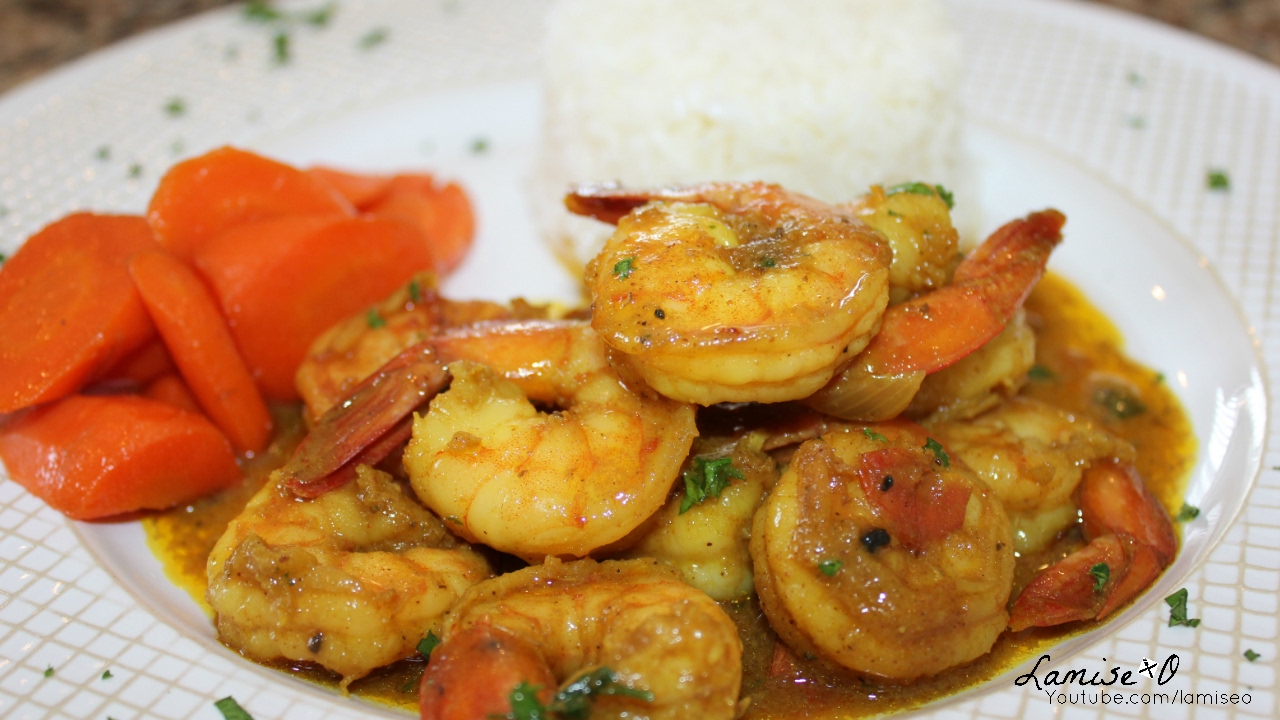
Curry and Shrimp Recipe: Cooking is more than just putting ingredients together—it’s about creating flavors that tell a story. Among the many comfort dishes loved worldwide, curry and shrimp stands out as a dish full of bold spices, rich sauces, and tender seafood. Whether you’re cooking for family, friends, or simply yourself, this recipe brings a restaurant-style experience straight to your kitchen. In this guide, we’ll break down the full recipe step by step, from preparing the shrimp to layering spices and finally serving it with the right sides.
Why Curry and Shrimp is a Perfect Combination
Shrimp is one of the most versatile proteins—it cooks quickly, absorbs flavors beautifully, and has a natural sweetness that pairs wonderfully with spices. On the other hand, curry is bold, aromatic, and comforting. When combined, curry and shrimp form a balance between spice and sweetness, heat and creaminess, making it a dish that works for all occasions.
Imagine biting into juicy shrimp coated in a silky curry sauce with hints of garlic, ginger, and warm spices. It’s like a burst of flavors that comfort the soul. Unlike meat-based curries, shrimp curry feels lighter yet equally satisfying, making it an excellent choice for both lunch and dinner.
Origins and Global Popularity
Curry and shrimp isn’t limited to one region. It has roots in South Asian cuisines where shrimp curries are popular along coastal regions, especially in India, Sri Lanka, and Bangladesh. In Southeast Asia, particularly in Thailand and Malaysia, shrimp curry is often infused with coconut milk, lemongrass, and chili pastes, giving it a unique twist.
Today, shrimp curry recipes have traveled across the globe, adapted into Caribbean styles with Scotch bonnet peppers, African styles with groundnut bases, and even Westernized versions that use cream or lighter spice blends. No matter which version you try, the base remains the same: shrimp + spices + curry sauce = pure comfort food.
Ingredients You’ll Need
Before you dive into cooking, gathering the right ingredients is crucial. Shrimp curry isn’t overly complicated, but the flavors depend heavily on freshness and the quality of spices.
Fresh Shrimp – The Star of the Dish
The hero of this dish is, of course, the shrimp. Always go for fresh or properly thawed frozen shrimp. Here’s what to consider:
- Size matters: Medium to large shrimp are ideal since they hold up better in curry sauce without becoming rubbery.
- Peeled or unpeeled? Peeled and deveined shrimp save time, but cooking with shells adds extra flavor to the sauce. If you have extra time, buy shell-on shrimp and remove the shells after cooking for maximum taste.
- Freshness check: Shrimp should smell like the ocean—not fishy. The flesh should be firm, not mushy.
Essential Spices for Curry Flavor
The heart of curry lies in its spices. For this shrimp curry, you’ll need:
- Turmeric – adds earthiness and a golden hue.
- Cumin and Coriander – bring warmth and depth.
- Chili powder or paprika – for heat and color.
- Curry powder or garam masala – depending on your preference for South Asian or Caribbean flavors.
- Black pepper – to add a sharp kick.
If you want a more complex flavor, consider using whole spices like cardamom pods, cinnamon sticks, and bay leaves, which can be toasted and then simmered in the sauce.
Vegetables and Aromatics
Aromatics like onion, garlic, and ginger form the foundation of the curry base. They provide sweetness, pungency, and spice. For vegetables, you can use:
- Onions (finely chopped)
- Fresh garlic cloves (minced)
- Fresh ginger (grated)
- Tomatoes (for acidity and body in the sauce)
- Optional: bell peppers, spinach, or peas for added nutrition
Pantry Staples You Should Have Ready
To complete the dish, make sure you have:
- Cooking oil or ghee – for sautéing
- Coconut milk or cream – for richness
- Salt and sugar – to balance flavors
- Fresh herbs like cilantro – for garnish
- Rice or flatbread – for serving
Having everything prepped ahead of time ensures a smooth cooking process.
Preparing the Ingredients
Cooking shrimp curry isn’t just about tossing everything in a pan. Proper preparation enhances flavor and ensures each step of cooking goes seamlessly.
Cleaning and Deveining Shrimp
Cleaning shrimp may feel intimidating at first, but it’s simple once you know how:
- Rinse shrimp under cold water.
- Remove shells if you prefer (optional).
- Make a shallow cut along the back of the shrimp with a small knife.
- Pull out the dark vein (intestine) using the tip of the knife or a toothpick.
- Rinse again and pat dry.
Tip: If you’re cooking with shell-on shrimp for flavor, make sure to clean them thoroughly while keeping shells intact.
Chopping Vegetables Properly
Vegetables should be evenly chopped for consistency in cooking.
- Onions: Finely diced for quicker caramelization.
- Garlic: Minced so it blends seamlessly into the sauce.
- Ginger: Grated or minced to release its oils.
- Tomatoes: Chopped or blended, depending on whether you prefer a chunkier or smoother sauce.
Uniform chopping ensures that all ingredients cook evenly and no single flavor dominates.
Prepping Spices for Maximum Flavor
Spices should be fresh and fragrant. Ground spices lose potency over time, so try to use recently purchased ones. You can also toast whole spices before grinding for an intense aroma. Measure out spices beforehand in small bowls—this makes the cooking process much faster and avoids mistakes like adding too much chili powder.
Step-by-Step Guide to Cooking Curry and Shrimp
Now comes the exciting part—bringing all the ingredients together into one delicious dish.
Step 1 – Sautéing Onions, Garlic, and Ginger
Start by heating oil or ghee in a large pan. Add onions and cook until golden brown. This step is crucial because browned onions add sweetness and depth. Next, add garlic and ginger, sautéing until fragrant.
This mixture forms the backbone of your curry. If rushed, the curry will taste flat, so take your time here.
Step 2 – Toasting Spices for Depth
Once the onions are ready, add your ground spices. Toast them gently in the oil for 30–60 seconds. This “blooms” the spices, releasing essential oils and amplifying flavor. Be careful not to burn them, as burnt spices turn bitter.
Step 3 – Adding Tomatoes or Coconut Milk Base
Once the spices are fragrant, it’s time to create the sauce foundation. You have two main options here, depending on the style of shrimp curry you want to prepare:
- Tomato-Based Curry: Add chopped or blended tomatoes to the pan. Stir well and let them cook down until they soften into a thick paste. This creates a tangy and slightly sweet sauce, common in Indian-style curries. To speed up the process, you can cover the pan and let the tomatoes simmer until the oil begins to separate at the edges.
- Coconut Milk-Based Curry: For a creamier, Thai-inspired dish, pour in coconut milk instead. Stir gently to combine with the spices and aromatics. Coconut milk adds a subtle sweetness and richness that pairs beautifully with shrimp.
You can also combine the two—start with tomatoes for acidity, then add coconut milk for creaminess. This balance works wonders for those who love layered flavors.
Pro tip: Always simmer coconut milk gently. Boiling it too hard can cause it to split.
Step 4 – Cooking the Shrimp to Perfection
Now comes the star moment—the shrimp. Shrimp cook incredibly fast, usually in 3–5 minutes, so timing is everything. Overcooked shrimp turn rubbery and tough, which can ruin the dish.
Steps to cook shrimp just right:
- Add cleaned shrimp to the simmering sauce.
- Stir gently to coat them evenly in the curry base.
- Let them cook until they turn pink and opaque. This means they’re done.
If you’re using larger shrimp, give them an extra minute, but always keep a close eye. You want them tender and juicy, not chewy.
Tip: Shrimp continue to cook slightly even after being removed from heat. To prevent overcooking, you can take them off the stove just as they’re turning pink.
Step 5 – Simmering and Adjusting Seasoning
Once the shrimp are cooked, let the curry simmer for a couple of minutes to allow all the flavors to meld together. This step helps balance the spices and ensures the shrimp absorb the sauce’s richness.
Now is the time to taste and adjust:
- Add salt if needed.
- Stir in a pinch of sugar to balance acidity.
- Add chili or pepper if you want more heat.
- Squeeze in fresh lime juice for brightness.
Finish with a sprinkle of chopped cilantro or parsley for freshness. This final touch adds color and a burst of herbal flavor.
Serving Suggestions
A good curry isn’t complete without the right accompaniments. Shrimp curry is versatile and pairs beautifully with many sides, so you can adapt based on your preferences and pantry.
Best Side Dishes to Pair With Curry and Shrimp
- Steamed Basmati Rice: The light, fluffy grains soak up the curry sauce perfectly.
- Coconut Rice: If you want extra richness, cook rice with coconut milk for a sweet, nutty flavor.
- Naan or Roti: Indian flatbreads are perfect for scooping up curry.
- Quinoa or Couscous: A healthier twist for those looking for more fiber.
- Vegetable Stir-Fry: Lightly sautéed veggies balance out the richness of the curry.
Garnishes and Final Touches
Presentation matters! A beautifully garnished dish always feels more special. Try these finishing touches:
- Fresh cilantro leaves sprinkled on top
- A drizzle of coconut cream for added creaminess
- Thin slices of red chili for color and heat
- A wedge of lime on the side for extra zing
These small additions not only make the dish look stunning but also elevate the taste.
Tips and Tricks for the Perfect Curry and Shrimp
Cooking shrimp curry isn’t complicated, but small mistakes can affect the outcome. Here are some expert tips to help you nail it every time.
How to Avoid Overcooking Shrimp
Shrimp are delicate, and the biggest mistake people make is cooking them too long. Remember:
- Shrimp are done the moment they turn pink and opaque.
- If they curl into a tight “O” shape, they’re overcooked. Aim for a relaxed “C” shape instead.
- To be safe, remove shrimp slightly underdone and let them finish cooking in the hot sauce.
Balancing Spice Levels
Not everyone enjoys the same level of heat. Here’s how to adjust:
- For a mild curry: Use paprika instead of chili powder. Add more coconut milk.
- For medium heat: Use a balanced curry powder with a touch of chili.
- For spicy lovers: Add fresh green chilies or a spoon of chili paste.
Remember, it’s always easier to add spice later than to fix a curry that’s too hot.
Storing and Reheating Leftovers
Shrimp curry tastes even better the next day as the flavors deepen. However, shrimp can dry out if reheated improperly.
- Store in an airtight container in the fridge for up to 3 days.
- Reheat gently on low heat, stirring occasionally.
- Add a splash of water or coconut milk while reheating to keep the sauce smooth.
Avoid microwaving at high heat, as this can make the shrimp rubbery.
Variations of Curry and Shrimp Recipe
One of the best things about shrimp curry is its flexibility. Depending on the spices, base, and cooking style, you can create countless variations that fit different moods and tastes. Here are a few popular ones you’ll love trying at home.
Coconut Curry Shrimp
This variation is a classic in Southeast Asian and Caribbean cooking. Coconut milk transforms the curry into a rich, creamy, and slightly sweet dish that pairs perfectly with the natural sweetness of shrimp.
- Flavor profile: Mildly spicy, creamy, with a tropical touch.
- How to make: After sautéing onions, garlic, and spices, stir in a can of coconut milk instead of tomatoes. Add shrimp and let them cook gently in the sauce. For extra flavor, toss in lemongrass, kaffir lime leaves, or curry leaves if available.
- Perfect with: Jasmine rice or coconut rice.
This version is ideal for those who love smooth, silky sauces and a comforting, mellow heat.
Spicy Indian-Style Shrimp Curry
Indian shrimp curry packs bold spices and a tomato-based sauce. It’s fiery, aromatic, and full of depth.
- Flavor profile: Spicy, tangy, earthy, with hints of garlic and ginger.
- How to make: Use a tomato-onion base with ground cumin, coriander, turmeric, chili powder, and garam masala. Add shrimp toward the end and let them simmer for just a few minutes.
- Perfect with: Basmati rice or butter naan.
This style is perfect if you crave bold, traditional Indian flavors with plenty of heat and spice complexity.
Thai-Inspired Shrimp Curry
Thai shrimp curry is all about vibrant flavors and fragrant spices. Unlike Indian versions, it often uses curry pastes instead of powders.
- Flavor profile: Spicy, citrusy, and aromatic with hints of lemongrass and lime.
- How to make: Use red or green Thai curry paste, coconut milk, shrimp, fish sauce, and lime juice. Add vegetables like bell peppers, baby corn, or bamboo shoots to make it a one-pot meal.
- Perfect with: Jasmine rice or sticky rice.
If you love dishes that hit sweet, spicy, sour, and salty notes all at once, Thai shrimp curry will become your go-to.
Nutritional Benefits of Curry and Shrimp
Shrimp curry doesn’t just taste amazing—it also comes packed with nutrients that benefit your health. Let’s break it down.
Health Benefits of Shrimp
Shrimp are more than just tasty; they’re a powerhouse of nutrition:
- High in protein: Shrimp provide lean protein, which supports muscle repair and keeps you full.
- Low in calories: A great choice if you’re watching your calorie intake.
- Rich in omega-3 fatty acids: These support heart health and brain function.
- Packed with vitamins and minerals: Shrimp contain vitamin B12, selenium, and zinc.
Unlike heavier meats, shrimp is light but satisfying, making it a healthier option for curry.
Why Spices Are Good for You
The spices in curry do more than add flavor—they also bring health benefits:
- Turmeric: Contains curcumin, a natural anti-inflammatory.
- Ginger: Aids digestion and soothes nausea.
- Garlic: Supports heart health and boosts immunity.
- Cumin and coriander: Improve digestion and add antioxidants.
When combined in a curry, these spices don’t just make the dish taste delicious—they also contribute to overall wellness.
Common Mistakes to Avoid
Even a simple dish like shrimp curry can go wrong if you’re not careful. Here are the most common pitfalls and how to avoid them.
Overpowering with Too Many Spices
It’s tempting to throw in every spice in your cupboard, but balance is key. Too many spices can clash and overwhelm the delicate shrimp. Stick to a few core spices and adjust carefully. Remember, less is often more.
Cooking Shrimp for Too Long
Shrimp cook incredibly fast, and overcooked shrimp become rubbery and dry. Always add shrimp at the end of cooking and remove them as soon as they turn pink and opaque. If you’re unsure, slightly undercook them and let residual heat finish the job.
Other mistakes include:
- Adding coconut milk too early and letting it split by boiling.
- Forgetting to taste and adjust seasoning at the end.
- Using stale spices that lack fragrance.
Avoiding these errors will keep your curry flavorful, balanced, and perfectly textured.
FAQs about Curry and Shrimp Recipe
1. Can I use frozen shrimp for this recipe?
Yes, absolutely! Frozen shrimp works perfectly. Just make sure to thaw them properly in the fridge or under cold running water before cooking.
2. What’s the best curry powder to use?
It depends on your taste. For a mild curry, go with a store-bought mild curry powder. If you like strong flavors, garam masala or homemade blends with cumin, coriander, and chili work great.
3. Can I make it vegetarian?
Definitely! Swap shrimp with vegetables like cauliflower, chickpeas, or tofu for a delicious vegetarian curry.
4. How long can I store shrimp curry in the fridge?
You can store it in an airtight container for up to 3 days. Just reheat gently on the stove, adding a splash of water or coconut milk if the sauce has thickened.
5. What type of rice pairs best with shrimp curry?
Basmati rice is ideal for Indian-style curry, while jasmine rice pairs beautifully with coconut or Thai-style curries.
Conclusion
Curry and shrimp is a dish that captures the best of both worlds—bold, aromatic spices paired with tender, juicy seafood. With just a handful of fresh ingredients and a few pantry staples, you can create a meal that feels like a feast. From creamy coconut versions to fiery Indian-style curries and fragrant Thai adaptations, the possibilities are endless.
What makes this dish truly special is how quickly it comes together. In under 30 minutes, you can enjoy a flavorful, wholesome, and comforting meal that delights every time. Whether you’re a beginner cook or a seasoned foodie, this step-by-step guide ensures you’ll nail it every single time.
So, grab your pan, gather your spices, and treat yourself (and your loved ones) to a bowl of homemade curry and shrimp. Trust me—it’ll become a regular favorite in your kitchen.