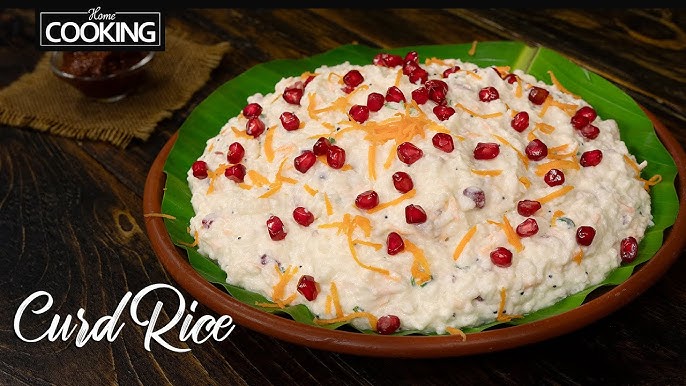
Curd rice recipe is one of the most comforting, cooling, and satisfying dishes we can prepare with simple pantry staples. It is a timeless dish made with cooked rice, curd (yogurt), and a fragrant tempering of spices. Popular for its gentle flavor, creamy texture, and soothing quality, this dish works beautifully as a light meal, side dish, lunchbox option, or even a refreshing dinner.
A well-made curd rice recipe is never bland or flat. The best version is creamy, balanced, lightly seasoned, and finished with a tempering that adds aroma, crunch, and depth. The texture should be soft without becoming pasty, and the taste should be mildly tangy, fresh, and rich. With the right method, we can make restaurant-style curd rice at home that tastes delicious every single time.
This guide covers everything needed to prepare a reliable and flavorful bowl of curd rice, from ingredients to final serving tips.
Ingredients You’ll Need for Curd Rice Recipe
To prepare a balanced and creamy curd rice recipe, we need a few basic ingredients and some optional additions that improve flavor and texture.
Main Ingredients
- 1 cup rice
- 2 ½ to 3 cups water for cooking rice
- 1 to 1 ½ cups curd (plain yogurt)
- ½ cup milk
- Salt to taste
For the Tempering
- 1 to 2 tablespoons oil
- 1 teaspoon mustard seeds
- 1 teaspoon urad dal
- 1 teaspoon chana dal
- 1 to 2 dried red chilies
- 1 green chili, finely chopped
- 1 teaspoon grated ginger
- A few curry leaves
- A pinch of asafoetida (hing)
Optional Add-Ins
- 2 tablespoons grated carrot
- 1 tablespoon chopped coriander leaves
- 1 tablespoon pomegranate seeds
- 1 tablespoon finely chopped cucumber
- 1 tablespoon chopped raw mango in season
- Cashews for added crunch
These ingredients create a curd rice recipe that is soft, cooling, and flavorful without becoming heavy.
Choosing the Best Rice for Curd Rice
A good curd rice recipe starts with properly cooked rice. The rice should be soft and slightly mashable. This helps the curd mix evenly and creates the creamy texture that makes this dish special.
We can use:
- Short-grain rice
- Sona masoori rice
- Regular white rice
- Leftover cooked rice
Freshly cooked rice usually gives the softest texture. Leftover rice also works well if softened slightly before mixing. Avoid rice that is too dry, separate, or undercooked, because it does not blend smoothly with curd.
For best results, the rice should be cooked a little softer than usual.
How to Prepare Rice for the Best Curd Rice Texture
The texture is what separates an average curd rice recipe from a truly satisfying one. We should wash the rice well and cook it with slightly extra water so it becomes soft.
Method for Cooking Rice
- Rinse 1 cup rice two to three times.
- Add the rice to a pot or pressure cooker.
- Pour in 2 ½ to 3 cups water.
- Cook until the rice becomes soft and fully done.
- Once cooked, let it cool slightly.
When the rice is still warm, mash it lightly with the back of a spoon. Do not turn it into a paste. A gentle mash is enough to make the final dish creamy and cohesive.
If the rice is completely cold and dry, add a little warm milk before mixing.
Why Milk Is Important in a Curd Rice Recipe
One detail that improves the dish significantly is milk. Many people skip it, but milk makes the curd rice recipe smoother and helps control sourness. It also prevents the curd from tightening too much, especially if the dish sits for a while.
Adding milk gives the rice a softer, fresher finish. This is especially useful when making curd rice ahead of time or packing it for lunch.
A small amount of milk creates a gentler flavor and better consistency without making the dish watery.
Step-by-Step Guide to Make Curd Rice Recipe
Step 1: Cook the Rice Until Soft
Cook the rice with enough water so the grains turn soft and easy to mash. Once cooked, transfer it to a wide bowl and let it cool until warm. It should not be too hot when curd is added, or the curd may split and lose its fresh taste.
Lightly mash the rice while it is warm. This creates the ideal base for the dish.
Step 2: Add Milk and Salt
Pour ½ cup milk into the warm rice and mix well. Add salt to taste and combine thoroughly.
Milk helps loosen the rice and prepares it for the curd. This step also keeps the final dish soft for longer.
Let the rice cool a little more after mixing the milk.
Step 3: Mix in the Curd
Add 1 to 1 ½ cups fresh curd to the rice. Mix until smooth and creamy.
The amount of curd depends on the consistency we want. For a thicker version, use less curd. For a softer and creamier version, use more. If the curd is very thick, whisk it before adding.
The mixture should not be dry. It should look creamy and easy to scoop.
Step 4: Prepare the Tempering
Heat 1 to 2 tablespoons oil in a small pan. Add the following in order:
- Mustard seeds
- Urad dal
- Chana dal
Let them crackle and turn lightly golden. Then add:
- Dried red chilies
- Green chili
- Grated ginger
- Curry leaves
- A pinch of asafoetida
Sauté briefly until aromatic. Be careful not to burn the spices.
This tempering adds essential flavor, crunch, and fragrance to the curd rice recipe.
Step 5: Pour the Tempering Over the Rice
Immediately pour the hot tempering over the curd rice mixture. Stir well so the spices spread evenly through the bowl.
At this stage, we can also add grated carrot, coriander leaves, or cucumber for extra freshness and color.
The dish is now ready to serve.
How to Balance the Flavor of Curd Rice
A balanced curd rice recipe should taste:
- Creamy
- Mildly tangy
- Lightly salted
- Aromatic from the tempering
If the curd is too sour, add a little more milk. If the dish becomes too thick after resting, stir in a few tablespoons of milk or fresh curd before serving.
Fresh curd gives the best result. Very sour curd can overpower the rice and make the dish sharp rather than soothing.
A touch of ginger and green chili adds brightness without making the dish spicy.
Best Additions to Enhance Curd Rice Recipe
A simple curd rice recipe is excellent on its own, but a few additions can make it more appealing and layered.
Popular Add-Ins
Grated Carrot
Adds sweetness, color, and a slight crunch.
Pomegranate Seeds
Give a fresh pop of sweetness and visual appeal.
Cucumber
Makes the dish cooler and more refreshing.
Coriander Leaves
Bring freshness and a clean finish.
Raw Mango
Adds a bright seasonal tang when available.
Roasted Cashews
Add richness and a pleasant crunch.
These additions should support the dish, not dominate it.
Serving Ideas for Curd Rice
Curd rice recipe is versatile and easy to serve in different ways.
Best Pairings
- Pickle
- Fried green chilies
- Papad
- Potato fry
- Mango pickle
- Lemon pickle
- Vegetable stir-fry
It can be served as:
- A main lunch dish
- A light dinner
- A cooling side dish
- A lunchbox meal
- A comfort food option on warm days
For lunchboxes, make the curd rice slightly looser, since it thickens over time.
Common Mistakes to Avoid in Curd Rice Recipe
Even a simple curd rice recipe can go wrong if the texture or balance is off. These are the most common mistakes to avoid.
Adding Curd to Very Hot Rice
This can affect the flavor and texture. Let the rice cool slightly first.
Using Dry Rice
Curd rice should be soft and creamy, not grainy and stiff.
Skipping Milk
Milk improves consistency and keeps the dish from becoming overly sour.
Using Too Much Sour Curd
Fresh curd gives a cleaner and more balanced taste.
Overloading with Tempering
The spices should enhance the dish, not overpower its mild flavor.
Making It Too Thick
Curd rice continues to absorb moisture as it sits. Keep it slightly loose at first.
How to Store Curd Rice Properly
If we are not serving it immediately, proper storage matters. Keep the curd rice recipe in the refrigerator in an airtight container. Before serving, stir it well and add a little milk or fresh curd if it has thickened.
It is best enjoyed fresh, but it can still taste good later if the consistency is adjusted before eating.
Avoid leaving it out too long in hot weather, because curd can turn too sour quickly.
Variations of Curd Rice Recipe
There are many ways to adjust the classic curd rice recipe while keeping its comforting essence.
South Indian Style Curd Rice
Includes curry leaves, mustard seeds, ginger, green chili, and sometimes pomegranate or grapes.
Temple-Style Curd Rice
Usually softer, simpler, and mildly seasoned.
Lunchbox Curd Rice
Made slightly thinner with extra milk so it stays soft longer.
Vegetable Curd Rice
Includes grated carrot, cucumber, or chopped herbs.
Festive Curd Rice
May include fruits like pomegranate and roasted nuts for color and texture.
Each version keeps the same creamy rice-and-curd base while offering a slightly different finish.
Why This Curd Rice Recipe Works So Well
This curd rice recipe succeeds because it focuses on the details that matter:
- Soft cooked rice
- Fresh curd
- Milk for smoothness
- Balanced salt
- Aromatic tempering
- Optional fresh toppings for texture
The result is a dish that feels simple yet complete. It is easy to prepare, deeply satisfying, and suitable for everyday meals.
FAQs about Curd Rice Recipe
1. What is curd rice?
Curd rice is a simple and comforting dish made with cooked rice, curd (yogurt), and mild seasonings. It is very popular in South Indian cuisine and is often served chilled or at room temperature.
2. What type of rice is best for curd rice?
Soft-cooked white rice works best because it mixes easily with the curd. Short-grain or medium-grain rice is often preferred for a creamy texture.
3. Can we use fresh yogurt for curd rice?
Yes, fresh yogurt is ideal. It gives the dish a smooth, mild, and slightly tangy taste without making it too sour.
4. Why is my curd rice too thick?
Curd rice can thicken as it sits because the rice absorbs moisture. Adding a little milk or more yogurt helps loosen the texture before serving.
5. What is usually added for tempering?
Common tempering ingredients include mustard seeds, curry leaves, green chilies, ginger, and sometimes urad dal or chana dal. This adds flavor and a gentle crunch.
6. Can we add fruits or vegetables?
Yes, many people add grated carrots, cucumber, pomegranate seeds, or grapes for extra freshness, color, and texture.
7. Can curd rice be made ahead of time?
Yes, it can be made ahead, but it may become thicker over time. Stir in a little milk or curd before serving to refresh it.
8. What can we serve with curd rice?
Curd rice goes well with pickle, papad, roasted chilies, or simple vegetable side dishes.
Final Thoughts
A great curd rice recipe is not complicated, but it does require the right method. When the rice is soft, the curd is fresh, and the tempering is fragrant, the dish becomes far more than a basic rice preparation. It turns into a cooling, creamy, and flavorful comfort meal that fits almost any occasion.
With the step-by-step approach above, we can prepare curd rice that is rich in texture, balanced in taste, and consistently delicious. Whether served plain, paired with pickle, or dressed up with fresh toppings, this classic dish remains one of the most reliable and satisfying recipes we can make in our kitchen.