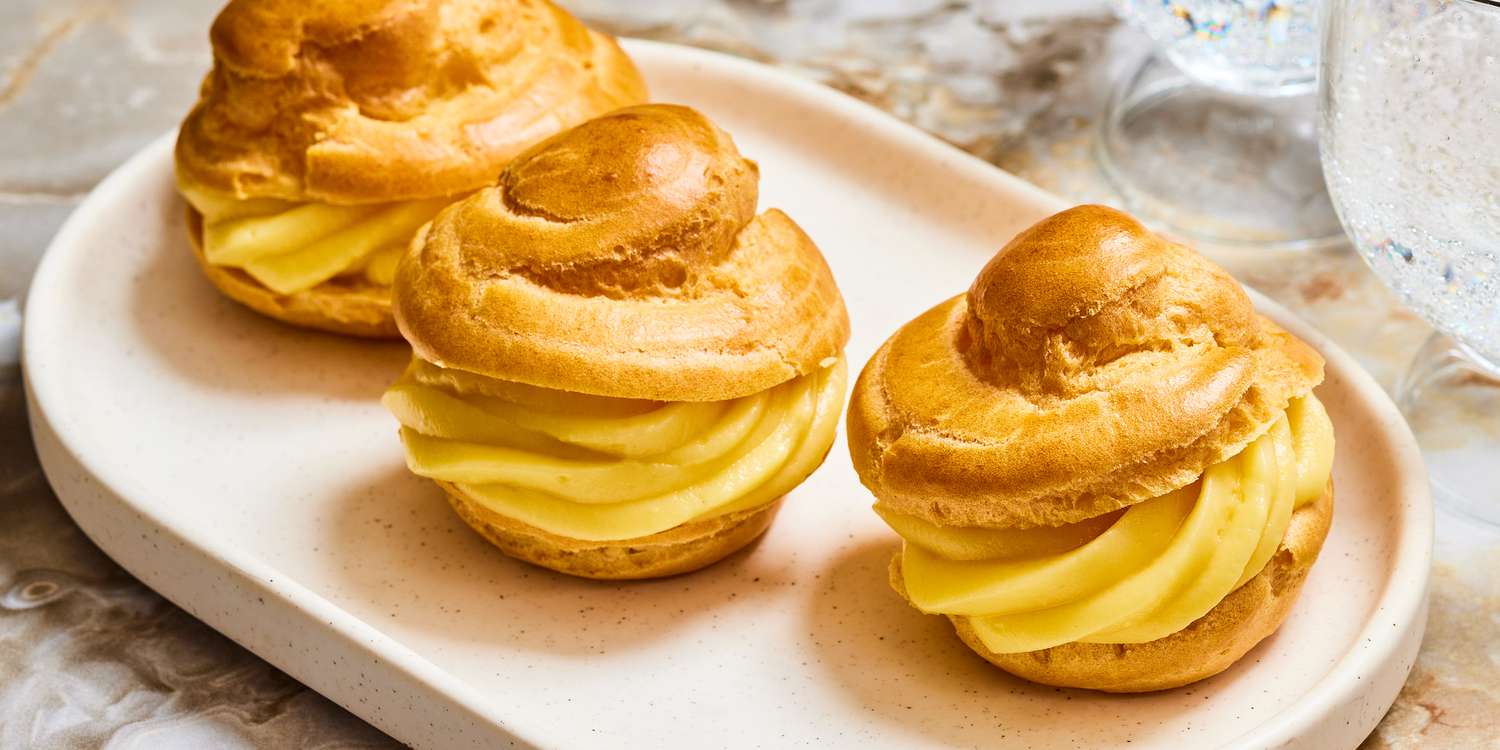
Creme Patissiere Recipe: Crème pâtissière, also known as pastry cream, is one of the most important foundations in classic baking. We use it to fill éclairs, cream puffs, fruit tarts, mille-feuille, doughnuts, and layered desserts. A well-made crème pâtissière should be smooth, rich, silky, and deeply flavorful, with just the right balance of sweetness and structure. It must be thick enough to hold its shape when piped, yet soft enough to melt beautifully on the tongue.
In this complete guide, we will prepare a classic crème pâtissière recipe from scratch with simple ingredients and a reliable method. We will also cover the key techniques that help us avoid lumps, curdling, or a runny texture. Once we master this recipe, we can use it in dozens of elegant desserts with confidence.
What Is Crème Pâtissière?
Crème pâtissière is a thickened custard made from milk, egg yolks, sugar, cornstarch, butter, and vanilla. It is cooked on the stovetop until it becomes creamy and stable. Unlike pouring custard, pastry cream is designed to be firm enough for filling pastries and desserts.
The texture matters greatly. Properly made crème pâtissière should be velvety and glossy, not grainy or stiff. The flavor should be rich with milk, egg yolk, and vanilla, without tasting overly sweet. This balance makes it versatile enough for both simple home baking and more refined pastry work.
Because it is so adaptable, pastry cream is often considered a core technique in baking. Once we know how to make it correctly, we can transform it into chocolate pastry cream, coffee pastry cream, citrus pastry cream, or even lighten it into diplomat cream.
Ingredients You’ll Need for Crème Pâtissière
To make a classic, smooth pastry cream, we need a short list of basic ingredients. Each ingredient plays a precise role, so it is important to use the right quantities and quality.
Main Ingredients
- 500 ml whole milk
- 5 large egg yolks
- 100 g granulated sugar
- 40 g cornstarch
- 30 g unsalted butter
- 1 tablespoon pure vanilla extract or seeds from 1 vanilla bean
- A small pinch of salt
Why These Ingredients Matter
Whole milk gives the pastry cream body and a full, creamy mouthfeel. Lower-fat milk can work, but the result will be less rich.
Egg yolks provide flavor, color, and natural richness. They also help thicken the cream.
Sugar sweetens the custard and supports a smooth texture.
Cornstarch is the main thickener. It helps the pastry cream set properly and reduces the risk of curdling.
Butter adds shine and softness, making the final texture more luxurious.
Vanilla gives pastry cream its classic aroma and warm flavor.
Salt enhances the sweetness and rounds out the taste.
Kitchen Tools for the Best Results
Before we begin, it helps to prepare the right tools. Good preparation makes the cooking process faster and smoother.
Essential Tools
- Medium saucepan
- Mixing bowl
- Whisk
- Fine-mesh sieve
- Heatproof spatula
- Plastic wrap
- Clean bowl or shallow tray
A fine-mesh sieve is especially useful. Even if the pastry cream looks smooth, straining it ensures the final result is extra silky.
How to Make Crème Pâtissière Step by Step
Step 1: Heat the Milk
Pour the whole milk into a medium saucepan. Add the vanilla extract or the seeds and pod of a vanilla bean if using one. Add the pinch of salt. Warm the milk over medium heat until it is hot but not boiling.
We do not want the milk to boil aggressively. A gentle heat is enough. Once we see steam rising and small bubbles around the edge of the pan, the milk is ready. If using a vanilla bean pod, let it infuse for a few minutes for deeper flavor.
Heating the milk first helps it combine more easily with the egg mixture later. It also speeds up the thickening process once everything returns to the stove.
Step 2: Whisk the Egg Yolks, Sugar, and Cornstarch
In a separate bowl, combine the egg yolks and granulated sugar. Whisk immediately until the mixture becomes lighter and smooth. Then add the cornstarch and whisk again until no dry lumps remain.
This step is very important. The mixture should be smooth, thick, and pale. If sugar sits too long on egg yolks without whisking, it can create small grainy spots. So we should whisk as soon as the sugar touches the yolks.
The cornstarch must be fully incorporated before we add the hot milk. A well-mixed base prevents lumps later and helps us achieve a clean, creamy consistency.
Step 3: Temper the Eggs
Now we slowly pour some of the hot milk into the egg mixture while whisking constantly. Start with a small amount, then continue adding more in a thin stream.
This process is called tempering. It gradually raises the temperature of the egg yolks without scrambling them. If we pour all the hot milk in too quickly, the yolks can curdle and ruin the texture.
Once about half the milk has been added and the mixture feels warm, we can pour the egg mixture back into the saucepan with the remaining milk.
Step 4: Cook the Pastry Cream
Return the saucepan to medium heat and whisk constantly. At first, the mixture will seem thin. Then it will begin to thicken. Keep whisking into the corners and across the bottom of the pan so nothing sticks.
As the pastry cream heats, it will change quickly. It will go from liquid to thick custard in a short time. Once it starts bubbling gently, continue cooking and whisking for about 1 to 2 minutes. This extra cooking time is important because it fully activates the cornstarch and removes any starchy taste.
The finished pastry cream should be thick, smooth, and glossy. It should hold lines from the whisk for a moment before settling.
Step 5: Add the Butter
Remove the pan from the heat. Add the unsalted butter and whisk until fully melted and incorporated.
Butter is added at the end to enrich the texture and give the pastry cream a polished finish. It also helps make the cream feel softer once chilled. At this stage, the aroma should be warm, sweet, and deeply comforting.
If the cream seems slightly lumpy, do not worry. The next step will fix that.
Step 6: Strain for a Silky Texture
Pour the hot pastry cream through a fine-mesh sieve into a clean bowl or shallow tray. Use a spatula if needed to help it pass through.
Straining removes any tiny cooked egg bits and guarantees a smooth result. This small step makes a huge difference, especially if we want professional-quality pastry cream for piping into delicate pastries.
Once strained, spread the cream slightly so it cools more evenly.
Step 7: Cover and Chill Properly
Press plastic wrap directly onto the surface of the pastry cream. This prevents a skin from forming. Then refrigerate until fully chilled, usually for at least 2 to 3 hours.
Chilling is essential because pastry cream continues to set as it cools. Once cold, it becomes thicker and easier to pipe or spread. Before using, whisk it briefly to loosen and smooth it again.
Tips for Perfect Crème Pâtissière Every Time
Use Constant Whisking for a Smooth Custard
One of the secrets to perfect pastry cream is constant whisking. We must keep the mixture moving as it cooks. This prevents scorching and helps the custard thicken evenly.
Do Not Undercook the Cream
If pastry cream is removed from the heat too early, it may turn runny after chilling. Once it thickens and bubbles, it still needs another minute or two of cooking. That extra time ensures stability.
Strain Even If It Looks Fine
A sieve might seem optional, but it is one of the easiest ways to improve the final texture. It turns a good pastry cream into an excellent one.
Cool It Quickly
Using a shallow tray rather than a deep bowl helps the pastry cream cool faster. Faster cooling protects texture and freshness.
Common Mistakes to Avoid
Lumpy Pastry Cream
Lumps usually form when the custard is not whisked well enough or when the heat is too high. They can also happen if the cornstarch was not mixed smoothly at the beginning.
Curdled Texture
Curdling happens when the egg yolks cook too fast. To avoid this, always temper the eggs gradually and keep the cooking heat moderate.
Runny Crème Pâtissière
Runny pastry cream often means it was not cooked long enough after thickening. It can also happen if the ingredient ratios were off.
Skin on Top
A skin forms when hot pastry cream is exposed to air. Pressing plastic wrap directly on the surface solves this problem immediately.
How to Use Crème Pâtissière in Desserts
Once our crème pâtissière recipe is chilled, we can use it in many delicious ways.
Popular Uses
- Filling éclairs
- Stuffing cream puffs
- Layering in mille-feuille
- Spreading inside fruit tarts
- Filling doughnuts
- Using in cake layers
- Serving in dessert cups with fruit
Its rich but balanced taste pairs beautifully with strawberries, raspberries, choux pastry, puff pastry, sponge cake, and caramel flavors.
Flavor Variations for Pastry Cream
Once we master the classic version, it becomes easy to create new flavors.
Chocolate Pastry Cream
Add finely chopped dark chocolate to the hot custard after cooking. Stir until melted and smooth.
Coffee Pastry Cream
Infuse the milk with coffee or dissolve espresso powder into the warm milk.
Citrus Pastry Cream
Add lemon or orange zest while heating the milk for a brighter flavor.
Almond Pastry Cream
Replace vanilla with almond extract in a small amount for a nutty, fragrant twist.
These variations keep the same creamy base while offering new dessert possibilities.
How to Store Crème Pâtissière
Store pastry cream in the refrigerator in an airtight container with plastic wrap pressed directly on the surface. It is best used within 2 to 3 days for the freshest flavor and safest texture.
Before using chilled pastry cream, whisk it gently until smooth. If it feels too firm, a few quick strokes with a whisk usually restore its creamy consistency.
Freezing is not ideal because it can damage the texture and make the cream watery after thawing.
Why This Crème Pâtissière Recipe Works
This recipe works so well because it balances richness, sweetness, and structure. The egg yolks create depth, the milk gives softness, the cornstarch provides stability, and the butter finishes everything with a smooth sheen.
The method also matters. Heating the milk carefully, tempering the yolks slowly, whisking constantly, cooking fully, and chilling correctly all work together to produce a pastry cream that is reliable and elegant.
When done properly, crème pâtissière is far more than a filling. It becomes the creamy heart of many of the world’s most beloved pastries.
FAQs about Crème Pâtissière Recipe
1. What is crème pâtissière?
Crème pâtissière, also called pastry cream, is a rich, smooth custard used in many desserts. We often use it to fill éclairs, cream puffs, fruit tarts, doughnuts, and cakes.
2. What ingredients are needed for crème pâtissière?
The main ingredients are milk, egg yolks, sugar, cornstarch, butter, and vanilla. Some recipes also add flour or cream for a slightly different texture.
3. Why did my crème pâtissière turn lumpy?
Lumps usually happen when the custard cooks too fast or is not whisked well. To fix it, whisk vigorously or pass it through a fine sieve while still warm.
4. How do we know when pastry cream is ready?
It is ready when it thickens and becomes smooth enough to coat the spoon. After boiling briefly, it should hold its shape but still look creamy.
5. Can crème pâtissière be made ahead of time?
Yes, it can. We can make it a day or two in advance and store it in the refrigerator with plastic wrap pressed directly onto the surface.
6. How long does crème pâtissière last?
It usually lasts for up to 3 days in the fridge. However, it should always be kept chilled and used as fresh as possible.
7. Can we freeze crème pâtissière?
Freezing is not ideal because the texture may become grainy or watery after thawing. Freshly made pastry cream gives the best result.
8. What is the difference between crème pâtissière and custard?
Crème pâtissière is a thicker type of custard. It contains starch, which makes it firm enough for dessert fillings.
Final Thoughts
A great crème pâtissière recipe is one of the most valuable baking skills we can learn. It looks simple, yet it teaches precision, patience, and control. Once we understand the process, we gain a dependable base for countless pastries and desserts.
This classic pastry cream delivers everything we want: smooth texture, rich vanilla flavor, stable consistency, and beautiful versatility. Whether we are filling éclairs, layering a tart, or building a more advanced dessert, this recipe gives us a professional-quality result from ordinary kitchen ingredients.
With the right method and a little care, we can make homemade crème pâtissière that is every bit as luxurious as the kind found in a pastry shop.