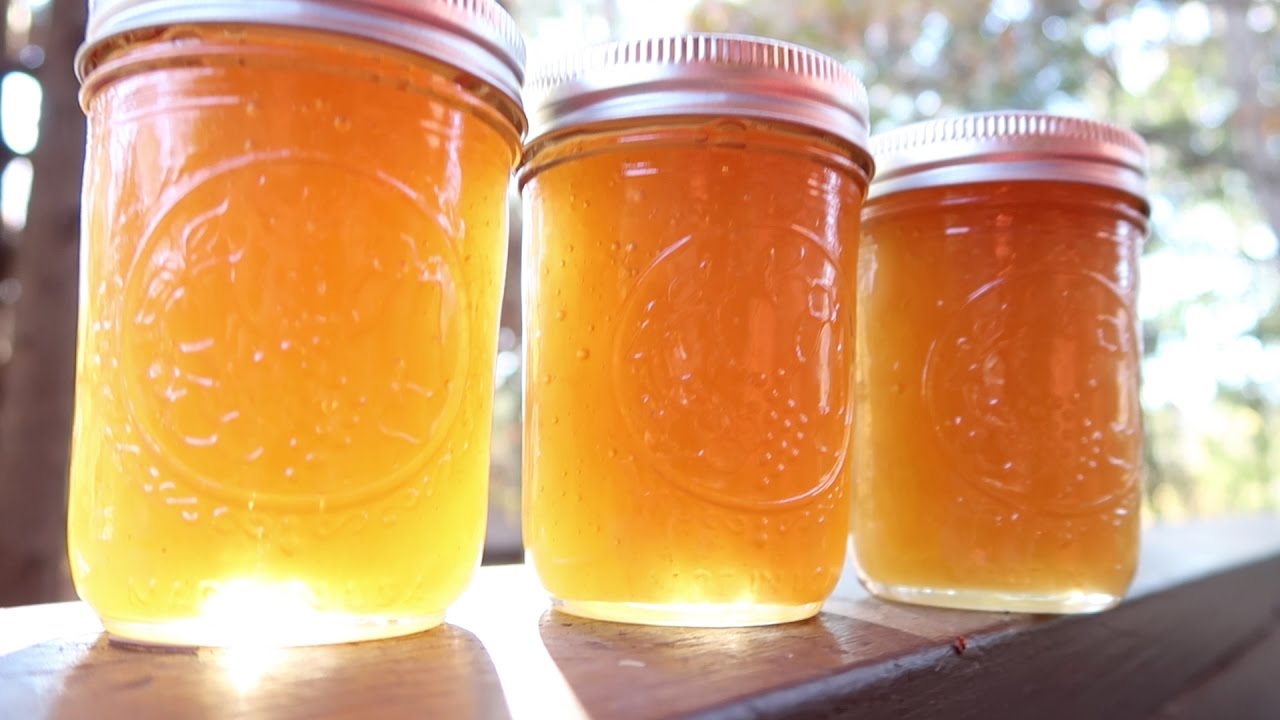
Creamed Honey Recipe: Creamed honey, also known as whipped honey or set honey, is a luxuriously smooth, spreadable form of honey with a rich, velvety texture. Unlike liquid honey, which can crystallize unevenly over time, creamed honey is intentionally crystallized under controlled conditions to produce a fine, uniform consistency that spreads effortlessly on bread, toast, and pastries.
We create this delicacy by carefully managing the crystallization process, ensuring that the sugar crystals remain small, stable, and creamy rather than coarse or gritty. The result is a premium honey product that is not only visually appealing but also enhances flavor and usability.
What Makes Creamed Honey Unique
Creamed honey stands apart from regular honey due to its texture, stability, and ease of use. While raw honey naturally crystallizes over time, it often forms large, uneven crystals. Creamed honey, however, is crafted to achieve:
- Smooth and spreadable consistency
- Uniform fine crystals
- Enhanced shelf stability
- No dripping or mess during use
This makes it ideal for both everyday consumption and gourmet applications.
Ingredients You’ll Need
To produce high-quality creamed honey, we use minimal ingredients, focusing on purity and technique.
Essential Ingredients
- 2 cups raw liquid honey (preferably unprocessed and pure)
- 1/4 cup starter creamed honey (finely crystallized honey)
Optional Additions (for flavor variations)
- Cinnamon powder
- Vanilla extract
- Lemon zest
- Ginger powder
The starter honey is crucial, as it acts as a seed, guiding the crystallization process to ensure a fine texture.
Equipment Required
To achieve consistent results, we recommend using:
- Glass jar or airtight container
- Mixing bowl
- Spatula or spoon
- Thermometer (optional for precision)
- Cool storage space (10–14°C / 50–57°F)
Maintaining the right environment is essential for proper crystallization.
Step-by-Step Guide to Making Creamed Honey
Step 1: Select High-Quality Honey
We begin with pure, raw honey that has not been overheated or excessively filtered. This ensures the preservation of natural enzymes and flavor.
If the honey is already crystallized, gently warm it using a water bath until it becomes liquid. Avoid overheating, as this can damage its natural properties.
Step 2: Prepare the Starter Culture
The starter honey must have fine crystals, as it determines the final texture. If unavailable, we can use previously made creamed honey or purchase a high-quality version.
Ensure the starter is at room temperature before mixing.
Step 3: Combine Honey and Starter
In a clean mixing bowl:
- Add the liquid honey
- Introduce the starter honey
Stir slowly and consistently to ensure even distribution. Avoid vigorous mixing, as it can introduce air bubbles.
Step 4: Mix Thoroughly
We gently fold the mixture until the starter is fully incorporated. The goal is to distribute the fine crystals evenly throughout the liquid honey.
This step is critical, as it determines the uniformity of crystallization.
Step 5: Transfer to Storage Container
Pour the mixture into a clean, airtight jar. Seal tightly to prevent moisture contamination.
Ensure the container is filled properly, leaving minimal air space.
Step 6: Control the Crystallization Process
Place the jar in a cool environment (ideally 10–14°C). This temperature range promotes slow, controlled crystallization, resulting in a smooth texture.
Avoid fluctuations in temperature, as inconsistency can lead to coarse crystals.
Step 7: Allow to Set
Leave the honey undisturbed for 5 to 10 days. During this time, the crystallization process will transform the mixture into a creamy, spreadable consistency.
Do not stir or move the jar excessively during this period.
Step 8: Check Consistency and Store
Once fully set, the honey should appear:
- Opaque and pale
- Smooth and firm
- Easy to spread
Store at room temperature or slightly cool conditions to maintain texture.
Pro Tips for Perfect Creamed Honey
To achieve professional-quality results, we follow these expert techniques:
- Use finely crystallized starter honey for best texture
- Maintain consistent cool temperature during setting
- Avoid overheating the honey, which destroys natural structure
- Keep equipment clean and dry to prevent fermentation
- Do not rush the process, as slow crystallization yields better results
Flavor Variations for Creamed Honey
We can elevate creamed honey by incorporating natural flavors:
Cinnamon Creamed Honey
Add 1 teaspoon cinnamon during mixing for a warm, spiced profile.
Vanilla Infused Honey
Mix in a few drops of vanilla extract for a subtle, aromatic sweetness.
Citrus Honey Blend
Include lemon or orange zest to introduce a refreshing twist.
Ginger Honey Spread
Add a pinch of ginger powder for a bold, slightly spicy flavor.
Each variation enhances versatility and appeal.
Best Uses for Creamed Honey
Creamed honey is highly versatile and enhances a wide range of foods:
- Spread on toast, bread, or bagels
- Paired with pancakes and waffles
- Used as a topping for yogurt or oatmeal
- Incorporated into desserts and pastries
- Served alongside cheese boards
Its non-drip texture makes it ideal for clean, elegant presentation.
Storage and Shelf Life
Proper storage ensures long-lasting quality:
- Store in a cool, dry place
- Avoid exposure to direct sunlight
- Keep container airtight
Creamed honey can last several months to years without spoiling, thanks to honey’s natural preservation properties.
Common Mistakes to Avoid
To maintain high standards, we avoid the following errors:
- Using poor-quality honey, which affects flavor and texture
- Skipping the starter culture, leading to uneven crystallization
- Storing at incorrect temperatures, causing coarse crystals
- Introducing moisture, which may lead to fermentation
Precision and patience are key to success.
Health Benefits of Creamed Honey
Creamed honey retains all the natural benefits of raw honey:
- Rich in antioxidants
- Supports immune health
- Provides natural energy
- Contains antibacterial properties
It offers both nutritional value and culinary excellence.
FAQs about Creamed Honey Recipe
1. What is creamed honey?
Creamed honey is honey that has been controlled during crystallization so it becomes smooth, thick, and spreadable instead of hard or grainy. It is also sometimes called whipped honey or spun honey.
2. Is creamed honey the same as whipped honey?
Often, yes. The names are sometimes used interchangeably, though some recipes may whip the honey more for a lighter texture. In general, both refer to a soft, spreadable honey.
3. Does creamed honey contain dairy or cream?
No. Despite the name, creamed honey does not usually contain cream or any dairy. The word “creamed” describes its texture, not its ingredients.
4. Why does honey turn creamy?
Honey becomes creamy when it crystallizes in a controlled way. Small crystals form evenly throughout the honey, creating a smooth texture instead of large, rough crystals.
5. How do I keep creamed honey from getting grainy?
Store it in a cool, stable place and make sure the honey is mixed well if you are making it at home. Using a smooth starter honey also helps create finer crystals.
6. What can I eat creamed honey with?
It tastes great on toast, biscuits, pancakes, waffles, muffins, and crackers. Some people also stir it into tea or spread it on fruit slices.
7. Does creamed honey need refrigeration?
No, it usually does not need refrigeration. In fact, refrigeration can sometimes make it harder and less spreadable.
8. How should I store creamed honey?
Store it in a sealed jar at room temperature or in a cool pantry. Keep it away from heat and moisture for the best texture.
Conclusion
By mastering the process of controlled crystallization, we transform simple honey into a premium, smooth, and spreadable delicacy. With the right ingredients, precise technique, and patience, creamed honey becomes a staple that enhances both everyday meals and gourmet creations.
This method ensures a consistent, high-quality result that rivals commercial products while preserving the authenticity and richness of natural honey.