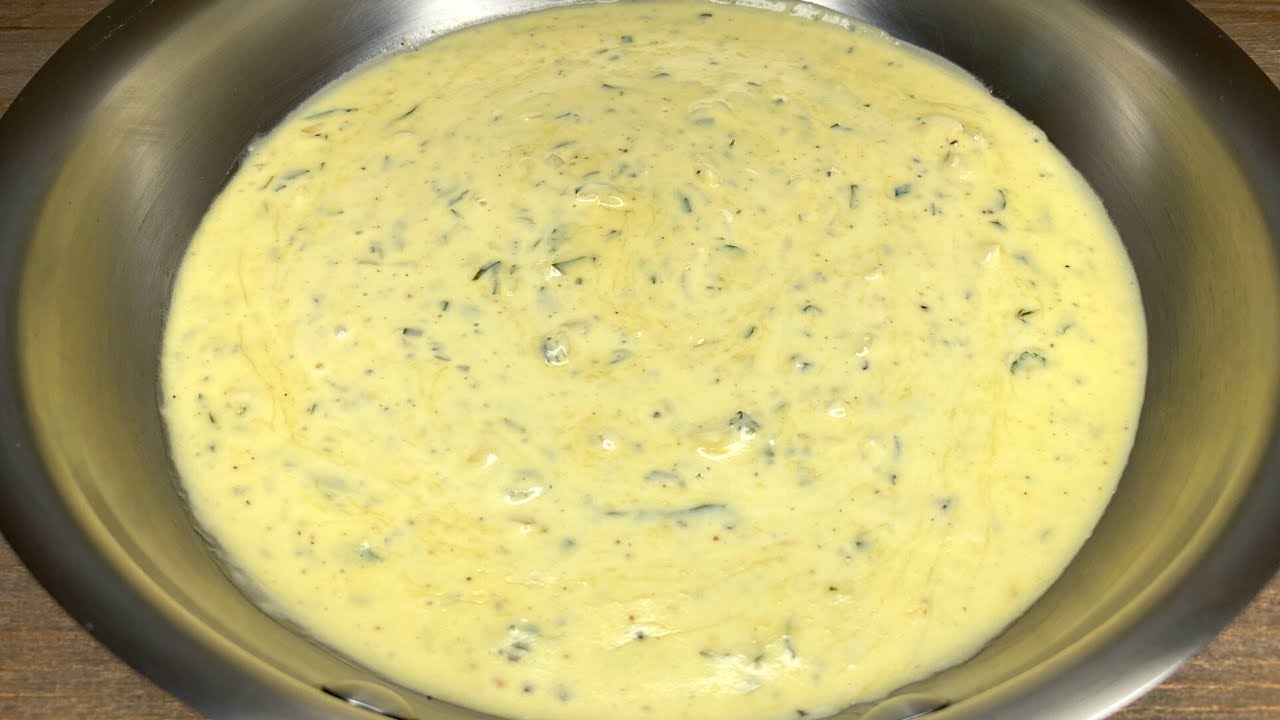
Cream Sauce Recipe: There’s something undeniably comforting about a rich, velvety cream sauce. Whether you’re cooking a romantic dinner or prepping a cozy family meal, cream sauce adds that luxurious, restaurant-style touch to just about any dish. It’s incredibly versatile, quick to make, and pairs beautifully with pasta, chicken, seafood, or even vegetables.
The best part? You don’t need to be a professional chef to master it. With just a few ingredients and some simple techniques, you’ll be whipping up the perfect sauce in under 20 minutes. This guide will walk you through everything — from the essential ingredients to pro tips that ensure your sauce turns out creamy and flavorful every time. Ready to bring your cooking game to the next level? Let’s dive in.
List of Ingredients You’ll Need
Basic Ingredients
Let’s start with the essentials. These are the core ingredients for a traditional cream sauce:
- Butter (2 tbsp) – Provides richness and is the base for sautéing garlic or onion.
- Heavy Cream (1 cup) – The star of the show; gives the sauce its creamy texture.
- Garlic (2 cloves, minced) – Adds depth and a hint of spice.
- Salt (½ tsp) – Enhances flavor.
- Black Pepper (¼ tsp) – A subtle kick to balance the richness.
Optional Add-Ins for Flavor Variations
Want to upgrade your sauce? Try these optional ingredients:
- Parmesan Cheese (¼ cup, grated) – Adds saltiness and extra richness.
- Chicken Broth (¼ cup) – Lightens up the sauce and adds umami.
- Onion (¼ cup, finely diced) – Brings sweetness and body.
- Nutmeg (a pinch) – Classic in cream sauces for a warm, earthy flavor.
- Fresh Herbs (parsley, thyme, basil) – Finish with chopped herbs for freshness.
- White Wine (¼ cup) – Adds acidity and complexity.
- Lemon Zest (½ tsp) – Brightens up the sauce.
Tools You’ll Need
Before you get started, gather your tools:
- Medium Saucepan – Even heating is key.
- Whisk – Helps combine ingredients smoothly.
- Measuring Cups/Spoons – For accuracy.
Once you’ve got everything on hand, it’s time to start cooking!
Step-by-Step Guide to Making Cream Sauce
A classic cream sauce is smooth, rich, and surprisingly easy when you follow the right steps. Here’s how to get it perfect every time.
Step 1: Prep Your Ingredients
Measure all ingredients before you start. Mince garlic, grate cheese, and keep cream at room temperature. Prepping ahead keeps the process smooth and prevents mistakes once cooking begins.
Step 2: Melt the Butter
Place a saucepan over medium-low heat and add butter. Let it melt slowly without browning. Butter burns quickly on high heat, so patience here ensures a clean, rich base for the sauce.
Step 3: Sauté Garlic (and Onion, if Used)
Add minced garlic (and finely chopped onion if desired). Sauté gently for 30–60 seconds until fragrant. This step releases flavor—burnt garlic will make the sauce bitter, so keep the heat controlled.
Step 4: Add Heavy Cream Slowly
Pour in heavy cream gradually while stirring constantly. This slow addition helps prevent curdling. Use a wooden spoon or whisk and keep the heat low to maintain a silky consistency.
Step 5: Simmer Until Thickened
Let the sauce simmer gently for 5–8 minutes. Stir occasionally. The sauce is ready when it lightly coats the back of a spoon and leaves a clean line when you run a finger through it.
Step 6: Add Seasonings and Cheese
Season with salt, black pepper, and a pinch of nutmeg. Add grated cheese gradually, stirring until fully melted. Always remove from direct heat before adding cheese to avoid separation.
Step 7: Final Adjustments
Taste and adjust seasoning as needed. Add fresh herbs like parsley or thyme, or a touch of lemon zest to brighten the flavor and balance the richness.
Step 8: Serve Immediately
Cream sauce pairs well with pasta, chicken, vegetables, or seafood. If not serving right away, keep it warm on very low heat and stir occasionally to maintain smoothness.
Tips for Perfect Cream Sauce Every Time
Mastering cream sauce is all about the little things. Here are some expert tips that can make a big difference:
- Use room temperature cream – This helps it blend better and reduces the risk of curdling.
- Whisk constantly – This keeps the texture smooth and prevents scorching.
- Don’t let it boil – Keep the heat low to medium to maintain a creamy consistency.
- Use fresh ingredients – Fresh garlic, cream, and cheese will always taste better.
- Taste as you go – Adjusting seasoning gradually gives you control over the final flavor.
Make these practices a habit and your cream sauce will turn out perfect every single time.
Common Mistakes to Avoid
Even experienced cooks can mess up a cream sauce if they’re not careful. Here are the top mistakes to avoid:
- Overheating the cream – High heat can cause separation or burning. Always simmer gently.
- Using low-fat dairy – Low-fat milk or cream substitutes can lead to a thin or curdled sauce.
- Adding cheese too early – It should go in after the cream is hot and slightly thickened.
- Neglecting to stir – This leads to uneven cooking and possible burning at the bottom of the pan.
- Not tasting the sauce – You might forget to season enough, or go overboard. Taste as you go.
Avoiding these pitfalls ensures you end up with a silky, flavorful sauce every time.
Storage and Reheating Tips
If you’ve got leftover cream sauce, don’t worry — you can store it and reheat it with great results if done properly.
To store:
- Let the sauce cool completely.
- Transfer it to an airtight container.
- Store in the fridge for up to 3 days.
To reheat:
- Warm the sauce gently in a saucepan over low heat.
- Add a splash of cream, milk, or broth to bring back the smooth consistency.
- Whisk constantly while reheating to prevent separation.
Never reheat over high heat or in the microwave without stirring — that’s the fastest way to ruin the texture.
Flavor Variations to Try
Want to mix things up? Try one of these tasty variations:
Cheesy Garlic Cream Sauce
- Add ½ cup of grated Parmesan and a little mozzarella.
- Double the garlic for a bold kick.
- Great with gnocchi or roasted vegetables.
Lemon Herb Cream Sauce
- Stir in 1 tsp of lemon zest and 2 tbsp of fresh chopped parsley or basil.
- Adds a light, bright flavor perfect for fish or chicken.
Mushroom Cream Sauce
- Sauté 1 cup of sliced mushrooms before adding the cream.
- Use thyme or rosemary for an earthy twist.
- Pairs well with steak or pasta.
White Wine Cream Sauce
- Add ¼ cup of dry white wine before the cream and let it reduce.
- Gives the sauce an elegant, tangy depth.
- Excellent with seafood or scallops.
These versions keep things interesting and are easy to pull off once you master the base recipe.
Vegan/Dairy-Free Alternatives
You don’t have to give up creamy sauces if you’re avoiding dairy. With the right substitutes, you can make a vegan cream sauce that’s just as rich, flavorful, and satisfying as the traditional version.
Plant-Based Swaps for Cream and Butter:
- Coconut Milk or Cream – Thick and creamy with a slightly sweet flavor. Great for Asian-inspired dishes or when you want a tropical twist.
- Cashew Cream – Made by soaking cashews and blending them with water. It creates a smooth, neutral-tasting base that’s perfect for savory cream sauces.
- Oat Cream or Almond Cream – Store-bought versions are increasingly popular and offer a lighter option with a mild taste.
- Olive Oil or Vegan Butter – For sautéing garlic or onions, use extra virgin olive oil or a good-quality plant-based butter.
Flavor Enhancers:
- Nutritional Yeast – Adds a cheesy, nutty flavor that mimics Parmesan.
- Garlic and Onion – As always, these build flavor from the ground up.
- Lemon Juice or Vinegar – A splash of acidity balances richness and adds brightness.
With these swaps, you can whip up a dairy-free cream sauce that works with pasta, rice, veggies, or even vegan protein sources like tofu or seitan. Don’t forget to season generously — plant-based creams can be a bit blander on their own.
What to Serve With Cream Sauce
This versatile sauce is like the ultimate team player — it goes with just about everything. Whether you want comfort food or something elegant, cream sauce delivers.
Pasta Dishes
- Fettuccine Alfredo
- Penne with mushrooms and spinach
- Tortellini tossed in garlic cream
Pasta is the classic pairing, and for good reason. The sauce clings to noodles beautifully, especially wide ones like pappardelle or tagliatelle.
Grilled Chicken or Seafood
- Grilled or baked chicken breast with herb cream sauce
- Seared salmon with lemon cream drizzle
- Shrimp over linguine with garlic cream
Protein + cream = a match made in heaven. The sauce adds moisture and flavor to lean meats and seafood.
Vegetables
- Roasted cauliflower or broccoli with cheesy cream sauce
- Creamy spinach or kale sauté
- Asparagus with lemon herb cream
Vegetables become the star of the plate when paired with cream sauce. Great for picky eaters or anyone wanting to elevate a side dish.
Rice and Risotto
- Creamy mushroom risotto
- Cream-sauced wild rice bowls
- Chicken and rice with garlic cream
Add richness and texture to rice dishes, especially when paired with earthy ingredients like mushrooms or leeks.
Healthier Cream Sauce Options
Love cream sauce but want to keep it light? Here’s how to enjoy it without overdoing the richness or calories.
Swap Heavy Cream:
- Use Half-and-Half – Still creamy, but with less fat.
- Greek Yogurt (plain, full-fat) – Adds tang and protein, best when stirred in at the end to avoid curdling.
- Evaporated Milk – Thicker than regular milk, but lower in fat than cream.
Replace Butter:
- Use olive oil or light margarine as a healthier fat base.
Add Veggies:
- Blend cooked cauliflower or zucchini into the cream for added fiber and nutrients.
Keep Portion Size in Mind:
- A little cream sauce goes a long way. Pair with lots of vegetables and lean proteins to balance your meal.
These tweaks help you enjoy the comfort of cream sauce without the heaviness, so you can feel good about every bite.
FAQs about Cream Sauce Recipe
1. Can I freeze cream sauce?
Cream-based sauces don’t freeze very well because the dairy can separate when thawed. It’s best to make it fresh or store in the fridge for up to 3 days.
2. Why did my cream sauce split?
This usually happens when the heat is too high. Always cook your sauce on low to medium heat, and avoid boiling once the cream is added.
3. What cheese works best for creamy sauces?
Parmesan is a go-to, but Romano, Gruyère, or cream cheese can also work depending on the flavor profile you’re going for.
4. Can I make cream sauce ahead of time?
Yes! Just store it in an airtight container in the fridge. When reheating, warm it gently on the stove with a splash of cream or milk to bring it back to the right texture.
5. How do I thicken my sauce if it’s too runny?
Simmer a bit longer to reduce it naturally, or stir in a bit of grated cheese. You can also make a quick slurry with flour or cornstarch and whisk it in.
Conclusion
And there you have it — a foolproof, delicious, and versatile cream sauce recipe that you can master at home. Whether you’re cooking a romantic pasta dinner, dressing up leftovers, or exploring new flavors with creative variations, this sauce is your ticket to next-level meals.
The beauty of cream sauce is in its simplicity. With just a few ingredients and a little patience, you can whip up something that feels luxurious and tastes like it came from a fancy restaurant. Once you get the basic technique down, the possibilities are endless.
So the next time you’re wondering what to make for dinner, remember: when in doubt, make a cream sauce.