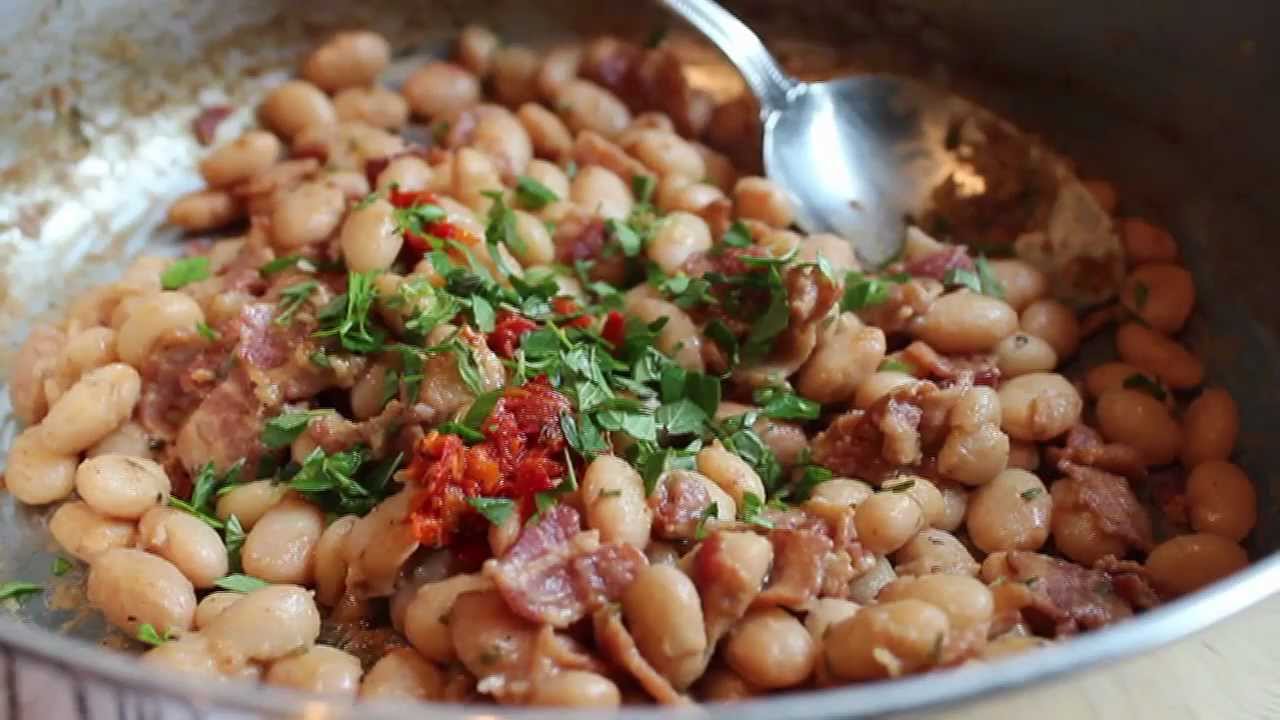
Cranberry Beans Recipe: Cooking cranberry beans doesn’t have to be complicated. In fact, this humble legume can be turned into something extraordinary with just a few fresh ingredients, the right technique, and a bit of love. Whether you’re looking for a hearty side dish, a meatless main, or a flavorful base for soup, this cranberry beans recipe has got you covered.
Let’s dive into a detailed, easy-to-follow guide that makes this nutritious bean the star of your kitchen.
Introduction to Cranberry Beans
If you’re new to cranberry beans, you might be wondering what makes them so special. These beans are beautiful—think creamy beige with splashes of crimson red—and they bring both visual appeal and a rich, nutty flavor to any dish.
Native to South America, cranberry beans have traveled the globe and become beloved in Italian, Portuguese, and Spanish cuisine. Whether cooked simply with olive oil and garlic or simmered in soups and stews, cranberry beans deliver creamy, hearty satisfaction.
What Are Cranberry Beans?
Cranberry beans, also known as borlotti beans, are a type of legume in the same family as kidney beans and black beans. Their vibrant speckled pattern is eye-catching when raw, although the color fades when cooked. Don’t let that fool you—their flavor only intensifies with heat, delivering a mild, chestnut-like taste and a buttery texture.
These beans are incredibly versatile. You can boil, sauté, mash, or even puree them. They soak up spices and herbs like a sponge, making them an ideal base for many different cuisines.
Health Benefits of Cranberry Beans
Besides their tasty profile, cranberry beans offer several health benefits that make them a smart choice for any diet:
- High in Protein: A great source of plant-based protein, ideal for vegetarians and vegans.
- Rich in Fiber: Helps digestion and supports heart health.
- Low in Fat: Naturally low in fat and cholesterol-free.
- Packed with Nutrients: Contains iron, magnesium, potassium, and folate.
Adding cranberry beans to your diet is a simple way to fuel your body and stay full longer.
Why You’ll Love This Recipe
Here’s why this cranberry beans recipe deserves a spot in your weekly meal plan:
- Budget-Friendly: Beans are one of the most affordable protein sources.
- Customizable: From herbs and spices to add-ins like veggies and meats, you can personalize the dish.
- Easy to Make: The step-by-step guide ensures even beginners can master it.
- Meal Prep Friendly: Perfect for batch cooking and storing for later use.
Once you try it, you’ll keep coming back for more.
List of Ingredients You’ll Need
Basic Ingredients:
- 1 lb dried cranberry beans (or 3 cups fresh, shelled)
- 1 small onion, finely chopped
- 2 cloves garlic, minced
- 1 carrot, diced
- 1 celery stalk, diced
- 2 tablespoons olive oil
- 4 cups vegetable or chicken broth (plus extra water if needed)
- 1 bay leaf
- 1 teaspoon salt (adjust to taste)
- ½ teaspoon black pepper
- Fresh parsley for garnish
Fresh vs. Dried Cranberry Beans
- Fresh Beans: Cook faster, no soaking required. Simply rinse and simmer.
- Dried Beans: Require soaking (overnight or quick soak method), but store longer and are more budget-friendly.
Optional Add-Ins:
- ½ teaspoon smoked paprika
- 1 teaspoon dried thyme or rosemary
- 1 diced tomato
- A squeeze of lemon juice for brightness
- Parmesan rind for added depth
Kitchen Tools Required
To keep things simple, gather these basic tools:
- Large pot or Dutch oven
- Colander for rinsing beans
- Wooden spoon for stirring
- Measuring cups and spoons
- Cutting board and knife
Optional: Slow cooker or Instant Pot if you prefer hands-off cooking.
How to Prepare Cranberry Beans – Step-by-Step Guide
Let’s walk through each step to make these beans truly shine.
Step 1: Rinse and Sort the Beans
Start by inspecting your beans. Spread them on a tray and remove any stones or debris. Then rinse under cold water thoroughly.
Why it matters: Skipping this step might result in an unpleasant bite—or worse—a cracked tooth.
Step 2: Soak the Beans (Optional for Fresh Beans)
If using dried beans, soak them in a large bowl with 4–5 cups of water for at least 6 hours or overnight. For a quicker option, use the “quick soak” method: boil for 2 minutes, turn off the heat, and let them sit for an hour.
Pro Tip: Discard the soaking water and rinse again to reduce gas-causing compounds.
Step 3: Sauté Aromatics
Heat olive oil in a large pot over medium heat. Add chopped onion, carrot, and celery. Cook until soft, about 5–7 minutes. Add garlic and cook for 1 more minute.
This is the flavor base—don’t rush it. Take your time to build a rich foundation.
Step 4: Add Beans and Simmer
Drain your soaked beans and add them to the pot. Pour in broth, add bay leaf, and bring to a gentle boil.
Once boiling, reduce the heat and let the beans simmer uncovered for 45–60 minutes (or 25–30 minutes for fresh beans).
Step 5: Season and Cook Until Tender
Add salt and pepper about halfway through cooking. Taste and adjust as needed. You’ll know the beans are ready when they’re creamy and tender but not falling apart.
Step 6: Adjust Texture and Flavor
Want a creamier consistency? Use a wooden spoon to mash a few beans against the side of the pot, or use an immersion blender for a few quick pulses.
Now’s also the time to stir in any optional add-ins like herbs, lemon juice, or a Parmesan rind.
Step 7: Serving Suggestions
Cranberry beans are super flexible! Serve them:
- Over rice or quinoa
- With crusty bread
- As a hearty soup base
- Topped with sautéed greens
- Alongside grilled meats
Garnish with fresh parsley or a drizzle of olive oil for an extra pop.
Flavor Variations to Try
Once you’ve mastered the base recipe, it’s time to experiment. Cranberry beans are like a blank canvas—they soak up whatever flavor you throw at them.
Here are a few mouthwatering variations to try:
- Tuscan Style: Add diced tomatoes, rosemary, and a Parmesan rind while simmering. Finish with a drizzle of extra virgin olive oil and a handful of fresh basil.
- Spicy Mexican-Inspired: Add cumin, smoked paprika, chili powder, and a jalapeño. Serve with lime juice and chopped cilantro.
- Portuguese Flare: Toss in chorizo slices, paprika, and a splash of red wine vinegar for a rich and smoky twist.
- Indian-Style Masala Beans: Use turmeric, garam masala, cumin seeds, and ginger. Add coconut milk for a creamy finish.
- Creamy Vegan Stew: Add coconut cream or cashew cream at the end. Stir in kale or spinach for color and nutrients.
Try new combos every time to keep it exciting. These variations are perfect for turning leftovers into an entirely new meal.
Tips for Perfect Cranberry Beans
Even though this is a simple recipe, a few expert tips can really elevate your final dish.
Use these tried-and-true tips:
- Soaking Isn’t Always Necessary: Fresh beans don’t need soaking. Dried beans benefit from soaking for even cooking and quicker cooking times.
- Don’t Add Salt Too Early: Salt too soon, and the beans may take longer to soften. Add it once the beans begin to soften naturally.
- Simmer Gently: A rolling boil will break the beans apart. Keep the heat low and the simmer gentle for the best texture.
- Flavor as You Go: Taste throughout the process. Beans absorb flavor slowly, so layering your seasoning matters.
- Use Broth Instead of Water: This simple switch adds layers of flavor without effort.
Getting beans just right is a bit like making a perfect cup of tea—it takes patience, timing, and good ingredients.
Common Mistakes to Avoid
If your beans ever come out too hard, too mushy, or bland, chances are one of these common mistakes snuck in:
- Skipping the Soak (for Dried Beans): Soaking helps soften and prepare the beans for even cooking. Skipping it can lead to hard centers.
- Overcooking: Once beans become mushy, there’s no going back. Check frequently toward the end.
- Boiling Instead of Simmering: High heat = broken beans. Keep it low and slow.
- Not Enough Liquid: Always have extra broth or water on hand. Beans absorb a surprising amount as they cook.
- Forgetting the Final Seasoning: Always taste and season right before serving—it makes all the difference.
Avoid these, and your beans will come out restaurant-worthy every time.
How to Store Leftover Cranberry Beans
Cooked cranberry beans store beautifully. You can make a big batch and enjoy them all week long.
To store properly:
- Refrigerator: Store in an airtight container with enough cooking liquid to keep them moist. They’ll stay fresh for up to 5 days.
- Don’t leave out too long: Always cool them and get them into the fridge within 2 hours to avoid spoilage.
- Use glass containers if possible: They keep the flavor fresh and avoid plastic odor.
Beans tend to thicken as they sit, so you may need to add a splash of water or broth when reheating.
How to Freeze and Reheat
Freezing cranberry beans is a great way to meal prep for busy weeks.
Here’s how to freeze them:
- Let the beans cool completely.
- Portion them into freezer-safe containers or zip-top bags.
- Add some of the cooking liquid to each portion.
- Label with date and contents.
- Freeze for up to 3 months.
Reheating Tips:
- Microwave: Reheat in a microwave-safe dish with a splash of water. Cover loosely and microwave in 1-minute bursts, stirring in between.
- Stovetop: Add beans and liquid to a saucepan, cover, and heat over low until warmed through.
Frozen cranberry beans are perfect for fast lunches or quick dinners!
Serving Ideas and Pairings
Not sure what to serve with cranberry beans? You’re in luck. These beans are incredibly versatile and play well with many other dishes.
Here are some great pairings:
- Grains: Serve over rice, quinoa, farro, or couscous.
- Meat: Perfect alongside grilled chicken, steak, sausage, or pork chops.
- Greens: Try sautéed spinach, kale, Swiss chard, or collard greens on the side.
- Bread: Crusty sourdough, garlic bread, or cornbread all make great dipping options.
- Soup: Turn leftovers into a rich bean soup with added broth and vegetables.
- Salads: Add beans to your favorite salad for a protein boost.
Think of cranberry beans as a hearty base that can anchor a full meal or add depth to lighter dishes.
FAQs about Cranberry Beans Recipe
1. Do cranberry beans need to be soaked before cooking?
If you’re using dried cranberry beans, soaking them is recommended but not required. It reduces cooking time and improves digestibility. Fresh beans don’t need soaking.
2. Can I use canned cranberry beans instead?
Yes! Canned cranberry beans are a convenient shortcut. Just rinse them before use and reduce cooking time, as they’re already cooked.
3. What do cranberry beans taste like?
They have a mild, nutty, and slightly sweet flavor with a creamy, buttery texture—kind of like a cross between pinto beans and chestnuts.
4. Are cranberry beans and borlotti beans the same?
Yes, they’re the same bean! “Cranberry” is the American name, while “Borlotti” is the Italian term.
5. Can I cook cranberry beans in a slow cooker or Instant Pot?
Absolutely. In a slow cooker, cook soaked beans on low for 6–8 hours. In an Instant Pot, pressure cook for about 25–30 minutes, then naturally release pressure.
Conclusion
Cranberry beans are a gem in the world of legumes. With their creamy texture, nutty flavor, and ability to soak up any seasoning, they can transform into anything from a simple side dish to a hearty entrée. This step-by-step recipe makes them approachable for home cooks of all levels, and the customization options are endless.
Whether you enjoy them solo, jazzed up with herbs and spices, or stirred into soups and salads, cranberry beans offer taste, nutrition, and satisfaction in every bite. So grab a bag (or a basket of fresh ones if you’re lucky), fire up your stove, and let these humble beans surprise you.