Corn Cakes Recipe: Corn cakes are one of the most satisfying dishes we can prepare when we want something golden, crisp, tender, and deeply comforting. They are simple enough for a quick weekday meal, yet versatile enough to serve at breakfast, brunch, lunch, or dinner. Whether we enjoy them as a savory side, a light snack, or the centerpiece of a meal, corn cakes deliver a rich balance of sweet corn flavor, soft interior texture, and beautifully crisp edges.
This guide covers everything needed to make perfect corn cakes from scratch, including the right ingredients, the best mixing method, cooking tips, texture adjustments, serving ideas, storage guidance, and common mistakes to avoid. With the right technique, we can produce corn cakes that are light, flavorful, evenly cooked, and restaurant-worthy every time.
What Are Corn Cakes?
Corn cakes are pan-cooked cakes made primarily from cornmeal, fresh or canned corn kernels, flour, eggs, milk, and simple seasonings. They are often compared to small pancakes, but their taste and texture are distinct. A good corn cake has a savory base, a hint of sweetness from the corn, and a tender bite supported by a lightly crisp surface.
Depending on the ingredients and regional style, corn cakes can be made sweet, savory, cheesy, spicy, or herb-filled. Some versions lean closer to cornbread, while others are more delicate and pancake-like. The version in this guide focuses on a balanced recipe that delivers consistent texture, excellent flavor, and broad serving flexibility.
Why This Corn Cakes Recipe Works
A strong corn cakes recipe depends on ingredient balance. Too much liquid creates soggy cakes. Too much cornmeal creates dryness. Too much flour reduces the corn flavor. The best result comes from combining cornmeal for body, flour for structure, eggs for binding, and milk for moisture.
This recipe works because it creates:
- Crisp, golden edges
- Tender and moist centers
- Rich corn flavor
- A batter that holds together well
- A texture that is neither too dense nor too loose
The result is a corn cake that cooks evenly in the skillet and tastes excellent on its own or with toppings.
Ingredients You’ll Need
To make classic homemade corn cakes, we need the following ingredients:
- 1 cup yellow cornmeal
- 1/2 cup all-purpose flour
- 1 tablespoon sugar
- 1 teaspoon baking powder
- 1/2 teaspoon salt
- 1/4 teaspoon black pepper
- 2 large eggs
- 3/4 cup milk
- 2 tablespoons melted butter
- 1 cup corn kernels fresh, canned, or thawed frozen
- 2 tablespoons finely chopped onions or green onions optional
- Vegetable oil or butter for frying
These ingredients create a reliable batter with enough richness and structure for a clean, golden finish.
Ingredient Notes for Better Flavor and Texture
The quality and balance of ingredients directly affect the final result.
Cornmeal
Use fine or medium-ground cornmeal for the best texture. Fine cornmeal creates smoother cakes, while medium-grind adds a bit more texture. Coarse cornmeal can make the cakes gritty if not softened properly.
Flour
A small amount of flour improves structure and prevents the cakes from breaking apart in the pan. It also helps the inside stay tender while the outside browns well.
Corn Kernels
Fresh corn gives the brightest flavor, but canned or frozen corn also works very well. If using canned corn, drain it thoroughly. If using frozen corn, thaw and pat dry so the batter does not become watery.
Milk
Milk adds moisture and softens the cornmeal. Whole milk gives a richer texture, though other types can be used successfully.
Eggs
Eggs bind the mixture and help the corn cakes hold their shape during cooking.
Butter
Melted butter adds depth, richness, and a more appealing finish.
How to Prepare the Batter
The batter should be mixed just enough to combine the ingredients evenly. Overmixing can toughen the texture and reduce tenderness.
Start by combining the cornmeal, flour, sugar, baking powder, salt, and black pepper in a large bowl. Whisk until the dry ingredients are evenly distributed.
In a separate bowl, whisk together the eggs, milk, and melted butter until smooth. Pour the wet mixture into the dry ingredients and stir gently. Once the batter is mostly combined, fold in the corn kernels and optional onions or green onions.
The batter should be thick but spoonable. It should not run like a thin pancake batter, but it should still spread slightly when placed into a hot skillet. If the batter feels too thick, add a small splash of milk. If it feels too loose, add a little more cornmeal.
For even better texture, let the batter rest for 5 to 10 minutes. This allows the cornmeal to absorb some of the liquid, resulting in a more cohesive and tender corn cake.
Step-by-Step Guide for Corn Cakes
Step 1: Heat the Pan Properly
Place a nonstick skillet or cast-iron pan over medium heat. Add a light layer of oil or a mix of oil and butter. The pan should be hot enough that the batter sizzles gently when added, but not so hot that the outside browns before the inside cooks.
Proper heat is essential. If the skillet is too cool, the cakes absorb oil and become greasy. If it is too hot, they darken too quickly and remain undercooked inside.
Step 2: Scoop the Batter
Use a spoon or small ladle to drop portions of batter into the pan. Gently flatten each mound slightly with the back of the spoon so the cakes cook evenly. Keep them small to medium in size for easy flipping and even browning.
Do not overcrowd the skillet. Leave enough space between the cakes so they cook cleanly and can be turned without breaking.
Step 3: Cook Until Golden on the First Side
Cook the corn cakes for about 2 to 3 minutes on the first side. Watch for lightly dry edges and a golden-brown underside. This is the right time to flip.
Avoid turning too early. The first side needs time to set so the cakes stay intact.
Step 4: Flip and Finish Cooking
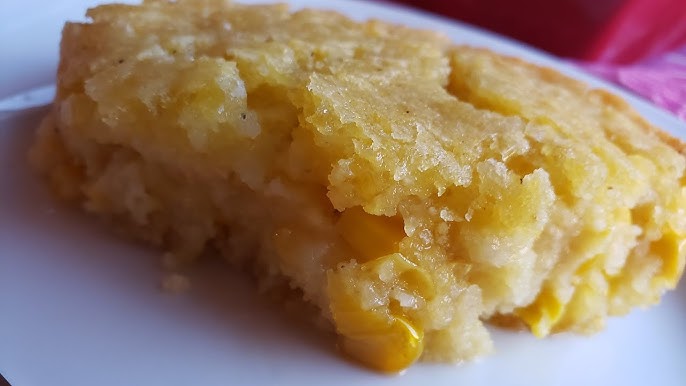
Turn each corn cake carefully with a spatula and cook for another 2 to 3 minutes on the second side. The finished cakes should be golden, crisp on the outside, and cooked through in the center.
If needed, reduce the heat slightly to maintain even cooking.
Step 5: Drain and Serve Warm
Transfer the cooked corn cakes to a plate lined lightly with paper towel or to a wire rack. Serve while warm for the best flavor and texture.
How to Know When Corn Cakes Are Done
A properly cooked corn cake should have:
- A deep golden exterior
- A firm but tender center
- No wet batter inside
- A crisp edge with soft interior texture
If the center is still wet, the heat is too high or the cakes are too thick. Lower the heat slightly and flatten the next batch a bit more.
Best Tips for Perfect Corn Cakes
Making great corn cakes is simple when we pay attention to a few important details.
Use a thick batter
A batter that is too thin spreads too much and creates flat, fragile cakes. A thicker batter gives better shape and texture.
Dry the corn well
Extra moisture from corn can weaken the batter. Pat kernels dry before folding them in.
Do not overmix
Stir only until combined. This keeps the cakes tender.
Cook over medium heat
Steady heat allows the center to cook before the exterior becomes too dark.
Let the batter rest briefly
This improves consistency and helps the cornmeal hydrate.
Delicious Variations of Corn Cakes
One of the best features of corn cakes is how easily the recipe can be customized.
Cheesy Corn Cakes
Add 1/2 cup shredded cheddar, mozzarella, or Monterey Jack to the batter for a richer, more indulgent result.
Spicy Corn Cakes
Mix in finely chopped fresh chili, red pepper flakes, or jalapeños for heat and depth.
Herb Corn Cakes
Fresh herbs like parsley, chives, thyme, or cilantro brighten the flavor and make the cakes feel more refined.
Sweet Corn Cakes
Increase the sugar slightly and serve with honey, maple syrup, or fruit toppings for a sweeter breakfast-style version.
Savory Vegetable Corn Cakes
Add finely chopped bell peppers, spinach, or grated zucchini. Be sure to squeeze out excess moisture first.
What to Serve with Corn Cakes
Corn cakes pair beautifully with a wide range of toppings and sides. Their mild corn flavor makes them suitable for both light and hearty meals.
Excellent serving ideas include:
- Fried or poached eggs
- Avocado slices
- Sour cream or yogurt
- Tomato salsa
- Honey or maple syrup
- Grilled chicken or fish
- Stewed beans
- Fresh salad
- Spicy sauce or pepper sauce
For brunch, they pair especially well with eggs and avocado. For lunch or dinner, they can be served alongside grilled meats, vegetables, or a rich sauce.
Common Mistakes to Avoid
Even a simple recipe can go wrong when a few basics are overlooked.
Using too much liquid
A loose batter leads to weak cakes that are difficult to flip.
Cooking on heat that is too high
This creates dark outsides and undercooked centers.
Skipping seasoning
Corn is naturally sweet and mild, so seasoning is essential for depth.
Overcrowding the pan
This reduces browning and makes flipping harder.
Not allowing enough cooking time
Corn cakes need a few minutes per side to set properly and develop color.
How to Store Corn Cakes
Corn cakes store well, which makes them useful for meal prep.
Allow them to cool fully before placing them in an airtight container. Refrigerate for up to 3 days. To reheat, warm them in a skillet over low heat or in an oven until heated through. Reheating in a skillet is especially effective because it restores some of the crisp exterior.
They can also be frozen. Arrange them in a single layer until firm, then transfer to a freezer-safe container or bag. Reheat directly from frozen in the oven or thaw first and warm in a skillet.
Why Homemade Corn Cakes Are Worth Making
Homemade corn cakes offer better texture, flavor, and freshness than most store-bought or pre-made alternatives. They are quick to prepare, made from pantry-friendly ingredients, and easy to adapt to different tastes. They also work across multiple meals, which makes them practical as well as satisfying.
With the right method, we can create corn cakes that are crispy outside, fluffy inside, rich with corn flavor, and versatile enough for any table. Once the core recipe is mastered, it becomes easy to create custom versions with cheese, herbs, vegetables, or spice.
FAQs about Corn Cakes Recipe
1. What are corn cakes?
Corn cakes are small cakes or patties made with cornmeal, corn kernels, or both. They can be sweet or savory, depending on the recipe.
2. Are corn cakes the same as cornbread?
Not exactly. Corn cakes are usually smaller, flatter, and cooked like pancakes or fritters, while cornbread is baked as a loaf, skillet bread, or muffins.
3. Can I use canned or frozen corn?
Yes. Canned, frozen, or fresh corn can all work well. Just drain canned corn and thaw frozen corn before adding it to the batter.
4. Are corn cakes sweet or savory?
They can be either. Some recipes include sugar or honey for sweetness, while others use cheese, herbs, or spices for a savory flavor.
5. What do corn cakes taste like?
Corn cakes have a soft inside with a lightly crisp outside. They usually taste mildly sweet, buttery, and full of corn flavor.
6. What can I serve with corn cakes?
They go well with butter, syrup, honey, sour cream, salsa, fried eggs, or chili. Savory versions also pair nicely with meats and soups.
7. How do I keep corn cakes from falling apart?
Make sure the batter has enough egg and flour or cornmeal to bind it together. Cooking them until the first side is set also helps them hold their shape.
8. How should I store leftovers?
Store leftover corn cakes in an airtight container in the refrigerator for up to 3 days. Reheat them in a skillet, oven, or microwave before serving.
Final Thoughts
The best corn cakes recipe is one that delivers bold corn flavor, dependable structure, and a beautifully golden finish without unnecessary complexity. By combining quality ingredients, a properly balanced batter, and steady skillet heat, we can make corn cakes that feel both comforting and polished.
Whether served as a savory breakfast, a brunch favorite, a simple side dish, or a quick snack, corn cakes remain a timeless recipe because they are easy to prepare and deeply rewarding to eat. With this step-by-step guide, we can produce a version that is flavorful, tender, and consistently excellent from the first batch to the last.