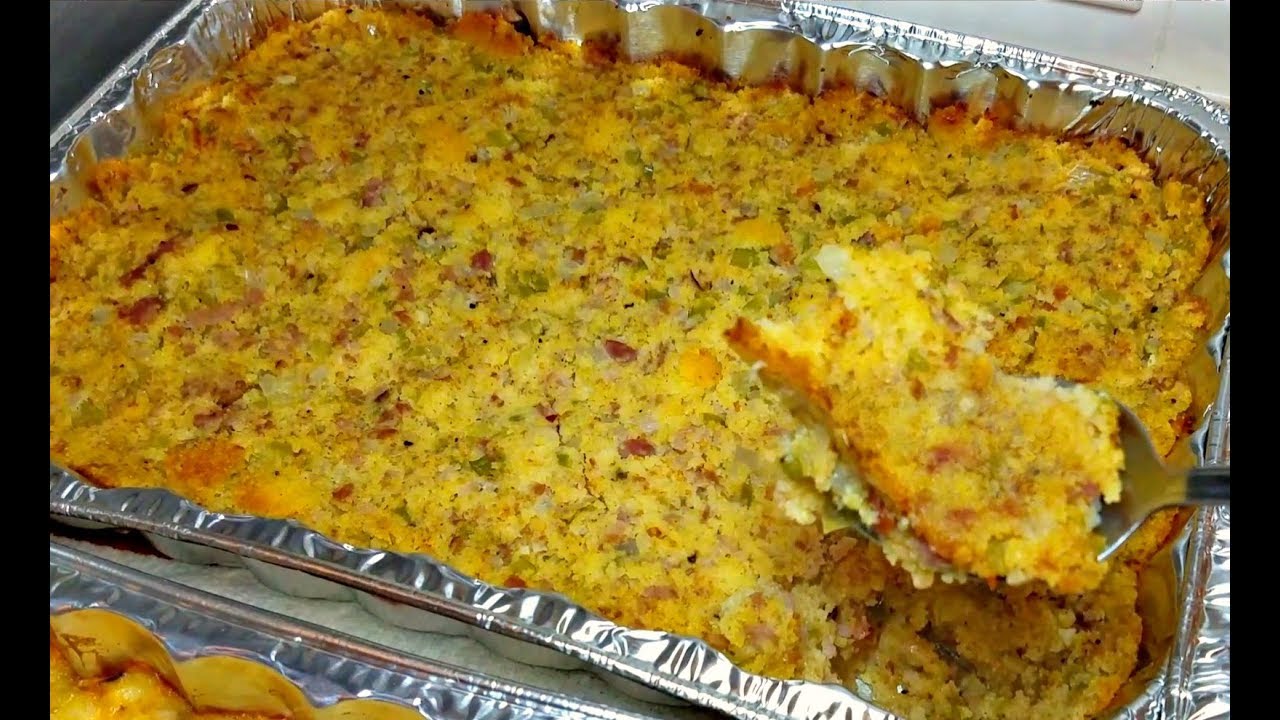
Corn Bread Stuffing Recipe: Corn bread stuffing is one of the most comforting, flavorful, and satisfying side dishes we can bring to the table. Rich with buttery bread cubes, savory herbs, tender vegetables, and the unmistakable texture of crumbly cornbread, this classic dish delivers the perfect balance of softness, structure, and deep roasted flavor. Whether we are preparing it for a holiday feast, a Sunday family meal, or a special dinner, a well-made stuffing brings warmth and fullness to the entire menu.
The beauty of this recipe lies in its texture and flavor layering. Good corn bread stuffing should be moist but not soggy, golden on top, and filled with the aromatic taste of sage, thyme, celery, onion, and rich stock. The cornbread adds a slight sweetness and tender crumb that sets this version apart from traditional bread stuffing.
In this guide, we will prepare a homemade-style corn bread stuffing recipe with clear steps, practical tips, and ingredient details that help achieve a deeply flavorful result every time.
Why Corn Bread Stuffing Stands Out
Corn bread stuffing has a more complex texture than regular stuffing because it combines the softness of baked cornbread with the structure of dried bread cubes. This creates a dish that feels hearty and rustic while still being refined enough for a festive table. The cornbread absorbs stock beautifully, while the herbs and sautéed vegetables add fragrance and savory depth.
Another reason this stuffing is so loved is its versatility. We can keep it classic, enrich it with sausage, add apples for sweetness, or include nuts for extra texture. The base recipe remains dependable and full of character, making it easy to adapt without losing its traditional appeal.
Ingredients You’ll Need
To make a flavorful corn bread stuffing recipe, we need the following ingredients:
- 6 cups crumbled cornbread, preferably slightly dry
- 4 cups day-old bread cubes, white bread or rustic bread
- 1 cup unsalted butter
- 2 medium onions, finely chopped
- 4 celery stalks, chopped
- 3 cloves garlic, minced
- 1/4 cup fresh parsley, chopped
- 1 tablespoon fresh sage, chopped, or 1 teaspoon dried sage
- 1 tablespoon fresh thyme leaves, or 1 teaspoon dried thyme
- 1 teaspoon rosemary, finely chopped
- 1 teaspoon salt, or to taste
- 1/2 teaspoon black pepper
- 1/2 teaspoon paprika
- 2 to 3 cups chicken stock, warm
- 2 large eggs, beaten
- Optional: 1 cup cooked sausage, crumbled
- Optional: 1/2 cup chopped pecans
- Optional: 1 diced apple for a subtle sweet note
Best Bread for Corn Bread Stuffing
The best stuffing begins with the right bread texture. Fresh bread often becomes too soft and can turn mushy once liquid is added. For the best result, we should use slightly stale cornbread and day-old bread cubes. If the bread is too fresh, it helps to dry it in the oven for a few minutes until firm but not browned too deeply.
Cornbread should be sturdy enough to crumble without disappearing completely into powder. A homemade skillet cornbread or simple baked cornbread works especially well. For the second bread element, classic white bread, French bread, or rustic sandwich bread all perform nicely because they absorb the seasoned stock while still holding some structure.
How to Prepare the Bread Base
Before mixing the stuffing, it is important to prepare the bread properly. We should crumble the cornbread into medium pieces, not overly fine crumbs. The bread cubes should also be cut into bite-sized pieces so the final stuffing has a balanced texture.
If the breads feel soft, spread them on a baking sheet and place them in a low oven for about 10 to 15 minutes. This step helps remove moisture and gives the stuffing a better final consistency. Once dried, transfer them to a large mixing bowl and set aside.
Step-by-Step Guide for Corn Bread Stuffing
Step 1: Preheat the Oven
Preheat the oven to 375°F (190°C). Lightly grease a large baking dish with butter or nonstick spray. A properly prepared dish prevents sticking and helps the stuffing bake evenly around the edges.
Step 2: Melt the Butter
In a large skillet or sauté pan, melt the butter over medium heat. Butter is essential here because it builds richness and carries the flavor of the herbs throughout the stuffing. Allow it to melt fully without browning too much.
Step 3: Cook the Onion and Celery
Add the chopped onions and celery to the skillet. Sauté for about 8 to 10 minutes, stirring occasionally, until the vegetables are soft and fragrant. The onion should become translucent, and the celery should soften without losing all of its texture.
These vegetables form the savory base of the stuffing. Taking time with this step helps create deeper flavor and ensures the stuffing tastes balanced rather than raw or flat.
Step 4: Add Garlic and Herbs
Stir in the garlic, sage, thyme, rosemary, parsley, salt, black pepper, and paprika. Cook for about 1 to 2 minutes until the mixture becomes aromatic. This brief cooking time wakes up the herbs and blends them into the butter and vegetables.
At this stage, the kitchen should smell rich, herbal, and inviting. This is the flavor foundation that defines an excellent corn bread stuffing.
Step 5: Combine the Bread and Vegetable Mixture
Pour the hot vegetable and herb mixture over the prepared cornbread crumbles and bread cubes. Gently toss everything together with a large spoon or spatula. The warm butter mixture starts seasoning the bread immediately and ensures the herbs are distributed throughout the bowl.
Be careful not to overmix. The goal is to coat the bread without crushing the cornbread too much.
Step 6: Add the Stock Gradually
Pour in 2 cups of warm chicken stock first, then toss gently. Add more stock as needed until the mixture is moist but not wet. The exact amount depends on how dry the bread is. Some batches need the full 3 cups, while others need slightly less.
A good stuffing mixture should hold together when pressed lightly with a spoon, but it should not have excess liquid pooling at the bottom. This balance is what creates a soft interior and a beautifully golden top after baking.
Step 7: Stir in the Eggs
Add the beaten eggs and fold them into the mixture. The eggs help bind the stuffing together and give it a richer, more cohesive texture once baked. They also contribute to the custardy softness that makes stuffing especially satisfying.
If using optional additions such as cooked sausage, pecans, or diced apple, fold them in at this stage.
Step 8: Transfer to the Baking Dish
Spoon the stuffing mixture into the greased baking dish and spread it evenly. Do not press it down too tightly. Leaving some natural texture on the surface helps create crisp golden edges and a light crust on top.
Dot the surface with a few small pieces of butter for extra richness if desired.
Step 9: Bake Until Golden
Bake uncovered for 35 to 45 minutes, or until the top is lightly golden and the center is heated through. If the top starts browning too quickly, cover loosely with foil for the final part of baking.
The finished stuffing should be tender inside, fragrant with herbs, and slightly crisp on the surface. Let it rest for 5 to 10 minutes before serving so the texture settles properly.
Flavor Variations for Corn Bread Stuffing
A classic version is always welcome, but this recipe also adapts beautifully to different flavors.
Sausage Corn Bread Stuffing
Adding cooked sausage creates a heartier, richer stuffing with deeper savory notes. Mild breakfast sausage or Italian sausage both work well.
Apple and Herb Corn Bread Stuffing
Diced apple adds a gentle sweetness that complements the earthiness of sage and thyme. This variation is especially good for festive meals.
Pecan Corn Bread Stuffing
Chopped pecans bring a subtle crunch and nutty depth that contrasts beautifully with the softness of the bread.
Mushroom Corn Bread Stuffing
Sautéed mushrooms add a meaty texture and an earthy finish, making the stuffing feel even more robust and layered.
Tips for the Best Corn Bread Stuffing
For the most reliable result, several small details make a big difference.
First, dry the bread properly. Bread that is too moist produces stuffing that turns dense or soggy. Second, always warm the stock before adding it. Warm liquid blends more evenly with the bread and helps the seasoning spread throughout the mixture. Third, do not skip the herbs. Sage, thyme, and parsley are essential to the classic stuffing flavor profile.
It also helps to taste the sautéed vegetable mixture before combining it with the bread. That way, we can adjust the salt and pepper early and avoid a bland final dish.
How to Store and Reheat
Corn bread stuffing stores well, making it ideal for meal prep or leftovers. Once cooled, place it in an airtight container and refrigerate for up to 4 days. To reheat, place it in an oven-safe dish, add a splash of stock if needed, cover with foil, and warm at 350°F (175°C) until hot.
For longer storage, it can also be frozen. Wrap it tightly or place it in a freezer-safe container for up to 2 months. Thaw in the refrigerator before reheating.
What to Serve with Corn Bread Stuffing
This stuffing pairs beautifully with a wide range of main dishes. It works especially well with roast chicken, turkey, baked ham, or grilled chicken thighs. It also complements classic sides such as green beans, mashed potatoes, gravy, cranberry sauce, and roasted carrots.
Because the stuffing is rich and savory, it matches well with vegetables that bring freshness or sweetness to the plate. This creates a more balanced and memorable meal.
Common Mistakes to Avoid
One of the most common mistakes is adding too much liquid all at once. This can quickly turn the stuffing heavy and wet. It is always better to add stock gradually and stop when the mixture is just moist enough.
Another mistake is underseasoning. Bread absorbs flavor, so stuffing needs enough herbs, butter, salt, and stock to taste complete. Using bland bread with minimal seasoning can lead to a flat result, even if the texture looks correct.
Overbaking can also dry the stuffing out. Bake until golden and set, but avoid leaving it in the oven so long that the inside loses moisture.
FAQs about Corn Bread Stuffing Recipe
1. What is cornbread stuffing?
Cornbread stuffing is a savory side dish made with crumbled cornbread, broth, vegetables, and seasonings. It is especially popular for holiday meals.
2. Is cornbread stuffing the same as dressing?
They are very similar. Some people call it stuffing when cooked inside a bird and dressing when baked in a separate dish.
3. Do I need stale cornbread for stuffing?
Yes, slightly dry or stale cornbread works best because it absorbs the broth without turning too mushy. Fresh cornbread can be dried out first if needed.
4. What ingredients are usually added?
Common additions include onion, celery, butter, broth, eggs, and herbs like sage or thyme. Some recipes also include sausage or chopped apples.
5. How do I keep cornbread stuffing from getting soggy?
Add the broth gradually and mix gently. The stuffing should be moist, not soaking wet, before baking.
6. Can I make cornbread stuffing ahead of time?
Yes. You can prepare it ahead and refrigerate it before baking. This is helpful for holiday planning.
7. Should cornbread stuffing be baked covered or uncovered?
Many recipes bake it covered first to keep it moist, then uncovered at the end so the top can become golden and slightly crisp.
8. How should I store leftovers?
Store leftovers in an airtight container in the refrigerator for up to 3 to 4 days. Reheat in the oven or microwave before serving.
Final Thoughts
A great corn bread stuffing recipe should be full of savory flavor, balanced moisture, and rich herbal aroma. This version delivers all of that with a method that is simple, dependable, and ideal for both special occasions and comforting family meals. The combination of crumbled cornbread, seasoned vegetables, warm stock, and classic herbs creates a stuffing that feels traditional, satisfying, and deeply flavorful.
When prepared with care, corn bread stuffing becomes more than just a side dish. It becomes one of the most memorable parts of the meal. From the golden top to the tender center, every bite carries the kind of comfort that defines a truly successful homemade dish.