Copycat Recipe: Have you ever taken a bite of your favorite restaurant dish and thought, “I wish I could make this at home”? That’s exactly where copycat recipes come in. These magical kitchen hacks let you recreate restaurant-quality meals right from your home—without the fancy price tag. Whether it’s Olive Garden’s creamy Alfredo sauce, Starbucks’ iconic pumpkin spice latte, or KFC’s legendary fried chicken, you can now make them all from scratch with the right guidance. In this step-by-step guide, we’re diving deep into the world of copycat recipes, showing you how to duplicate your favorite dishes with flavor, flair, and fun.
From choosing the right ingredients to mastering the cooking process, we’ll walk you through every stage. This isn’t just a recipe—it’s a skill you can keep forever. Ready to become the chef behind the magic? Let’s dig in.
Why Make a Copycat Recipe at Home?
Let’s be real—restaurant dishes taste incredible, but the bill at the end? Not so much. That’s where the beauty of copycat recipes comes in. You get to enjoy your favorite flavors without spending a fortune.
Save Money
Dining out is a luxury that adds up quickly. A single entrée at a restaurant might cost what you’d pay to cook an entire meal at home for your family. By making a copycat recipe, you save significantly on costs—plus, you get leftovers!
Control Ingredients
Ever wonder what exactly goes into that “special sauce”? By cooking at home, you get full control over what’s in your food. You can avoid preservatives, reduce sodium, and eliminate allergens. Want organic? You got it. Want low sugar? Totally up to you.
Customize to Your Taste
Not a fan of too much spice? Prefer less salt? Hate cilantro? The beauty of homemade copycat recipes is that you can tweak every element to your personal preference. You get to be the chef, the critic, and the happy customer—all in one.
Popular Copycat Recipes Around the World
There are thousands of copycat recipes floating around, but some have stood the test of time and taste. Let’s look at the most beloved ones across various categories:
Restaurant Favorites
- Olive Garden’s Alfredo Sauce
- Outback Steakhouse’s Blooming Onion
- Cheesecake Factory’s Cajun Jambalaya Pasta
Fast Food Favorites
- McDonald’s Big Mac
- KFC Original Fried Chicken
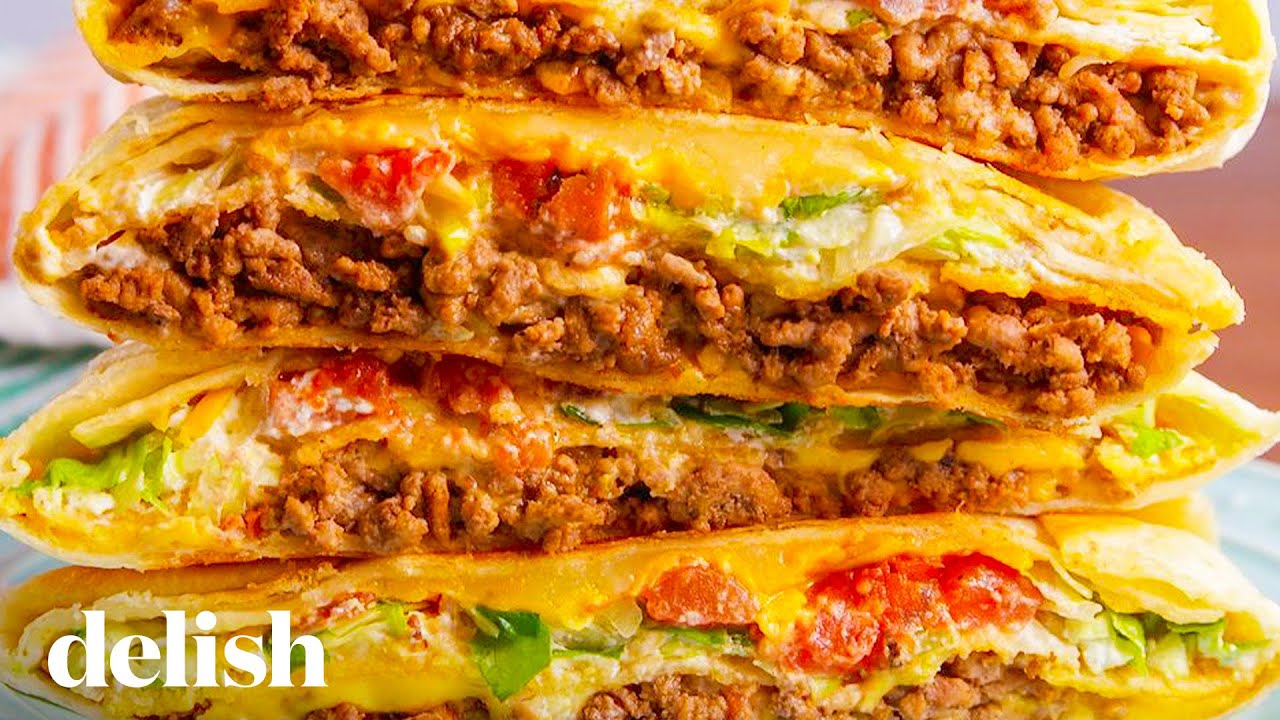
- Taco Bell’s Crunchwrap Supreme
Bakery & Coffee Shop Treats
- Starbucks Pumpkin Spice Latte
- Krispy Kreme Glazed Donuts
- Cinnabon’s Classic Cinnamon Rolls
Ingredients You’ll Need
Before diving into the cooking process, you’ll need to round up your ingredients. Depending on what you’re recreating, this list can vary, but here’s a breakdown of what most copycat recipes typically require.
Pantry Staples
- All-purpose flour
- Baking powder and baking soda
- Sugar (white, brown, powdered)
- Salt, pepper, and other common spices
- Olive oil, vegetable oil
- Vinegar, soy sauce
Fresh Ingredients
- Meats (chicken, beef, etc.)
- Dairy products (milk, cheese, butter)
- Vegetables (onion, garlic, lettuce, tomato)
- Eggs
Special Ingredients
Some copycat recipes use secret ingredients you may not usually stock:
- Buttermilk
- Corn syrup
- Panko breadcrumbs
- Yeast
- Specialty sauces (hoisin, sriracha, teriyaki)
Pro Tip: Make a list based on the exact copycat recipe you’re attempting and double-check it before heading to the store.
Kitchen Tools Required
Just like ingredients, your tools matter too. You don’t need a Michelin-starred kitchen, but a few essentials can make life easier.
Must-Have Tools
- Measuring cups and spoons
- Mixing bowls
- Whisk and spatula
- Skillet or frying pan
- Baking sheet
- Oven or stovetop
Nice-to-Have Tools
- Food processor or blender
- Stand mixer
- Meat thermometer
- Deep fryer (for fried dishes)
- Grill or air fryer (depending on the recipe)
Having the right tools ensures consistency and a smoother cooking experience. Trust us—don’t eyeball it if you don’t have to.
Step-by-Step Guide to Making a Copycat Recipe
Now comes the fun part—actually making your dish! Follow these steps to recreate restaurant-style meals at home.
Step 1: Research the Original Dish
Start by studying the dish you’re trying to recreate. Look at official descriptions, ingredient lists, or even YouTube videos of the original meal. Try the dish again if possible to refresh your taste memory.
Step 2: Analyze the Ingredients
Break down what flavors you’re tasting: is it creamy, spicy, tangy, or sweet? Identify the core ingredients and any noticeable spices. Online communities and food blogs are great for finding “leaked” versions of famous recipes.
Step 3: Gather Your Ingredients
Refer back to the “Ingredients You’ll Need” section and gather everything. Make sure everything is fresh, measured, and prepped (this is called mise en place in the chef world!).
Step 4: Follow the Cooking Process
Stick closely to your chosen copycat recipe. Timing is key—undercooked or overcooked components can ruin the flavor. Use timers, and don’t rush the process, especially for dishes that require marinating or rising.
Step 5: Taste and Adjust
Once cooked, taste your dish. Is it missing salt? Is the sauce too thick? Adjust according to taste. Sometimes a pinch of spice or splash of vinegar can make all the difference.
Secret Techniques to Match the Original Taste
Let’s be honest—some copycat recipes fall short not because of poor ingredients, but because the technique is off. Matching the restaurant-level taste comes down to knowing how to cook like the pros.
Marinating Tips
If you’re copying fried chicken or grilled meats, marination is your secret weapon. Don’t just let it sit for 30 minutes—let the flavors soak in overnight. Use acidic ingredients like lemon juice or vinegar to tenderize meats and unlock layers of flavor. Spices like paprika, garlic powder, onion powder, and cayenne are often part of restaurant marinade blends. Try buttermilk marinades for fried dishes—trust us, it makes all the difference.
Proper Cooking Temperatures
Restaurants are precise with cooking temps, and so should you be. Use a meat thermometer to avoid guesswork—chicken should be 165°F (75°C) internally, while steak varies depending on your doneness preference. Baking? Stick to the temperature listed, and don’t open the oven door too much—it messes with the heat levels.
Timing is Everything
Ever wonder why your homemade burger bun feels dry while the restaurant version is soft and pillowy? Timing. Give dough enough time to rise. Let sauces simmer to deepen flavors. And always rest your meat before slicing—it keeps it juicy.
Tips to Elevate Your Copycat Game
Once you’ve nailed the basics, it’s time to go pro. These simple tips will take your dish from “close enough” to “wow, this tastes just like it!”
Use High-Quality Ingredients
The better the ingredient, the better the taste. Splurge a little on extra virgin olive oil, organic meat, or artisan bread if your budget allows. It makes a noticeable difference.
Replicate Presentation
Restaurants don’t just cook food—they present it. Take a second to plate your dish like the original. Use garnishes like parsley or microgreens. Serve in similar dishes. Even wrapping a burger in parchment paper can make it feel more “official.”
Understand Flavor Profiles
Salt, fat, acid, and heat—it’s the holy grail of flavor. Balance these elements to mimic restaurant-quality dishes. Taste as you go. Add a dash of lemon or vinegar for brightness, butter or cream for richness, and spice if it’s too bland.
Common Mistakes to Avoid
Even with the best intentions, mistakes happen. Avoid these classic pitfalls and your copycat meals will be restaurant-worthy in no time.
Overcomplicating the Recipe
Stick to the basics. Don’t throw in every spice from your rack hoping for magic. Most successful restaurant dishes are actually pretty simple—what makes them great is balance and technique.
Skipping Ingredients
Don’t assume leaving out “just one” ingredient won’t matter. If a recipe calls for Worcestershire sauce or buttermilk, find it or make a proper substitute. Skipping key components leads to flat flavors.
Using Inappropriate Substitutes
Speaking of substitutes—some work, some don’t. Don’t replace baking powder with baking soda unless you understand the chemistry. Likewise, don’t use margarine instead of butter in a rich Alfredo sauce. It’ll show.
Nutritional Insight of Copycat Recipes
One of the biggest perks of making your favorite meals at home? You get to see what goes into them—and that means you can tweak for a healthier lifestyle.
Healthier Versions
Cut calories by using leaner meats, switching to air-frying instead of deep-frying, or reducing the amount of cream and butter. Use Greek yogurt in dips and sauces instead of mayo or sour cream. These small changes can make a big impact.
Substitutes for Allergies
Got dietary restrictions? Making copycat recipes at home means you can easily swap ingredients. Use oat milk instead of dairy, almond flour instead of wheat flour, or coconut aminos in place of soy sauce.
Bonus: You can eliminate unnecessary additives and preservatives that are often found in fast food and packaged sauces.
Customization Ideas
What if you love the idea of a dish but need to change it up? That’s the beauty of copycat recipes—you’re the boss. Here’s how to tweak them to suit different lifestyles:
Vegan Versions
- Swap dairy for plant-based milk or cheese alternatives
- Use tofu or jackfruit for meat replacements
- Coconut cream works wonders in creamy sauces
Gluten-Free Versions
- Replace flour with gluten-free all-purpose blends
- Use rice noodles or spiralized veggies instead of pasta
- Check labels of sauces for hidden gluten
Low-Calorie Versions
- Bake instead of fry
- Reduce sugar in sauces or desserts
- Bulk up meals with veggies
You can still enjoy the same vibe of your favorite dish without compromising your health goals.
Serving Suggestions
Let’s not forget—the way a dish is served can elevate the whole experience. If you’re copying something from a restaurant or café, take a cue from their plating.
Plating Like a Pro
- Use clean white plates to make colors pop
- Keep portions balanced—don’t overstack
- Add a sprig of herbs or a sprinkle of seasoning on top
Pairing with Drinks
What’s a Big Mac without a soda? Or pasta without a glass of wine? Match your copycat dishes with ideal drinks:
- Pasta dishes: sparkling water or red wine
- Burgers and fries: cola or lemonade
- Asian dishes: green tea or jasmine tea
Make your meal a full-on experience.
Storage Tips and Reheating
Made a big batch? Perfect. Here’s how to keep your copycat dish fresh and delicious for days.
Fridge Storage
- Store dishes in airtight containers
- Most meals last 3–5 days in the fridge
- Keep sauces and components (like noodles or rice) separate to prevent sogginess
Freezing Tips
- Freeze portions in zip-lock bags or freezer-safe containers
- Label with name and date
- Avoid freezing cream-based sauces (they often separate)
Best Reheating Methods
- Oven or air fryer for crispy items
- Microwave for soups or pastas (stir halfway)
- Stovetop for sauces or stir-fries
Reheat with care and your leftovers will taste just as good the second time.
FAQs about Copycat Recipe
1. What’s the best way to make a copycat recipe taste real?
Use fresh, high-quality ingredients and don’t skip the “secret” touches like marination time, seasoning balances, or specific cooking techniques.
2. Can I make copycat recipes healthier?
Absolutely! Swap out ingredients like heavy cream for Greek yogurt, fry less, and use whole grains to cut calories and add nutrients.
3. Are copycat recipes legal?
Yes! As long as you’re not using trademarked names for selling or profiting, recreating recipes at home is perfectly legal.
4. How do I store leftovers from my copycat dish?
Use airtight containers in the fridge for 3–5 days. For longer storage, freeze individual portions and reheat gently when needed.
5. Can I substitute ingredients easily in copycat recipes?
Yes, but do so with care. Make sure the substitute matches the texture and flavor of the original ingredient for best results.
Final Thoughts
There’s something incredibly satisfying about making your favorite restaurant dish at home—and nailing it. Whether you’re trying to impress guests, save money, or just cook for fun, copycat recipes give you the power to create crave-worthy meals in your own kitchen. With the right ingredients, tools, and techniques, you can make anything from Starbucks drinks to Olive Garden pasta with confidence.
Start small, experiment often, and most importantly—have fun in the kitchen. The best part about copycat cooking? You’re never more than one recipe away from your favorite meal.