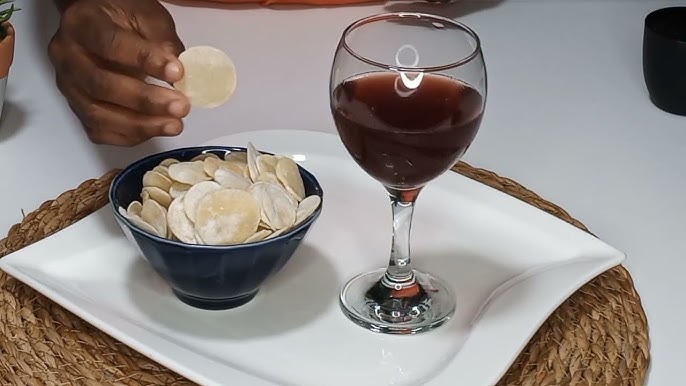
Communion Bread Recipe: Communion is a sacred moment in Christian faith—a symbolic act of remembering Jesus’ sacrifice. One of the most meaningful parts of this act is the bread, representing His body. While many churches use pre-packaged wafers, there’s something truly special about preparing the communion bread yourself.
Whether you’re preparing it for a small home church gathering, a Sunday service, or personal devotion, homemade communion bread adds a layer of intention and spiritual depth that store-bought options simply can’t match.
This guide walks you through a simple and reverent way to prepare communion bread right in your kitchen. You don’t need to be an expert baker. Just bring your heart, some basic ingredients, and a willingness to slow down and reflect on why you’re baking it in the first place.
Let’s dive into the ingredients you’ll need, then walk through the step-by-step instructions together.
What is Communion Bread?
Communion bread isn’t just a snack or meal—it carries deep spiritual symbolism. In Christian tradition, the bread represents the body of Christ, broken for humanity. It’s used during the sacrament of the Lord’s Supper, also called the Eucharist. The type of bread used can vary depending on denomination, but traditionally, unleavened bread (bread made without yeast) is used to reflect the kind used by Jesus during the Last Supper.
Unlike regular bread, communion bread isn’t flavored or enhanced with sugar or spices. It’s intentionally simple—just flour, water, and sometimes a touch of oil or salt. This simplicity helps focus the moment not on the food, but on the message: remembrance, humility, and gratitude.
Benefits of Making Homemade Communion Bread
There’s a kind of sacred quietness that comes with making your own communion bread. It slows you down. It helps you focus. Here are a few reasons why baking your own communion bread is worth considering:
- Spiritual preparation: Baking bread for communion gives you time to reflect on what you’re doing and why. It’s not just cooking—it’s preparation for worship.
- Control over ingredients: You know exactly what’s going into it—no preservatives, no artificial stuff, just clean and simple food.
- Freshness: Homemade bread is always fresher than packaged. That freshness brings a sense of life and purity to your communion experience.
- Community connection: If you’re making bread for a group or church, you’re contributing in a personal, heartfelt way that others will appreciate.
- Family involvement: It’s a great teaching moment for kids and family members to understand the meaning of communion more deeply.
Ingredients You’ll Need
Here’s a simple, traditional list of ingredients to make unleavened communion bread. These are pantry staples, so you probably have most of them already.
Basic Ingredients:
- 1 cup all-purpose flour (or whole wheat flour)
- 1/3 cup water (add more as needed)
- 1 tablespoon olive oil (optional, but adds texture)
- 1/4 teaspoon salt (optional)
That’s it! Some recipes leave out oil and salt for an ultra-simple version, especially for traditionalist or symbolic purposes.
Optional Variations:
- Use whole wheat flour for a richer, heartier texture
- Add a teaspoon of honey for a slightly sweet touch
- Swap olive oil with coconut oil for a unique flavor (less traditional)
Ingredient Tips:
- Flour: Use unbleached, organic flour if possible. It adds to the purity of the bread.
- Water: Room temperature water works best for mixing.
- Oil: While optional, oil adds softness to the bread and helps with handling.
Tools and Equipment Required
You don’t need fancy tools to make communion bread, but a few basic items make the process easier.
Essentials:
- Mixing bowl
- Measuring cups and spoons
- Rolling pin
- Baking sheet or tray
- Fork or knife (to score the dough)
Nice-to-Haves:
- Pastry brush (if brushing with oil)
- Parchment paper (for easy cleanup)
- Cooling rack (for better air circulation)
No Rolling Pin? No Problem!
If you don’t have a rolling pin, use a smooth glass or a bottle. The goal is just to flatten the dough evenly.
How to Prepare Your Kitchen
Preparing communion bread isn’t just physical—it can be spiritual, too. Before you begin:
- Clean your space. Wipe down surfaces and set out your tools. A clean space reflects a focused heart.
- Pray or reflect. Take a few quiet moments to pray or meditate before you begin. Ask God to bless your hands and your intention.
- Set the mood. Play worship music or enjoy silence. Create an atmosphere of peace and reverence.
Step-by-Step Guide to Making Communion Bread
Now the real fun begins! Follow these steps carefully to make soft, simple communion bread that’s perfect for your next service or quiet time.
Step 1: Preheat Your Oven
Set your oven to 400°F (200°C). Let it preheat while you prepare the dough. This ensures an even bake later.
Step 2: Mix the Ingredients
In your mixing bowl, combine:
- 1 cup flour
- 1/4 teaspoon salt (if using)
- 1 tablespoon olive oil
- Gradually add 1/3 cup water
Stir with a spoon or your hands until a dough forms. If it’s too dry, add a tiny bit more water. If it’s too wet, sprinkle in more flour.
Step 3: Knead the Dough
Turn your dough out onto a lightly floured surface. Knead it gently for about 3-5 minutes. It should be soft, elastic, and not sticky.
Step 4: Roll and Shape
Roll the dough out to about 1/4 inch thick. You can make one large flat piece or divide into smaller rounds or squares. Use a cookie cutter or knife if you want more uniform pieces.
Use a fork to poke small holes or score the surface with a knife. This keeps it from puffing up in the oven.
Step 5: Bake
Place your dough on a baking sheet lined with parchment paper. Bake for 10-12 minutes or until lightly golden on the bottom. Keep an eye on it—don’t let it get too dark.
Step 6: Cool and Store
Remove from oven and let cool completely on a wire rack. Once cooled, store in an airtight container or zip-lock bag. It will stay fresh for 5-7 days at room temperature.
Alternative Recipe: Gluten-Free Communion Bread
If you or someone in your congregation is gluten intolerant or has celiac disease, a gluten-free communion bread is a thoughtful and inclusive option. Thankfully, it’s easy to adapt the traditional recipe with gluten-free ingredients while maintaining the symbolic simplicity and reverence.
Ingredients for Gluten-Free Communion Bread:
- 1 cup gluten-free all-purpose flour (choose one with xanthan gum, or add 1/4 tsp separately)
- 1/4 teaspoon salt (optional)
- 1 tablespoon olive oil (optional)
- 1/3 cup water (may need to adjust slightly)
Preparation Tips:
- Mix gently: Gluten-free flour behaves differently than wheat flour. Don’t overwork the dough, as it can become gummy.
- Use parchment paper: Gluten-free dough tends to be stickier. Parchment paper makes rolling and baking easier.
- Bake thoroughly: Gluten-free breads can sometimes be underbaked in the center. Bake until it’s firm and golden, usually around 12-14 minutes.
This version may be slightly crumblier, but it’s still perfect for communion. The taste remains neutral, and the message behind the bread is just as meaningful.
Common Mistakes and How to Avoid Them
Even though the communion bread recipe is simple, a few common mistakes can make a big difference. Here’s what to look out for and how to fix or avoid them:
1. Dough Too Dry or Too Wet
- Fix: Add small amounts of water or flour gradually until you get a soft, non-sticky dough.
- Tip: Always measure flour by spooning it into your measuring cup and leveling it off—don’t scoop directly from the bag.
2. Overbaking the Bread
- Result: Bread becomes hard or overly crispy.
- Fix: Keep an eye on the bread after 10 minutes. As soon as the bottom is golden and the top is no longer doughy, it’s done.
3. Uneven Rolling
- Result: Some parts of the bread bake faster, others stay raw.
- Fix: Roll the dough to an even thickness (1/4 inch is ideal). Use a ruler or visual guide if needed.
4. Not Scoring or Docking the Dough
- Result: Bread puffs up too much in the oven.
- Fix: Always poke small holes with a fork or lightly score the dough with a knife to keep it flat.
Being mindful of these small details ensures that the bread you make is not only delicious and usable but also presented with care and intentionality.
How to Store Communion Bread Properly
Once you’ve made your bread, proper storage helps maintain its freshness and texture—especially if you’re making it ahead of time for a service or event.
Short-Term Storage:
- Room Temperature: Place cooled bread in an airtight container or plastic bag.
- Shelf Life: It will stay fresh for about 5 to 7 days.
Long-Term Storage:
- Freezing: Yes, you can freeze communion bread! Wrap it in plastic wrap and place in a freezer-safe ziplock bag. Label with the date.
- Reheating: When ready to use, thaw at room temperature. You can also warm it slightly in the oven at 200°F for a few minutes for a fresh-baked feel.
Avoid Moisture:
- Moisture is the enemy of communion bread. Always cool completely before storing and keep away from humid environments.
Proper storage ensures that your bread is just as reverent and usable days later as it was the day you made it.
How to Serve Communion Bread
Serving communion bread can be as simple or ceremonial as you’d like, depending on your setting—whether it’s a church, a small group, or your own home.
Church Setting:
- Break or cut into small pieces before the service.
- Place in a clean basket or dish, often covered with a cloth until used.
- If using with wine or juice, prepare cups ahead of time for easy distribution.
Home Service or Small Group:
- Let someone pray before breaking the bread.
- Consider reading Scripture (like 1 Corinthians 11:23–26) during the moment.
- Invite participants to reflect quietly or offer short prayers of thanks.
No matter how it’s served, what matters most is the heart behind it—gratitude, reverence, and remembrance.
Communion Bread for Different Denominations
Different Christian traditions have different preferences for communion bread, and it’s helpful to understand the distinctions.
Catholic:
- Generally requires unleavened bread, often in wafer form.
- Must be made of wheat and water only, no additives or flavorings.
Protestant (Evangelical, Baptist, Methodist, etc.):
- More flexible; many churches use unleavened bread but may allow leavened or homemade versions.
- Gluten-free options often accepted for accessibility.
Orthodox:
- Traditionally use leavened bread to symbolize the risen Christ.
- Bread is often baked in a specific round shape with symbolic seals.
If you’re making communion bread for a specific church or denomination, it’s always a good idea to check with leadership to make sure your recipe aligns with their tradition.
Making Communion Bread with Children or Family
This can be one of the most meaningful activities to do together as a family. Not only are you teaching practical skills, but you’re also planting spiritual seeds.
Why Include Kids?
- It’s a great hands-on way for children to understand communion.
- They can ask questions, learn about symbolism, and even help lead prayer.
- It builds lasting spiritual memories.
Tips for Family Involvement:
- Assign age-appropriate tasks (measuring, mixing, poking holes).
- Talk about the meaning of the bread while baking.
- End with a short devotion or Scripture reading while the bread bakes.
These small moments can become powerful parts of a child’s faith journey—and yours too.
Printable Recipe Card
Here’s a handy version of the recipe to print and keep in your kitchen:
Unleavened Communion Bread Recipe
Ingredients:
– 1 cup all-purpose or whole wheat flour
– 1/3 cup water
– 1 tablespoon olive oil (optional)
– 1/4 teaspoon salt (optional)
Instructions:
1. Preheat oven to 400°F (200°C).
2. Mix flour, salt, and oil. Slowly add water until dough forms.
3. Knead for 3-5 minutes.
4. Roll out to 1/4 inch thickness. Score or poke holes.
5. Bake 10–12 minutes until light golden.
6. Cool completely before storing.
Shelf Life: 5–7 days. Freeze for up to 1 month.
Absolutely! Let’s finish strong with the final sections of the article, including the conclusion and FAQs.
FAQs about Communion Bread Recipe
1. Can I freeze communion bread?
Yes, you can! After the bread has cooled completely, wrap it in plastic wrap and store it in a freezer-safe bag or container. It will keep well for up to a month. Thaw at room temperature or warm slightly in the oven before serving.
2. Is it okay to use oil or honey in the bread?
Absolutely. While some traditions prefer bread with only flour and water for purity, others allow a small amount of oil or honey for texture and taste. Just be sure it aligns with your church or denomination’s guidelines.
3. How long does homemade communion bread last?
If stored in an airtight container at room temperature, it will stay fresh for 5 to 7 days. For longer storage, freeze it to maintain freshness and avoid spoilage.
4. Can I use all-purpose flour instead of whole wheat?
Yes, all-purpose flour works perfectly and is often used in traditional unleavened bread recipes. You can also mix half whole wheat and half all-purpose flour for a balanced texture and richer flavor.
5. What kind of flour is best for communion bread?
Unbleached all-purpose flour or whole wheat flour are both excellent choices. Whole wheat offers more nutritional value and a heartier texture, while all-purpose flour creates a softer, lighter bread. If you’re aiming for gluten-free, use a blend labeled for baking and check that it includes xanthan gum.
Conclusion
This simple recipe, made with just a few ingredients, carries deep symbolism. It reminds us that Jesus didn’t choose extravagance—He chose humility. Communion is not about performance or perfection. It’s about presence. The act of baking and breaking bread invites us into a deeper understanding of grace, sacrifice, and unity.
So whether this is your first time making communion bread or your hundredth, let it be meaningful. Share it with others. Teach it to your children. Let the aroma of bread baking fill your home with peace and purpose.
And when you eat it, remember why you made it—not just to feed your body, but to nourish your soul.