Coconut Cream Cake Recipe: We love a cake that feels elegant, soft, and deeply satisfying, and this Coconut Cream Cake delivers exactly that. It is tender, fluffy, rich with coconut flavor, and layered with a luscious cream filling that makes every bite taste special. Whether we are baking for a celebration, a family dessert, or simply to enjoy a homemade treat with coffee or tea, this cake stands out for its delicate crumb, creamy texture, and irresistible tropical flavor.
A proper coconut cream cake recipe is not just about adding coconut to a basic cake batter. The best version builds flavor in layers. We use coconut milk, shredded coconut, coconut extract, and a smooth cream filling to create a dessert that tastes full and balanced rather than overly sweet. The result is a cake that is soft, moist, flavorful, and visually beautiful.
This guide walks through the full process clearly, from selecting ingredients to baking, filling, frosting, and decorating the cake for a polished finish.
Ingredients You’ll Need
For the cake, filling, and frosting, we need the following:
For the Coconut Cake Layers
- 2 ½ cups all-purpose flour
- 2 ½ teaspoons baking powder
- ½ teaspoon baking soda
- ½ teaspoon salt
- ¾ cup unsalted butter, softened
- 1 ¾ cups granulated sugar
- 4 large eggs
- 1 tablespoon vanilla extract
- 1 teaspoon coconut extract
- 1 cup canned coconut milk, well stirred
- ½ cup sour cream
- 1 cup sweetened shredded coconut
For the Coconut Cream Filling
- 1 package instant vanilla pudding mix
- 1 ½ cups cold milk
- ½ cup canned coconut milk
- 1 cup whipped topping or lightly whipped cream
- ½ cup shredded coconut
For the Coconut Frosting
- 1 cup unsalted butter, softened
- 4 to 5 cups powdered sugar
- 3 to 4 tablespoons coconut milk
- 1 teaspoon vanilla extract
- 1 teaspoon coconut extract
- Pinch of salt
For Decoration
- 1 ½ to 2 cups sweetened shredded coconut
- Optional: toasted coconut flakes
- Optional: white chocolate curls
- Optional: fresh berries
Why This Coconut Cream Cake Recipe Works So Well
A truly memorable coconut cream cake depends on texture as much as flavor. The flour gives structure, while butter creates richness. Sour cream adds moisture and softness, and coconut milk infuses the batter with a fuller, deeper coconut taste than regular milk alone. Coconut extract strengthens the flavor without becoming overpowering.
The filling adds a creamy contrast between the cake layers, while the frosting seals in moisture and provides a smooth finish for shredded coconut to cling to. Together, these elements create a cake that looks bakery-quality and tastes even better homemade.
How to Prepare for the Best Results
Before mixing, we want all refrigerated ingredients at room temperature. Butter should be soft but not melted. Eggs should no longer feel cold. This helps the batter combine evenly and produce a finer, softer crumb.
We also need to:
- Preheat the oven to 350°F (175°C)
- Grease and line two 8-inch or 9-inch round cake pans
- Stir the canned coconut milk thoroughly so the liquid and cream combine
- Measure the flour carefully to avoid a dense cake
Proper preparation makes the entire baking process smoother and more accurate.
Step-by-Step Guide for Coconut Cream Cake
Step 1: Prepare the Dry Ingredients
In a medium bowl, whisk together the all-purpose flour, baking powder, baking soda, and salt. This step distributes the leavening agents evenly so the cake rises properly and bakes with a consistent texture.
Set the bowl aside while we prepare the butter mixture.
Step 2: Cream the Butter and Sugar
In a large mixing bowl, beat the softened butter and granulated sugar together until the mixture becomes pale, fluffy, and light. This usually takes 3 to 5 minutes with an electric mixer.
This step is essential because it incorporates air into the batter, which helps create a soft and tender cake. A rushed creaming step often leads to a heavier result, so it is worth doing thoroughly.
Step 3: Add the Eggs and Extracts
Add the eggs one at a time, beating well after each addition. Then mix in the vanilla extract and coconut extract.
The batter should now look smooth and creamy. If it appears slightly curdled, that is usually fine and will come together once the dry ingredients are added.
Step 4: Combine the Wet Ingredients
In a separate bowl or measuring jug, whisk together the coconut milk and sour cream until smooth. This mixture adds richness and helps keep the cake moist after baking.
Step 5: Mix the Batter
Add the dry ingredients to the butter mixture in three additions, alternating with the coconut milk mixture. Begin and end with the dry ingredients. Mix on low speed only until combined after each addition.
Do not overmix. Overmixing develops too much gluten and can make the cake firm instead of tender.
Once the batter is nearly combined, fold in the shredded coconut gently with a spatula.
Step 6: Divide and Bake
Evenly divide the batter between the prepared cake pans and smooth the tops. Bake for 28 to 35 minutes, depending on pan size and oven accuracy, or until a toothpick inserted in the center comes out clean or with a few moist crumbs.
Let the cakes cool in the pans for about 10 to 15 minutes, then turn them out onto wire racks to cool completely.
A fully cooled cake is important before filling and frosting. Warm cake layers can melt the filling and frosting, making assembly messy.
Step 7: Prepare the Cream Filling
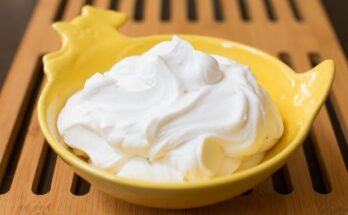
In a chilled bowl, whisk together the instant vanilla pudding mix, cold milk, and coconut milk until it thickens. Let it sit for a few minutes to set.
Fold in the whipped topping or whipped cream, then add the shredded coconut. The finished filling should be creamy, smooth, and thick enough to spread without running.
For a firmer filling, chill it for 15 to 20 minutes before assembling the cake.
This filling gives the cake its signature creamy center and adds another layer of coconut flavor without making the dessert too heavy.
Step 8: Beat the Frosting
In a large bowl, beat the softened butter until smooth and creamy. Gradually add the powdered sugar, mixing on low speed first and then increasing speed as the mixture thickens.
Add the coconut milk, vanilla extract, coconut extract, and a pinch of salt. Beat until the frosting becomes fluffy and spreadable. If it is too thick, add a little more coconut milk. If it is too soft, add more powdered sugar.
The ideal frosting should hold its shape while spreading easily across the cake.
Step 9: Level the Cake Layers
If the cake layers have domed tops, trim them gently with a serrated knife so they stack evenly. This creates a cleaner finish and helps keep the filling in place.
Step 10: Add the Filling
Place one cake layer on a serving plate or cake stand. Spread the coconut cream filling evenly over the top, leaving a small border around the edge so the filling does not spill out when the second layer is added.
Place the second cake layer on top and press very gently to secure it.
Step 11: Apply the Frosting
Spread a thin layer of frosting over the entire cake as a crumb coat. Chill for 15 minutes if needed, then apply the remaining frosting more generously over the top and sides.
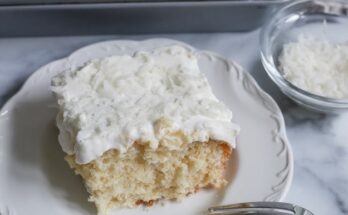
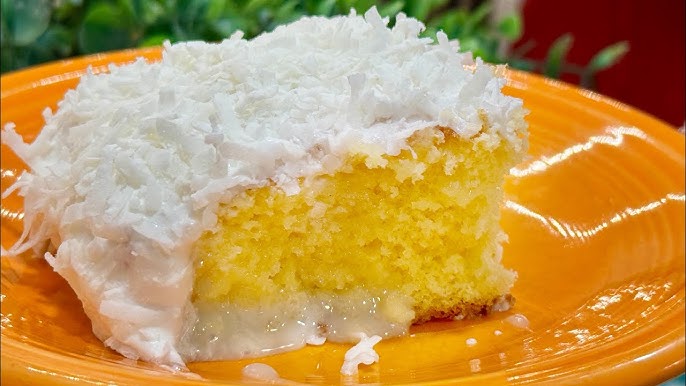
Once frosted, gently press shredded coconut onto the top and sides of the cake. The coconut creates the classic finish that makes this dessert instantly recognizable.
For added texture and visual appeal, we can use a mix of soft shredded coconut and toasted coconut flakes.
Serving Suggestions for Coconut Cream Cake
This cake is delicious served slightly chilled or at cool room temperature. The flavors settle beautifully after a few hours, and the coconut filling becomes even more cohesive with the cake layers.
We can serve it:
- As a celebration cake for birthdays and gatherings
- As an Easter or holiday dessert
- With coffee, tea, or a light fruit drink
- With fresh berries on the side for contrast
- With a few white chocolate shavings for extra elegance
Because the flavor is rich but not heavy, it works well for both casual and formal occasions.
Tips for the Best Coconut Cream Cake
Use Canned Coconut Milk
Canned coconut milk provides a richer and more authentic coconut flavor than refrigerated coconut beverage products. It also contributes more body and creaminess to the batter and filling.
Do Not Overbake
A dry coconut cake loses much of its appeal. Check for doneness early and remove the layers once the centers are set.
Cool Completely Before Assembling
This prevents the filling from slipping and the frosting from melting.
Toast Some of the Coconut
Toasted coconut adds a nutty note and a more sophisticated flavor. Even using a small amount on top can elevate the finished cake.
Chill Before Slicing
A chilled cake slices more cleanly, especially when it contains a soft cream filling.
Common Mistakes to Avoid
One of the most common mistakes in a coconut cream cake recipe is using too much liquid or not balancing the wet and dry ingredients. This can make the cake too fragile. Another issue is under-whipping or over-thinning the frosting, which affects how well it covers the cake.
We also want to avoid:
- Using cold butter for creaming
- Skipping the lining of the pans
- Overmixing the batter
- Filling the cake while the layers are warm
- Using too little coconut flavor, which can make the cake taste plain
When each part is made with care, the finished dessert tastes refined, moist, and full of flavor.
How to Store Coconut Cream Cake
Because this cake contains a cream filling, it should be stored in the refrigerator. Cover it well with a cake dome or airtight container to prevent it from drying out.
Storage Guide
- Refrigerator: up to 4 days
- Freezer: cake layers can be frozen unfrosted for up to 2 months
- Best serving texture: let slices sit at room temperature for 15 to 20 minutes before serving
This helps the cake soften slightly and brings out the butter, vanilla, and coconut notes more clearly.
Recipe Variations to Try
A strong coconut cream cake recipe can easily be adapted for different styles.
Layered Celebration Version
Bake the batter in three thinner layers and add filling between each layer for a taller, more dramatic cake.
Sheet Cake Version
Bake in a rectangular pan for an easier casual dessert. Spread the filling over the cooled cake and top with frosting and coconut.
Cupcake Version
Turn the batter into cupcakes, fill the centers with coconut cream, and frost the tops for individual servings.
Lemon Coconut Version
Add a little lemon zest to the batter or frosting for brightness and contrast.
Each variation keeps the essence of the original while offering a slightly different presentation.
Why This Cake Is Always Worth Baking
A homemade Coconut Cream Cake offers something store-bought cakes often miss: real depth of flavor, balanced sweetness, and a fresh, soft texture. The coconut flavor comes through clearly but gently, the filling makes every slice feel luxurious, and the frosting ties everything together with a smooth finish.
This is the kind of cake that feels timeless. It looks beautiful on the table, slices cleanly when chilled, and leaves a lasting impression after the first bite. With a tender crumb, creamy center, and generous coconut finish, it is a dessert that deserves a place among the best classic cake recipes.
FAQs about Coconut Cream Cake Recipe
1. What is coconut cream cake?
Coconut cream cake is a soft, rich cake made with coconut flavor in the batter, frosting, or filling. It is often finished with shredded coconut for extra texture and flavor.
2. Does coconut cream cake use coconut milk or coconut cream?
It can use either, depending on the recipe. Coconut milk adds moisture and flavor, while coconut cream gives a richer and more intense coconut taste.
3. Can I use sweetened shredded coconut?
Yes. Sweetened shredded coconut is commonly used, but it will make the cake sweeter. Unsweetened coconut works too if you want a lighter sweetness.
4. What frosting goes best with coconut cream cake?
Popular choices include cream cheese frosting, buttercream, whipped frosting, or coconut-flavored frosting. Each one pairs well with the cake’s soft texture.
5. How do I keep the cake moist?
Use the right amount of liquid, avoid overbaking, and store the cake properly. Ingredients like coconut milk, sour cream, or buttermilk can also help keep it tender.
6. Can I make coconut cream cake ahead of time?
Yes. You can bake the cake layers in advance and frost them later. This makes it easier to prepare for parties or special occasions.
7. Should coconut cream cake be refrigerated?
If it has a cream cheese, whipped cream, or custard-style filling, yes, it should be refrigerated. If it has a simple buttercream, short-term room temperature storage may be fine.
8. How should I store leftovers?
Store leftover coconut cream cake in an airtight container in the refrigerator for up to 4 to 5 days. Let it sit for a few minutes before serving for the best texture.
Final Thoughts
When we want a cake that is elegant, moist, flavorful, and memorable, this Coconut Cream Cake Recipe is a dependable choice. It combines the richness of butter cake, the silky appeal of cream filling, and the unmistakable flavor of coconut in every layer. By using quality ingredients, careful mixing, and proper assembly, we create a dessert that tastes both homemade and polished.
From the soft cake layers to the creamy filling and coconut-covered frosting, every part of this recipe is designed to produce a bakery-style result at home. For celebrations, family dinners, holidays, or simply the joy of baking something beautiful, this cake remains an outstanding choice.