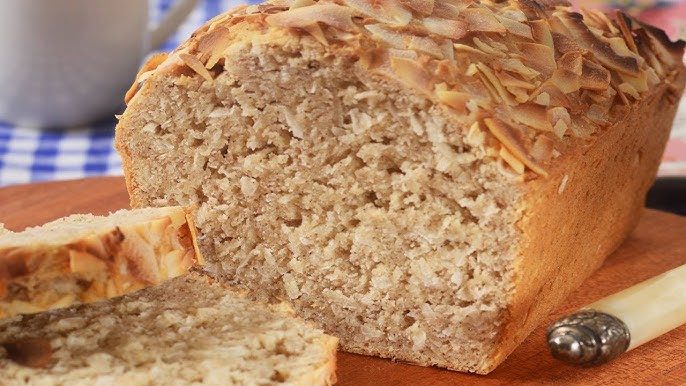
Coconut Bread Recipe: Looking for a quick and delicious treat that feels tropical and cozy at the same time? Say hello to coconut bread. Whether you’re a coconut lover or just want to try something new, this moist, flavorful bread is easy to make and perfect for breakfast, brunch, or dessert.
With just a few simple ingredients and easy steps, even beginners can bake this like a pro.
Why You’ll Love This Coconut Bread
Coconut bread is one of those hidden gems in baking. It’s sweet (but not overly), moist, and packed with that rich, nutty coconut flavor. If you’re tired of banana bread or just want something new to add to your baking routine, coconut bread is a refreshing twist. It’s soft, tender, and makes your kitchen smell amazing. Plus, you can enjoy it plain, toasted with butter, or even turned into French toast. It’s a versatile recipe that works all year round.
A Brief History of Coconut Bread
Coconut bread finds its roots in tropical regions where coconuts grow in abundance. Countries in the Caribbean, Southeast Asia, and the South Pacific have their own takes on this comforting treat. In the Caribbean, for example, it’s often served with tea in the afternoon. Over the years, it’s made its way into Western kitchens, blending island flavors with traditional baking techniques. The result? A simple, delicious loaf that captures the essence of island life—warm, inviting, and sweetly satisfying.
The Unique Appeal of Coconut in Baking
Coconut isn’t just a tropical novelty—it’s a game-changer in baking. It brings moisture, natural sweetness, and a slightly chewy texture to any recipe. Shredded coconut adds body and bite, while coconut milk or oil gives richness. Plus, coconut is naturally gluten-free and contains healthy fats, making it a fantastic ingredient for those looking to bake with purpose. If you’re a fan of texture and flavor depth, coconut bread will absolutely hit the spot.
Ingredients You’ll Need
Let’s break down everything you’ll need before diving into the recipe.
Dry Ingredients:
- 2 cups all-purpose flour – The base for structure.
- 1 teaspoon baking powder – For rise and fluffiness.
- ½ teaspoon baking soda – Helps activate the acidity in other ingredients.
- ½ teaspoon salt – Balances the sweetness.
- 1 cup sweetened shredded coconut – Adds texture and tropical flavor.
Wet Ingredients:
- 2 large eggs – For binding and richness.
- ¾ cup granulated sugar – Adds sweetness.
- 1 cup coconut milk – Brings moisture and deep coconut flavor.
- ⅓ cup melted butter (or coconut oil) – Fat for tenderness.
- 1 teaspoon vanilla extract – Enhances the overall flavor.
Optional Add-ins:
- ½ cup chopped nuts – For crunch.
- ½ cup chocolate chips – For a dessert twist.
- ½ teaspoon cinnamon – For a warm undertone.
Equipment Required
Before you get started, make sure you have the following:
- Mixing bowls (one large, one medium)
- Measuring cups and spoons
- Whisk or electric hand mixer
- Rubber spatula
- Loaf pan (9×5 inch recommended)
- Cooling rack
- Toothpick (for doneness check)
Tips Before You Begin
- Room Temperature Ingredients: Make sure your eggs and coconut milk are at room temperature. This ensures better mixing and a smoother batter.
- Don’t Overmix: Overmixing the batter can result in dense bread. Mix until just combined.
- Use Fresh Ingredients: Especially the baking powder and baking soda—expired leavening agents won’t give you that nice rise.
- Grease the Pan Well: Use butter or non-stick spray to prevent sticking.
Step-by-Step Guide to Making Coconut Bread
Step 1: Preheat and Prepare
Start by preheating your oven to 350°F (175°C). Grease your loaf pan generously with butter or non-stick spray and set it aside. You can also line it with parchment paper for easy removal.
Step 2: Mix the Dry Ingredients
In a medium bowl, whisk together the flour, baking powder, baking soda, and salt. Stir in the shredded coconut and optional cinnamon if using. This step ensures all your dry ingredients are evenly distributed, especially the leavening agents.
Step 3: Combine the Wet Ingredients
In a large mixing bowl, beat the eggs and sugar together until light and fluffy—about 2 minutes with a hand mixer or whisk. Add the coconut milk, melted butter (or coconut oil), and vanilla extract. Mix until everything is well incorporated.
Step 4: Mix Wet and Dry Together
Gradually add the dry mixture into the wet, using a spatula to fold the ingredients together. Mix until just combined. The batter will be thick but should be easy to spread. Avoid overmixing, as this can toughen the bread.
Step 5: Pour and Smooth the Batter
Pour the batter into your prepared loaf pan. Use your spatula to smooth the top and ensure an even bake. If you like a crusty top, you can sprinkle some extra shredded coconut or sugar on top.
Step 6: Bake the Coconut Bread
Place the loaf pan in the center of the oven and bake for 50–60 minutes. Around the 45-minute mark, check the top—if it’s browning too quickly, loosely tent with foil. The bread is done when a toothpick inserted into the center comes out clean or with a few moist crumbs.
Step 7: Cooling the Bread
Let the bread cool in the pan for 10–15 minutes. Then, gently remove it and place it on a wire rack to cool completely. This step helps the bread firm up and prevents it from getting soggy.
Step 8: Slice and Serve
Once cooled, slice into thick pieces using a serrated knife. Enjoy it plain, or toast it and slather with butter, jam, or cream cheese.
Pro Tips for the Best Coconut Bread
Want bakery-style coconut bread that’s moist, rich, and loaded with flavor every time? These pro tips will help you get there:
- Use Full-Fat Coconut Milk: Avoid the light versions. Full-fat coconut milk gives your bread a creamier texture and deeper flavor. Shake the can well before using.
- Toast the Coconut (Optional): Toasting your shredded coconut for a few minutes in a dry skillet before mixing adds a nutty, caramelized depth. It’s a small step that makes a big difference.
- Don’t Overbake: Coconut bread can dry out quickly if overbaked. Keep an eye on it in the final 10 minutes and test with a toothpick early if your oven runs hot.
- Cool Completely Before Slicing: This helps the structure set properly. If you slice too soon, the bread may crumble.
- Flavor Boost: Add a splash of almond extract or a pinch of nutmeg to elevate the coconut flavor profile.
How to Store Coconut Bread
Coconut bread stores surprisingly well, staying moist for several days if properly stored.
Short-term storage (up to 4 days):
- Let the loaf cool completely.
- Wrap it tightly in plastic wrap or aluminum foil.
- Store in an airtight container at room temperature.
For better texture:
- Toast slices before serving after the first day for a fresh, warm feel.
Avoid refrigerating unless your kitchen is very hot and humid. The fridge can make the bread dry out faster.
How to Freeze Coconut Bread
Want to make ahead or save some for later? Freezing coconut bread is super easy.
To freeze the entire loaf:
- Cool the bread completely.
- Wrap it tightly in two layers – first with plastic wrap, then foil.
- Place in a freezer-safe bag or container.
To freeze slices:
- Slice the cooled loaf.
- Wrap each slice individually in plastic wrap.
- Store in a zip-top freezer bag with the air removed.
To thaw:
- Let thaw at room temperature or warm slices in a toaster oven or microwave for 30 seconds.
Frozen coconut bread stays good for up to 3 months without losing texture or taste.
Ways to Serve Coconut Bread
There’s no wrong way to enjoy a slice of coconut bread—but here are a few serving ideas to spice things up:
- Classic with Butter: Toasted and topped with salted butter is always a win.
- Tropical Twist: Add pineapple jam or mango preserves for extra island flavor.
- French Toast: Dip slices in an egg mixture and cook on a skillet for the best tropical breakfast.
- Dessert Style: Add a scoop of vanilla ice cream and a drizzle of chocolate sauce.
- With Coffee or Tea: The perfect companion to your morning or afternoon drink.
This bread is versatile and works with both sweet and savory sides. Try it with cream cheese and fresh berries for a beautiful brunch presentation.
Health Benefits of Coconut
Besides being delicious, coconut actually brings some nutritional benefits to your baking:
- Healthy Fats: Coconut contains medium-chain triglycerides (MCTs), which can provide a quick source of energy.
- Rich in Fiber: Shredded coconut adds dietary fiber, which helps with digestion.
- Natural Sweetness: Coconut’s natural sugars reduce the need for too much added sugar.
- Gluten-Free Friendly (when modified): Swap all-purpose flour for a gluten-free blend to make it suitable for gluten-free diets.
While coconut bread is still a treat, knowing it contains better-for-you ingredients makes it an even sweeter choice.
Common Mistakes to Avoid
Let’s make sure your coconut bread turns out perfect every time. Watch out for these common pitfalls:
- Using Low-Fat Coconut Milk: It waters down the batter and lacks richness. Always use full-fat.
- Overmixing the Batter: Leads to a tough and dry loaf. Mix just until everything is combined.
- Incorrect Oven Temperature: Always preheat and don’t open the oven too much while baking.
- Skipping the Cool-Down: Slicing warm bread causes it to fall apart. Let it cool fully before cutting.
- Too Much Sweetened Coconut: Using more than 1 cup of sweetened shredded coconut can make the loaf overly sweet and heavy.
Being aware of these little details can mean the difference between a dry loaf and a masterpiece.
FAQs about Coconut Bread Recipe
1. Can I use unsweetened coconut instead of sweetened?
Yes! If you prefer a less sweet version or want to control sugar levels, unsweetened shredded coconut works just fine. You may want to slightly increase the sugar in the recipe.
2. Can I make this coconut bread gluten-free?
Absolutely. Substitute the all-purpose flour with a 1:1 gluten-free baking blend. Make sure it contains xanthan gum for best results.
3. Why did my coconut bread sink in the middle?
This can happen if the batter was overmixed or underbaked. Be sure to check doneness with a toothpick before removing it from the oven.
4. Can I use coconut flour instead of all-purpose flour?
Coconut flour behaves very differently—it’s highly absorbent and needs more liquid and eggs. It’s not a 1:1 swap. Stick with all-purpose or a tested coconut flour recipe.
5. How do I make this coconut bread dairy-free?
Easy! Replace the butter with coconut oil or vegan butter, and make sure your coconut milk is dairy-free (which it usually is).
Conclusion
Coconut bread is one of those recipes that feels like a warm hug in every bite. It’s simple to make, bursting with flavor, and incredibly versatile. Whether you enjoy it fresh out of the oven, toasted for breakfast, or dressed up as dessert, coconut bread is always a crowd-pleaser. Plus, it’s a fantastic way to bring a little taste of the tropics into your home any time of the year.
The next time you’re in the mood to bake, skip the usual banana bread and try this easy coconut bread recipe instead. You’ll be amazed at how something so simple can taste so rich and comforting.