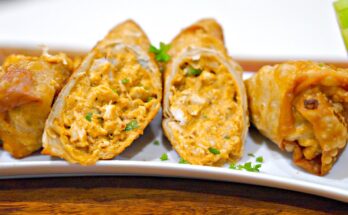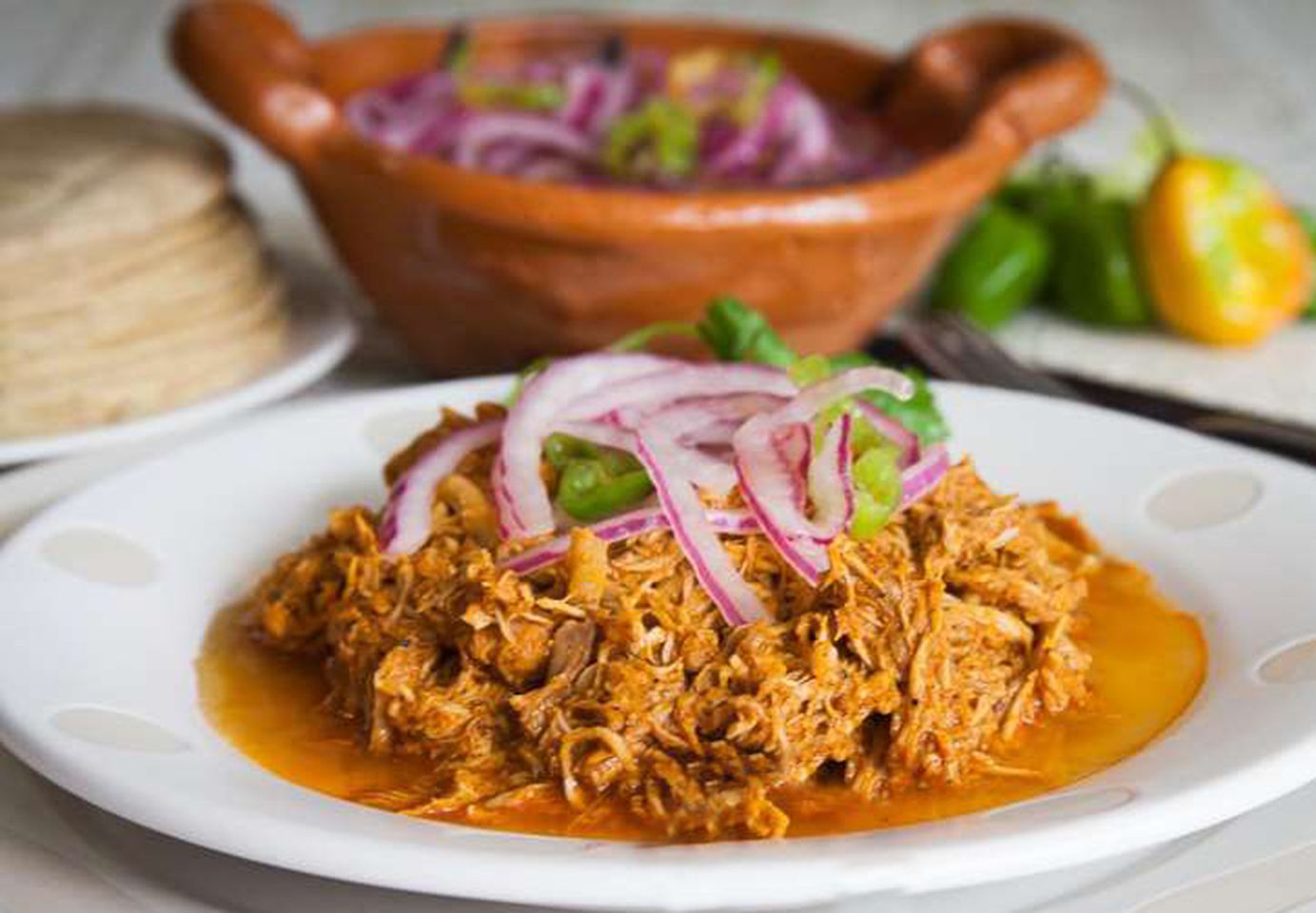
Cochinita Pibil Recipe: Cochinita Pibil is a traditional Yucatecan dish that literally translates to “buried suckling pig.” The name comes from the original Mayan cooking technique, where marinated pork was wrapped in banana leaves, buried underground in a pit oven (pib), and slow-roasted for hours. The result was melt-in-your-mouth meat with deep, complex flavors.
Today, most people don’t have a backyard pit oven, but that doesn’t mean you can’t enjoy authentic Cochinita Pibil. Using your oven, slow cooker, or Instant Pot, you can replicate the tenderness and flavor without needing special outdoor equipment. The key lies in the marinade, cooking time, and using quality ingredients.
The Origin and Cultural Significance of the Dish
Cochinita Pibil traces its roots back to the ancient Mayans, who celebrated special occasions with elaborate feasts. The use of achiote paste (made from annatto seeds) not only flavored the meat but also gave it a striking reddish hue, which had ceremonial importance. Bitter orange juice, another key ingredient, came with Spanish influence and added a distinctive tang.
Traditionally served during holidays and family gatherings, Cochinita Pibil has since become a beloved everyday dish across Mexico and internationally. Its preparation is often a communal effort, making it a symbol of togetherness and shared heritage.
Why You Should Try This Authentic Mexican Recipe
This dish is perfect if you want to impress guests or treat yourself to a truly special meal. It’s versatile — you can serve it in tacos, on rice, or as a main entrée with fresh salads and salsas. It also scales beautifully, making it great for both intimate dinners and large parties.
The combination of slow cooking and bold seasoning means the pork becomes incredibly tender while absorbing every bit of flavor from the marinade. Once you try it, you might just find yourself making it part of your regular cooking repertoire.
Ingredients You’ll Need for Authentic Cochinita Pibil
Before you start, gather all your ingredients so the cooking process is smooth. Authenticity matters here, but substitutions can be made if certain ingredients are unavailable.
Main Ingredients for the Pork Marinade
- Pork Shoulder (Boston Butt) – Best for slow cooking; rich in marbling for tenderness.
- Achiote Paste – The heart of the recipe; made from annatto seeds, garlic, vinegar, and spices.
- Bitter Orange Juice (Naranja Agria) – Adds tang and brightness; if unavailable, mix orange, lime, and grapefruit juices.
- Garlic Cloves – Fresh, for maximum flavor.
- White Onion – Adds a mild sweetness that balances the acidity.
Spices and Seasonings
- Mexican Oregano – More citrusy than Mediterranean oregano, ideal for this dish.
- Ground Cumin – Earthy and slightly smoky.
- Cinnamon Stick or Powder – Adds warmth and depth.
- Whole Black Peppercorns – For a fresh, peppery bite.
- Sea Salt – To enhance all the flavors.
Side Garnishes and Serving Essentials
- Banana Leaves – Optional but traditional; impart a subtle aroma to the pork.
- Pickled Red Onions – For brightness and acidity.
- Warm Corn Tortillas – For serving as tacos.
- Fresh Cilantro – Adds freshness to every bite.
- Habanero Salsa – For spice lovers who want an extra kick.
Tools and Equipment You’ll Need
To prepare authentic Cochinita Pibil, you don’t need a Mayan pit oven, but having the right tools will make a big difference.
Traditional Cooking Methods vs. Modern Alternatives
Traditionally, the pork is wrapped in banana leaves and buried in a pit lined with hot stones. While incredibly flavorful, this method is impractical for most home kitchens. Instead, you can achieve similar results using:
- A Dutch oven
- A roasting pan with a lid or foil
- A slow cooker or Instant Pot
Must-Have Kitchen Tools for Perfect Cochinita Pibil
- Large mixing bowl – for preparing the marinade.
- Sharp chef’s knife – for trimming pork and slicing garnishes.
- Cutting board – sturdy enough for meat prep.
- Tongs – for handling the pork before and after cooking.
- Aluminum foil – to seal in moisture if banana leaves are not used.
- Blender or food processor – to blend the marinade to a smooth paste.
Step-by-Step Preparation Guide
Let’s get into the actual cooking process.
Step 1 – Preparing the Pork
Choose a pork shoulder weighing 3–4 pounds. Trim excess fat, but leave enough to keep the meat moist during cooking. Cut the pork into large chunks — this helps the marinade penetrate better and shortens cooking time.
Step 2 – Making the Achiote Marinade
In a blender, combine achiote paste, bitter orange juice, garlic, oregano, cumin, cinnamon, black pepper, and salt. Blend until smooth. The marinade should be thick but pourable, coating the pork evenly.
Step 3 – Marinating the Meat Overnight
Place pork chunks in a large bowl or ziplock bag. Pour marinade over the meat, ensuring every piece is coated. Cover and refrigerate for at least 6 hours, ideally overnight. The longer the pork marinates, the deeper the flavors.
Step 4 – Wrapping in Banana Leaves (Traditional Method)
Banana leaves are more than just a wrapping — they’re an integral part of authentic Cochinita Pibil, imparting a subtle, grassy aroma that enhances the dish’s depth. In traditional Mayan cooking, the marinated pork is wrapped in these leaves before being placed in the underground pit oven. At home, you can recreate this step using an oven or slow cooker.
Preparing the Banana Leaves: If you buy fresh banana leaves, rinse them thoroughly to remove dirt, then pass them quickly over an open flame or a hot skillet. This softens the leaves, making them more pliable and less likely to tear. If you’re using frozen banana leaves, thaw them completely and follow the same softening process.
Wrapping the Pork:
- Lay out two large banana leaves in a crisscross pattern.
- Place the marinated pork in the center, along with some sliced onions for extra sweetness.
- Fold the leaves over the meat, tucking them securely to create a sealed parcel.
- Place the wrapped pork in a roasting pan or Dutch oven. If banana leaves are unavailable, you can wrap the meat tightly in aluminum foil instead.
This step isn’t just about tradition — it also locks in moisture, ensuring the pork stays succulent throughout the slow cooking process.
Step 5 – Slow Cooking to Perfection
The magic of Cochinita Pibil lies in its low and slow cooking. This process allows the pork to absorb all the marinade’s complex flavors while becoming so tender it can be shredded with a fork.
Oven Method:
- Preheat your oven to 325°F (160°C).
- Cover the roasting pan or Dutch oven with a tight-fitting lid or foil to trap steam.
- Cook for 3.5 to 4 hours, checking occasionally. The pork should be fork-tender and pull apart easily.
Slow Cooker Method:
- Place the wrapped pork inside the slow cooker.
- Cook on low for 6–8 hours or high for 4–5 hours.
Instant Pot Method:
- Use the “Pressure Cook” setting on high for about 90 minutes, then allow a natural pressure release for 15 minutes before opening.
When done, carefully unwrap the banana leaves, letting the fragrant steam escape. Transfer the pork to a large dish and shred it gently using two forks. Pour some of the cooking juices back over the meat to keep it moist and flavorful.
Serving Suggestions
Cochinita Pibil is incredibly versatile and can be presented in several ways depending on the occasion and your preferences.
Traditional Serving: Serve the shredded pork with warm corn tortillas, pickled red onions, and a splash of habanero salsa for authenticity. This is the street-food style you’d find in Yucatán markets.
Plated Meal: Pair the pork with Mexican rice, black beans, and a fresh green salad. The tangy pickled onions balance the rich, slow-cooked meat beautifully.
Modern Twist: Use Cochinita Pibil as a filling for sliders, burritos, or even quesadillas. It also works wonderfully as a topping for nachos, giving the dish a gourmet upgrade.
Garnishes & Extras:
- Fresh cilantro for brightness.
- Lime wedges for a zesty squeeze.
- Avocado slices for creaminess.
The beauty of Cochinita Pibil is its adaptability — whether you stick to tradition or put your own spin on it, the core flavors remain unmistakably delicious.
Storage and Reheating Tips
One of the best things about Cochinita Pibil is how well it stores, making it perfect for meal prep or leftovers.
Refrigeration: Store cooled shredded pork in an airtight container in the refrigerator for up to 4 days. Keep the cooking juices separate if possible, then mix them back in when reheating to preserve moisture.
Freezing: For longer storage, portion the pork into freezer-safe bags, remove excess air, and freeze for up to 3 months. Defrost in the refrigerator overnight before reheating.
Reheating:
- Stovetop: Place the pork in a skillet with a splash of cooking juice, cover, and heat on low until warmed through.
- Microwave: Reheat in short bursts, stirring in between to ensure even heating.
- Oven: Cover with foil and warm at 300°F (150°C) for 15–20 minutes.
The flavors often deepen after a day or two, making leftovers even more irresistible.
Pro Tips for Perfect Cochinita Pibil Every Time
While Cochinita Pibil is a forgiving dish, a few details can make the difference between “good” and “phenomenal.”
1. Use the freshest ingredients possible
Fresh garlic, onions, and citrus juice bring a brightness that bottled alternatives simply can’t match. This is especially important for the bitter orange substitute — freshly squeezed juice provides the right tang and aroma.
2. Don’t skimp on marination time
Overnight marination is ideal because it allows the pork fibers to fully absorb the achiote and citrus flavors. While you can get away with 6 hours in a pinch, the results won’t be as deeply infused.
3. Control the cooking temperature
Whether using an oven, slow cooker, or Instant Pot, steady, low heat is the secret to ultra-tender pork. Cooking too fast can make the meat tough and chewy.
4. Keep the juices
When you unwrap the pork, you’ll find flavorful cooking liquid at the bottom of the pan. Don’t discard this! It’s liquid gold — pour it back over the shredded pork to keep it moist and boost flavor.
5. Pickled onions are non-negotiable
The tangy crunch of pickled red onions is what balances the richness of the pork. Even if you’re tempted to skip this step, don’t — they take only minutes to prepare and elevate the dish dramatically.
Nutritional Information
Cochinita Pibil is hearty and rich, but it can fit into a balanced diet when portioned mindfully. Below is an approximate nutritional breakdown for a 4-ounce (113g) serving of the pork without tortillas or garnishes:
| Nutrient | Amount per Serving |
|---|---|
| Calories | ~260 |
| Protein | 24g |
| Fat | 15g |
| Carbohydrates | 4g |
| Fiber | 1g |
| Sodium | 540mg |
Health-conscious tips:
- Use leaner cuts of pork or even chicken breast/thighs for a lighter version.
- Serve with whole-grain tortillas and extra vegetables to increase fiber content.
- Reduce added salt if using store-bought achiote paste, as it can be sodium-heavy.
Despite its richness, the spices and citrus juices used in Cochinita Pibil bring health benefits like anti-inflammatory properties from annatto seeds and vitamin C from citrus fruits.
Variations and Regional Twists
While pork is the traditional protein for Cochinita Pibil, the marinade’s versatility makes it a great match for other meats — or even vegetarian alternatives.
Chicken Pibil: Swap pork for bone-in chicken thighs or drumsticks. Reduce cooking time to about 1 hour in the oven or 4–5 hours on low in a slow cooker.
Beef Pibil: Use beef chuck roast for a richer, deeper flavor. Cooking time will be similar to pork shoulder.
Vegetarian/Vegan Pibil: Replace meat with jackfruit, tofu, or hearty vegetables like eggplant and mushrooms. These options soak up the marinade beautifully and cook faster — around 45 minutes in the oven.
Regional adaptations:
- In some areas, locals add roasted tomatoes to the marinade for extra depth.
- Coastal versions may include seafood, although the cooking method and time change dramatically.
- Fusion recipes incorporate Cochinita Pibil into burgers, pizza toppings, or even empanada fillings.
Pairing with Drinks and Sides
The bold flavors of Cochinita Pibil pair wonderfully with refreshing drinks and complementary sides.
Beverage Pairings:
- Agua de Jamaica (Hibiscus Tea) – Sweet, tangy, and cooling.
- Michelada – A Mexican beer cocktail with lime juice and spices.
- Fresh Limeade – Simple and zesty to balance the richness.
Side Dishes:
- Mexican Rice – Lightly tomato-flavored, a perfect base for the pork.
- Refried Black Beans – Creamy and savory.
- Grilled Vegetables – Adds freshness and texture contrast.
Serving the dish family-style with all sides and toppings laid out invites guests to build their own plates or tacos — turning your meal into a fun, interactive experience.
Step-by-Step Quick Recap
If you’ve followed along, here’s a condensed version of the process so you can quickly reference it next time you cook:
- Prepare the Pork – Trim, cut into chunks, and set aside.
- Make the Marinade – Blend achiote paste, bitter orange juice, garlic, spices, and seasonings.
- Marinate Overnight – Refrigerate for at least 6 hours for deep flavor.
- Wrap in Banana Leaves – Or use foil if banana leaves aren’t available.
- Slow Cook – Oven: 325°F for 3.5–4 hrs; Slow Cooker: low for 6–8 hrs; Instant Pot: 90 min high pressure.
- Shred and Moisten – Keep the cooking juices and mix them back in.
- Serve – With pickled red onions, warm tortillas, and your choice of sides.
This summary is great to keep on hand for repeat cooking — once you’ve made Cochinita Pibil once, you’ll likely want to make it again and again.
FAQs about Cochinita Pibil Recipe
1. Can I use chicken instead of pork?
Yes! Chicken thighs or drumsticks work well. Adjust cooking time accordingly.
2. How spicy is Cochinita Pibil?
Traditionally, it’s not very spicy. The heat often comes from optional habanero salsa served on the side.
3. Can I make it without banana leaves?
Yes, you can wrap the meat in foil. While banana leaves add aroma, the marinade itself provides most of the flavor.
4. What’s the best pork cut for this dish?
Pork shoulder (Boston butt) is ideal because it’s well-marbled and becomes tender with slow cooking.
5. How long can I store leftovers?
Refrigerate for up to 4 days or freeze for up to 3 months. Reheat gently to preserve moisture.
Conclusion
Cooking it is an experience — from marinating the meat overnight to slowly unwrapping the fragrant parcel of pork. The aroma alone is enough to transport you to a bustling Mexican street market. And once you take that first bite, you’ll understand why this dish has been loved for centuries.
By following this guide, you’ve got everything you need to make restaurant-quality Cochinita Pibil at home. Now it’s your turn to bring this tradition to your table, share it with friends and family, and maybe even make it your signature dish.