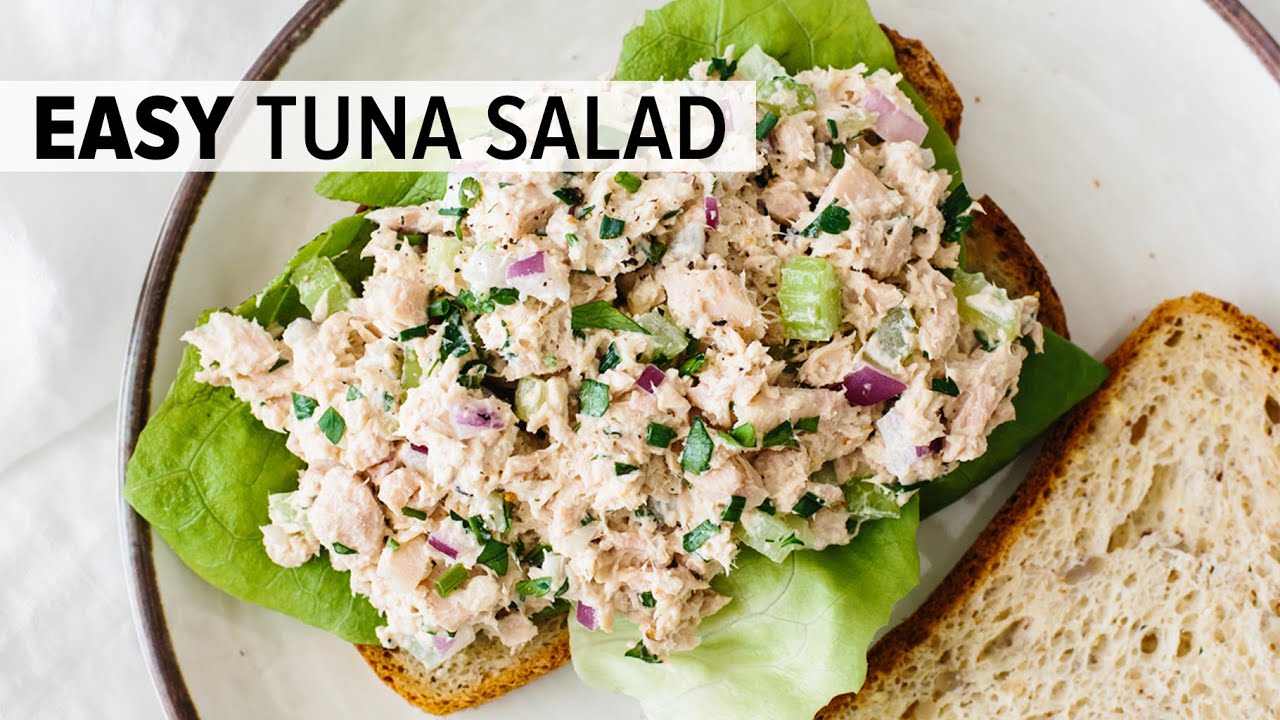
Classic Tuna Salad Recipe: If there’s one recipe that deserves a permanent spot in every home cook’s repertoire, it’s the classic tuna salad. It’s simple, quick, budget-friendly, and endlessly versatile. Whether you’re whipping up a quick lunch for yourself, making sandwiches for a picnic, or preparing a light dinner for the family, tuna salad always delivers. Its creamy texture, tangy dressing, and satisfying protein content make it a go-to choice for millions of people around the world.
Aside from being delicious, tuna salad is a time-saver. It can be prepared in under 15 minutes and stored for later use, making it perfect for meal prep. Plus, with its balance of protein, healthy fats, and carbohydrates (depending on how you serve it), it’s a wholesome option for anyone looking to maintain a balanced diet.
In this guide, we’ll walk through everything from the ingredients you’ll need to step-by-step instructions, plus expert tips to make sure your tuna salad turns out perfect every single time. By the end, you’ll have not just a recipe, but a method you can adapt to suit your taste and lifestyle.
Why Tuna Salad is a Timeless Dish
Tuna salad has stood the test of time for good reason. First popularized in the early 20th century, it quickly became a household favorite in the United States and beyond. Canned tuna was affordable, shelf-stable, and easy to transport, which made it an ideal ingredient for busy households. By combining it with mayonnaise and simple seasonings, people created a flavorful and satisfying meal without much effort.
Another reason tuna salad remains so popular is its flexibility. It fits into various diets — whether you’re eating low-carb, gluten-free, or even pescatarian. You can enjoy it in countless ways: inside a sandwich, stuffed in pita bread, served on lettuce wraps, or even scooped onto cucumber slices for a low-calorie snack. Its adaptability means you’ll never get bored, and it can suit both casual and formal dining settings.
Nostalgia plays a role too. For many, tuna salad brings back memories of school lunches, family picnics, or lazy weekend lunches at home. It’s a comfort food that feels familiar and reliable — a recipe that doesn’t need overcomplication to be satisfying.
On top of that, tuna is a lean source of protein that’s rich in omega-3 fatty acids, which support heart and brain health. This makes tuna salad not only a convenient meal but also a nutritious one. Whether you’re making it for yourself or serving it to loved ones, you can feel good about what’s going into the bowl.
Nutritional Benefits of Tuna Salad
Tuna salad might be comfort food, but it also packs a nutritional punch. Tuna itself is an excellent source of high-quality protein, providing all the essential amino acids your body needs to build and repair tissues. It’s also low in saturated fat and rich in omega-3 fatty acids, which are linked to improved cardiovascular health, reduced inflammation, and even better mood regulation.
One serving of tuna salad (depending on the ingredients) can provide:
- Protein: Around 20–25g, essential for muscle health and satiety.
- Healthy Fats: From tuna and mayo or alternative dressings.
- Vitamins & Minerals: Including vitamin D, selenium, iodine, and B vitamins.
If you choose lighter dressings like Greek yogurt instead of mayonnaise, you can reduce calories and fat while increasing calcium and probiotics. Adding vegetables like celery, onions, and bell peppers boosts fiber content, which supports digestion and helps keep you fuller for longer.
Another plus? Tuna is relatively low in mercury compared to larger fish, especially if you choose skipjack or light varieties. For anyone aiming for a healthy, balanced diet, tuna salad ticks a lot of boxes: it’s nutrient-dense, quick to prepare, and easy to pair with other wholesome foods like whole-grain bread or fresh greens.
Perfect Occasions to Serve Tuna Salad
One of the best things about tuna salad is how well it fits into different occasions. Hosting a summer picnic? Tuna salad sandwiches are easy to pack and serve. Need a quick lunch for work? A container of tuna salad with crackers or lettuce wraps makes for a filling, portable option. Planning a party? Mini tuna salad crostinis or stuffed cherry tomatoes are elegant, bite-sized appetizers.
Tuna salad also works for meal prepping. Make a big batch on Sunday, and you’ve got ready-to-go lunches for several days. It’s perfect for busy weeks when cooking every day isn’t an option. If you’re looking for something more substantial, serve it alongside a hearty soup or roasted vegetables for dinner.
It’s also a lifesaver when unexpected guests show up. Since most of the ingredients are pantry staples, you can whip up a fresh batch in minutes and serve it with bread, crackers, or even tortilla wraps. Whether casual or a bit more refined, tuna salad’s versatility ensures it’s always welcome at the table.
Ingredients You’ll Need
Before you dive into making the salad, let’s get your ingredients list sorted. Having everything ready beforehand will make the process smoother and more enjoyable.
Main Ingredients:
- Canned Tuna: Light tuna in water or oil (drained).
- Mayonnaise: For creaminess.
- Celery: Adds crunch and freshness.
- Red Onion: For a bit of sharpness.
- Lemon Juice: Brightens up the flavor.
- Salt & Pepper: To taste.
Optional Add-Ins:
- Chopped pickles or relish.
- Hard-boiled eggs.
- Fresh herbs (parsley, dill).
- Diced bell peppers.
- Sweet corn or peas.
- Mustard for extra tang.
Tip: Use high-quality tuna for the best flavor. If you can get fresh tuna, cook and flake it — but for most people, canned tuna offers unbeatable convenience.
Choosing the Best Tuna – Fresh vs. Canned
When it comes to making tuna salad, the choice between fresh and canned tuna can change both the flavor and texture of your dish. Fresh tuna offers a meaty, clean taste with a firm texture. It’s excellent if you want to make a gourmet-style salad, perhaps seared lightly before flaking into chunks. However, it’s more expensive, requires cooking, and isn’t as quick to prepare — making it less practical for everyday use.
Canned tuna, on the other hand, is what most people use for classic tuna salad. It’s budget-friendly, widely available, and already cooked, which means it’s ready to mix right out of the can. You’ll find different types:
- Chunk Light Tuna: Softer, milder flavor, usually from skipjack tuna.
- Solid White Albacore Tuna: Firmer, with a cleaner, less “fishy” taste.
- Tuna in Oil: Richer flavor, great for indulgent salads.
- Tuna in Water: Leaner, lighter option with fewer calories.
If you’re aiming for health benefits, light tuna in water is a good choice due to its lower mercury content and calorie count. But if flavor is your priority, tuna in olive oil adds richness and depth. Just remember to drain excess oil before mixing.
For most home cooks, canned tuna strikes the perfect balance between convenience, taste, and affordability. The key is to choose a high-quality brand with minimal additives — ideally, just tuna, water or oil, and a bit of salt.
How to Make Classic Tuna Salad – Step by Step Guide
Step 1 – Preparing the Tuna
Start by opening your can of tuna and draining it well. Too much liquid — whether water or oil — can make your salad watery and dilute the flavor. Press the lid against the tuna while draining to remove as much excess liquid as possible. If you’re using tuna in oil, you can save a tablespoon or two of the oil to enhance your dressing later.
Once drained, transfer the tuna to a medium mixing bowl. Use a fork to break it up into smaller flakes. The goal is to create bite-sized pieces — not a mushy paste — so be gentle. Breaking it down evenly ensures every bite has a consistent texture and flavor.
If you’re using fresh tuna, sear it in a skillet with a little olive oil, salt, and pepper until just cooked through. Let it cool before flaking it apart with a fork. Fresh tuna tends to be firmer, so you might need to break it into smaller chunks than you would with canned.
This step might seem simple, but it sets the foundation for your entire salad. A well-prepared tuna base means your mix-ins and dressing will blend more smoothly, creating a harmonious bite every time.
Step 2 – Chopping Vegetables and Add-Ins
Vegetables are the key to giving your tuna salad texture, freshness, and extra nutrition. The classic choice is celery, chopped into small, even pieces to provide a satisfying crunch. Red onion is another staple — its mild sharpness adds depth without overpowering the tuna.
Here’s a breakdown of common add-ins and what they contribute:
- Celery: Crunch and freshness.
- Red Onion or Shallots: Mild spice and color.
- Pickles or Relish: Tangy sweetness.
- Bell Peppers: Colorful sweetness and crunch.
- Fresh Herbs (dill, parsley, chives): Bright, fresh flavor.
- Hard-Boiled Eggs: Creaminess and added protein.
- Capers: Briny kick for a gourmet touch.
When chopping, aim for small, uniform pieces so they mix evenly and you don’t end up with overly large bites of one ingredient. This helps every forkful feel balanced.
If you want extra flavor complexity, consider adding a pinch of smoked paprika, crushed garlic, or even a splash of vinegar. These small tweaks can elevate your salad from everyday to restaurant-worthy.
Step 3 – Making the Dressing
The dressing is the soul of your tuna salad — it’s what binds everything together. The classic version uses mayonnaise, which provides richness and creaminess. Start with about 2–3 tablespoons per can of tuna, adjusting based on your preference for creaminess.
For a lighter twist, swap part or all of the mayo for Greek yogurt. This adds tang while cutting down on calories and fat, and it brings extra protein to the mix. You can also combine mayo and yogurt for a balance of richness and freshness.
Here are some optional additions to boost flavor:
- Lemon Juice: Brightens the overall taste.
- Dijon Mustard: Adds tang and depth.
- Olive Oil: Smooth richness (especially if you used tuna in water).
- Honey or Maple Syrup: A touch of sweetness to balance acidity.
To make the dressing, whisk your chosen ingredients in a small bowl until smooth. This ensures the flavors are evenly distributed before mixing with the tuna and vegetables. Season with salt and black pepper to taste — remember, you can always add more later.
Step 4 – Mixing Everything Together
Now comes the fun part — combining all the elements into a cohesive salad. Add your chopped vegetables and any optional mix-ins to the bowl with the flaked tuna. Pour the dressing over the top, then gently fold the mixture together with a spatula or large spoon.
Folding instead of stirring vigorously helps maintain texture — you want the tuna to stay in small flakes, not break down into a paste. Taste the salad at this stage and adjust seasoning if needed. Sometimes a squeeze of extra lemon juice or a pinch more salt can make all the difference.
If you’re making the salad ahead of time, cover the bowl with plastic wrap and refrigerate for at least 30 minutes before serving. This resting time allows the flavors to meld and deepen, resulting in an even tastier final dish.
Step 5 – Serving Suggestions
Tuna salad is one of those rare dishes that can be enjoyed in so many ways it never gets boring. The most classic serving style is in a sandwich — pile your tuna salad between slices of soft bread, maybe with lettuce and tomato for extra freshness. Whole grain, sourdough, or even a crusty baguette can all be excellent choices depending on your preference.
For a low-carb option, serve tuna salad in crisp lettuce wraps. Romaine or butter lettuce leaves are sturdy enough to hold a generous scoop while adding a refreshing crunch. You can also stuff tuna salad into halved bell peppers, avocado halves, or cucumber boats for creative and colorful presentations.
If you want a light lunch, try serving tuna salad over a bed of mixed greens with a sprinkle of sunflower seeds or chopped nuts for extra texture. For something more filling, spoon it onto baked potatoes or pair it with crackers and cheese for a picnic-style meal.
When serving for a crowd, mini croissants, pita pockets, or even small savory tart shells make tuna salad look elegant and party-ready. The beauty of this recipe is that it transitions seamlessly from everyday meals to special occasions just by changing how you serve it.
Variations of the Classic Tuna Salad
Even though the traditional recipe is delicious, experimenting with variations can keep things exciting.
Mediterranean-Style Tuna Salad
Swap mayo for olive oil and lemon juice, then add chopped olives, cherry tomatoes, cucumber, and feta cheese. A sprinkle of oregano gives it a sunny, Greek-inspired flavor.
Spicy Tuna Salad
Add sriracha, diced jalapeños, or crushed red pepper flakes to the dressing. You can also use spicy mustard for an extra kick. This variation works great in lettuce wraps for a zesty lunch.
Low-Carb and Keto-Friendly Tuna Salad
Use full-fat mayo or avocado as your base, and skip any sugary dressings. Add in low-carb vegetables like celery, cucumber, and green onions. Serve in lettuce wraps or stuffed avocado halves for a nutrient-packed meal.
These tweaks take only a few extra minutes but completely transform the flavor profile. You can tailor your tuna salad to match your mood, dietary needs, or whatever ingredients you have on hand.
Tips for the Perfect Tuna Salad
Creating a truly great tuna salad comes down to a few key principles.
- Use Quality Tuna: Even if you’re buying canned, choose brands with minimal additives and good flavor.
- Don’t Over-Mix: Keep some texture in the tuna for a satisfying bite.
- Balance the Dressing: Too much mayo can make it heavy; too little can make it dry. Start small and adjust.
- Chill Before Serving: A short rest in the fridge lets flavors meld.
- Season Wisely: Tuna is naturally savory, but a dash of acid (lemon juice or vinegar) and a pinch of salt can brighten the dish.
Avoid common mistakes like adding too much liquid (which can make it soggy) or overpowering the tuna with too many strong flavors. The goal is harmony, not competition, between ingredients.
Pairing Tuna Salad with Other Dishes
Tuna salad can shine as the star of the meal or as part of a larger spread. Pair it with a light soup like tomato basil or vegetable broth for a comforting lunch. A side of roasted sweet potatoes or a quinoa salad makes it a more filling dinner.
For picnics or parties, pair tuna salad sandwiches with chips, fruit salad, and iced tea for a classic combination. You can also serve it alongside antipasto platters, roasted vegetables, or crusty bread with butter for a more gourmet spread.
Pairing isn’t just about flavor — it’s about balancing textures and nutritional value. Since tuna salad is creamy and protein-rich, pairing it with something fresh, crunchy, or slightly acidic keeps the meal from feeling heavy.
How to Keep Tuna Salad Fresh
Tuna salad is best enjoyed fresh, but proper storage can keep it tasting great for several days. Always store it in an airtight container in the refrigerator. This prevents it from absorbing other fridge odors and keeps the ingredients crisp.
Generally, tuna salad stays fresh for 3–4 days in the fridge. If you’ve used a yogurt-based dressing, consume it within 2–3 days for the best texture and flavor. Never leave tuna salad at room temperature for more than 2 hours — bacteria can grow quickly in mayonnaise-based dishes.
For meal prep, you can keep the dressing separate and mix it with the tuna and vegetables right before eating. This helps maintain crunch and prevents sogginess.
Storage and Meal Prep Ideas
One of the reasons tuna salad is such a favorite for busy people is that it stores well and is easy to prepare in advance. If you plan to make a batch for the week, the key is to keep it fresh and flavorful for as long as possible.
Refrigeration:
- Store tuna salad in an airtight glass or BPA-free plastic container to keep odors from seeping in.
- Keep it in the coldest part of the fridge, ideally at 40°F (4°C) or below.
- Consume within 3–4 days for the best taste and safety.
Meal Prep Tips:
If you want to prepare ahead, consider storing the dressing separately from the tuna and chopped vegetables. This prevents the salad from becoming watery and keeps the veggies crisp. You can mix everything together just before eating.
Freezing — Yes or No?
Freezing tuna salad isn’t generally recommended if it contains mayonnaise or yogurt, as these can separate and become grainy once thawed. However, you can freeze just the flaked tuna by itself, then thaw it and mix in fresh dressing and vegetables when ready.
For grab-and-go lunches, portion your tuna salad into individual containers. Pair with crackers, pita bread, or lettuce wraps in separate compartments to keep textures fresh until mealtime.
FAQs about Classic Tuna Salad Recipe
1. Can I use flavored canned tuna for tuna salad?
Yes! Flavored tuna (like lemon pepper or herb-infused) can add an instant boost of flavor. Just taste before adding extra seasoning.
2. How long can tuna salad sit out before going bad?
No more than 2 hours at room temperature. In hot weather (above 90°F/32°C), limit it to 1 hour.
3. What’s the healthiest dressing for tuna salad?
Greek yogurt is a great low-calorie, high-protein alternative to mayo. You can also use olive oil and lemon juice for a Mediterranean twist.
4. Can I make tuna salad without mayo?
Absolutely. Try mashed avocado, Greek yogurt, or hummus for creaminess without mayo.
5. How do I make tuna salad taste less “fishy”?
Rinse canned tuna under cold water before using, and add lemon juice, fresh herbs, or Dijon mustard to brighten the flavor.
Conclusion
A classic tuna salad is more than just a quick meal — it’s a versatile, satisfying, and nutritious dish that works for everything from weekday lunches to special gatherings. With just a few pantry staples and fresh vegetables, you can create a creamy, flavorful salad in under 15 minutes.
Whether you stick to the traditional recipe or explore creative variations like Mediterranean or spicy tuna salad, the key is balance: a quality protein base, a well-seasoned dressing, and the right amount of crunch from vegetables. By following the steps in this guide and using the storage tips provided, you’ll have a dish that stays fresh, tastes great, and fits seamlessly into your weekly meal rotation.
So, grab that can of tuna from your pantry — your perfect tuna salad is just a few steps away.