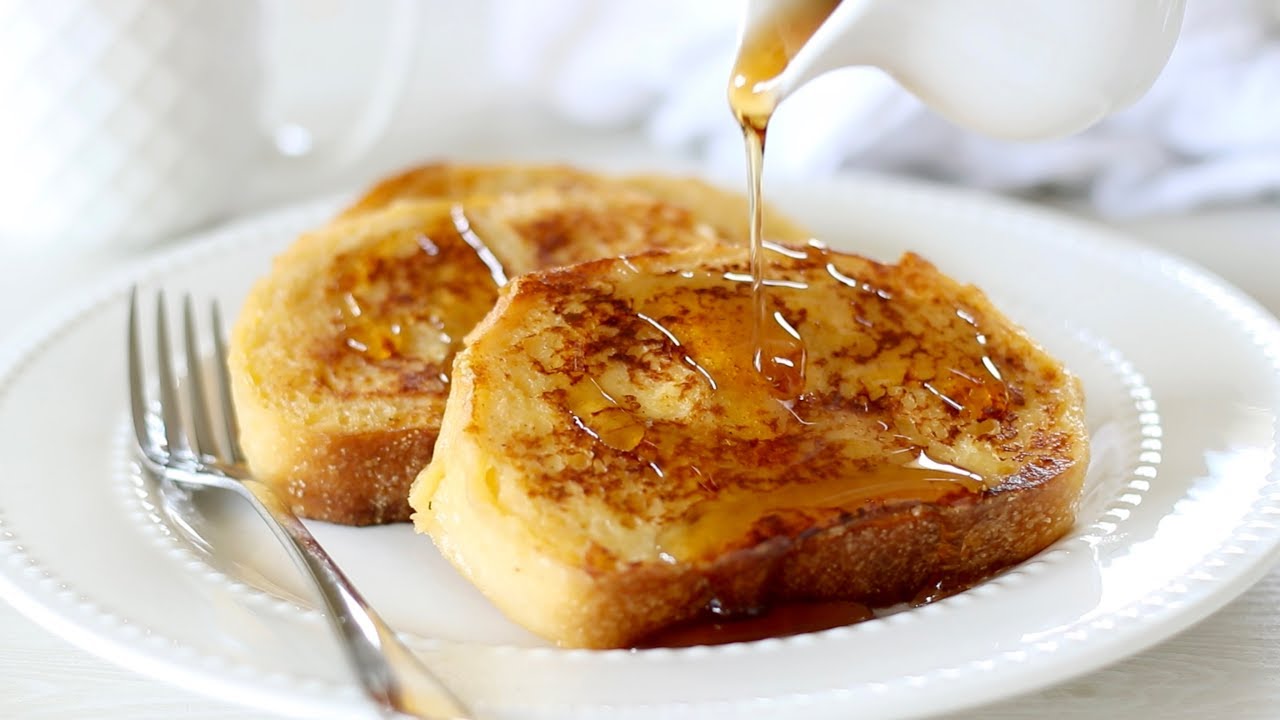
Classic French Toast Recipe: Who doesn’t love waking up to the smell of warm, cinnamon-laced French toast sizzling on a hot skillet? French toast is that cozy, feel-good breakfast food that brings back memories of lazy weekend mornings, holiday brunches, and childhood comfort. It’s sweet, soft in the middle, crispy on the edges, and topped with just about anything you love—syrup, fruits, whipped cream, or even savory toppings if you’re feeling adventurous.
French toast is known by many names across the globe—“pain perdu” in France (which literally means “lost bread”), “eggy bread” in parts of the UK, and even just “fried bread” in some places. But no matter what you call it, one thing is clear—it’s absolutely delicious.
This guide will take you through the ultimate, foolproof method to making the best classic French toast from scratch. Whether you’re a total beginner or a home chef looking to level up your breakfast game, this article has you covered with everything from ingredients and tips to flavor ideas and troubleshooting.
Why You’ll Love This Classic French Toast
Classic French toast is one of those recipes that never goes out of style. Why? Because it’s simple, customizable, and always hits the spot. Here’s why people keep coming back to this timeless dish:
- Quick to Make – It takes less than 30 minutes from start to finish.
- Beginner-Friendly – If you can whisk eggs and flip bread, you can master this.
- Budget-Friendly – Uses everyday ingredients you likely already have.
- Versatile – Want it sweet or savory? Light or indulgent? It’s up to you.
- Crowd-Pleaser – Perfect for family breakfasts, brunches, or even dessert.
If you’re craving something warm, comforting, and downright satisfying, this classic French toast recipe is your go-to.
List of Ingredients You’ll Need
Before we jump into the cooking, let’s gather everything you’ll need. The beauty of French toast is that it requires only a handful of pantry staples.
Main Ingredients:
| Ingredient | Amount |
|---|---|
| Eggs | 4 large |
| Milk | 1 cup (whole or 2%) |
| Bread | 6-8 slices (thick-cut) |
| Sugar | 1–2 tbsp |
| Cinnamon | 1 tsp |
| Vanilla Extract | 1 tsp |
| Salt | A pinch |
| Butter or Oil | For frying |
Optional Add-ons and Toppings:
- Maple syrup or honey
- Fresh berries (strawberries, blueberries, bananas)
- Powdered sugar
- Whipped cream
- Nut butters
- Chopped nuts (pecans, almonds)
Ingredient Substitutions:
- Dairy-Free? Use almond, oat, or soy milk.
- Gluten-Free? Use gluten-free bread.
- No Sugar? Use maple syrup or skip it for a savory version.
- Egg-Free? Try mashed banana or a flaxseed egg (1 tbsp ground flax + 3 tbsp water per egg).
Kitchen Tools and Equipment Required
You don’t need a professional kitchen to make amazing French toast. Most of the tools you’ll need are already in your kitchen. Here’s a quick list of essentials that’ll help you whip up this dish smoothly.
Must-Haves for the Perfect French Toast:
- Mixing bowl – For whisking your eggs and milk mixture.
- Whisk or fork – To thoroughly blend your ingredients.
- Measuring cups and spoons – Precision matters, especially for the custard base.
- Non-stick skillet or griddle – For even cooking and easy flipping.
- Spatula – To flip the toast without breaking it.
- Tongs (optional) – Handy for flipping if you prefer more control.
Helpful Extras for Efficiency:
- Baking sheet with a wire rack – If you’re cooking for a crowd and want to keep finished slices warm.
- Immersion blender – For an ultra-smooth custard mixture.
- Sifter – For dusting powdered sugar evenly over your toast.
Having the right tools not only makes the job easier but ensures your French toast turns out golden brown and perfectly cooked every single time.
Step-by-Step Guide to Making Classic French Toast
Alright, time to get cooking. Here’s the step-by-step process to help you make French toast like a pro.
1. Prepare Your Ingredients
Start by gathering and measuring out all your ingredients. Pre-slice your bread if needed. Make sure your eggs are fresh and at room temperature—they whisk more easily that way.
If you’re using day-old bread, you’re already on the right track. Slightly stale bread absorbs the custard better than fresh bread, giving you that rich, custardy texture without getting soggy.
2. Whisk the Egg Mixture
In a medium to large mixing bowl, crack your eggs and whisk them until fully combined. Then add:
- Milk
- Sugar
- Cinnamon
- Vanilla extract
- Pinch of salt
Whisk everything until smooth. You should see a slightly frothy consistency on top, which means it’s well mixed.
Pro Tip: Strain the mixture if you want an ultra-smooth finish, especially if you’re using coarse spices.
3. Soak the Bread
Pour the custard mixture into a shallow dish—something like a pie pan works great. Place one or two slices of bread into the dish at a time, depending on the size.
Let each slice soak for about 15–30 seconds per side. You want the bread to absorb the mixture but not fall apart. Too long, and you’ll end up with soggy toast. Too short, and the inside will be dry.
4. Heat and Grease Your Skillet
Place your skillet or griddle over medium heat. Add a knob of butter or a drizzle of oil to coat the pan. Let it heat until the butter is melted and slightly bubbling (but not brown or smoking).
5. Cook the French Toast
Transfer the soaked bread slices onto the skillet. Cook for about 2 to 3 minutes per side, or until each side is golden brown and slightly crisp.
Flip carefully using a spatula. The toast should feel slightly firm when pressed in the middle. If it’s too soft, give it another minute.
6. Serve and Garnish
Once cooked, move your slices to a plate or keep them warm on a baking sheet in a low oven (around 200°F / 95°C).
Top with your favorite garnishes:
- A drizzle of maple syrup
- A dusting of powdered sugar
- A dollop of whipped cream
- Fresh berries
Boom—breakfast is served.
Tips for the Best French Toast
Even the simplest recipes can go wrong without a few key tips. Here’s how to take your French toast from decent to mind-blowingly good:
- Use thick-cut, slightly stale bread. It holds the custard better.
- Don’t over-soak. Soaking too long makes the bread mushy.
- Keep the heat at medium. Too high, and the outside burns before the inside cooks.
- Whisk the custard well. Unmixed egg whites can make your toast patchy.
- Use butter + oil. Butter gives flavor, oil prevents burning.
- Wipe the pan between batches. Burnt bits from the first batch can ruin the next.
A little patience and the right technique make all the difference.
Best Types of Bread for French Toast
Bread is the foundation of French toast, so it’s worth picking the right one.
Top Choices:
- Brioche – Buttery and soft with a slightly sweet flavor. The gold standard.
- Challah – Rich and eggy, holds custard well.
- Texas Toast – Thick and fluffy, perfect for a hearty breakfast.
- French Bread – Slightly chewy with a nice crust.
- Sourdough – Tangy and rustic, great for savory versions.
Avoid thin sandwich bread unless it’s the only option. It tends to fall apart and doesn’t soak well.
Pro Tip: Let your bread sit out overnight or toast it lightly before soaking—it helps absorb the mixture without falling apart.
Flavor Variations to Try
Classic is great, but sometimes you want to jazz things up. Here are some fun and delicious flavor twists:
1. Cinnamon Roll French Toast
Add extra cinnamon and a swirl of brown sugar to your custard. Top with cream cheese icing instead of syrup.
2. Vanilla Cream French Toast
Use vanilla bean paste and top with whipped vanilla cream and berries.
3. Savory French Toast
Skip the sugar and vanilla. Add a pinch of black pepper and parmesan cheese. Top with avocado, bacon, or eggs.
4. Stuffed French Toast
Spread cream cheese or Nutella between two slices before dipping. Seal and cook as usual for a decadent stuffed treat.
5. Pumpkin Spice French Toast
Add pumpkin puree and pumpkin pie spice to the custard. Serve with maple pecans and whipped cream.
There are endless ways to play with flavors once you master the base recipe.
Toppings to Elevate Your French Toast
Let’s be honest: toppings are half the fun when it comes to French toast. You can go traditional or totally wild—it’s all up to your cravings. Here are some drool-worthy ideas to take your French toast from good to unforgettable.
Sweet Toppings:
- Maple syrup – A classic for a reason. Use pure maple syrup for the best flavor.
- Powdered sugar – A light dusting gives that café-style finish.
- Fresh fruit – Strawberries, blueberries, bananas, raspberries… it’s all good.
- Whipped cream – For a decadent dessert-for-breakfast vibe.
- Chocolate chips – Sprinkle a few over warm toast so they melt slightly.
- Caramel drizzle – Especially good on stuffed or cinnamon French toast.
Crunchy Add-Ons:
- Toasted almonds or pecans
- Granola
- Crumbled graham crackers
- Coconut flakes
Savory Topping Ideas (For a Twist):
- Sautéed mushrooms and spinach
- Avocado slices with chili flakes
- Fried or poached egg on top
- Crispy bacon or ham
Mix and match until you find your perfect combo. Whether you like it sweet, fruity, creamy, or a little bit salty, toppings are where you make the dish your own.
Serving Suggestions
Sure, French toast can totally shine on its own. But pair it with the right sides or drinks, and you’ve got yourself a full-on brunch experience.
Breakfast Pairings:
- Scrambled or fried eggs – Protein to balance out the sweetness.
- Crispy bacon or sausage links – Adds a savory crunch.
- Greek yogurt and fruit – Light and fresh pairing.
- Breakfast potatoes or hash browns – Hearty and filling.
Drink Pairings:
- Fresh orange juice – Bright and citrusy to cut through richness.
- Hot coffee or cappuccino – For a real café-style experience.
- Herbal teas – Like chamomile or mint for a calming brunch.
Hosting brunch? Make a French toast bar with various toppings and let everyone build their dream plate!
Storing and Reheating French Toast
Made too much? No problem. French toast keeps well, and with a little care, it’ll still taste amazing later.
How to Store Leftovers:
- In the fridge: Let slices cool completely, then place in an airtight container or wrap in foil. Store for up to 3–4 days.
- In the freezer: Layer slices between parchment paper in a freezer-safe bag or container. Freeze for up to 2 months.
Best Reheating Methods:
- Oven (Best Method): Preheat to 350°F (175°C). Place slices on a baking sheet and heat for 10–15 minutes.
- Toaster Oven: Works great for crispy edges. Toast until heated through.
- Microwave: Quick but may make it soggy. Heat for 30–60 seconds, checking in between.
- Skillet: Reheat on medium-low heat with a touch of butter for that just-made taste.
Bonus tip: Frozen slices can go straight into the toaster!
French Toast for Meal Prep
If you’re into easy weekday breakfasts, you’re going to love this.
How to Meal Prep French Toast:
- Make a big batch on the weekend.
- Cool completely on a wire rack (prevents sogginess).
- Store or freeze (as detailed above).
- Reheat as needed throughout the week.
Perfect for busy school mornings or lazy Sunday brunches without the hassle.
You can even prep the custard mixture in advance and store it in the fridge for 2–3 days, ready to go whenever you need a quick breakfast fix.
Common Mistakes and How to Avoid Them
Even a simple recipe like French toast can go sideways. Here’s a quick troubleshooting guide to help you avoid rookie errors.
1. Soggy French Toast
Why it happens:
- Bread soaked too long
- Too much milk in the custard
- Bread was too soft or thin
Fix it:
- Use thicker, day-old bread
- Stick to the 15–30 second soak time
- Keep your custard balanced—don’t skip the eggs!
2. Burnt on the Outside, Raw Inside
Why it happens:
- Heat too high
- Skillet not preheated properly
- Bread soaked too long and became too dense
Fix it:
- Keep the heat at medium
- Let the skillet preheat before adding toast
- Give thicker slices a bit more cooking time
3. Bland Flavor
Why it happens:
- Not enough seasoning in the custard
- Skipping vanilla, cinnamon, or salt
Fix it:
- Be generous with cinnamon and vanilla
- Always add a pinch of salt—it brings out the sweetness
Following the tips in this guide will have you nailing French toast every time.
Nutritional Breakdown
Here’s a rough estimate for 1 slice of classic French toast (without toppings):
| Nutrient | Amount |
|---|---|
| Calories | 180–220 kcal |
| Carbs | 25–30g |
| Protein | 6–8g |
| Fat | 7–10g |
| Fiber | 1–2g |
| Sugar | 6–8g |
These numbers can vary depending on the type of bread, milk, and toppings you use.
Healthier French Toast Tips:
- Use whole-grain or low-carb bread
- Opt for low-fat or plant-based milk
- Reduce sugar or skip it entirely
- Use olive oil spray instead of butter for cooking
- Load up on fresh fruits instead of syrup
Balance is key—French toast can totally be part of a wholesome breakfast when made thoughtfully.
FAQs about Classic French Toast Recipe
1. Can I use non-dairy milk for French toast?
Absolutely! Almond milk, oat milk, soy milk, and even coconut milk work well as substitutes. Just note that some will add their own flavor.
2. Can French toast be made ahead of time?
Yes! You can either store pre-cooked slices in the fridge or freeze them for later. Just reheat in a toaster or oven when you’re ready to eat.
3. What’s the best bread for French toast?
Brioche and challah are top-tier picks for that rich, custardy texture. Thick, slightly stale slices of any bread also work great.
4. How do I make French toast crispier?
Use thick, slightly stale bread and make sure your pan is hot enough. Adding a touch of oil with butter can help the edges crisp up nicely.
5. Can I make it without eggs?
You can! Use alternatives like mashed bananas, applesauce, or flaxseed egg (1 tbsp flax + 3 tbsp water). The texture will be different but still tasty.
Conclusion
French toast isn’t just a breakfast dish—it’s a warm hug on a plate. Whether you’re whipping it up on a lazy Sunday, treating friends to brunch, or just craving something comforting, this classic recipe will never fail you.
With just a few pantry staples and a little technique, you can make café-worthy French toast right in your own kitchen. Play with flavors, try different toppings, and most importantly—have fun with it.
The beauty of French toast is its flexibility. It can be dressed up or down, sweet or savory, simple or gourmet. Once you master the basics, the possibilities are endless.
So go ahead, grab that whisk and make your morning a little more delicious.