Cinnamon Tea Recipe: Cinnamon tea is one of the most comforting and aromatic hot drinks we can prepare at home with minimal effort and deeply satisfying results. It is warm, fragrant, naturally soothing, and easy to customize for different tastes and occasions. Whether we want a gentle morning drink, a calming evening cup, or a flavorful beverage to serve during cool weather, this recipe delivers a rich cinnamon infusion with a smooth finish and inviting aroma.
What makes this cinnamon tea recipe especially valuable is its simplicity. With just a few pantry ingredients and a few minutes on the stove, we can create a tea that tastes pure, balanced, and far better than many store-bought alternatives. The flavor is bold yet pleasant, and it can be served plain or enhanced with sweeteners, citrus, ginger, honey, or milk depending on preference.
This guide covers everything clearly, from the ingredients you’ll need to the exact step-by-step method for brewing a flavorful cup or pot of cinnamon tea at home.
Ingredients You’ll Need
To prepare a classic homemade cinnamon tea, we only need a few basic ingredients. The exact measurements can be adjusted based on how strong or mild we want the tea to be.
Basic Ingredients
- 2 cups water
- 2 cinnamon sticks
- 1 teaspoon black tea leaves or 1 black tea bag (optional, for a stronger tea base)
- 1 to 2 teaspoons honey, sugar, or maple syrup (optional, to taste)
- 1 teaspoon lemon juice (optional, for brightness)
Optional Flavor Boosters
- 3 to 4 fresh ginger slices
- 2 cloves
- 1 small piece of star anise
- A small strip of orange peel
- A splash of milk for a creamier variation
These optional additions can deepen the flavor and help us create a more layered and memorable cup of cinnamon tea. However, the core recipe works beautifully even with just water and cinnamon sticks.
Why Cinnamon Tea Is So Popular
Cinnamon tea remains a favorite because it offers a naturally inviting flavor profile without requiring complicated techniques. It smells warm, tastes comforting, and suits many settings. We can serve it as a morning beverage, a midday refreshment, an after-meal tea, or a relaxing evening drink.
The appeal also lies in its flexibility. We can make it light and delicate, deep and spicy, sweet and soothing, or even strong and robust by pairing it with black tea. That versatility makes it one of the easiest homemade tea recipes to keep in regular rotation.
Choosing the Best Cinnamon for Tea
The quality of the cinnamon matters. For the best homemade cinnamon tea, we should use whole cinnamon sticks whenever possible rather than ground cinnamon. Cinnamon sticks produce a cleaner infusion, clearer liquid, and smoother flavor. Ground cinnamon can make the tea cloudy and gritty if it is added directly to water.
There are generally two popular types of cinnamon used in recipes:
Ceylon Cinnamon
This variety is often considered milder, smoother, and more delicate in flavor. It works especially well when we want a refined, gentle tea.
Cassia Cinnamon
This type is stronger, bolder, and more common in many kitchens. It creates a more intense cinnamon flavor and is excellent for a powerful, spicy brew.
Both work well in this recipe. The choice depends on whether we prefer a softer or stronger cinnamon taste.
Kitchen Tools Needed
This recipe does not require any special equipment, which makes it even more practical.
- Small saucepan or pot
- Measuring cups
- Spoon
- Tea strainer if using loose tea leaves
- Mug or teapot for serving
With these basic tools, we can prepare a fresh and aromatic tea in minutes.
Step-by-Step Guide for Cinnamon Tea
Step 1: Measure the Water and Cinnamon
Pour 2 cups of water into a small saucepan. Add 2 cinnamon sticks to the water. If we want a stronger infusion, we can slightly break the cinnamon sticks before adding them. This helps release more flavor into the water as it heats.
At this stage, we can also add optional ingredients such as ginger slices, cloves, or a little orange peel if we want a more spiced and layered tea.
Step 2: Bring the Mixture to a Gentle Boil
Place the saucepan over medium heat and bring the water and cinnamon to a gentle boil. Once it starts to bubble, reduce the heat slightly and allow it to simmer rather than boil aggressively.
A gentle simmer is ideal because it draws out the essential flavor of the cinnamon without making the tea taste harsh. This process also allows the aroma to develop fully, filling the kitchen with a warm and inviting fragrance.
Step 3: Simmer Until the Flavor Deepens
Let the cinnamon simmer in the water for about 10 to 15 minutes. The longer it simmers, the deeper the flavor becomes. For a lighter tea, 8 to 10 minutes may be enough. For a stronger and richer cup, we can simmer closer to 15 minutes.
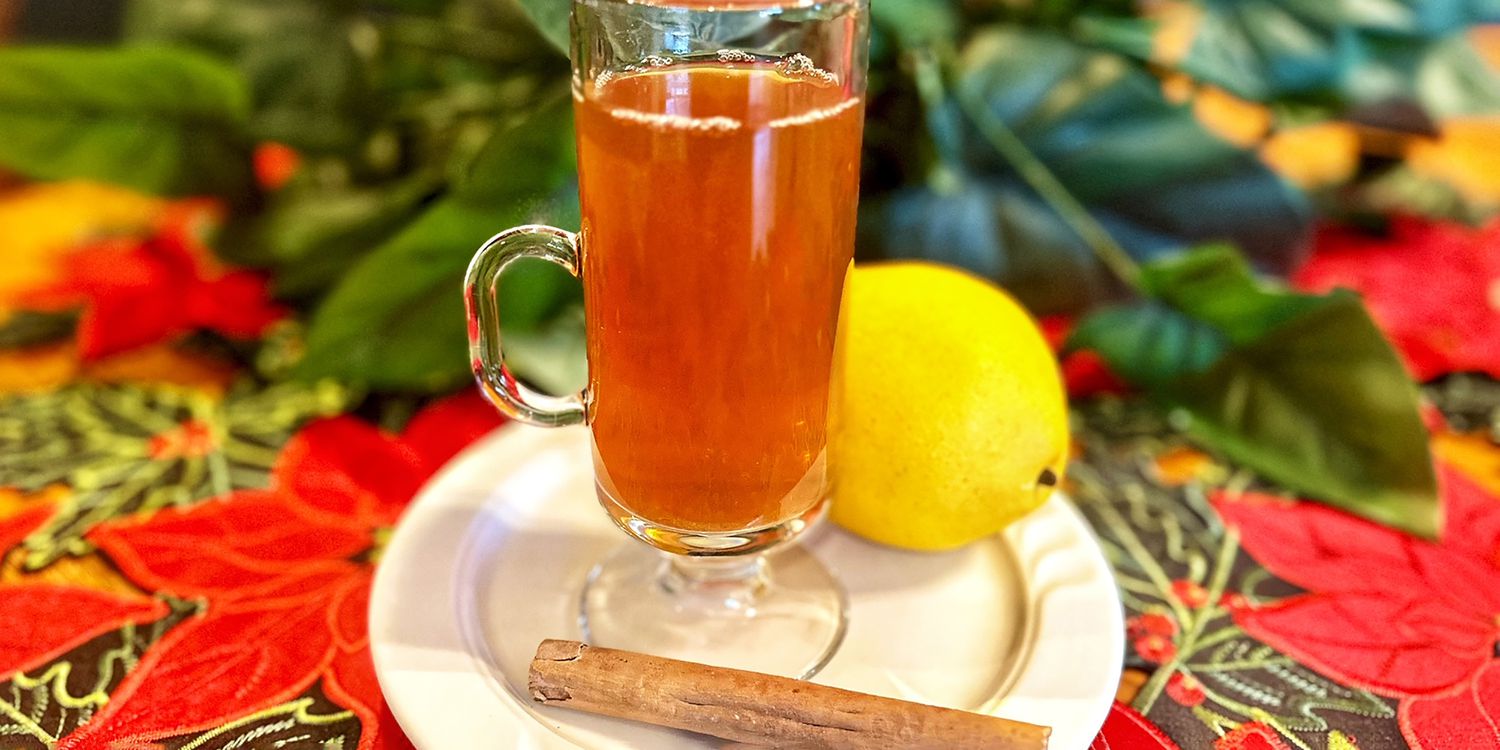
During this time, the water gradually takes on a warm golden-brown color, and the cinnamon flavor becomes more pronounced. If we are making the tea for guests or for a special serving, this simmering step is where the richness is built.
Step 4: Add the Tea Leaves or Tea Bag if Using
If we want a more traditional tea character with extra body, now is the time to add 1 teaspoon of black tea leaves or 1 tea bag. Let it steep in the hot cinnamon water for 2 to 3 minutes.
This step is optional, but it creates a fuller flavor and gives the tea more depth. It also works well for those who enjoy a stronger beverage that feels closer to spiced breakfast tea.
If we want a pure cinnamon infusion, we can skip this step completely.
Step 5: Strain the Tea
Remove the saucepan from the heat. If we used loose black tea, cloves, ginger, or orange peel, strain the mixture into a mug, teacup, or teapot. If we only used cinnamon sticks, we can simply lift them out with tongs or a spoon.
The strained tea should look clear and warm, with a beautiful color and a strong cinnamon aroma.
Step 6: Sweeten to Taste
Add honey, sugar, or maple syrup if desired. Stir well until dissolved. Sweetener is optional, but a small amount can soften the spice and round out the flavor beautifully.
For a brighter finish, we can also stir in a teaspoon of lemon juice. This adds a subtle fresh note that pairs surprisingly well with cinnamon.
Step 7: Serve Hot and Fresh
Pour the tea into a cup and serve immediately while hot. For presentation, we can garnish the mug with a fresh cinnamon stick, a thin lemon slice, or a small twist of orange peel.
The result is a fragrant, smooth, and satisfying homemade cinnamon tea that feels elegant while remaining wonderfully simple.
How to Make Cinnamon Tea Taste Better
A great cinnamon tea is already delicious on its own, but there are several easy ways to make it even more appealing.
Add Fresh Ginger
Ginger adds warmth, brightness, and a more complex spicy note. It works especially well when we want a bold tea with extra character.
Use Honey Instead of Sugar
Honey gives the tea a softer sweetness and complements cinnamon more naturally than plain sugar.
Add Citrus Peel
A small strip of orange or lemon peel gives the tea a fresher and more aromatic finish.
Blend with Black Tea
Combining cinnamon with black tea creates a fuller-bodied drink that feels richer and more structured.
Serve with Milk
A splash of warm milk can transform cinnamon tea into a creamier and gentler beverage with a smoother finish.
Common Mistakes to Avoid
Even a simple tea recipe can be improved by avoiding a few common errors.
Using Ground Cinnamon Directly
Ground cinnamon can clump, float, and create a gritty texture. Cinnamon sticks are better for a smooth and clean brew.
Boiling Too Hard
A violent boil can reduce the water too quickly and create a rougher taste. A gentle simmer is more effective.
Steeping Black Tea for Too Long
If black tea is added, it should steep only briefly. Over-steeping can make the tea bitter.
Adding Too Much Sweetener
Too much sugar or honey can hide the natural warmth of the cinnamon. It is better to start with a small amount and adjust gradually.
Easy Variations of Cinnamon Tea
One of the best things about this recipe is how easily we can adapt it.
Cinnamon Ginger Tea
Add 3 to 4 slices of fresh ginger while simmering. This version is bold, warming, and richly aromatic.
Cinnamon Lemon Tea
Add lemon juice just before serving. This creates a lighter and fresher cup with a pleasant citrus finish.
Cinnamon Milk Tea
Simmer the cinnamon in water first, then add a little warm milk after straining. This version is smoother, softer, and slightly richer.
Spiced Cinnamon Tea
Add cloves, star anise, or a small piece of cardamom for a fuller spiced tea with a festive character.
Iced Cinnamon Tea
Prepare the tea as usual, allow it to cool, then pour it over ice. Add lemon slices for a refreshing cold version.
Serving Ideas for Cinnamon Tea
Cinnamon tea can be served in many ways depending on the time of day and the occasion. It pairs beautifully with:
- Toast or pastries at breakfast
- Biscuits or cookies in the afternoon
- Light cakes or muffins
- Fruit platters
- Simple evening snacks
It also works well as a standalone drink when we want something warm, fragrant, and less heavy than coffee.
How to Store Leftover Cinnamon Tea
If we prepare more than needed, leftover cinnamon tea can be stored in the refrigerator once fully cooled. Pour it into a sealed container and refrigerate for up to 2 days.
To serve again, we can reheat it gently on the stove or in the microwave. If desired, we can refresh the flavor by adding a small extra piece of cinnamon while reheating.
Helpful Tips for the Best Results
For consistently excellent results, these simple tips make a noticeable difference:
- Use fresh cinnamon sticks for the strongest aroma
- Simmer slowly to extract flavor properly
- Strain well for a smoother finish
- Sweeten lightly and adjust gradually
- Serve hot for the most comforting flavor and aroma
These small details elevate a basic cup of tea into something far more enjoyable.
FAQs about Cinnamon Tea Recipe
1. What is cinnamon tea?
Cinnamon tea is a warm drink made by steeping cinnamon sticks or ground cinnamon in hot water. Some recipes also include tea bags, honey, lemon, or ginger for extra flavor.
2. Can I use ground cinnamon instead of cinnamon sticks?
Yes, but cinnamon sticks are usually better because they give a smoother flavor and are easier to strain out. Ground cinnamon can make the tea a little cloudy.
3. How long should I steep cinnamon tea?
Most cinnamon tea tastes good after 10 to 15 minutes of steeping. A longer steep can create a stronger and spicier flavor.
4. Can I sweeten cinnamon tea?
Yes. Honey, sugar, maple syrup, or another sweetener can be added to balance the spice and make the tea smoother.
5. Can I add other ingredients?
Yes. Common additions include ginger, lemon, cloves, orange slices, or black tea. These ingredients pair well with cinnamon and create a richer flavor.
6. Is cinnamon tea naturally caffeine-free?
Yes, plain cinnamon tea made only with cinnamon and water is naturally caffeine-free. It only contains caffeine if you add regular tea leaves or tea bags.
7. Can I drink cinnamon tea cold?
Yes. You can chill it and serve it over ice for a refreshing iced cinnamon tea. It still keeps its warm, spicy flavor.
8. How should I store leftover cinnamon tea?
Store it in a covered container in the refrigerator for up to 2 days. Reheat it gently or serve it cold, depending on your preference.
Conclusion
This cinnamon tea recipe proves that a simple drink can still feel rich, elegant, and deeply satisfying. With just a few ingredients and a straightforward process, we can create a homemade tea that is warm, aromatic, and easy to customize. Whether we prefer it plain, sweetened with honey, brightened with lemon, or deepened with black tea and spices, cinnamon tea remains one of the easiest and most rewarding beverages to make at home.
By following this step-by-step guide, we can prepare a cup that is flavorful, balanced, and consistently delicious. It is a practical recipe, a comforting ritual, and a timeless drink worth making again and again.