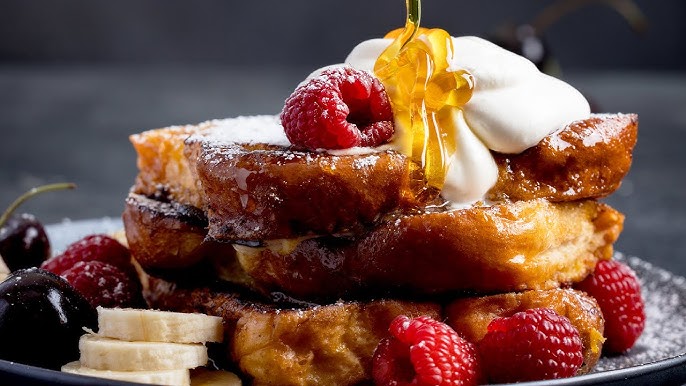
Cinnamon French Toast Recipe: Cinnamon French toast isn’t just breakfast—it’s comfort food on a plate. Imagine biting into soft, fluffy bread that’s been soaked in a creamy egg mixture, dusted with the warm, sweet aroma of cinnamon, and cooked until golden brown. It’s the kind of breakfast that makes you pause, smile, and maybe even pour a second drizzle of syrup just because you can.
French toast has earned a special place in kitchens all over the world because it strikes the perfect balance between simplicity and indulgence. You don’t need complicated ingredients or professional chef skills; a few pantry staples, some bread, and a little love are enough to create this classic dish. And when you add cinnamon? You’ve just taken it from “good” to “I could eat this every weekend.”
While the recipe may seem straightforward, small details can make all the difference—choosing the right bread, getting the egg mixture just right, and cooking it to that perfect golden crisp without drying it out. This guide will walk you through every step in detail so you can create French toast that’s worthy of a brunch café, right in your own kitchen.
Why Cinnamon French Toast is a Breakfast Favorite
There’s a reason why cinnamon French toast shows up on breakfast menus everywhere. First, cinnamon adds a natural sweetness and depth of flavor that complements the richness of the eggs and milk. It creates a warm, cozy aroma that instantly makes you feel at home.
Second, French toast is incredibly versatile—you can make it sweet with maple syrup and fresh fruit, or go for a savory twist with herbs and cheese. And because it’s quick to make, it’s perfect for both busy mornings and slow weekend brunches.
Plus, it’s a great way to use up bread that’s just starting to go stale, making it both delicious and economical. Whether you’re making it for your kids before school, whipping it up for a holiday breakfast, or treating yourself on a Sunday morning, cinnamon French toast never disappoints.
A Brief History of French Toast
Despite its name, French toast isn’t actually from France—at least, not originally. Variations of bread soaked in milk and eggs have been around since ancient Rome. The French version, known as pain perdu (meaning “lost bread”), became popular as a way to revive bread that was too dry to eat on its own.
Over time, the recipe spread across Europe and eventually to America, where it evolved into the sweet, cinnamon-kissed breakfast we know today. While the French often keep it simple with powdered sugar, Americans tend to load it with syrup, fruit, and even whipped cream. Regardless of where it’s made, the idea remains the same: transform humble bread into something extraordinary.
Ingredients You’ll Need
Essential Ingredients for the Perfect Flavor
For a classic cinnamon French toast that hits all the right notes, you’ll need:
- Bread – Thick slices like brioche, challah, or Texas toast work best.
- Eggs – They bind the ingredients and give the bread a rich texture.
- Milk or Cream – Whole milk gives creaminess, while half-and-half or heavy cream makes it even richer.
- Cinnamon – The star spice that adds warmth and depth.
- Vanilla Extract – Adds a subtle sweetness and elevates the flavor.
- Sugar – A small amount sweetens the custard mixture.
- Butter – For cooking and adding flavor.
The combination of eggs, milk, cinnamon, and vanilla creates a custard base that soaks into the bread, giving it that perfect creamy center while crisping up on the outside.
Optional Add-ons for Extra Indulgence
Once you’ve mastered the classic version, you can start experimenting:
- Nutmeg – Adds a slightly nutty, aromatic note.
- Maple Syrup in the Batter – For a deeper sweetness.
- Orange Zest – Brings a bright, citrusy twist.
- Flavored Extracts – Like almond or coconut for something different.
- Liquor – A splash of rum or bourbon for an adult brunch treat.
The beauty of French toast is that it’s endlessly customizable—once you have the basic formula down, you can create a version that’s perfectly tailored to your taste.
Equipment You’ll Need
Kitchen Tools to Make Cooking Easier
Making cinnamon French toast doesn’t require fancy gadgets, but the right tools can make the process smoother:
- Mixing Bowl – To whisk together the custard mixture.
- Whisk – Ensures the eggs, milk, and spices blend evenly.
- Shallow Dish – Makes it easier to dip the bread without breaking it.
- Nonstick Skillet or Griddle – For even cooking and easy flipping.
- Spatula – A wide one works best to lift and turn the slices without tearing.
Having these essentials on hand makes the process more efficient and enjoyable.
Best Cookware for Even Cooking
If you’re serious about achieving the perfect French toast, consider:
- Cast Iron Skillet – Retains heat well for consistent browning.
- Electric Griddle – Ideal if you’re making multiple servings at once.
- Ceramic-Coated Pan – Nonstick without the use of traditional coatings.
Good cookware ensures even cooking, which is key to avoiding undercooked centers or burnt edges.
Step-by-Step Guide to Making Cinnamon French Toast
Step 1 – Preparing the Egg Mixture
Start by cracking your eggs into a large mixing bowl. For every four slices of bread, you’ll typically need two eggs. Add milk or cream—about ½ cup per two eggs—along with a teaspoon of cinnamon, a teaspoon of vanilla extract, and one to two tablespoons of sugar.
Whisk the mixture thoroughly until everything is fully combined and the cinnamon is evenly dispersed. This is important because cinnamon can clump if not mixed well. You want a smooth, custard-like consistency.
If you’re making a larger batch, simply scale up the ingredients, keeping the ratio consistent. The goal is to create a mixture rich enough to coat the bread but not so thick that it becomes eggy when cooked.
Step 2 – Soaking the Bread Properly
This step is where the magic really happens. Soaking the bread isn’t just about getting it wet—it’s about letting the custard seep into every pore so that, when cooked, the inside turns creamy and the outside crisps up beautifully.
Start by pouring your prepared egg mixture into a shallow dish, like a pie plate or baking pan. Place one slice of bread into the mixture and let it sit for 20–30 seconds per side. This gives it time to absorb enough liquid without falling apart.
If you’re using thick slices like brioche or challah, you might need to soak them a little longer, especially if they’re slightly stale (which actually works in your favor—it prevents sogginess). However, don’t overdo it. If the bread is in the custard for too long, it can become too soft to handle and break when you transfer it to the skillet.
A little pro tip: swirl the bread in the mixture rather than just laying it flat. This ensures the edges soak up some custard too, which helps every bite taste indulgent. Once soaked, gently lift the slice and let the excess drip off before moving it to the pan.
Step 3 – Cooking to Golden Perfection
Heat your skillet or griddle over medium heat and add a small pat of butter. Let the butter melt completely and sizzle slightly, but don’t let it burn. You want it hot enough to sear the bread without scorching it.
Place your soaked bread slices onto the skillet. Cook for 2–3 minutes on each side, or until golden brown and slightly crisp. The trick here is patience—if you flip too soon, the surface won’t have time to caramelize properly.
For even browning, resist the urge to press down on the bread with your spatula; that can make it dense and tough. Instead, just let the heat work its magic. If you’re making multiple slices, keep the cooked ones warm in a low oven (about 200°F / 93°C) while you finish the rest.
The perfect cinnamon French toast will be golden on the outside with a soft, almost custard-like center. Once cooked, you’re ready to dress it up with your favorite toppings.
Choosing the Best Bread for French Toast
Thick vs. Thin Slices
Bread choice is just as important as the custard itself. Thick slices give you more room for that creamy center while still having enough structure to hold up during cooking. Brioche, challah, or Texas toast are classic choices because they’re rich, slightly sweet, and absorb liquid beautifully.
Thin slices, like standard sandwich bread, can work too, especially if you’re making a quick weekday breakfast. However, they soak faster, so you’ll need to reduce the soaking time to avoid mushiness.
If you’re feeling adventurous, try sourdough for a slightly tangy twist—it balances beautifully with the sweetness of cinnamon and syrup.
Fresh vs. Day-Old Bread
Fresh bread can be used, but slightly stale bread actually performs better. Why? It’s a bit drier, which means it soaks up more custard without falling apart. This is why pain perdu was originally made with “lost” (stale) bread—it’s the perfect texture for soaking.
If you only have fresh bread, you can mimic that effect by laying slices out on a baking sheet and letting them sit uncovered for a couple of hours, or by lightly toasting them before soaking.
Using the right bread can make the difference between average French toast and something truly restaurant-worthy.
Tips for Making the Best Cinnamon French Toast
How to Get the Perfect Texture
The secret to perfect cinnamon French toast lies in balance—you want a crisp, golden exterior and a soft, custardy center. To achieve this, you need three things: the right bread, the right custard, and the right heat.
Start with bread that has enough structure to hold its shape when soaked. Soft, fluffy bread like brioche or challah gives you a melt-in-your-mouth texture, but it also needs to be slightly stale so it won’t disintegrate in the egg mixture.
Your custard should be rich enough to add flavor but not so thick that it turns the bread heavy. That’s why the ratio of eggs to milk (or cream) matters—too much egg, and you’ll get scrambled egg bread; too much milk, and it might turn soggy.
Lastly, control your heat. Cooking on medium heat allows the bread to cook through without burning. High heat might give you a beautiful golden crust too quickly, leaving the inside raw, while low heat can make it dry and rubbery.
Avoiding Common Mistakes
Even though French toast seems foolproof, there are a few pitfalls that can trip you up:
- Over-soaking the bread – While you want a thorough soak, leaving the bread too long in the custard will make it fall apart.
- Using too much heat – High heat can burn the outside before the center cooks through.
- Not mixing the custard properly – If your cinnamon clumps or your eggs aren’t fully whisked, you’ll get uneven flavor and texture.
- Skipping the resting step – Letting the soaked bread rest for just a few seconds before hitting the pan helps prevent drips and ensures even cooking.
- Using only fresh bread – Day-old bread really does make a difference—it holds the custard better.
Following these tips will ensure you get French toast that’s consistently delicious every time you make it.
Serving Suggestions
Toppings for Extra Flavor
Once you’ve mastered the base recipe, it’s time to make it shine with toppings. Here are a few ideas:
- Classic – A dusting of powdered sugar and a drizzle of maple syrup.
- Fruity – Fresh berries, sliced bananas, or caramelized apples.
- Nutty – Toasted almonds, walnuts, or pecans for crunch.
- Creamy – Whipped cream, mascarpone, or Greek yogurt for richness.
- Decadent – A drizzle of chocolate sauce or caramel for a dessert-style breakfast.
If you want something gourmet, try layering slices with fresh fruit and cream to make a French toast stack—it’s as beautiful as it is delicious.
Presentation Tips for a Stunning Plate
Presentation might not change the flavor, but it can definitely elevate the experience. Arrange slices slightly overlapping, dust lightly with powdered sugar using a sieve, and garnish with a sprig of mint. For an extra touch, warm your syrup before drizzling—it not only tastes better but also gives that glossy, café-style look.
You can also slice the toast diagonally and stack them in a fan shape. Serve on a white plate for maximum contrast with the golden bread and colorful toppings. Remember, we eat with our eyes first, so a beautiful plate makes the first bite even more satisfying.
Variations of Cinnamon French Toast
Healthy Version with Whole-Grain Bread
If you love French toast but want a lighter option, whole-grain bread is your friend. It’s packed with fiber, has a nuttier flavor, and pairs wonderfully with cinnamon. Swap whole milk for almond or oat milk, and use honey or maple syrup sparingly.
You can also add protein powder to the custard for a post-workout breakfast or use Greek yogurt as a topping instead of whipped cream. Fresh berries add natural sweetness, reducing the need for extra sugar.
Decadent Dessert Version
On the other end of the spectrum is the dessert-worthy French toast—think special occasions and indulgent brunches. Use thick slices of brioche, soak them generously, and cook until golden. Then, top with vanilla ice cream, chocolate shavings, and a drizzle of caramel sauce.
For an even richer twist, try stuffing your French toast with cream cheese and strawberry preserves before cooking. It’s like having cheesecake for breakfast, but without the guilt of skipping dessert later.
Storing and Reheating French Toast
How to Keep It Fresh
Cinnamon French toast tastes best fresh off the skillet, but sometimes you make extra—or plan ahead for busy mornings. To store it properly, let the slices cool completely before putting them in an airtight container. If you seal them while still warm, the trapped steam will make them soggy.
You can store French toast in the refrigerator for up to 3 days. Place a sheet of parchment paper between slices to prevent sticking. This makes reheating easier and keeps the texture closer to freshly made.
Best Methods for Reheating
For the best results, reheat French toast in a skillet over medium heat for 1–2 minutes on each side. This brings back the crispy edges without drying out the inside.
If you’re in a rush, you can pop them in the toaster—this works surprisingly well for single slices. Microwaving is the quickest option, but it will soften the bread instead of crisping it, so only use it if you don’t mind losing that golden crust.
French toast also freezes beautifully. To freeze, arrange slices on a baking sheet, freeze until solid, then transfer to a freezer-safe bag. They’ll last for up to 2 months. Reheat directly from frozen using the toaster or oven.
Nutritional Information
Calories and Macronutrients
The nutrition profile of cinnamon French toast depends on the ingredients you use. A classic slice made with brioche, whole milk, and butter typically contains:
- Calories – 200–250 per slice
- Protein – 6–8g
- Carbohydrates – 25–30g
- Fat – 8–12g
Toppings like syrup, whipped cream, or fruit will naturally adjust these numbers, so be mindful if you’re tracking calories.
Adjusting for Dietary Needs
You can easily tweak this recipe to fit various dietary preferences:
- Dairy-free – Use almond, soy, or oat milk, and coconut oil instead of butter.
- Gluten-free – Use gluten-free bread (thicker slices work best).
- Low-sugar – Replace sugar with stevia, monk fruit, or erythritol in the custard.
- High-protein – Add a scoop of vanilla protein powder to the custard mixture.
These small swaps can make French toast fit into almost any eating plan without sacrificing flavor.
FAQs about Cinnamon French Toast Recipe
1. Can I make cinnamon French toast without eggs?
Yes! You can use mashed bananas, plant-based yogurt, or a mix of cornstarch and milk as an egg substitute.
2. Can I freeze cinnamon French toast?
Absolutely. Freeze slices on a baking sheet, then store in a freezer bag for up to 2 months.
3. What’s the best milk to use?
Whole milk gives a creamy texture, but almond or oat milk works great for a dairy-free option.
4. Can I make it dairy-free?
Yes—just swap the milk for a plant-based alternative and use coconut oil or vegan butter for cooking.
5. How do I keep it from getting soggy?
Use day-old bread, avoid over-soaking, and cook on medium heat for even crisping.
Conclusion
Cinnamon French toast is proof that simple ingredients can create extraordinary results. With the right bread, a perfectly balanced custard, and a little patience at the skillet, you can make a breakfast that’s both comforting and indulgent.
Whether you prefer it classic with maple syrup, healthy with whole grains and fresh berries, or decadent with chocolate and ice cream, there’s a version for every taste and occasion.
So the next time you have a loaf of bread and a few pantry staples, remember—you’re just a few steps away from one of the most beloved breakfast dishes in the world.