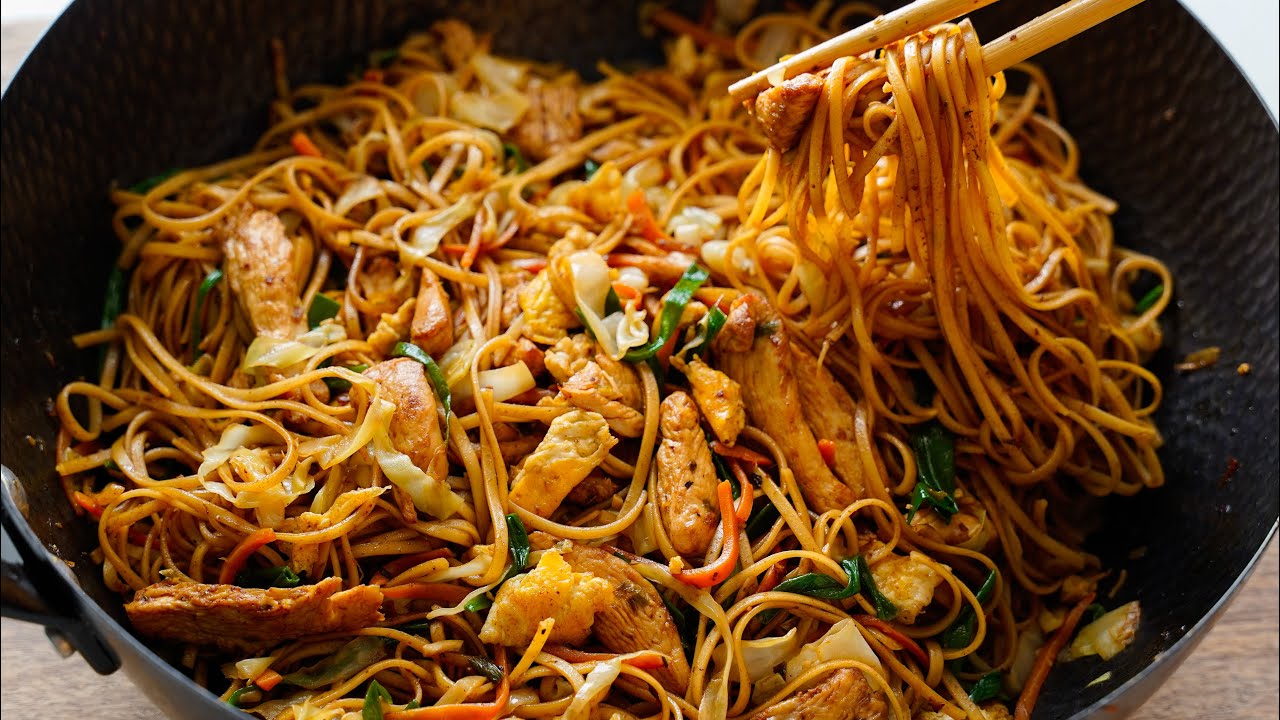
Chow Mein Sauce Recipe: When it comes to stir-fried noodle dishes, nothing brings everything together quite like a perfectly balanced Chow Mein sauce. That glossy, rich, umami-filled magic transforms a humble bowl of noodles into a restaurant-quality masterpiece. The great news? You don’t need a culinary degree or a trip to Chinatown to get it right. With a few everyday ingredients and this detailed step-by-step guide, you’ll be whipping up your own Chow Mein sauce in minutes — better than takeout, and 100% customizable.
Whether you’re craving something sweet, savory, spicy, or umami-packed, this article will walk you through everything — from the ingredients and tools you need, to pro tips and variations. Let’s dive into the ultimate Chow Mein sauce recipe that’s guaranteed to elevate your noodle game.
Why Homemade Chow Mein Sauce Is a Game Changer
Store-bought sauces may be convenient, but they often fall short when it comes to flavor depth and quality. Homemade Chow Mein sauce gives you full control over saltiness, sweetness, thickness, and spice levels. No preservatives, no artificial coloring — just fresh, real flavor that hits all the right notes.
Think about it: ever noticed how restaurant Chow Mein always has that smooth, glossy finish and a layered taste profile? That’s because the sauce is usually custom-made to suit the dish. When you create your own at home, you can replicate — or even improve on — that result. Plus, you can tweak it for dietary needs like gluten-free, low-sodium, or vegan preferences.
Types of Chow Mein and Their Sauce Variations
Classic Chinese Chow Mein
This version leans more traditional, with light soy sauce, sesame oil, and a hint of oyster sauce. The sauce is usually thin but intensely flavorful.
Americanized Chow Mein
Often a bit sweeter and thicker, this version may include hoisin sauce, dark soy, and sugar or honey. Think Panda Express-style.
Vegetable-Based Chow Mein
Sauce here is often lighter and pairs well with a medley of colorful veggies. You might use a touch of rice vinegar to brighten the flavor.
Spicy Sichuan Chow Mein
Laden with chili oil, garlic, and sometimes Sichuan peppercorns. This sauce adds heat and a bit of tongue-tingling spice.
Knowing which type you’re aiming for helps you better balance your ingredients — and hit the flavor mark every single time.
List of Ingredients You’ll Need
Here’s your go-to ingredient list for a classic, balanced Chow Mein sauce:
Essential Ingredients:
- 2 tablespoons soy sauce (light)
- 1 tablespoon dark soy sauce
- 1 tablespoon oyster sauce
- 1 tablespoon hoisin sauce
- 1 teaspoon sesame oil
- 1 teaspoon rice vinegar
- 1 teaspoon brown sugar or honey
- 1/2 teaspoon garlic (minced or grated)
- 1/2 teaspoon ginger (grated)
- 1 tablespoon cornstarch
- 3 tablespoons water
Optional Add-ins:
- Chili oil or Sriracha for spice
- White pepper for a peppery kick
- Five-spice powder for extra depth
- Mushroom soy for umami
- Fish sauce for richness
These ingredients combine into a beautifully balanced, thick yet pourable sauce that coats noodles like a dream.
Ingredient Breakdown and Their Roles
Each ingredient in this sauce has a job to do. Let’s break it down:
- Soy Sauce (Light vs. Dark): Light soy gives saltiness and sharp flavor. Dark soy adds color and a slightly sweet, earthy tone.
- Oyster Sauce: Adds a rich, savory, almost meaty umami punch. Don’t skip it if you’re going for that authentic Chinese takeout vibe.
- Sesame Oil: Nutty and aromatic, it brings warmth and depth.
- Hoisin Sauce: Slightly sweet and tangy — like an Asian BBQ sauce — it rounds out the flavor.
- Rice Vinegar: Lifts and balances the sauce with a touch of acid.
- Brown Sugar: Sweetens the mix and balances salty notes.
- Cornstarch Slurry: Helps thicken the sauce, so it clings to your noodles instead of pooling at the bottom of the pan.
- Garlic & Ginger: Fresh, punchy, aromatic — a must for layering flavor.
Tools You’ll Need to Make the Sauce
Good news: you probably already have everything you need.
- A small mixing bowl
- Measuring spoons
- A whisk or fork for mixing
- Small saucepan (optional, if pre-cooking)
- Airtight jar or container (for storage)
No fancy tools or appliances required!
Step-by-Step Guide to Making Chow Mein Sauce
Let’s get into the actual process.
Step 1: Gather Your Ingredients
Place all your ingredients on the counter. Having everything measured out and ready (a.k.a. mise en place) speeds things up and keeps you organized.
Step 2: Mix the Base Ingredients
Start by combining your soy sauces, oyster sauce, hoisin sauce, sesame oil, and rice vinegar in a bowl. Stir gently until smooth.
Step 3: Add Sweeteners and Thickeners
Now mix in your brown sugar, garlic, ginger, and cornstarch slurry (mix cornstarch with water first). Whisk until fully combined.
Step 4: Stir Until Well Combined
You want a smooth, slightly thick sauce with no clumps. Make sure everything is dissolved evenly.
Step 5: Cook or Store for Later Use
You can pour this sauce directly over stir-fried noodles, or heat it gently in a saucepan for a thicker texture. Store in the fridge in an airtight jar for up to 1 week.
Tips for Perfecting Your Chow Mein Sauce
Perfecting your Chow Mein sauce isn’t just about following the recipe — it’s about understanding the balance of flavors and textures. The key is harmony: salty, sweet, sour, and umami should all play together like a band, not compete like a noisy crowd.
Here are some top tips to nail your sauce every single time:
- Always taste before using. Even if you’ve followed the measurements exactly, give the sauce a quick taste. Ingredients can vary in intensity by brand or age. Add a pinch more sugar, a drop more vinegar, or a splash of soy if needed.
- Use fresh garlic and ginger. Don’t substitute powders if you want the most vibrant flavor. Grated or minced fresh roots make a huge difference in the final result.
- Don’t skip the cornstarch slurry. Without it, your sauce may be too runny and won’t cling to the noodles. Mix cornstarch with water first to avoid lumps.
- Cook the sauce for more intensity. If you like your sauce thick and deeply flavored, simmer it gently in a saucepan for 2-3 minutes before adding it to your noodles.
- Adjust the thickness. If your sauce is too thick, add a splash of water or broth. Too thin? Simmer it a bit longer or add a little more cornstarch slurry.
These small adjustments go a long way in turning a basic sauce into something restaurant-worthy.
How to Store Chow Mein Sauce
Let’s say you’ve made a double batch (smart move!). Here’s how to store it so it stays fresh and ready for next time:
- Refrigerate: Transfer your sauce to a glass jar or airtight container. It will stay good for up to 1 week in the fridge.
- Shake before using: Ingredients like sesame oil and cornstarch tend to separate when chilled. Just give the sauce a good shake or stir before you use it.
- Freeze: Yes, you can freeze it! Pour it into an ice cube tray, freeze until solid, and transfer to a freezer-safe bag. It’ll last for up to 2 months and you can pop out a cube or two whenever you need a quick flavor boost.
Having a stash of homemade sauce on hand is like keeping a flavor bomb in your fridge — fast, fresh, and always better than store-bought.
How to Use Chow Mein Sauce in Different Dishes
Think this sauce is just for noodles? Think again. This versatile, flavor-packed sauce can turn many dishes into something special.
Stir-Fried Noodles
The classic use! Toss your cooked noodles in this sauce right at the end of stir-frying for glossy, flavorful strands that taste like takeout — but better.
Fried Rice
Add a few tablespoons of your sauce while stir-frying rice for a rich, savory, and slightly sweet boost. It pairs perfectly with scrambled eggs, peas, carrots, and your choice of protein.
Veggie Stir-Fry
Use it to coat veggies like bok choy, bell peppers, mushrooms, and snow peas. The sauce caramelizes slightly, giving the dish that signature wok-kissed flavor.
Marinade for Proteins
Marinate sliced chicken, beef, shrimp, or tofu in the sauce before stir-frying. The cornstarch helps tenderize the protein while the flavors soak in beautifully.
Dipping Sauce
Thicken it slightly, and you’ve got a killer dip for spring rolls, dumplings, or potstickers.
The possibilities are endless — once you make this sauce, you’ll find new uses for it everywhere in your kitchen.
Common Mistakes to Avoid
Even simple sauces can go wrong if you’re not careful. Avoid these common mistakes:
- Over-salting: Remember, soy sauce and oyster sauce are both salty. Always taste before adding extra salt.
- Skipping the thickener: Without cornstarch, your sauce might be too thin to coat the noodles well.
- Burning garlic or ginger: When cooking the sauce in a pan, be sure not to overheat it. Garlic and ginger can turn bitter quickly.
- Too much sweetness: It’s tempting to add a lot of sugar or hoisin, but it can overpower the umami flavors. Go easy and taste as you go.
- Using low-quality ingredients: Good sauces start with good base ingredients. Use reputable brands, especially for soy sauce and sesame oil.
Fixing these small issues can dramatically improve your sauce’s flavor and texture.
Gluten-Free and Vegan Alternatives
Great news: this sauce can be tailored for almost any diet with a few easy swaps.
For Gluten-Free Chow Mein Sauce:
- Use tamari or certified gluten-free soy sauce instead of regular soy sauce.
- Choose a gluten-free oyster sauce alternative, such as mushroom-based sauce or coconut aminos.
- Double-check your hoisin sauce — some brands contain wheat.
For Vegan Chow Mein Sauce:
- Substitute oyster sauce with mushroom stir-fry sauce or hoisin + soy sauce combo.
- Avoid fish sauce, and use soy sauce or tamari instead.
- Use vegan hoisin sauce (some traditional brands may contain animal products).
These swaps ensure everyone at the table can enjoy delicious Chow Mein without compromising on flavor.
Spicy Chow Mein Sauce Variation
Want to turn up the heat? This variation brings bold, spicy flavor while keeping the same umami-rich base.
Spicy Ingredients to Add:
- 1–2 teaspoons chili garlic sauce or Sriracha
- 1/2 teaspoon crushed red pepper flakes
- 1 teaspoon chili oil or gochujang (Korean chili paste)
Mix these in with the base recipe for a spicier kick. You can also sauté some fresh chopped chilies along with garlic and ginger before adding the sauce to your stir-fry.
Spicy chow mein sauce is perfect for heat lovers and adds a fiery edge to any dish.
How to Adjust the Flavor to Your Taste
Everyone’s palate is different, which makes homemade sauce the perfect opportunity to tailor your flavors.
Need more salt? Add a bit more light soy sauce.
Too salty? Add a splash of water or a bit more sugar or vinegar to balance it.
Want more umami? Add a touch more oyster or mushroom sauce.
Craving more sweetness? A drizzle of honey or brown sugar does the trick.
Too thick or sticky? Thin it with water, broth, or a dash of rice vinegar.
Missing complexity? Try a dash of Chinese five-spice powder or a drop of fish sauce (unless vegan).
These tweaks can be made in real-time as you taste-test your sauce, ensuring every batch is perfectly suited to your dish and preferences.
Homemade vs. Store-Bought: Which is Better?
Let’s break it down:
| Feature | Homemade Sauce | Store-Bought Sauce |
|---|---|---|
| Flavor | Rich, balanced, customizable | Often salty or one-note |
| Ingredients | Fresh and real | Preservatives and additives |
| Cost | Cheaper in the long run | More expensive over time |
| Dietary Control | Easy to make gluten-free/vegan | Limited options |
| Shelf Life | 1 week (fridge) or 2 months (freezer) | Longer, but with additives |
Verdict? Homemade wins. It’s healthier, tastier, and more adaptable to your needs.
FAQs about Chow Mein Sauce Recipe
1. Can I make Chow Mein sauce ahead of time?
Yes! Store it in the fridge for up to a week, or freeze it in portions for easy use later.
2. Can I use this sauce for Lo Mein too?
Absolutely. While Lo Mein typically uses a slightly wetter sauce, this one works great — just add a splash more water or broth.
3. What’s the difference between light and dark soy sauce?
Light soy sauce is saltier and lighter in color, while dark soy sauce is thicker, sweeter, and adds a richer color to dishes.
4. Can I make it without cornstarch?
You can, but it will be thinner. Tapioca starch or arrowroot powder can be used as alternatives for thickening.
5. How do I make the sauce taste like restaurant-style Chow Mein?
Use fresh garlic and ginger, dark soy sauce for color, and don’t skip oyster or hoisin sauce for that complex umami flavor.
Conclusion
Making Chow Mein sauce from scratch isn’t just simple — it’s empowering. It allows you to take full control of the flavor, nutrition, and texture of your dishes. Whether you’re preparing a weeknight stir-fry, customizing for allergies, or just trying to impress your taste buds, this homemade sauce will elevate every noodle or veggie it touches.
Next time you’re tempted to reach for that store-bought bottle, remember: in just a few minutes, you can whip up something fresher, tastier, and tailored to perfection.