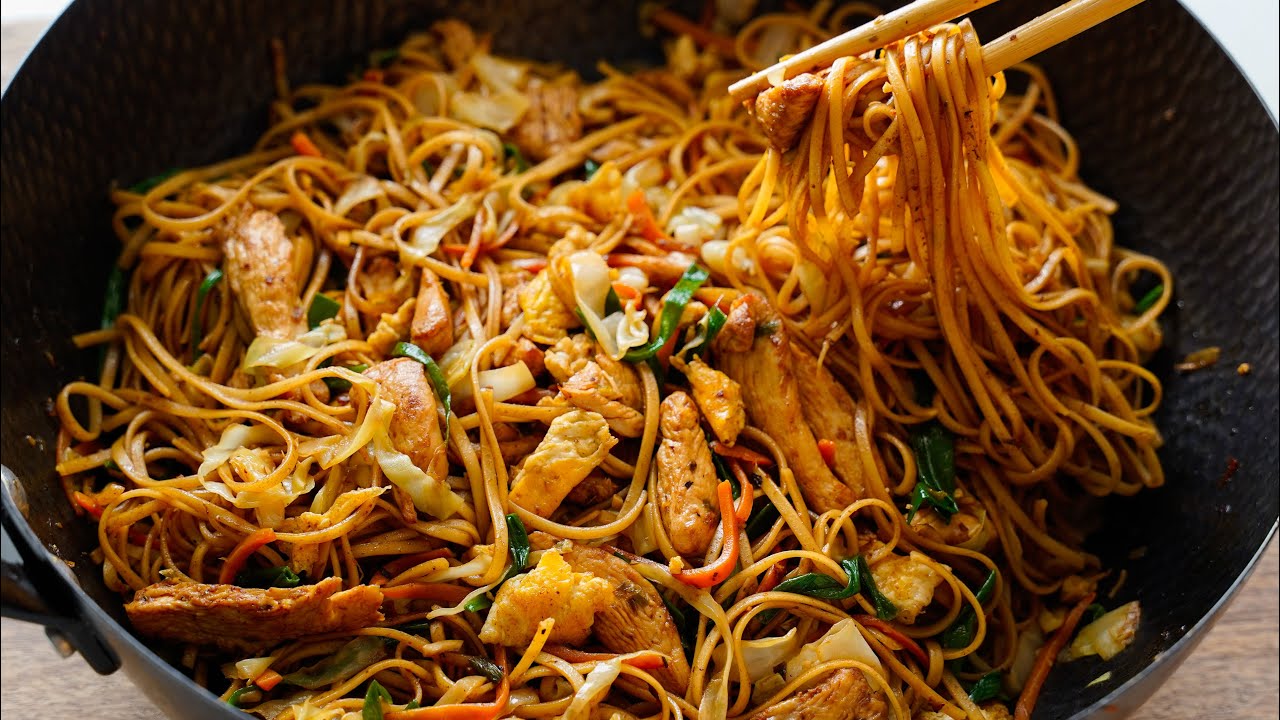
Chow Mein Noodles Recipe: Craving a savory, crispy, and flavorful noodle dish that hits all the right spots? Chow Mein is your go-to! This popular Chinese dish has won hearts all over the world with its combination of perfectly stir-fried noodles, fresh vegetables, and a deliciously tangy-sweet sauce. Whether you’ve tried it at your favorite takeout spot or you’re completely new to making it, this step-by-step guide will help you create authentic Chow Mein right in your own kitchen.
What’s even better? You don’t need to be a professional chef. All you need is a few simple ingredients, a hot pan or wok, and a little patience. In this guide, we’ll walk through every detail—from prepping your ingredients to making your sauce and cooking everything to perfection.
Get ready to impress your family and friends with a dish that’s quick, easy, and absolutely delicious!
What is Chow Mein?
Chow Mein is a classic Chinese stir-fried noodle dish that literally translates to “fried noodles.” There are two main types—crispy (Hong Kong-style) and soft (American Chinese-style). The noodles are either pan-fried until crisp or stir-fried to a softer texture, then tossed with vegetables, meats, and a savory sauce that blends soy, garlic, sesame, and sometimes a hint of sweetness.
Chow Mein is beloved not just in China but around the globe, often found in fast-food joints and upscale restaurants alike. The beauty of it lies in its versatility. You can keep it vegetarian or load it up with proteins like chicken, beef, shrimp, or tofu. And the texture contrast—soft noodles with crunchy veggies—is simply irresistible.
If you’ve never tried making it at home, now’s your chance to master this stir-fry classic with ingredients easily found in most grocery stores.
Why You’ll Love This Chow Mein Recipe
- Fast and Easy: Ready in under 30 minutes!
- Customizable: Add your favorite veggies and proteins.
- Budget-Friendly: Made with simple, affordable ingredients.
- Healthier than Takeout: Less oil, less sodium, and no MSG unless you choose to add it.
- Great for Leftovers: Stays tasty even the next day.
This recipe gives you restaurant-style results in the comfort of your kitchen. Plus, it’s perfect for busy weeknights or lazy weekends. Whether you’re cooking for one or feeding a hungry crowd, Chow Mein always delivers.
List of Ingredients You’ll Need
For the Noodles
- 8 oz Chow Mein or egg noodles (you can also use yakisoba or ramen noodles)
- Water and salt for boiling
For the Sauce
- 3 tablespoons soy sauce (light or all-purpose)
- 1 tablespoon oyster sauce
- 1 tablespoon hoisin sauce (optional for added sweetness)
- 1 tablespoon sesame oil
- 1 teaspoon sugar
- 1/2 teaspoon ground black pepper
- 2 teaspoons cornstarch (to thicken)
- 3 tablespoons water (to mix with cornstarch)
Vegetable Options
- 1 cup shredded cabbage
- 1/2 cup julienned carrots
- 1/2 cup bell peppers (red, yellow, or green)
- 1/2 cup bean sprouts
- 3 green onions (sliced)
- 2 cloves garlic (minced)
- 1 small onion (sliced)
Optional Add-ins (Protein Choices)
- 1 cup cooked chicken (shredded or diced)
- 1 cup beef strips (marinated for extra flavor)
- 1 cup shrimp (peeled and deveined)
- 1 cup tofu (firm, cubed)
Essential Tools You’ll Need
- Large wok or non-stick skillet
- Wooden spoon or spatula
- Sharp knife
- Cutting board
- Sauce bowl for mixing
- Colander for draining noodles
While you can cook Chow Mein in almost any pan, using a wok really enhances the experience. The high heat and quick cooking time help seal in flavors and maintain the texture of your ingredients.
Prepping the Ingredients
Before you even turn on the stove, spend a few minutes prepping everything. Trust me, stir-frying is fast—if you’re not ready, it’s easy to overcook things.
Chopping Veggies Efficiently
- Slice your cabbage thin for quicker cooking and better texture.
- Julienne carrots and bell peppers for even frying.
- Mince garlic finely so it doesn’t burn.
- Keep everything organized in bowls so you can toss them in quickly.
Boiling or Softening the Noodles
- Bring a large pot of water to a boil.
- Add noodles and cook according to the package instructions (usually 2–4 minutes).
- Drain and rinse under cold water to stop cooking.
- Toss with a bit of oil to prevent sticking.
Making the Chow Mein Sauce
The sauce is the soul of Chow Mein. It’s what ties all the flavors together and gives the dish its signature taste.
Balanced Flavors: Salty, Sweet, Umami
- Mix soy sauce, oyster sauce, sesame oil, sugar, and pepper in a bowl.
- Dissolve the cornstarch in water and add to the mix.
- Stir well until smooth and set aside.
Taste the sauce and adjust to your liking. Want it saltier? Add more soy sauce. Sweeter? A bit more hoisin or sugar. It’s all about balance.
Step-by-Step Guide to Cooking Chow Mein
Now let’s put it all together! Follow this cooking process for perfect results every time.
Step 1: Prepare the Sauce
Before you start cooking, mix your sauce ingredients and set aside. This ensures everything goes smoothly during stir-frying.
Step 2: Cook the Noodles
Boil the noodles just until tender. Don’t overcook—they’ll finish in the pan. Drain, rinse, and toss in a little oil to keep them separate.
Step 3: Stir-fry the Vegetables
- Heat oil in a wok or large skillet over medium-high heat.
- Add onions and garlic, stir-fry for 1 minute until fragrant.
- Add harder vegetables like carrots and bell peppers first.
- Follow with cabbage and bean sprouts. Cook until just tender.
Step 4: Add Protein (Optional)
If using cooked chicken, beef, shrimp, or tofu, add them now. Stir to heat through and mix evenly with the veggies.
Step 5: Combine Everything
- Add the noodles to the pan.
- Pour in the sauce mixture.
- Toss everything together using tongs or spatulas to ensure even coating.
- Stir-fry for another 2–3 minutes until the sauce thickens and noodles are well combined.
Tips for Perfect Chow Mein Every Time
Let’s be honest—no one wants soggy noodles or bland stir-fry. These pro tips will help you avoid common mistakes and get that perfect Chow Mein texture and flavor every time.
- Use high heat. Stir-frying is all about quick, high-heat cooking. Don’t be afraid to crank up the heat. It helps to sear the ingredients and keep the veggies crispy.
- Don’t overcrowd the pan. Too many ingredients in the pan at once will lower the temperature and steam your veggies instead of frying them.
- Prep everything beforehand. Chow Mein cooks fast. Having all your ingredients chopped, cooked, and ready to go will save you from burning anything.
- Use sesame oil for finishing. Don’t cook with it—it burns easily. Instead, drizzle a bit at the end for that classic nutty aroma.
- Toss gently but thoroughly. You want every strand of noodle to soak up the sauce, but not break into mushy pieces. Use tongs or a spatula to mix carefully.
The goal is to create layers of texture—crisp veggies, tender noodles, juicy protein—all coated in a glossy, flavor-packed sauce.
Variations of Chow Mein
Chow Mein is super flexible, which is why it’s loved in so many cultures. Once you master the base recipe, you can start customizing it with your favorite ingredients.
Vegetarian Chow Mein
Skip the meat and double down on fresh veggies. Add mushrooms, zucchini, broccoli florets, snap peas, or water chestnuts. Tofu or tempeh is great for protein.
Chicken Chow Mein
Use boneless chicken breast or thighs, sliced thin and marinated in soy sauce and a pinch of cornstarch. Stir-fry separately for best texture before adding back into the dish.
Beef Chow Mein
Flank steak or sirloin strips work great. Marinate briefly in soy sauce, garlic, and a dash of sugar. Quick-sear it to keep it tender.
Shrimp Chow Mein
Use peeled, deveined shrimp. Stir-fry them for just 2–3 minutes until pink, then remove from the pan. Add them back when tossing the noodles at the end.
Want to spice things up? Add a teaspoon of chili garlic sauce or a dash of crushed red pepper flakes.
Mistakes to Avoid When Cooking Chow Mein
Even simple dishes can go sideways if you’re not careful. Watch out for these common slip-ups:
- Overcooking the noodles. This is the #1 issue. Slightly undercook them before stir-frying to keep them firm.
- Using too much sauce. It’s tempting to drown the noodles, but Chow Mein should be lightly coated, not soupy.
- Not heating the wok properly. A lukewarm pan leads to soggy vegetables and uneven flavor.
- Skipping the cornstarch in the sauce. It helps the sauce stick to the noodles, creating that glossy finish you expect from takeout.
- Cooking everything at once. Stagger the ingredients. Start with garlic and onion, then hard veggies, followed by soft veggies and protein.
A little patience and attention to detail can take your Chow Mein from good to amazing.
Serving Suggestions
Chow Mein is amazing on its own, but it also makes a killer combo meal. Here are a few serving ideas:
- Pair with egg rolls or spring rolls.
- Serve alongside hot and sour soup or wonton soup.
- Top with sesame seeds or chopped peanuts for crunch.
- Garnish with chopped green onions and a lime wedge.
- Drizzle with extra hoisin or chili sauce for more flavor.
You can also serve it family-style in a big bowl and let everyone dig in. It’s always a hit at potlucks and gatherings.
Storing and Reheating Leftovers
Chow Mein stores surprisingly well and makes a fantastic leftover meal.
To store:
- Let it cool completely.
- Place in an airtight container.
- Refrigerate for up to 4 days.
To reheat:
- For best results, reheat in a pan with a splash of water or soy sauce.
- Stir gently over medium heat until warm.
- You can also microwave it, but the noodles may get a bit softer.
Pro tip: Add a few fresh veggies or a fried egg on top to refresh your leftovers.
Healthier Alternatives
Trying to eat lighter? No problem. You can still enjoy Chow Mein with a few healthy swaps:
- Use whole wheat noodles or rice noodles for more fiber.
- Reduce the oil and use a non-stick pan.
- Skip the sugar or replace it with honey or a natural sweetener.
- Add more vegetables to bulk up the dish without adding calories.
- Use low-sodium soy sauce to cut back on salt.
You can even make it gluten-free by using tamari or coconut aminos and gluten-free noodles.
FAQs about Chow Mein Noodles Recipe
1. Can I use spaghetti instead of Chow Mein noodles?
Yes, you can! While traditional Chow Mein noodles are best, spaghetti or thin egg noodles can work in a pinch. Just be sure to cook them al dente.
2. How can I make Chow Mein spicy?
Add chili oil, red pepper flakes, or a spoonful of sriracha or chili garlic sauce to the stir-fry or the sauce mix.
3. Is Chow Mein gluten-free?
It can be! Use gluten-free noodles and tamari or coconut aminos instead of soy sauce. Always check your labels.
4. What’s the difference between Chow Mein and Lo Mein?
Chow Mein is stir-fried with less sauce and has a drier, crispier texture. Lo Mein is tossed in a sauce after the noodles are cooked, making it more saucy and soft.
5. Can I freeze leftover Chow Mein?
Technically yes, but it’s not ideal. The noodles can become mushy after thawing. It’s better enjoyed fresh or within a few days from the fridge.
Conclusion
And there you have it—a full, detailed guide to making restaurant-quality Chow Mein noodles at home. It’s quick, flexible, and totally satisfying. Whether you’re cooking a cozy dinner for yourself or feeding a table full of hungry friends, this recipe is guaranteed to impress. And the best part? You can tweak it to your taste every single time.
Once you’ve mastered the basic recipe, don’t be afraid to experiment with flavors, proteins, and textures. Chow Mein is a dish that rewards creativity, and there’s no wrong way to enjoy it. So, grab your wok, fire up the stove, and get ready to stir-fry your way to greatness!