Chow Chow Relish Recipe: Have you ever tasted a tangy, slightly sweet, and crunchy relish that makes any boring meal pop with flavor? That’s Chow Chow Relish for you. Whether you’re piling it on hot dogs, using it as a side for beans, or stirring it into potato salad, this old-school classic is a must-have in Southern kitchens. It’s one of those recipes that’s been passed down from grandma’s worn-out recipe book—but now you’re about to learn how to make it yourself.
This guide walks you through everything from understanding the origins of Chow Chow to getting your hands dirty chopping cabbage and peppers. Plus, I’ll show you how to make it exactly right. Ready to dig in? Let’s go!
What Is Chow Chow Relish?
Chow Chow is a pickled vegetable relish, typically made with a mix of finely chopped cabbage, onions, green tomatoes, and sweet or hot peppers. It’s kind of like coleslaw met pickles and decided to become something even better. It’s vinegary, it’s sweet, it’s crunchy—and it tastes amazing with just about anything.
There are variations, of course. Some recipes lean sweet, others more savory or spicy. And while it’s often associated with Southern cuisine, versions of Chow Chow show up in kitchens across the U.S. and even Canada.
It’s often used as a condiment or side dish. The beauty of Chow Chow is that it’s super versatile. Whether on grilled meats, sandwiches, or even cornbread, it adds a punch of flavor and texture you didn’t know you were missing.
History and Origins of Chow Chow Relish
So, where did this magic come from?
Chow Chow has a rich and mysterious history. Some food historians trace its origins to Chinese laborers who brought pickling traditions to the American South. Others believe it came from French Acadians who settled in Louisiana, blending European preserving techniques with local ingredients. Still others say it’s a blend of Indian and British pickling traditions.
Regardless of its true origin, Chow Chow became a staple in Southern homes, especially among farming families who didn’t want to waste a single vegetable from their garden. Leftover end-of-season veggies? Toss them into a big pot with vinegar and sugar—boom, Chow Chow!
Over time, every family created their own twist on it, passing it down like a secret treasure.
Why Make Homemade Chow Chow Relish?
Why not just buy it at the store, you ask? Fair question. But here’s the thing: homemade Chow Chow tastes fresher, packs more punch, and allows you to customize every single element—from spice level to sweetness.
Here’s what you gain:
- Control over ingredients – No preservatives, just clean, fresh veggies.
- Flavor customization – Want more heat? Add jalapeños. Prefer a sweeter version? Add extra sugar.
- Cost-effective – Use up extra vegetables from your garden or fridge.
- Satisfying experience – There’s something super rewarding about canning your own batch of relish and seeing the jars lined up like trophies.
Plus, once you’ve made it, you’ll never want to go back to the store-bought stuff again.
Types of Chow Chow: Southern vs. Northern Styles
Not all Chow Chow is created equal. Depending on where you’re from, it might taste completely different.
Southern-Style Chow Chow
- Made with green tomatoes, cabbage, onions, and hot peppers
- More savory and spicy
- Often served with beans, greens, and barbecue
Northern-Style Chow Chow
- Sweeter and milder
- May include cauliflower and bell peppers
- Popular in Pennsylvania and Canadian regions
Both are delicious in their own right—it’s really about what your taste buds are craving. The recipe I’m sharing today is more in line with the Southern style but can easily be tweaked.
Health Benefits of Chow Chow Relish
You might not think of relish as “healthy,” but homemade Chow Chow actually offers several health benefits:
- Rich in fiber thanks to the cabbage and other veggies
- Low in calories – great for adding flavor without packing on the fat
- Boosts digestion – vinegar can aid in gut health
- Packed with antioxidants from ingredients like bell peppers and onions
Of course, moderation is key. But when you make it yourself, you’re ditching the chemicals and preservatives, which is always a plus.
List of Ingredients You’ll Need
Let’s get to the good stuff—what you need to make this tangy masterpiece.
Vegetables
- 1 medium head green cabbage, finely chopped
- 6 green tomatoes, chopped
- 4 medium onions, chopped
- 1 red bell pepper, diced
- 1 green bell pepper, diced
- 2 stalks celery, chopped (optional for crunch)
- 2 cups shredded carrots (optional but adds color and sweetness)
Spices and Seasonings
- 2 tablespoons mustard seeds
- 1 tablespoon celery seeds
- 1 teaspoon turmeric
- 1 teaspoon ground ginger
- 1 tablespoon kosher salt
- 1 teaspoon black pepper
Vinegar and Sugar
- 2 ½ cups apple cider vinegar
- 1 ½ cups white granulated sugar (adjust to taste)
Feel free to swap in or out based on what you have. Just keep the vinegar-sugar balance intact to ensure proper pickling.
Kitchen Tools You’ll Need
Before you roll up your sleeves, make sure you’ve got the right tools on hand.
- Large mixing bowl
- Cutting board and sharp knife
- Measuring cups and spoons
- Large heavy-bottomed pot
- Wooden spoon or spatula
- Canning jars (if storing long-term)
- Funnel (helps with neat canning)
- Jar lifter or tongs
- Clean towels or paper towels
Having the right tools will make the whole process smoother—and trust me, once you make this once, you’ll want to do it every season.
Step-by-Step Guide to Making Chow Chow Relish
Time to turn those fresh veggies into a jar of golden goodness. Follow these steps closely, and you’ll have perfect Chow Chow every time.
Step 1: Prepping the Vegetables
Begin by washing and finely chopping your vegetables. Traditional chow chow often includes green tomatoes, cabbage, onions, bell peppers, and sometimes carrots. Chop everything into small, even pieces so the relish has a balanced texture and flavor in every bite.
Step 2: Salting and Resting
Place the chopped vegetables in a large bowl and sprinkle generously with salt. Mix well, then cover and let rest for several hours or overnight. This step draws out excess moisture and helps keep the vegetables crisp. After resting, rinse thoroughly and drain well to remove excess salt.
Step 3: Cooking the Relish
Transfer the drained vegetables to a large pot. Add vinegar, sugar, mustard seed, celery seed, turmeric, and any other preferred spices. Bring the mixture to a boil, then reduce heat and simmer until the vegetables are tender and the flavors meld together. Stir occasionally to prevent sticking.
Step 4: Canning or Storing
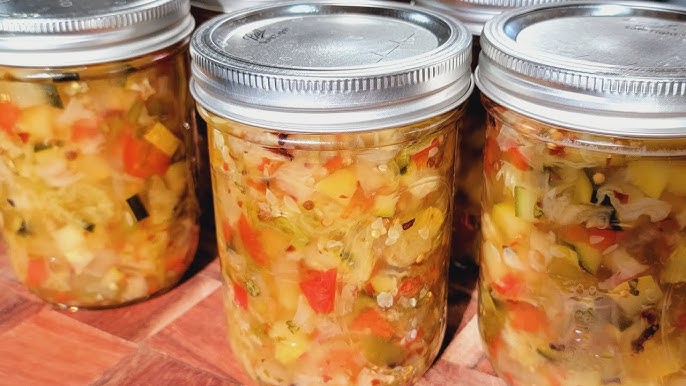
For short-term use, allow the relish to cool and store it in airtight containers in the refrigerator. For long-term storage, spoon the hot relish into sterilized jars, seal, and process according to proper canning guidelines. Let jars cool completely before storing.
Tangy, crunchy, and packed with flavor—chow chow relish is the perfect condiment for meats, sandwiches, and beans 🥒✨
Tips for Perfect Chow Chow Relish
Want to make your Chow Chow unforgettable? Here are some helpful pro tips:
- Chop your veggies finely and evenly – It’s all about texture. A uniform cut makes your relish look professional and taste better.
- Let it sit before eating – Like a good stew, the flavor improves after a few days in the fridge or pantry.
- Adjust spice to your taste – Don’t be afraid to tweak it. Add jalapeños or hot sauce if you like a kick.
- Use fresh, quality ingredients – Your relish will only be as good as the vegetables you start with.
- Don’t skip the resting step – Letting the salted veggies sit is crucial for flavor and texture.
How to Store and Preserve Chow Chow
Proper storage is key to getting the most out of your homemade relish.
Short-Term Storage (Refrigeration)
If you’re not canning it, store your relish in airtight glass jars or containers. It will keep in the fridge for up to 2 months.
Long-Term Storage (Canning)
Canned Chow Chow relish, when sealed properly, will stay fresh for up to a year in a cool, dark pantry. Once opened, refrigerate and use within a few weeks.
Label each jar with the date you made it, so you can track its freshness.
Serving Suggestions
Here’s where the fun really begins. Chow Chow is one of those condiments that pairs well with just about everything. Try these ideas:
- With BBQ meats – Serve on pulled pork sandwiches or ribs.
- On hot dogs or sausages – Better than ketchup and mustard combined.
- With beans and cornbread – A Southern classic!
- Topping for burgers – Adds crunch and zest.
- Mix into egg salad or tuna salad – Instant flavor upgrade.
- As a side with fried chicken or fish – Adds brightness to rich dishes.
It’s also great as a homemade gift. Who wouldn’t love a jar of this homemade goodness during the holidays?
Common Mistakes to Avoid
Even simple recipes like Chow Chow can go sideways if you’re not careful. Avoid these rookie mistakes:
- Over-salting – Always rinse your veggies well after salting.
- Skipping sterilization – If canning, don’t skip sterilizing jars or you risk contamination.
- Not simmering long enough – You want the veggies tender but not mushy. Aim for 30–40 minutes.
- Using low-quality vinegar – Apple cider vinegar works best for flavor. Avoid distilled vinegar unless you want a sharper, less fruity taste.
- Adding too much sugar – Taste as you go. Too sweet, and you’ll lose the tangy bite.
Avoid these, and you’ll be on your way to relish greatness.
Variations to Try
Feeling adventurous? Chow Chow is easy to experiment with. Here are a few fun twists:
- Spicy Chow Chow – Add chopped jalapeños, red pepper flakes, or a dash of hot sauce.
- Sweet and Mild – Use more sugar and remove hot peppers altogether.
- Green Tomato Chow Chow – Focus mainly on green tomatoes for a tangier bite.
- Carrot and Cauliflower Blend – Toss in chopped cauliflower and shredded carrots for a colorful twist.
- Southern Chow Chow with Corn – A few sweet corn kernels can add a fun crunch and sweetness.
The great thing about this recipe? It’s yours now. Make it how YOU like it.
FAQs about Chow Chow Relish Recipe
1. Can I freeze Chow Chow relish instead of canning it?
Yes! Just portion it into airtight freezer-safe containers, leave a bit of room for expansion, and freeze for up to 6 months. Thaw in the fridge before using.
2. Is Chow Chow the same as piccalilli?
They’re similar but not the same. Piccalilli tends to be more mustard-forward and British in style. Chow Chow is more vinegar-based and varies regionally in the U.S.
3. Can I make it sugar-free?
You can reduce the sugar or use a sugar substitute like stevia or monk fruit, but it may slightly change the flavor and texture. Be sure your substitute is safe for canning if preserving.
4. How do I know if my canned jars sealed properly?
Listen for a “pop” as they cool. Press the center of each lid—if it doesn’t flex up and down, it’s sealed. Any jars that didn’t seal should go into the fridge and be used first.
5. How long should I wait before eating my Chow Chow?
It’s good after a day or two, but for best flavor, let it sit at least a week to allow the flavors to fully meld.
Conclusion
Chow Chow relish is more than just a condiment—it’s a tradition, a flavor powerhouse, and a way to bring a little bit of Southern comfort into your kitchen. Once you taste it, you’ll understand why families have been handing down their secret recipes for generations.
With this step-by-step guide, you’ve now got everything you need to make a delicious batch of your own. Whether you’re preserving summer veggies, spicing up a sandwich, or just chasing that nostalgic Southern flavor, Chow Chow relish delivers—every time.
So grab your jars, chop those veggies, and get to stirring. Your next favorite kitchen staple is only a few steps away.