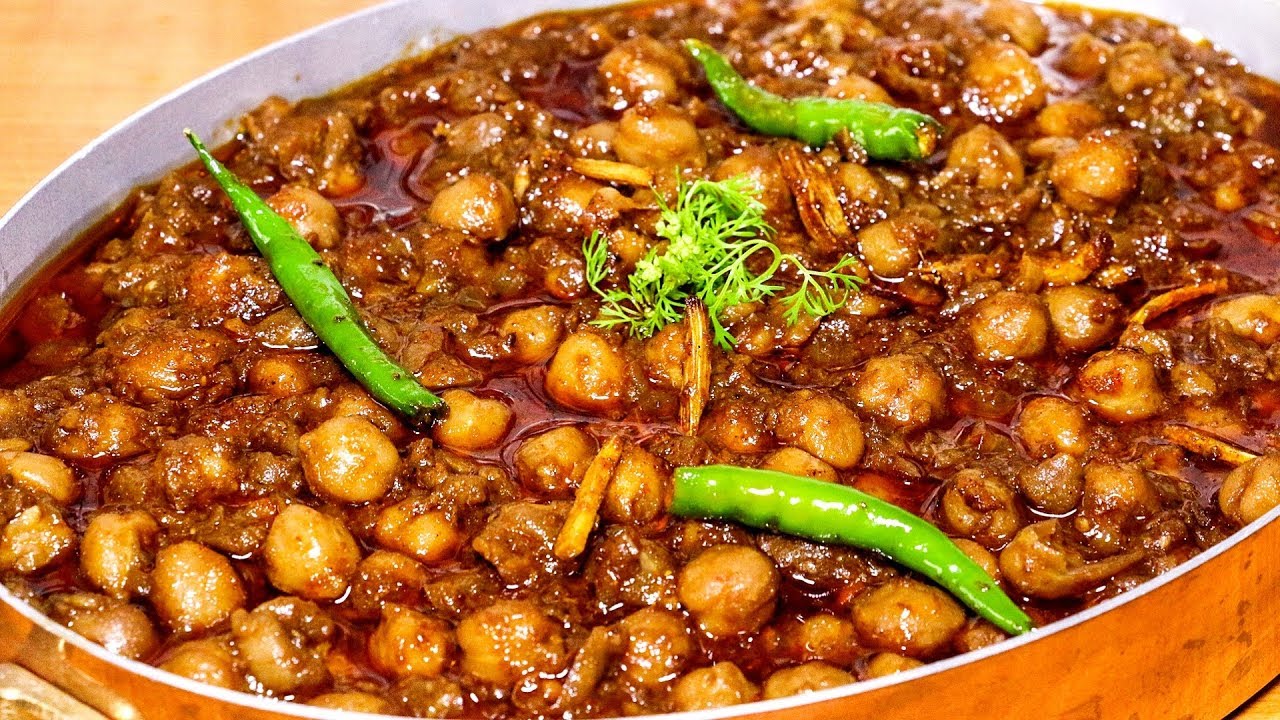
Choley Masala Recipe: There’s something magical about a bowl of steaming hot Choley Masala. The rich, spiced gravy clinging to tender chickpeas is a flavor explosion that’s deeply satisfying and incredibly versatile. It’s a dish that has traveled across generations, from the bustling streets of Delhi to the cozy kitchens of countless Indian homes. Known for its bold taste and hearty texture, Choley Masala is one of those recipes that can win over anyone—whether they grew up with Indian food or are trying it for the first time.
If you’ve ever enjoyed Choley with bhature, you’ll know the combo is iconic. The pillowy fried bread acts like the perfect sponge to soak up that spiced gravy. But Choley is equally at home with jeera rice, chapati, or even tucked into a wrap for a quick lunch.
In this guide, we’re going to break down everything—from choosing the right chickpeas to balancing your spices like a pro. You don’t need to be a master chef to nail this dish; you just need a bit of patience, a few pantry staples, and a willingness to let the flavors develop slowly. By the end, you’ll not only know how to make Choley Masala, but you’ll also have the confidence to tweak it to your taste, whether that means making it richer, spicier, or milder.
What is Choley Masala?
At its core, Choley Masala is a North Indian chickpea curry. The word “Choley” simply refers to chickpeas, while “Masala” means a spice mix. When combined, they create one of the most beloved curries in Indian cuisine. Traditionally, Choley Masala is cooked in a tomato-onion base with aromatic spices such as cumin, coriander, turmeric, and garam masala. The texture of the dish can range from slightly soupy to thick and dry, depending on personal preference.
The beauty of this dish lies in its adaptability. In Punjab, it’s common to add amchur (dry mango powder) for a tangy kick, while in Delhi-style Choley, you’ll often find a deeper, richer gravy enhanced with black tea leaves that give the chickpeas a beautiful dark hue.
Not only is it delicious, but Choley Masala is also incredibly nutritious. Chickpeas are high in plant-based protein, making them a great choice for vegetarians and vegans. They’re also rich in dietary fiber, which keeps you feeling full for longer, and packed with vitamins and minerals such as folate, iron, and magnesium.
It’s not just a home-cooked favorite—Choley Masala is a street food star as well. In many Indian cities, you’ll find roadside vendors serving it with piping hot bhature or kulcha. Each region has its own take, and each cook has their own secret spice blend that makes their Choley unforgettable. That’s the charm of this dish—it’s simple at heart but endlessly customizable.
Origin and Cultural Significance
Choley Masala has deep roots in North Indian cuisine, particularly in Punjab. While chickpeas themselves have been cultivated in the Indian subcontinent for thousands of years, the Choley Masala we know today evolved through a fusion of local traditions and Mughal influences. The introduction of tomatoes and chilies to India during the Columbian exchange transformed the dish, giving it the vibrant color and bold flavor we now associate with it.
In Punjabi households, Choley is more than just a meal—it’s part of the cultural fabric. It’s often served during festivals, weddings, and special Sunday lunches. There’s even a saying in Punjab that no celebration is complete without Choley Bhature. The dish symbolizes hospitality and abundance, a hearty offering meant to be shared with loved ones.
Culturally, Choley Masala also bridges the gap between street food and home cooking. On one hand, it’s a comfort dish made by grandmothers who’ve perfected their spice blend over decades. On the other, it’s the star of bustling street stalls where vendors ladle out portions to hungry customers from giant simmering pots.
Today, Choley Masala has gone global. You’ll find it on menus in Indian restaurants from New York to London, often with slight adaptations for local tastes. But no matter where it’s served, it retains its soul—a celebration of spices, texture, and warmth.
Why You’ll Love This Recipe
If you’ve been searching for that perfect Choley Masala recipe—the kind that tastes like it’s been simmering in a Punjabi kitchen for hours—this is it. Here’s why:
- Authentic Flavor – We’ll be using the classic spice combination that gives Choley its signature taste, with optional twists if you want to customize it.
- Beginner-Friendly – Even if you’ve never cooked Indian food before, these step-by-step instructions will guide you through every stage.
- Healthy and Satisfying – High in protein, fiber, and essential nutrients, this dish nourishes as much as it delights.
- Customizable – You can make it spicy or mild, thick or slightly soupy, tangy or savory.
- Perfect for Meal Prep – Choley Masala tastes even better the next day, making it ideal for make-ahead lunches or dinners.
Imagine the aroma of toasted cumin and coriander wafting through your kitchen, the sizzle of onions as they turn golden, and the vibrant color as tomatoes melt into a rich gravy. Whether you serve it with fluffy bhature, soft chapati, or a bowl of steaming basmati rice, each bite will be a reminder of why this dish has stood the test of time.
Ingredients You’ll Need
Before you start cooking, it’s essential to gather your ingredients. Choley Masala uses everyday pantry staples in Indian cooking, so once you have them stocked, you can make this dish anytime.
Main Ingredients for Choley (Chickpeas)
- Dried Chickpeas – 1½ cups (soaked overnight)
- Water – For soaking and cooking
- Salt – To taste
Spices & Flavor Enhancers
- Onion – 2 medium, finely chopped
- Tomatoes – 3 large, pureed or finely chopped
- Ginger-Garlic Paste – 1½ tablespoons
- Green Chilies – 2, slit or chopped
- Coriander Powder – 2 teaspoons
- Cumin Powder – 1 teaspoon
- Turmeric Powder – ½ teaspoon
- Red Chili Powder – 1 teaspoon (adjust to taste)
- Garam Masala – 1 teaspoon
- Amchur (Dry Mango Powder) – ½ teaspoon (optional, for tanginess)
- Black Tea Bag – 1 (optional, for darker color)
- Bay Leaf – 1
- Cinnamon Stick – 1 small piece
- Cloves – 2–3
- Cardamom Pods – 2–3
Optional Ingredients for Extra Taste
- Kasuri Methi (Dried Fenugreek Leaves) – 1 teaspoon
- Butter or Ghee – For richer flavor
- Fresh Coriander Leaves – For garnish
Ingredient Measurement Table
| Ingredient | Quantity | Notes |
|---|---|---|
| Dried Chickpeas | 1½ cups | Soaked overnight |
| Onion | 2 medium | Finely chopped |
| Tomatoes | 3 large | Pureed or chopped |
| Ginger-Garlic Paste | 1½ tbsp | Fresh preferred |
| Green Chilies | 2 | Slit or chopped |
| Cumin Powder | 1 tsp | Freshly ground if possible |
| Coriander Powder | 2 tsp | Enhances aroma |
| Turmeric Powder | ½ tsp | Adds color |
| Red Chili Powder | 1 tsp | Adjust to taste |
| Garam Masala | 1 tsp | Adds depth |
| Amchur Powder | ½ tsp | Optional tang |
| Black Tea Bag | 1 | Optional for color |
| Bay Leaf | 1 | For aroma |
| Cinnamon Stick | 1 small | Adds warmth |
| Cloves | 2–3 | For subtle spice |
| Cardamom Pods | 2–3 | For fragrance |
| Kasuri Methi | 1 tsp | Optional garnish |
| Butter or Ghee | As needed | Optional richness |
| Fresh Coriander Leaves | Handful | For garnish |
Step-by-Step Guide to Making Choley Masala
Making Choley Masala is a labor of love, but once you understand the process, it becomes second nature. The key is patience—allowing the chickpeas to soak properly, giving the spices enough time to release their aroma, and letting the gravy simmer until the flavors meld beautifully. Here’s the complete breakdown.
Step 1 – Soaking and Preparing the Chickpeas
The first step to making great Choley Masala is preparing your chickpeas. While you can use canned chickpeas in a pinch, dried chickpeas give a far superior texture and flavor.
- Soak the Chickpeas – Rinse 1½ cups of dried chickpeas under cold water to remove any dust. Place them in a large bowl, cover with at least three times their volume of water, and soak overnight (8–12 hours). Chickpeas absorb a lot of water, so make sure there’s enough to keep them submerged.
- Drain and Rinse – After soaking, drain the chickpeas and rinse them again. You’ll notice they’ve doubled in size and softened slightly.
- Pressure Cook or Boil – In a pressure cooker, add the soaked chickpeas, 4 cups of water, a pinch of salt, and optionally, a black tea bag for color. Cook for 6–7 whistles (about 25–30 minutes). If using a regular pot, boil for 60–75 minutes until soft but not mushy.
- Check Doneness – A perfectly cooked chickpea should be tender enough to mash with gentle pressure between your fingers but still hold its shape.
Pro Tip: Adding a pinch of baking soda while cooking can speed up the softening process, but use sparingly as it can alter the taste.
Step 2 – Preparing the Spice Mix
The spice mix is the soul of Choley Masala. Each spice adds its own note—cumin for earthiness, coriander for brightness, turmeric for warmth, and garam masala for that rich, aromatic depth.
- Toast the Whole Spices – Heat a dry pan on medium flame. Add 1 bay leaf, 1 small cinnamon stick, 2–3 cloves, and 2–3 cardamom pods. Toast for 30–40 seconds until fragrant.
- Add Ground Spices – Lower the heat and add 2 teaspoons coriander powder, 1 teaspoon cumin powder, ½ teaspoon turmeric powder, and 1 teaspoon red chili powder. Stir continuously to prevent burning.
- Optional Enhancement – Some cooks like to dry roast a little anardana (pomegranate seed powder) or amchur for tang before mixing it in.
- Cool and Grind (if needed) – If you’ve used whole spices along with ground ones, grind the mixture into a fine powder after cooling.
Pro Tip: Preparing your spice mix fresh rather than using a pre-packaged masala significantly boosts flavor.
Step 3 – Cooking the Choley
This is where the magic happens—transforming humble chickpeas into a fragrant, mouthwatering curry.
- Heat Oil or Ghee – In a deep pan or kadhai, heat 2–3 tablespoons of oil or ghee on medium heat.
- Sauté Onions – Add finely chopped onions and cook until golden brown. This step is crucial—undercooked onions can leave a raw taste, while well-browned onions bring sweetness and depth.
- Add Ginger-Garlic Paste – Stir in 1½ tablespoons ginger-garlic paste and sauté until the raw smell disappears.
- Incorporate Tomatoes – Add the tomato puree and cook until the oil starts to separate from the mixture—this indicates the masala base is ready.
- Add Spice Mix – Stir in your prepared spice blend, coating the onion-tomato base evenly.
- Add Chickpeas – Transfer the cooked chickpeas along with their cooking water to the pan. Stir well to combine.
- Simmer – Let the curry simmer on low heat for 15–20 minutes, allowing the flavors to marry.
Pro Tip: For a thicker gravy, mash a few chickpeas against the side of the pan and mix them back into the curry.
Step 4 – Final Tempering (Tadka)
Tempering, or tadka, is a traditional finishing touch in Indian cooking. It elevates the aroma and taste of your Choley Masala.
- Heat Oil or Ghee – In a small pan, heat 1 tablespoon oil or ghee.
- Add Whole Spices – Toss in ½ teaspoon cumin seeds and let them splutter.
- Optional Flavor Kick – Add a pinch of asafoetida (hing) for extra depth.
- Pour Over Choley – Immediately pour the hot tempering over your Choley Masala and cover for a minute to lock in the aroma.
Pro Tip: For a restaurant-style finish, sprinkle in 1 teaspoon of kasuri methi and a dab of butter at this stage.
Step 5 – Garnishing and Serving
Garnishing is not just about looks—it adds a final layer of freshness and flavor.
- Fresh Coriander – Finely chop fresh coriander leaves and sprinkle generously.
- Green Chilies – For spice lovers, add thin slices of fresh green chilies.
- Lemon Wedges – Serve with lemon wedges for an extra tangy kick.
- Pairings – Choley Masala pairs beautifully with fluffy bhature, steamed basmati rice, or soft chapati.
When served hot, the chickpeas remain tender yet firm, and the gravy clings to every bite. That’s the perfect Choley experience—comforting, satisfying, and bursting with flavor.
Cooking Tips for Perfect Choley Masala
Even though Choley Masala seems simple, small mistakes can change the outcome dramatically. Here are key tips that can take your dish from good to unforgettable.
- Get the Chickpeas Right – The chickpeas are the hero of this dish. Overcooked chickpeas turn mushy and lose texture, while undercooked ones feel chalky. Always check for doneness before adding them to the curry base.
- Patience with Onions and Tomatoes – The onion-tomato masala is your flavor foundation. Never rush this step. Cook the onions until they are deep golden brown, and simmer the tomatoes until the oil separates. This step alone can make or break the dish.
- Balance Your Spices – Indian cooking is all about harmony. If your Choley tastes too spicy, add a splash of cream or yogurt to mellow it down. If it feels flat, a sprinkle of amchur or a squeeze of lemon can brighten it instantly.
- Consistency Control – For thicker gravy, mash a few chickpeas during the simmering stage. For a lighter curry, add more cooking water or stock.
- Rest Before Serving – Just like a good stew, Choley Masala improves if you let it rest for 15–20 minutes after cooking. The spices continue to meld, giving you a deeper flavor.
Variations of Choley Masala
Choley Masala is like a canvas—once you master the base, you can paint it with endless variations.
- Amritsari Choley – Spicier, darker in color (often from tea leaves), and with a tang from amchur powder. Traditionally served with kulcha.
- Pindi Choley – A dry version with minimal gravy, heavy on roasted spices, and often cooked without onions or tomatoes.
- Street-Style Choley – Bold, tangy, and slightly oily, perfect with fried bhature. Often served with pickled onions and green chutney.
You can also experiment by adding spinach for a healthier twist, or coconut milk for a creamier South Indian-style Choley.
Serving Suggestions
Choley Masala is a versatile dish that can be served in multiple ways depending on the occasion.
- With Bhature – The classic pairing; fluffy deep-fried bread that soaks up the curry beautifully.
- With Rice – Steamed basmati rice or jeera rice makes a comforting, hearty meal.
- With Chapati or Paratha – Perfect for everyday lunches or dinners.
- As a Street Snack – Serve with chopped onions, coriander, and a squeeze of lemon in small bowls for a snack-sized version.
You can also serve it alongside raita, papad, and pickles to create a complete North Indian thali experience.
Nutritional Information
Choley Masala is not just delicious—it’s also packed with nutrients.
- Protein-Rich – Chickpeas are an excellent source of plant-based protein, making this a great option for vegetarians and vegans.
- High in Fiber – Supports digestion and helps you feel full longer.
- Rich in Vitamins and Minerals – Contains iron, folate, magnesium, and vitamin B6.
- Low in Fat (if made without excessive oil) – Healthy enough for regular meals.
A standard serving (1 cup) of Choley Masala has approximately:
| Nutrient | Amount |
|---|---|
| Calories | 210–250 kcal |
| Protein | 10–12 g |
| Fiber | 8–10 g |
| Fat | 6–8 g |
| Carbohydrates | 35–38 g |
Common Mistakes to Avoid
- Skipping the Soaking Step – Leads to unevenly cooked chickpeas.
- Using Too Much Water – Can make the curry watery and bland.
- Adding All Spices at Once – Some spices need to be roasted first for best flavor.
- Not Tasting as You Cook – Flavors need adjustment as they develop.
- Overpowering Heat – Too much chili powder can mask the other beautiful spices.
By avoiding these pitfalls, you’ll consistently get restaurant-quality results right at home.
Storage and Reheating Tips
One of the great things about Choley Masala is that it actually tastes better the next day. The flavors deepen as the spices mingle with the chickpeas, making it a perfect make-ahead dish.
- Refrigeration – Once cooled completely, store Choley Masala in an airtight container in the fridge. It stays fresh for up to 3–4 days.
- Freezing – Choley freezes beautifully. Portion it into freezer-safe containers or zip-lock bags, leaving a little room for expansion. It will keep well for up to 2 months.
- Reheating – When ready to eat, thaw (if frozen) and reheat on the stovetop over medium heat. Add a splash of water if the gravy has thickened too much. For a fresh burst of flavor, sprinkle in a pinch of garam masala or kasuri methi before serving.
Pro Tip: Avoid reheating multiple times, as this can dry out the chickpeas and dull the spice flavors. Instead, reheat only the portion you plan to eat.
FAQs about Choley Masala Recipe
1. Can I use canned chickpeas for Choley Masala?
Yes! If you’re short on time, canned chickpeas work fine. Just rinse them well and reduce the cooking time since they’re already soft.
2. What’s the difference between Pindi Choley and regular Choley?
Pindi Choley is drier, spicier, and usually made without onions or tomatoes, focusing on roasted spice flavors.
3. How do I make the gravy thicker?
Mash a few chickpeas into the curry while it’s simmering. This naturally thickens the gravy without adding extra ingredients.
4. Can I make Choley Masala without onion and garlic?
Absolutely. Replace them with extra tomatoes, ginger, and a pinch of asafoetida (hing) for flavor depth.
5. How long can I store cooked Choley Masala?
Up to 4 days in the fridge or 2 months in the freezer if stored in an airtight container.
Conclusion
Choley Masala is more than just a recipe—it’s a piece of culinary heritage, a comforting bowl of spice-laden goodness that connects people through shared meals. Whether you make it for a Sunday brunch with bhature, pack it in lunchboxes with chapati, or enjoy it with rice on a rainy evening, it’s the kind of dish that never disappoints.
From the soaking of chickpeas to the slow simmer of the gravy, every step has its own rhythm and reward. And the best part? Once you’ve mastered the basics, you can tweak it to create your own signature version—spicier, tangier, or even creamier.
Cooking Choley Masala isn’t just about feeding yourself; it’s about embracing the art of layering flavors and textures. With each bite, you’ll taste the warmth of spices, the comfort of tradition, and the joy of a well-made home-cooked meal.