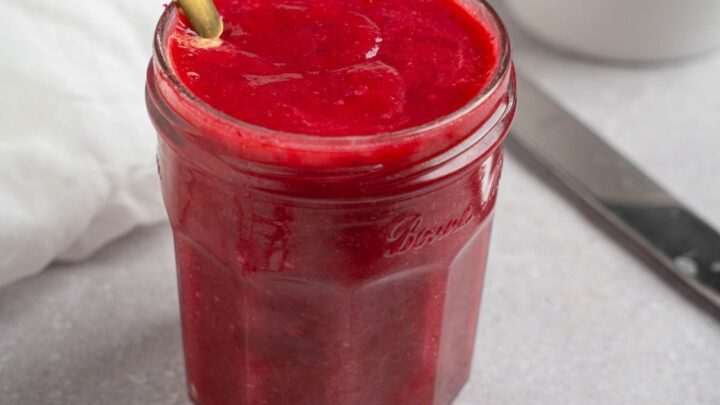
Chokecherry Pudding Recipe: Chokecherry pudding is a deeply comforting dessert that brings together the bold, slightly tart character of chokecherries with the rich, smooth texture of a homemade pudding.
When prepared properly, it delivers a beautiful balance of fruit flavor, gentle sweetness, and velvety consistency that makes it stand out from more common pudding recipes.
We value this dessert for its rustic appeal, its distinctive taste, and its ability to transform a simple list of ingredients into something memorable and satisfying.
Whether served warm on a cool evening or chilled for a refreshing finish to a meal, chokecherry pudding offers a unique homemade experience.
What Is Chokecherry Pudding?
Chokecherry pudding is a fruit-based dessert that typically combines chokecherry juice or puree with a classic pudding foundation made from milk, sugar, thickener, and eggs or cornstarch. The result is a soft, silky dessert with a distinctive berry profile that feels both traditional and refined. Chokecherries are known for their sharp, slightly astringent taste when raw, but once cooked and sweetened, they develop a deep, rich flavor that works beautifully in desserts. This transformation is what makes chokecherry pudding such a rewarding recipe.
Unlike standard vanilla or chocolate pudding, chokecherry pudding carries more complexity in flavor. It is not simply sweet; it has a slightly wild, fruity intensity that gives the dessert character. That character makes it especially appealing for those who enjoy old-fashioned recipes, regional fruit desserts, and homemade dishes with a sense of heritage. When prepared with care, chokecherry pudding can be smooth enough for a formal table while still retaining the charm of a traditional kitchen recipe. It is this combination of elegance and comfort that gives the dessert its lasting appeal.
Ingredients You’ll Need
To make a flavorful and smooth chokecherry pudding, we recommend gathering the following ingredients before beginning:
- 2 cups chokecherries fresh or frozen
- 2 1/2 cups water
- 1/2 cup chokecherry juice or strained puree from cooked berries
- 2 cups whole milk
- 1/2 cup heavy cream
- 3/4 cup granulated sugar
- 1/4 cup cornstarch
- 3 large egg yolks
- 1/4 teaspoon salt
- 1 teaspoon vanilla extract
- 1 tablespoon unsalted butter
- Optional garnish: whipped cream, fresh berries, cinnamon, or chopped nuts
These ingredients work together to create a pudding that is creamy, stable, and full of fruit flavor. Whole milk provides body, while a small amount of cream adds richness and improves the mouthfeel. Cornstarch helps thicken the mixture without making it feel too dense, and egg yolks contribute both structure and a luxurious texture. The butter and vanilla round out the flavor and help soften the tart edge of the chokecherries. If the berries are particularly sharp, a small extra spoonful of sugar can be added during cooking, but it is best to taste gradually rather than oversweeten the pudding too early.
Preparing the Chokecherries Properly
The most important part of this recipe is handling the chokecherries correctly. We begin by rinsing the berries thoroughly and removing any stems, leaves, or damaged fruit. Fresh chokecherries should be washed several times to ensure they are completely clean, especially if they have been harvested directly. Frozen chokecherries can be used just as successfully, and in many cases they release their juices even more easily after thawing. Either option works well as long as the fruit is good quality and properly prepared.
Once cleaned, the chokecherries should be placed in a saucepan with water and brought to a gentle simmer. We cook them until the berries soften and release their color and flavor into the liquid, usually within fifteen to twenty minutes. During this process, the fruit breaks down, creating a rich base for the pudding. After simmering, the mixture should be strained carefully through a fine mesh sieve or cheesecloth. This step is essential because chokecherry pits should not be blended into the pudding. The strained liquid or puree is what gives the dessert its bold fruit flavor, smooth finish, and attractive natural color.
How to Make Chokecherry Pudding Step by Step
Step 1 – Make the Chokecherry Juice or Puree
Wash the chokecherries thoroughly and remove any stems or debris. Add them to a saucepan with a little water and simmer until the fruit softens and releases its juice. Mash gently with a spoon, then strain through a fine sieve if you want a smooth pudding, or blend into a puree for a richer texture. Set the juice or puree aside to cool slightly.
Step 2 – Mix the Dry and Wet Ingredients
In a bowl, combine your sugar, cornstarch, and a small pinch of salt. Stir well so the thickener is evenly distributed and does not form lumps later. Gradually whisk in the chokecherry juice or puree along with any milk or water called for in your recipe. Mix until the texture is smooth and fully combined.
Step 3 – Cook the Pudding Until Thick and Silky
Pour the mixture into a saucepan and place it over medium heat. Stir constantly with a whisk or wooden spoon to prevent sticking and to keep the pudding smooth. As the mixture heats, it will slowly thicken into a creamy, silky consistency. Keep cooking for a few more minutes until it reaches your desired richness.
Step 4 – Cool, Set, and Serve
Remove the pudding from the heat and pour it into serving bowls or one larger dish. Let it cool for a few minutes, then cover and chill in the refrigerator until set. Once fully cooled, serve plain or top with whipped cream, fresh berries, or a light sprinkle of cinnamon for extra flavor.
Best Tips for Perfect Chokecherry Pudding
A successful chokecherry pudding depends on attention to detail. We always recommend cooking over medium-low heat rather than high heat. This protects the milk and eggs from curdling and gives the cornstarch enough time to thicken the mixture evenly. Constant stirring is equally important because it keeps the pudding smooth and prevents scorching at the bottom of the saucepan. If a few small lumps appear, straining the finished pudding solves the problem quickly and restores the silky texture.
Another important tip is to taste the chokecherry base before combining it with the pudding mixture. Some chokecherries are naturally more tart than others, and a quick taste allows us to adjust sweetness accurately. It is better to make controlled adjustments than to overload the recipe with sugar at the beginning. We also recommend using whole milk rather than low-fat milk because the richer fat content improves the final consistency significantly. Finally, always cool the pudding correctly if storing it, since proper covering and refrigeration keep the texture fresh and appealing.
Serving Ideas for Chokecherry Pudding
Chokecherry pudding is versatile enough to be served in several attractive ways. For a simple presentation, we spoon it into glass bowls and top it with a small swirl of whipped cream. This keeps the dessert elegant while allowing the chokecherry flavor to remain the center of attention. A few fresh berries on top add contrast and make the dish look more complete. The natural deep color of the pudding also pairs beautifully with pale garnishes, creating a balanced and appealing presentation.
For a more rustic serving style, the pudding can be enjoyed warm with a light dusting of cinnamon or a sprinkle of toasted chopped nuts. The nuts add texture and help offset the softness of the pudding. It can also be layered with crushed cookies or cake crumbs for a more substantial dessert. When served chilled in individual ramekins, it becomes a refined make-ahead option for gatherings or dinner parties. The pudding is rich enough to feel special, yet light enough that it does not overwhelm the meal.
How to Store Chokecherry Pudding
If there are leftovers, chokecherry pudding stores well in the refrigerator. We recommend placing it in airtight containers or individual covered dishes and keeping it chilled for up to three days. Pressing plastic wrap directly against the surface helps maintain the smooth top layer and prevents a dry skin from developing. The texture remains best within the first two days, though it can still be enjoyed after that if kept properly refrigerated.
Before serving stored pudding, it can be stirred gently to refresh the texture. If it has thickened too much in the refrigerator, a small spoonful of milk stirred in can loosen it slightly. It should not be frozen, as freezing may cause the dairy base to separate and become grainy after thawing. Proper storage preserves both the flavor and the consistency, allowing the dessert to remain just as enjoyable after the first serving.
Why This Chokecherry Pudding Recipe Works
This recipe works because it respects both the strength of the fruit and the structure of a classic pudding. The chokecherries are cooked just enough to extract their best flavor, then carefully strained to create a smooth base. The dairy, eggs, and cornstarch are balanced to produce a pudding that is rich without being too heavy. Every ingredient serves a clear purpose, which is why the final result feels complete and polished rather than overly complicated.
We rely on a method that is straightforward, repeatable, and rewarding. By building the recipe step by step, we create a dessert that highlights the bold taste of chokecherries while preserving the creamy comfort people expect from pudding. It is a recipe that feels traditional, but it also delivers enough refinement to stand confidently among more familiar fruit desserts. With its rich texture, vivid flavor, and elegant simplicity, chokecherry pudding deserves a place among the most memorable homemade sweets.
Common Mistakes to Avoid When Making Chokecherry Pudding
Even a simple pudding can lose its quality if a few key details are overlooked. One of the most common mistakes is using chokecherries without straining them properly after cooking. Since the pits should never remain in the finished dessert, the fruit base must be pressed and filtered with care. A rushed straining process can leave behind unwanted solids, creating a gritty texture that takes away from the smooth and creamy finish that defines a good pudding. We always make this step deliberate, because the quality of the fruit base directly affects the success of the entire recipe.
Another common issue is cooking the pudding over heat that is too high. When the heat is too strong, the milk can scorch, the eggs can curdle, and the thickening can happen unevenly. This often results in a pudding that feels lumpy, heavy, or slightly grainy instead of light and silky. We avoid this by keeping the saucepan over moderate heat and stirring continuously from the moment the ingredients are combined. Patience during cooking is one of the easiest ways to improve the final dessert. A pudding that thickens gradually will always have a more refined texture and a more balanced flavor.
It is also important not to overpower the chokecherry flavor with too much sugar or too much vanilla. While sweetness is needed to soften the tartness of the fruit, an overly sweet pudding loses the distinctive character that makes this recipe special. We want the berries to remain noticeable in every bite, not disappear behind the dairy and sweetener. Measuring carefully and tasting as needed allows the fruit, creaminess, and sweetness to stay in harmony. That balance is what gives chokecherry pudding its signature identity.
Flavor Variations to Try
One of the best things about chokecherry pudding is how easily it can be adapted while still keeping its core character. For a warmer and slightly more aromatic version, we can add a small pinch of ground cinnamon or nutmeg to the pudding base. These spices do not need to dominate the dessert; they simply deepen the fruit flavor and create a more layered finish. A touch of spice works especially well when serving the pudding during cooler months, giving the dish a cozy and old-fashioned appeal that feels inviting and rich.
Another excellent variation is to include a little almond extract along with the vanilla. Chokecherries have a flavor profile that pairs beautifully with almond, and even a very small amount can make the pudding taste more rounded and elegant. We use this option carefully because almond extract is strong, but in the right quantity it enhances the dessert without masking the berries. A light almond note also makes the pudding feel more refined, especially if it is being served for guests or plated in a more formal way.
For those who prefer a dessert with more texture, the pudding can be layered with crumbled shortbread, vanilla wafers, or buttery cake cubes. These additions turn a simple bowl of pudding into a more composed dessert while still allowing the chokecherry flavor to lead. We can also fold in a spoonful of lightly sweetened whipped cream after chilling to create a softer, mousse-like consistency. These variations keep the recipe interesting while preserving the heart of what makes chokecherry pudding so appealing: fruit-forward flavor, creamy body, and homemade comfort.
What to Serve with Chokecherry Pudding
Chokecherry pudding is delicious on its own, but pairing it with the right accompaniment can make it even more satisfying. One of the easiest options is fresh whipped cream, which adds lightness and contrast to the rich texture of the pudding. The cream softens the fruit’s tart edge and creates a gentle, airy finish that makes every spoonful feel balanced. We often choose this topping because it enhances the dessert without distracting from its flavor. A small dollop is enough to add elegance while keeping the presentation simple and clean.
For a more substantial dessert, chokecherry pudding pairs well with buttery biscuits, plain sponge cake, or lightly sweetened tea bread. These baked sides absorb some of the pudding and add a soft, tender contrast that feels comforting and complete. If the pudding is served warm, a slice of cake or a crisp cookie can bring a pleasant textural difference to the plate. This kind of pairing makes the dessert feel fuller and more suited to sharing at family meals or gatherings. It also turns the pudding from a simple sweet dish into something more memorable and generous.
A final serving option is to complement the pudding with fresh fruit such as berries, sliced pears, or even a little orange zest for brightness. These additions bring freshness and color while supporting the natural fruit quality of the chokecherries. We keep these garnishes light so they do not compete with the main flavor. The goal is always to let the pudding remain the focus while using small accents to sharpen presentation and improve the overall eating experience. When served thoughtfully, chokecherry pudding can feel just as special as more elaborate desserts.
FAQs about Chokecherry Pudding Recipe
1. What is chokecherry pudding?
Chokecherry pudding is a traditional dessert made by combining chokecherry juice or mashed chokecherries with a thickening ingredient such as flour, cornstarch, or starch. It has a rich, fruity flavor with a slightly tart taste.
2. Do I need fresh chokecherries to make it?
No. You can use fresh, frozen, or prepared chokecherry pulp. Fresh berries are common when they are in season, while frozen fruit works well the rest of the year.
3. Do I have to remove the pits?
Yes, the pits should be removed before serving. Many recipes simmer the berries first, then strain the mixture to separate the juice and pulp from the pits and skins.
4. Why does chokecherry pudding taste a little bitter?
Chokecherries naturally have a tart and slightly bitter flavor. Adding the right amount of sugar helps balance the taste without covering the fruit’s unique flavor.
5. How do I thicken chokecherry pudding?
Most recipes use flour, cornstarch, or another starch mixed with water. This helps create the smooth, pudding-like texture as the mixture cooks.
6. Can I serve chokecherry pudding cold?
Yes. It can be served warm, chilled, or at room temperature, depending on your preference. Many people enjoy it cold after it has fully set.
7. How should I store it?
Store chokecherry pudding in an airtight container in the refrigerator for up to 3 to 4 days. Stir before serving if it separates slightly.
8. What can I serve with it?
It tastes great with whipped cream, milk, cream, or a sprinkle of sugar. Some people also enjoy it alongside fry bread or simple biscuits.
Final Thoughts
With the right preparation, this pudding becomes more than a basic fruit dessert. It becomes a recipe worth repeating, serving, and sharing. From the careful cooking of the berries to the slow thickening of the pudding base, every step helps build a dessert with real flavor and elegance. Whether served warm with cream or chilled in individual cups, chokecherry pudding remains a beautiful example of traditional cooking done well. It is a dessert we can return to whenever we want something comforting, flavorful, and unmistakably homemade.