Chocolate Cream Cheese Frosting Recipe: There are frostings that simply sit on a cake, and then there are frostings that completely transform it. Chocolate cream cheese frosting belongs in that second category.
It is rich without being too heavy, tangy without being too sharp, and sweet without crossing the line into sugary overload. That balance is exactly why so many home bakers keep coming back to it.
When you spread it over chocolate cake, pipe it onto cupcakes, or swipe a spoonful onto brownies, it brings a bakery-style finish that feels polished but still wonderfully homemade.
What Makes Chocolate Cream Cheese Frosting Different
At first glance, chocolate cream cheese frosting might seem like a simple twist on either chocolate buttercream or plain cream cheese frosting. But once you make it, the difference becomes obvious. It has a personality all its own. Chocolate buttercream tends to be sweet, fluffy, and rich in a classic, familiar way. Traditional cream cheese frosting brings tang, softness, and a slight cheesecake-like quality. This recipe combines the strengths of both. You get the cocoa depth of chocolate frosting and the smooth, slightly tangy edge of cream cheese frosting, which cuts through the sweetness and gives the whole mixture more complexity.
That extra complexity matters more than you might think. Sweet desserts often need contrast to feel complete. A good chocolate cake, for example, becomes even more memorable when topped with frosting that has some brightness and a touch of tanginess. Without that contrast, the dessert can taste flat or overly sugary. Chocolate cream cheese frosting keeps every bite interesting. It is creamy, bold, and layered, the sort of frosting that makes someone pause and ask, “What is in this? It tastes better than usual.”
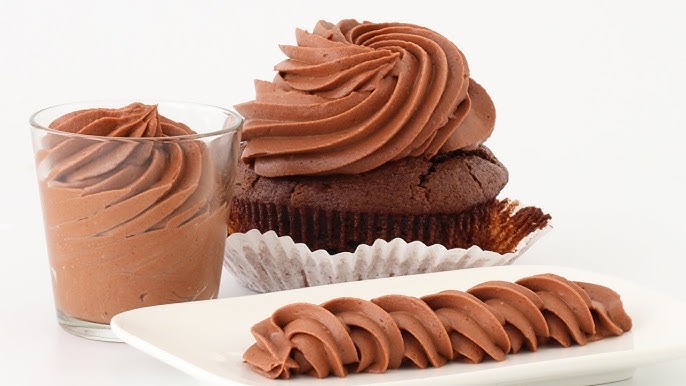
There is also a texture difference worth mentioning. This frosting is generally softer and silkier than a stiff buttercream, which makes it ideal for spreading and swirling. It can be piped too, though it is typically a bit less structured unless chilled first. That softer texture gives cakes and cupcakes a more lush, inviting look, almost like the frosting is melting into every edge in the best possible way. It feels less formal than fondant and less sugary than many classic frostings, which is part of its charm. It tastes homemade in the best sense of the word: generous, flavorful, and comforting.
Texture, Flavor, and Balance
If frosting had a secret superpower, balance would be it. That is where this recipe really wins. The cream cheese brings body and a subtle tang, the butter adds richness and helps with structure, the cocoa powder delivers that unmistakable chocolate note, and the powdered sugar sweetens while smoothing everything out. Together, they create a frosting that tastes rounded, not one-dimensional. It is sweet, yes, but there is enough tang and cocoa bitterness to keep it from becoming cloying.
Texture plays a huge role here too. When made correctly, the frosting becomes smooth, spreadable, and fluffy enough to hold gentle swirls. It should not be runny, gritty, or overly dense. Instead, imagine the texture of a soft cloud with a little extra richness. That is the sweet spot. It spreads beautifully with an offset spatula, glides over cake layers, and pipes into soft peaks on cupcakes. Because cream cheese contains more moisture than butter alone, the frosting often feels more velvety and less heavy than a standard chocolate buttercream.
Flavor-wise, this frosting leans sophisticated without becoming fussy. The chocolate should come through clearly, but it should not overpower the cream cheese. Likewise, the tang should support the chocolate rather than compete with it. Getting that balance right is what turns a decent frosting into a memorable one. You want people to taste chocolate first, then notice the creamy tang that lingers just enough to make the next bite irresistible. It is a little like adding a squeeze of lemon to a dish that needs brightness. The cream cheese sharpens and lifts the whole flavor profile.
Best Uses for This Frosting
This frosting is wildly versatile, which makes it worth learning even if you already have a favorite buttercream recipe. It pairs especially well with chocolate cake, red velvet cake, vanilla cupcakes, banana cake, and brownies. That contrast between the chocolate frosting and a lighter cake base can be incredible, but it is equally at home doubling down on chocolate over chocolate. If you love deep, rich desserts, this frosting is one of the easiest ways to elevate them without adding much extra effort.
Cupcakes are a natural match because the frosting pipes or spreads beautifully and gives each cupcake a bakery-style finish. Brownies also love this frosting. Spread a thick layer over cooled brownies, chill slightly, and suddenly an everyday pan of brownies feels like a special-occasion dessert. It also works as a filling between cake layers, especially when you want something softer and creamier than traditional buttercream. The only thing to remember is that cream cheese frosting is more temperature-sensitive, so cakes frosted with it should not sit in a hot room for long periods.
This frosting is also a smart choice when you want a recipe that appeals to a wide crowd. Kids love the chocolate, adults appreciate the less-sugary flavor, and anyone who usually scrapes frosting off their cake often changes their mind after tasting this version. It is the kind of frosting that feels familiar and a little special at the same time. In other words, it is not trying too hard, but it still steals the show.
Ingredients You’ll Need
Here is the full list for a classic batch of chocolate cream cheese frosting that is enough for a 9-inch layer cake, a 9×13 cake, or about 18 to 24 cupcakes depending on how generously you frost them.
Core Ingredients
- 8 ounces cream cheese, softened
- 1/2 cup unsalted butter, softened
- 2 1/2 to 3 cups powdered sugar, sifted
- 1/2 cup unsweetened cocoa powder, sifted
- 1 teaspoon vanilla extract
- 1 to 2 tablespoons milk or heavy cream, as needed
- Pinch of salt
These ingredients each play a specific role. The cream cheese gives the frosting its tang and creamy texture. Full-fat cream cheese works best because reduced-fat versions often contain more water and can make the frosting loose. The butter adds richness and helps stabilize the texture. Powdered sugar sweetens and thickens, while cocoa powder gives the frosting its bold chocolate flavor. Vanilla extract rounds everything out, and a pinch of salt helps sharpen the flavor so it does not taste flat. The milk or cream is your adjustment tool. Think of it like the steering wheel of the recipe. A little helps you fine-tune the texture at the end.
Optional Add-Ins for Flavor and Texture
If you want to customize the frosting, you can add a few extras without changing its identity. A small amount of espresso powder deepens the chocolate flavor without making the frosting taste like coffee. Melted and cooled dark chocolate can make it even richer, though you may need to adjust the sugar or cream. A touch of cinnamon adds warmth, and a little orange zest can give it a surprising brightness. These are optional, not necessary, but they can help tailor the frosting to a specific cake or season.
The main thing is not to overload the mixture. This frosting is at its best when the chocolate and cream cheese are still the stars. Too many extra flavors and the balance gets muddy. Keep the foundation strong, and then tweak it gently if you want your own signature version.
Kitchen Tools That Make the Process Easier
You do not need a professional pastry kitchen to make this frosting, but a few tools definitely make life easier. A large mixing bowl, a hand mixer or stand mixer, measuring cups, measuring spoons, a rubber spatula, and a sifter or fine mesh strainer are the basics. If you have ever tried to beat cream cheese frosting entirely by hand, you already know it can be done, but it is a workout. An electric mixer helps create a smoother texture and cuts down the chance of stubborn lumps hiding in the final frosting.
The sifter deserves special attention because both powdered sugar and cocoa powder love to clump. Those tiny lumps may not seem like a big deal at first, but once they are in the frosting, they can be annoyingly hard to remove. Sifting gives you a much silkier result. A rubber spatula is also more important than it looks. Mixers are great, but they do not always scrape the sides and bottom of the bowl well enough. A quick scrape between mixing stages helps everything blend evenly and prevents pockets of butter or cream cheese from escaping unnoticed.
An offset spatula is helpful if you plan to frost a cake, and piping bags with tips are useful for cupcakes. Still, these are nice extras, not essential equipment. The bigger secret is preparation. Set out your ingredients ahead of time, measure them before you start, and make sure your cream cheese and butter are properly softened. In baking, that little bit of setup is like stretching before a run. It does not look dramatic, but it makes the whole process smoother and improves the final result more than people expect.
Step-by-Step Guide for Chocolate Cream Cheese Frosting
Below is the full step-by-step process, broken down so you can understand not just what to do, but why it matters.
Step 1 – Bring Ingredients to the Right Temperature
Let the butter and cream cheese sit at room temperature until soft but not melted. This helps them blend smoothly and prevents lumps in the frosting. Soft ingredients create a creamier and more even texture.
Step 2 – Beat the Butter and Cream Cheese Together
Place the softened butter and cream cheese in a mixing bowl. Beat them together until the mixture becomes smooth, creamy, and well combined. Scrape down the sides of the bowl as needed so everything mixes evenly.
Step 3 – Add Cocoa Powder and Flavorings
Sift in the cocoa powder, then add vanilla extract and a small pinch of salt if desired. Mix on low speed at first so the cocoa does not puff out of the bowl. Once combined, the mixture will begin to take on a rich chocolate flavor.
Step 4 – Mix in Powdered Sugar Gradually
Add the powdered sugar a little at a time, beating gently after each addition. This helps the frosting stay smooth and prevents a dusty mess. Continue mixing until the frosting becomes thick, sweet, and creamy.
Step 5 – Adjust the Texture for Spreading or Piping
If the frosting is too thick, add a small amount of milk or cream, one spoonful at a time. If it is too soft, mix in a little more powdered sugar. Adjust until it reaches the perfect consistency for spreading on cakes or piping onto cupcakes.
Step 6 – Taste, Rest, and Use
Taste the frosting and adjust the sweetness or cocoa level if needed. Let it rest for a few minutes so the texture settles. Once ready, use it to frost cakes, cupcakes, brownies, or any dessert that needs a rich chocolate cream cheese finish.
Common Mistakes to Avoid
Even simple frosting recipes can go sideways for surprisingly small reasons. One of the biggest mistakes is using cream cheese from a tub instead of block cream cheese. Tub versions are often softer and contain stabilizers or extra moisture, which can make the frosting runny. Another common issue is using ingredients at the wrong temperature. Cold butter and cream cheese lead to lumps, while overly warm ingredients can create a loose frosting that never quite firms up.
Another frequent mistake is adding all the powdered sugar at once. That tends to create uneven mixing and makes it harder to control both flavor and texture. Gradual mixing gives you much better results. Overbeating is another sneaky problem. It sounds harmless, but too much mixing can break down the structure and make the frosting softer than intended. Cream cheese frosting is not like some buttercreams that love endless whipping. It prefers a gentler touch.
Skipping the sifting step can also come back to haunt you. Cocoa powder and powdered sugar clumps are small, but they can leave gritty bits throughout the frosting. And perhaps the most disappointing mistake of all is trying to frost a warm cake. Even perfect frosting will melt and slide on a cake that has not cooled completely. Patience matters here. Let the cake cool, then frost. It is a simple rule, but it saves a lot of frustration and keeps your work looking clean and polished.
How to Get the Perfect Frosting Consistency
Consistency is where this recipe becomes truly useful rather than merely tasty. A frosting that tastes amazing but spreads poorly or collapses when piped can still be frustrating. The ideal texture depends on the job. For a layer cake, you want a frosting that spreads smoothly without tearing the crumbs. For cupcakes, you may want more structure so swirls hold their shape. For brownies, a slightly softer finish can be gorgeous because it settles into a rich, glossy layer.
To get that perfect consistency, think in terms of balance rather than strict numbers. If the frosting is too thick, add liquid slowly. Heavy cream gives a richer finish, while milk keeps things a little lighter. If it is too soft, powdered sugar helps, but do not dump in a large amount all at once or the frosting may become too sweet. Chilling is another underrated fix. Because this is a cream cheese-based frosting, even 15 to 20 minutes in the refrigerator can make it easier to spread or pipe neatly.
Humidity and room temperature can also affect texture. On hot days, the frosting may soften faster, so work in a cool space when possible. On cooler days, it may hold shape more easily. The best test is visual and tactile. Lift your spatula. The frosting should cling softly and form gentle peaks. It should not pour like glaze, and it should not sit like stiff dough. When it lands somewhere in between, creamy but structured, you have hit the sweet spot.
Ways to Use Chocolate Cream Cheese Frosting
A great frosting recipe should earn its place by doing more than one job well, and this one absolutely does. Of course, it works beautifully on cakes and cupcakes, but that is only the beginning. Spread it over banana bread to turn a casual loaf into a dessert. Sandwich it between cookies for a bakery-style treat. Add it to brownies for a richer finish, or use it as a filling in a chocolate layer cake with berries for a dessert that feels both indulgent and balanced.
This frosting is especially good with cakes that benefit from a little tang. Red velvet cake is the obvious classic, but spice cake, carrot cake with a chocolate twist, and even pumpkin cake can pair surprisingly well with it. Vanilla cake also loves it because the frosting becomes the bold, dramatic element while the cake acts as a clean canvas underneath. It is the culinary version of wearing a black jacket over a white shirt. Simple, sharp, and always effective.
Because the frosting is softer than many traditional buttercreams, it gives desserts a more inviting, homemade feel. Swirled casually onto cupcakes, it looks generous and rich. Smoothed onto a layer cake, it creates a soft, elegant finish. You do not have to chase perfection with this frosting for it to look beautiful. A few spatula swoops and rustic swirls often make it look even more appetizing.
Cakes, Cupcakes, Brownies, and More
Let’s get practical. For cupcakes, this recipe can frost about 18 to 24 depending on how tall your swirls are. For a 9-inch layer cake, it works well as both filling and outer frosting, though you may want to make a slightly larger batch for thick decorative layers. On a sheet cake, it spreads beautifully and gives generous coverage without becoming too heavy. For brownies, a thinner layer is often all you need because the richness builds quickly.
It also works in less obvious ways. Try using it as a dip for graham crackers or as a filling in sandwich cookies. A small dollop on top of pancakes or waffles for a dessert-style brunch treat can also be fun. That may sound a little unconventional, but good frosting has range. Sometimes the best recipes are the ones that quietly adapt to whatever you are baking that week.
The beauty here is that the frosting does not need a special occasion. It is polished enough for birthdays and holidays, but easy enough for a random weekend baking session. That makes it the kind of recipe people actually return to, not just save and forget.
Storage, Make-Ahead Tips, and Serving Advice
Because this frosting contains cream cheese, storage matters. It should be kept refrigerated in an airtight container if not used right away. In the fridge, it generally stays good for about 4 to 5 days. Before using chilled frosting, let it sit for a short time at room temperature so it softens enough to spread or pipe easily. Then give it a quick stir or a brief mix to restore its creamy texture.
For make-ahead baking, this frosting is very convenient. You can prepare it a day or two early and store it until needed. That is especially helpful when making layer cakes, where splitting the work across two days can make the whole process feel much less hectic. You can also frost cakes or cupcakes ahead of time and refrigerate them, though they are often best served after sitting out briefly so the frosting softens and the flavors bloom again.
Serving temperature makes a difference too. Straight from the fridge, the frosting will be firmer and the chocolate flavor may feel slightly muted. After a little time at room temperature, it becomes creamier and more aromatic. It is a small detail, but one that can make homemade desserts taste even better. Think of it as giving the frosting a chance to wake up before the spotlight hits.
FAQs about Chocolate Cream Cheese Frosting Recipe
1. What is chocolate cream cheese frosting?
Chocolate cream cheese frosting is a rich, smooth frosting made with cream cheese, butter, cocoa powder, powdered sugar, and flavorings. It has a creamy texture with a slight tang from the cream cheese.
2. Why should the butter and cream cheese be softened first?
Softened ingredients blend more easily and create a smoother frosting. If they are too cold, the frosting may turn lumpy instead of creamy.
3. Can I use this frosting for cakes and cupcakes?
Yes, chocolate cream cheese frosting works very well for cakes, cupcakes, brownies, and even sandwich cookies. It can be spread or piped depending on the texture.
4. How do I make the frosting thicker?
Add more powdered sugar, a little at a time, until the frosting reaches your desired consistency. Chilling it briefly can also help firm it up.
5. How do I make it thinner?
Add a small amount of milk or cream, one spoonful at a time, and mix well. This helps loosen the frosting without making it too runny.
6. Can I use natural cocoa powder or Dutch-process cocoa?
Yes, both can be used. Natural cocoa gives a lighter chocolate flavor, while Dutch-process cocoa creates a deeper and smoother chocolate taste.
7. How should I store chocolate cream cheese frosting?
Store it in an airtight container in the refrigerator for up to 5 days. Let it soften slightly and stir before using again.
8. Can I freeze it?
Yes, you can freeze it in a sealed container for up to 2 months. Thaw it in the refrigerator, then beat it again before using.
9. Why is my frosting too soft?
This can happen if the cream cheese or butter was too warm, or if too much liquid was added. Chilling the frosting and mixing in a little more powdered sugar usually helps.
Conclusion
The best part is that this frosting does not ask for complicated techniques or hard-to-find ingredients. With a block of cream cheese, a bit of butter, cocoa powder, powdered sugar, and a few pantry basics, you can make something that tastes polished and professional. Follow the ingredient list carefully, pay attention to temperature, and mix in stages. Those simple habits do most of the heavy lifting.
Whether you are baking for a birthday, a holiday, a family dinner, or just because chocolate sounds like a good idea today, this frosting gives your dessert a big upgrade. It is creamy, bold, easy to customize, and deeply comforting. Once you make it successfully a time or two, it starts to feel less like a recipe and more like a reliable kitchen move you can pull out whenever you want something that tastes a little extra special.