Chipotle Sofritas Recipe: There is something wildly satisfying about recreating a restaurant favorite in your own kitchen, especially when it turns out just as smoky, spicy, and deeply savory as the version you order out.
That is exactly why this Chipotle Sofritas recipe deserves a place in your weekly rotation. It brings together crumbled tofu, bold chipotle peppers, roasted tomato flavor, warm spices, and aromatics in a way that feels rich and hearty rather than like a “meat substitute.”
Even people who normally raise an eyebrow at tofu tend to come around once they taste how much flavor it can absorb when handled the right way.
What Sofritas Actually Are
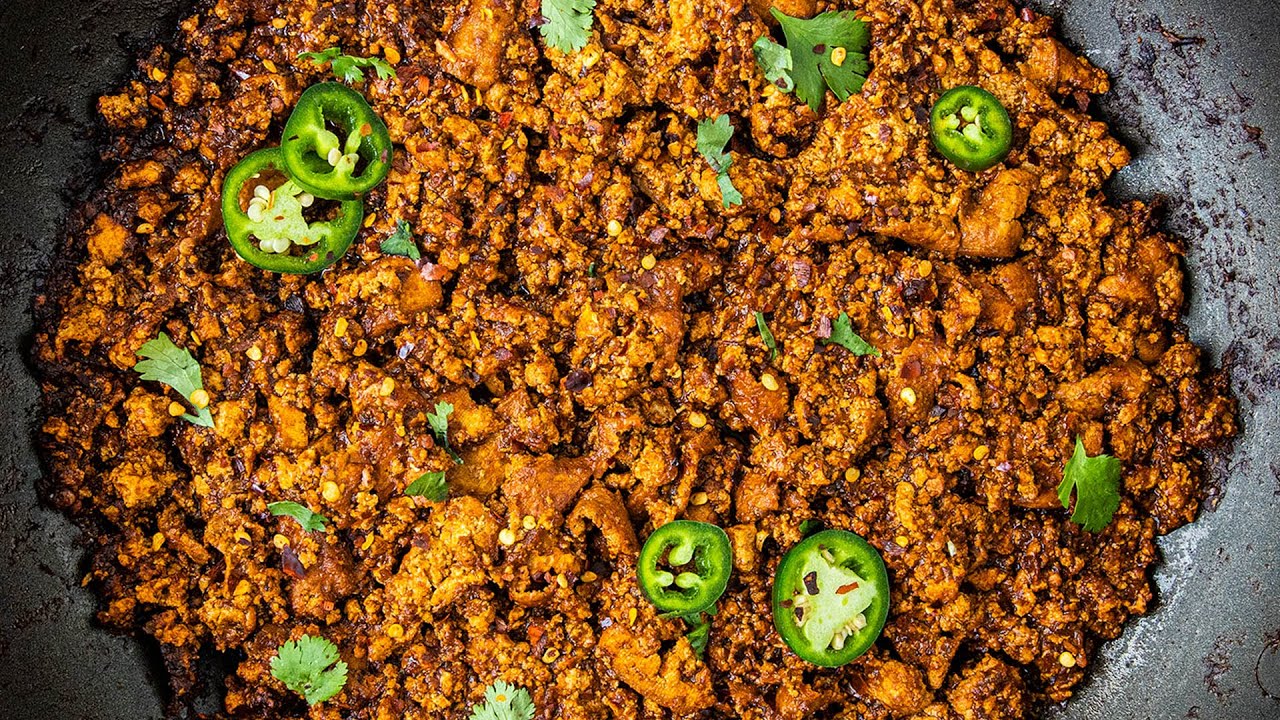
If you have ordered from Chipotle before, you have probably seen sofritas listed as a plant-based protein option. At first glance, it might seem like a simple tofu filling, but it is much more than that. Sofritas are made from tofu that is typically crumbled or shredded into small pieces, then cooked in a robust sauce made with chipotle peppers, tomatoes, garlic, onions, and spices. The result is smoky, lightly tangy, a little spicy, and packed with the kind of savory depth people usually associate with slow-cooked fillings.
The beauty of sofritas lies in contrast. The tofu is soft enough to soak in flavor, but when cooked properly, it also develops chewy, golden edges that make every bite more interesting. The sauce is not just hot for the sake of being hot. It carries layers—earthiness from cumin, gentle sweetness from tomato, smokiness from chipotle, and brightness from acidity. That balance is what makes the dish feel complete rather than one-dimensional.
A lot of home cooks get tofu wrong because they treat it like it should magically taste amazing on its own. It will not. Tofu is more like a blank canvas than a finished painting. Sofritas succeed because they lean into that fact. Instead of fighting tofu’s mild flavor, the recipe uses it as a vehicle for powerful ingredients. That is why this dish can be both comforting and exciting at the same time. It is not pretending to be meat. It is simply becoming something delicious in its own right.
Once you understand that, the recipe becomes much less intimidating. You are not trying to imitate a mystery formula. You are building a bold braised tofu dish with Mexican-inspired flavors and restaurant-style character. That mindset makes all the difference.
Ingredients You’ll Need
A great Chipotle Sofritas recipe starts with ingredients that each play a clear role. Some bring heat, some bring body, some create depth, and some tie everything together. The good news is that you do not need a mile-long shopping list. Most of the ingredients are pantry-friendly, and once you buy a can of chipotle peppers in adobo, you will probably start reaching for it in all kinds of recipes because it adds instant smoky intensity.
Below is the full Ingredients You’ll Need list, clearly laid out so you can shop and cook with confidence.
- 14 to 16 ounces extra-firm tofu
- 1 to 2 tablespoons olive oil or neutral oil
- 1 small onion, roughly chopped
- 3 to 4 garlic cloves
- 2 chipotle peppers in adobo sauce
- 1 to 2 tablespoons adobo sauce
- 2 tablespoons tomato paste
- 1/2 cup canned crushed tomatoes or tomato sauce
- 1 tablespoon soy sauce or tamari
- 1 teaspoon apple cider vinegar or lime juice
- 1 teaspoon cumin
- 1 teaspoon chili powder
- 1/2 teaspoon smoked paprika
- 1/2 teaspoon dried oregano
- 1/2 teaspoon black pepper
- 1/2 to 1 teaspoon salt, to taste
- 1 teaspoon sugar or maple syrup (optional, to balance heat and acidity)
- 1/4 cup water or vegetable broth, plus more if needed
That ingredient list creates the familiar flavor profile people expect from restaurant-style sofritas. The tofu gives the dish body, the chipotle peppers deliver the signature smoky heat, and the tomato components help coat everything in a rich, reddish sauce. Soy sauce may not sound traditional to everyone, but it adds a valuable savory backbone that helps the tofu taste fuller and more seasoned. The vinegar or lime brings a little lift so the final result does not feel heavy.
This is one of those recipes where every ingredient acts like a teammate. Nothing is random. Even the small amount of sweetener, if you choose to use it, helps smooth out sharp edges from the tomato and adobo. That is why the finished dish tastes rounded, not harsh.
Main Protein Base
The heart of this recipe is extra-firm tofu, and choosing the right type matters more than people think. Soft tofu or silken tofu will not hold up here. They are great in sauces and desserts, but they will fall apart into a mushy texture if you try to cook them like sofritas. Extra-firm tofu gives you structure. It can be pressed, crumbled, browned, and simmered without disappearing into the pan.
When you crumble tofu for sofritas, you are aiming for irregular pieces rather than perfectly even cubes. That unevenness actually helps. Some small bits become crisp around the edges, while larger pieces stay tender and juicy. That mix creates a texture that feels more natural and satisfying in tacos, bowls, or burritos. It is much better than a pan full of identical tofu cubes that all eat the same way.
Pressing the tofu first is another crucial part of the process. Tofu comes packed with water, and if you skip pressing, it tends to steam instead of brown. That means less texture, less flavor concentration, and more frustration. You do not need fancy equipment to fix that. A clean kitchen towel, a plate, and something heavy on top can do the job just fine. Once some of that moisture is removed, the tofu becomes far more willing to soak up sauce and develop color in the skillet.
Think of tofu here like a sponge with personality. The less water it carries from the package, the more room it has to welcome the smoky sofritas sauce. That is what transforms it from bland to brilliant.
Sauce and Flavor Builders
The soul of Chipotle sofritas lives in the sauce. Without it, you simply have cooked tofu. With it, you have that familiar smoky, spicy, slightly tangy filling that can carry an entire burrito bowl. The main flavor builders are chipotle peppers in adobo, tomato paste, crushed tomatoes, garlic, and onion. Each one contributes something specific, and together they form a sauce with real depth.
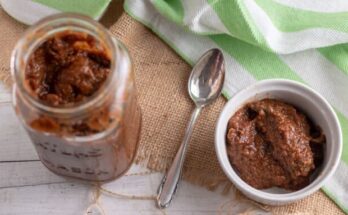
Chipotle peppers in adobo are the star. They bring heat, smoke, and a kind of dark, rich intensity that feels almost fire-roasted. The adobo sauce from the can matters too, because it carries concentrated flavor and helps season the entire dish. Tomato paste adds thickness and a more developed tomato character, while crushed tomatoes or tomato sauce loosen the mixture so it can coat the tofu evenly rather than clump around it.
Garlic and onion round everything out. Onion provides sweetness and body once blended or cooked down, while garlic gives the sauce that sharp, savory edge that keeps it from tasting flat. Soy sauce or tamari adds umami in a quick, practical way. It is one of those quiet ingredients that does a lot of heavy lifting behind the scenes. You might not identify it outright in the finished dish, but you would notice its absence.
Then comes the balancing act. A small amount of vinegar or lime juice wakes up the whole sauce. Without acid, smoky and tomato-based recipes can feel a bit sleepy. With it, the flavors sharpen and become more vivid. This is the difference between a sauce that tastes “fine” and one that makes you pause after the first bite and think, yes, that is it.
Spices, Aromatics, and Pantry Staples
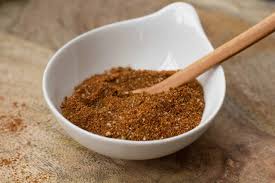
Spices are what turn this recipe from a basic tofu skillet into something that feels layered and restaurant-inspired. Cumin, chili powder, smoked paprika, and oregano work together to create warmth, earthiness, and complexity. None of them should overpower the chipotle. Instead, they support it, like background musicians making the lead singer sound even stronger.
Cumin brings a deep, earthy aroma that instantly makes the dish feel grounded. Chili powder adds warmth and a familiar southwestern profile. Smoked paprika helps reinforce the smoky character already coming from the chipotle peppers, which is especially useful if you want the final dish to taste rich and slightly fire-kissed. Oregano adds an herbal note that keeps the recipe from leaning too heavily into one flavor direction. It is subtle, but it helps build a more complete result.
Salt and black pepper might sound basic, but they matter enormously. Tofu needs assertive seasoning because it starts out mild. Underseason it, and the whole dish feels dull no matter how good the sauce is. Season it properly, and every bite tastes alive. A small amount of sugar or maple syrup is optional, but it can be incredibly helpful if your tomatoes are acidic or your chipotle peppers are especially intense. You are not trying to make the dish sweet. You are just sanding down the rough edges.
Water or vegetable broth helps control the final consistency. Sofritas should be moist and saucy, but not soupy. You want the mixture to spoon easily into tacos or bowls without flooding everything underneath. That little bit of liquid lets you adjust the texture as you go and gives the flavors room to mingle while simmering.
Kitchen Tools That Make the Process Easier
You do not need a chef’s kitchen to make excellent homemade Chipotle Sofritas, but having a few practical tools makes the whole process smoother. The first helpful item is something to press the tofu with. A tofu press is nice if you already own one, but it is not essential. A cutting board, a few paper towels or a clean kitchen towel, and a heavy skillet or canned goods on top will work perfectly well. The goal is simple: remove excess water so the tofu can brown instead of steam.
A blender or food processor is also useful because the sauce becomes much more cohesive when the onion, garlic, tomatoes, chipotle peppers, and seasonings are blended together. You can finely chop everything by hand if needed, but blending gives you that restaurant-style sauce texture that clings evenly to the tofu. It makes the final dish feel more polished and intentional.
You will also want a good skillet, ideally nonstick or well-seasoned cast iron. The pan is where texture develops, and texture matters a lot here. A wide skillet gives the tofu room to spread out, which helps it brown rather than pile up and soften. Crowding the pan is one of the easiest ways to lose the slightly crisp edges that make sofritas taste so good.
A spatula or wooden spoon is enough for stirring, and measuring spoons help if you want a more repeatable result. None of this is fancy. That is part of the appeal. This recipe is built on technique, not expensive gear. With a few smart tools and the right order of steps, you can create a dish that tastes far more complex than the effort suggests.
Prep Work Before You Start Cooking
Before the stove goes on, a little prep work will make the entire recipe easier and more successful. Start by pressing the tofu. Wrap it in paper towels or a clean cloth, place it on a plate or board, and set something heavy on top for about 20 to 30 minutes. This step is not glamorous, but it changes everything. Less water means better browning, better texture, and better flavor absorption once the sauce goes in.
While the tofu is pressing, gather the rest of your ingredients. Chop the onion, peel the garlic, measure the spices, and get the chipotle peppers ready. Since the sauce comes together quickly, having everything laid out beforehand keeps the process calm and organized. Cooking is always easier when you are not digging through the pantry for cumin while onions are already waiting in the blender.
This is also the right time to think about spice level. If you love heat, use two chipotle peppers plus extra adobo sauce. If you want a milder version, start with one pepper and taste the sauce before cooking. Chipotle peppers can vary in intensity, and once the sauce is in the pan, it is harder to dial the heat back. You can always add more later, but taking it away is like trying to un-toast bread. It just does not happen.
Crumble the tofu by hand once it has been pressed. Do not overthink the shape. Uneven pieces are part of the charm. Some should be small enough to catch sauce in every crevice, while others can be a little larger for bite. That irregular texture helps the final dish feel hearty instead of processed. When all the prep is done, the cooking itself becomes fast, smooth, and much more enjoyable.
Step-by-Step Guide for Chipotle Sofritas
Step 1: Press and Prepare the Tofu
Start by pressing the tofu to remove excess moisture. This helps it hold its shape and absorb more flavor during cooking. Once pressed, crumble or cut the tofu into small pieces so it resembles the texture of sofritas.
Step 2: Make the Sofritas Sauce
In a blender or food processor, combine chipotle peppers in adobo, tomatoes or tomato paste, garlic, onion, cumin, paprika, oregano, and a little vinegar or broth. Blend until smooth. This sauce gives the tofu its smoky, spicy, and savory flavor.
Step 3: Cook the Tofu Until It’s Firm and Golden
Heat a little oil in a skillet over medium heat. Add the prepared tofu and cook, stirring occasionally, until it becomes slightly golden and firmer. This step improves the texture and helps the tofu hold up well in the sauce.
Step 4: Simmer Everything Together
Pour the sofritas sauce over the cooked tofu and stir well to coat it evenly. Let it simmer over low to medium heat until the sauce thickens slightly and the tofu absorbs the flavor. Taste and adjust the seasoning if needed, then serve hot in tacos, bowls, burritos, or salads.
Tips for Getting the Best Texture and Flavor
A good Chipotle Sofritas recipe is easy enough to make once, but a great one is repeatable. The biggest tip is to take tofu texture seriously. Pressing is essential, and browning before adding sauce is just as important. Those two steps create the structure that keeps the final dish from feeling watery or soft in the wrong way. Skip either one, and the recipe can still be edible, but it will not have that satisfying restaurant-style bite.
The second tip is to build flavor in layers rather than dumping everything together and hoping for the best. The tofu gets prepared first. The sauce gets blended with intention. The pan time for browning adds another layer, and the simmer brings it all together. That layering is what makes the finished dish taste fuller and more developed. It is the difference between a song with one instrument and an entire band playing in sync.
Be careful with chipotle peppers. They are powerful, and the heat can climb quickly. Start lighter if you are unsure, then adjust later. Also remember that salt matters more than many people realize, especially in tofu dishes. A bland tofu recipe is often not under-spiced; it is under-seasoned. One extra pinch of salt can make the chipotle, tomato, and cumin flavors feel much more vivid.
Finally, do not be afraid to let the sofritas rest for a few minutes before serving. Saucy recipes often improve with a tiny pause because the liquid redistributes and the flavors settle. Leftovers can taste even better the next day, which is why this recipe is such a strong meal prep option.
How to Serve Chipotle Sofritas
One of the best things about homemade sofritas is how flexible they are. The most obvious way to serve them is in a burrito bowl with rice, black beans, fajita vegetables, salsa, corn, lettuce, and guacamole. That combination works because the smoky tofu acts as the anchor while the other ingredients add freshness, creaminess, and contrast. It is filling without being heavy, and every bite can be a little different depending on what lands on your fork.
Tacos are another great option. Spoon the sofritas into warm corn or flour tortillas, then top with shredded lettuce, avocado, pickled onions, cilantro, or a squeeze of lime. The smoky-spicy tofu loves bright toppings. It is like pairing a deep, rich song with a sharp chorus that lifts everything. The freshness balances the sauce beautifully.
You can also use sofritas in quesadillas, wraps, nachos, stuffed sweet potatoes, or salads. That is what makes this recipe such a smart one to keep around. It is not limited to one style of meal. A batch in the fridge can turn into lunch, dinner, or a quick snack with almost no extra effort. Even a simple rice bowl with a dollop of sour cream or dairy-free crema can feel complete.
Serving is also where you can personalize the heat and richness. Add extra hot sauce if you love spice, or soften things with avocado and rice if you want balance. However you plate it, the sofritas should stay the center of attention.
Storage, Reheating, and Meal Prep Tips
This recipe stores beautifully, which is one reason it has such loyal fans. Once cooled, transfer the sofritas to an airtight container and refrigerate for up to 4 days. The flavors often deepen overnight, so leftovers are not just acceptable—they can actually be better. That smoky chipotle, tomato, and spice blend settles into the tofu in a way that makes the second-day version especially satisfying.
For reheating, a skillet is the best option if you want to preserve texture. Add the sofritas to a pan over medium heat with a splash of water if needed, then stir until warmed through. The microwave works too, especially for meal prep, but it can soften the tofu a bit more. It is convenient, though, and the flavor will still hold up well. If the mixture seems dry after refrigeration, a spoonful of broth, tomato sauce, or even water can bring it back to life.
This recipe is ideal for weekly meal prep because it fits into so many combinations. Pair it with rice and beans for lunch boxes, tuck it into wraps for easy grab-and-go meals, or use it as a taco filling for quick dinners. Having a flavorful protein ready in the fridge takes pressure off the rest of the week. It is like keeping a secret weapon in your kitchen—one batch, many meals.
Freezing is possible too. Store it in a freezer-safe container for up to 2 months. Thaw in the fridge before reheating for the best texture. The tofu may become slightly chewier after freezing, but many people actually enjoy that.
FAQs about Chipotle Sofritas Recipe
1. What are Chipotle sofritas?
Chipotle sofritas are a spicy, smoky tofu dish made with crumbled tofu cooked in a flavorful sauce of chipotle peppers, tomatoes, garlic, and spices. They are often used in burrito bowls, tacos, burritos, and salads.
2. What kind of tofu should I use?
Firm or extra-firm tofu works best because it holds its shape well and gives a better texture after cooking. Soft tofu is usually too delicate for this recipe.
3. Why do I need to press the tofu?
Pressing removes excess moisture, which helps the tofu cook better, become firmer, and absorb the sauce more effectively.
4. Is Chipotle sofritas very spicy?
They usually have a medium to hot spice level because of the chipotle peppers. You can make them milder by using fewer peppers or adding more tomato base.
5. What gives sofritas their smoky flavor?
The smoky flavor comes mainly from chipotle peppers in adobo sauce. These peppers are smoked jalapeños and are key to the dish’s signature taste.
6. Can I make sofritas ahead of time?
Yes, sofritas are great for meal prep. The flavor often becomes even better after sitting for a few hours or overnight.
7. What can I serve with Chipotle sofritas?
They pair well with rice, burrito bowls, tacos, wraps, salads, beans, guacamole, and corn salsa.
8. How do I store leftovers?
Store leftover sofritas in an airtight container in the refrigerator for up to 4 days. Reheat in a pan or microwave.
9. Can I freeze Chipotle sofritas?
Yes, they freeze well. Let them cool completely, then store in a freezer-safe container for up to 2 months.
Conclusion
The real secret is not a single ingredient. It is the combination of pressing the tofu properly, browning it for texture, and letting it simmer long enough to absorb the sauce. That is where the magic happens. Once you have done it once, the recipe becomes far less intimidating and much more flexible. You can adjust the heat, tweak the tang, or serve it in countless ways depending on what you are craving.
Whether you are making burrito bowls for the week, tacos for dinner, or simply looking for a better way to cook tofu, this recipe gives you a dependable, flavorful answer. It is smoky comfort food with a little edge, and it earns its place at the table one forkful at a time.