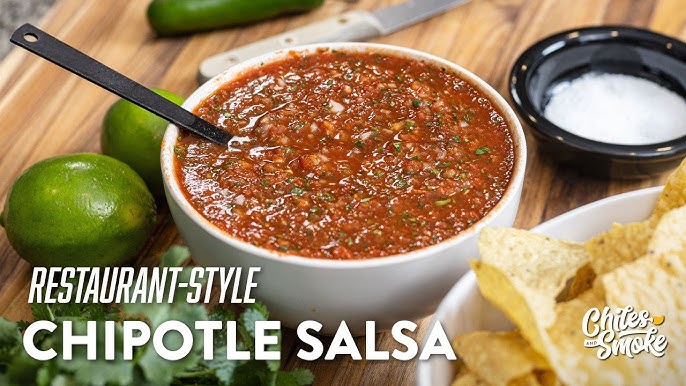
Chipotle Salsa Recipe: If you love bold, smoky, and spicy flavors, then chipotle salsa is about to become your go-to favorite. Unlike regular salsa, chipotle salsa brings in that rich, smoky heat thanks to chipotle peppers, which are smoked and dried jalapeños. This Mexican-inspired condiment is packed with character and can easily transform tacos, burritos, grilled meats, and even plain tortilla chips into something unforgettable.
What makes this recipe even better? It’s incredibly easy to make at home, using fresh ingredients and your favorite kitchen blender. No more relying on store-bought jars filled with preservatives—this homemade version is healthier, more flavorful, and totally customizable to suit your heat tolerance.
Whether you’re a salsa beginner or a seasoned spice lover, this guide walks you through everything from selecting ingredients to blending the perfect consistency. Ready to fire up your taste buds? Let’s get into it.
List of Ingredients You’ll Need
Making chipotle salsa at home doesn’t require a ton of ingredients. In fact, most of them might already be in your kitchen. Here’s what you’ll need for a classic version:
Main Ingredients:
- 4 Roma Tomatoes – roasted for deep flavor
- 2 Chipotle Peppers in Adobo Sauce – canned version works best
- 1/2 White Onion – roasted or raw, depending on preference
- 2 Cloves Garlic – roasted for a mellow bite
- 1 tbsp Apple Cider Vinegar – adds a tangy punch
- 1 tsp Salt – enhances flavor
- 1/4 tsp Sugar – optional, to balance acidity
- 1/2 cup Water – for desired consistency
- Fresh Cilantro (a handful) – optional, for herbaceous brightness
- Juice of 1 Lime – for freshness
Optional Add-Ons:
- 1 Roasted Jalapeño – for extra heat
- 1 Small Mango or Pineapple Slice – adds sweetness
- Ground Cumin (1/4 tsp) – enhances the smoky notes
- Olive Oil (1 tbsp) – for a silkier finish
Feel free to experiment with these based on your taste preferences. Some like it hotter, some prefer it slightly sweet—chipotle salsa can be your canvas!
Essential Tools and Equipment
To make the best chipotle salsa, having the right tools can make your cooking process smoother and quicker. Here’s what you’ll need:
- Blender or Food Processor – essential for blending everything into a smooth or chunky salsa
- Baking Sheet or Cast Iron Pan – for roasting veggies
- Tongs – to flip the veggies during roasting
- Cutting Board and Knife – for chopping ingredients
- Spatula or Spoon – for mixing and tasting
- Glass Jar or Airtight Container – to store your finished salsa
Using fresh tools makes a huge difference in flavor and texture. For example, a high-speed blender can give you a creamier salsa, while a food processor will retain a chunkier texture.
Choosing the Right Chipotle Peppers
The heart of this recipe is the chipotle pepper. But not all chipotle peppers are created equal.
Canned Chipotle in Adobo Sauce:
- Easiest to find in most supermarkets
- Already softened and full of smoky flavor
- Comes in a rich tomato-vinegar based adobo sauce
- Adds depth and heat to your salsa instantly
Dried Chipotle Peppers:
- Need to be rehydrated in hot water before blending
- Stronger, more earthy flavor
- Great for purists who want to control the salsa from scratch
Most home cooks go for the canned version because it’s convenient, flavorful, and easy to blend. But if you’re up for a challenge, the dried kind will give your salsa a whole new depth.
How to Prepare Your Ingredients
To bring out that restaurant-quality taste, prepping your ingredients is key.
Roasting Tips:
Roasting your tomatoes, onions, and garlic adds a charred, sweet flavor that balances the spiciness of the chipotle peppers.
- Preheat your oven to 400°F (200°C)
- Place halved tomatoes, peeled garlic, and sliced onions on a baking sheet
- Roast for about 20 minutes or until you see some charring
- Alternatively, you can use a cast-iron pan on the stovetop
Prepping Tips:
- Garlic: Roast whole cloves with skins on, then peel
- Tomatoes: Use ripe Roma or plum tomatoes—they’re less watery
- Onions: You can use raw for a sharper taste or roasted for sweetness
- Chipotle Peppers: Use 1-3 depending on heat tolerance
The better you prep, the better your salsa will turn out!
Step-by-Step Chipotle Salsa Recipe
Now let’s dive into the actual recipe process. Follow these easy steps to whip up your salsa in under 30 minutes!
Step 1: Roast the Vegetables
Begin by roasting fresh vegetables to build deep, smoky flavor. Place tomatoes, onions, garlic, and peppers on a baking tray. Roast until softened and lightly charred. Roasting intensifies sweetness and adds that signature smoky taste.
Step 2: Blend to Perfection
Transfer the roasted vegetables to a blender or food processor. Add chipotle peppers in adobo sauce for heat and smokiness. Blend until smooth or slightly chunky, depending on your preferred texture. Blend in short bursts to maintain control over consistency.
Step 3: Season and Adjust
Taste the salsa and season with salt and a squeeze of lime juice. Adjust heat by adding more chipotle or mild it out with extra tomatoes. Balance flavors carefully—smoky, tangy, and spicy should all shine.
Step 4: Chill and Serve
Transfer the salsa to a bowl or jar and refrigerate for at least 30 minutes. Chilling allows the flavors to meld and deepen. Stir before serving.
Bold, smoky, and irresistibly fresh—this chipotle salsa adds instant flavor to tacos, bowls, grilled meats, and more 🌶️🥣
Tips to Get the Perfect Consistency
One of the biggest challenges when making salsa at home is getting the consistency just right. Chipotle salsa, in particular, can range from thick and chunky to silky smooth, depending on how you prepare and blend it. The great news? It’s super easy to adjust.
Want a Thicker Salsa?
- Use less water or skip it entirely during blending.
- Don’t over-blend. Pulse a few times if you prefer a chunkier texture.
- Add a small spoon of tomato paste to thicken it without changing the flavor.
- Roasting the tomatoes longer helps evaporate more water, naturally thickening your salsa.
Want a Thinner Salsa?
- Add more water or lime juice gradually during blending.
- A bit of olive oil can also give a silky smooth finish and improve mouthfeel.
- For a restaurant-style pourable salsa, blend for longer at high speed.
Fixing Common Mistakes:
- If it’s too spicy, add more tomatoes or a roasted bell pepper to balance the heat.
- If it tastes bland, try a touch more salt, a squeeze of lime, or a pinch of cumin.
- Too bitter? Over-roasted garlic or onions might be the culprit. Add a bit of honey or sugar to offset.
Consistency is personal. Some love their chipotle salsa thick like a dip, while others enjoy it smooth and runny like a sauce. Taste as you go, and don’t be afraid to make it your own.
Flavor Variations
The beauty of homemade chipotle salsa is that once you’ve mastered the base recipe, you can experiment with countless flavor combinations. Here are a few creative variations that take your salsa to the next level:
Smoky Chipotle-Lime Salsa:
- Add extra lime juice and zest for a citrusy punch.
- Throw in a pinch of smoked paprika for intensified smokiness.
- Works great as a marinade for chicken or shrimp.
Sweet and Spicy Mango Chipotle Salsa:
- Add 1/2 cup of diced ripe mango before blending.
- A hint of honey or agave syrup will bring out the sweetness.
- Balances the heat from chipotle with tropical sweetness—perfect with fish tacos!
Creamy Chipotle Salsa:
- Add 1/4 cup of sour cream or Greek yogurt to the blend.
- This version is milder and great for dipping.
- Kids (and spice-sensitive adults) will love it!
Chipotle-Tomatillo Salsa:
- Replace Roma tomatoes with roasted tomatillos.
- Offers a tangy, vibrant twist with a fresh flavor.
- Ideal with grilled meats or tacos al pastor.
Flavor variations allow you to customize your salsa based on your mood or the dish you’re serving. Don’t be afraid to experiment—you might just create your signature salsa!
How to Store Your Chipotle Salsa
So, you’ve made a big batch of delicious chipotle salsa—what now? Proper storage keeps it fresh and flavorful for days (or even weeks) to come.
Storing in the Fridge:
- Transfer your salsa to an airtight container or glass jar.
- Keep it refrigerated and it should last about 7 to 10 days.
- Use a clean spoon every time to avoid contamination.
Tip: The flavor actually gets better after a day or two as the ingredients meld together.
Can You Freeze It?
Yes! Chipotle salsa freezes surprisingly well.
- Pour into freezer-safe containers or ice cube trays for smaller portions.
- Store for up to 2 months in the freezer.
- Thaw overnight in the fridge before using.
Just note that freezing might slightly change the texture, especially if you used tomatoes with high water content. A quick stir or re-blend after thawing brings it back to life.
Serving Suggestions
Sure, chipotle salsa is amazing with tortilla chips—but don’t stop there. This flavorful condiment pairs with so many dishes, adding a smoky kick to anything it touches.
Tasty Pairings:
- Tacos – Drizzle it over carne asada, chicken, or veggie tacos.
- Burritos and Quesadillas – Use it as a spread or dipping sauce.
- Grilled Meats – A perfect side for steak, grilled chicken, or pork chops.
- Eggs – Pour over scrambled eggs or huevos rancheros for a breakfast upgrade.
- Rice Bowls – Mix it into rice and beans for added flavor.
Creative Ideas:
- Use it as a marinade for chicken wings or shrimp skewers.
- Add to soups or stews for extra depth and heat.
- Swirl it into sour cream or Greek yogurt for a smoky dip.
Once you start using chipotle salsa beyond chips, you’ll wonder how you ever cooked without it!
Is Chipotle Salsa Spicy?
Yes, it’s definitely spicy—but how spicy depends on you.
What Makes It Hot?
The chipotle pepper is a dried, smoked jalapeño. It brings medium heat, but the adobo sauce adds layers of vinegary tang and smoky fire.
How to Control the Heat:
- Start with 1 chipotle pepper and taste before adding more.
- Scrape out the seeds for a milder salsa.
- Add ingredients like avocado, sour cream, or tomatoes to tame the fire.
Remember, chipotle salsa isn’t about burning your tongue—it’s about balancing heat with flavor. Adjust it to your taste and don’t let the spice scare you off.
Nutritional Information
This salsa isn’t just tasty—it’s pretty healthy too! Here’s a general breakdown of nutrition per 2-tablespoon serving:
| Nutrient | Amount (approx.) |
|---|---|
| Calories | 15-20 kcal |
| Carbohydrates | 2-3g |
| Fat | 0g |
| Protein | 0g |
| Fiber | 1g |
| Sodium | 150-200mg |
| Sugars | 1g (natural) |
Health Benefits:
- Low in Calories – Great for snacking without guilt.
- No Added Preservatives – Fresh and clean eating.
- Capsaicin from Chipotle – May boost metabolism and fight inflammation.
- Tomatoes & Garlic – Packed with antioxidants like lycopene and allicin.
If you’re watching your sodium intake, just go easy on the salt and check the adobo sauce content in canned chipotle peppers.
Common Mistakes to Avoid
Even simple recipes like salsa can go wrong. Avoid these pitfalls to ensure your chipotle salsa turns out just right:
1. Using Too Many Chipotle Peppers:
- These peppers are strong! Start with one and build up slowly.
2. Over-blending:
- If you want a rustic, chunky salsa, don’t blend too long. Pulse instead.
3. Forgetting to Taste and Adjust:
- Your tomatoes may be sweet or sour. Always taste before finalizing.
4. Skipping Roasting:
- Roasting your vegetables adds depth and brings out natural sweetness.
5. Not Letting It Chill:
- Fresh salsa is good, but rested salsa is amazing. Let it sit for 30+ minutes.
FAQs about Chipotle Salsa Recipe
1. Can I Use a Food Processor Instead of a Blender?
Yes! A food processor works well, especially if you prefer a chunkier texture. Just pulse until you reach your desired consistency. For extra smooth salsa, go with a blender.
2. What Other Peppers Can I Use Instead of Chipotle?
You can substitute with smoked paprika for mild flavor, or use ancho peppers for a sweeter, less spicy taste. Keep in mind, replacing chipotle changes the smoky flavor profile.
3. How Do I Make It Kid-Friendly?
Use only half a chipotle pepper, add a little honey or tomato paste, and avoid extra spices. You can also blend it with avocado to mellow the heat.
4. Can I Serve This Salsa Warm?
Yes, warm chipotle salsa can be delicious when served over grilled meats or burritos. Just gently heat it in a pan—don’t boil, or it may lose flavor.
5. Can I Use Cherry Tomatoes Instead of Roma?
Absolutely. Cherry tomatoes are sweeter and roast beautifully. You’ll need more of them, but they can give your salsa a slightly fruitier tone.
Conclusion
There you have it—the ultimate, step-by-step guide to making bold, smoky, flavorful chipotle salsa right in your own kitchen. With just a few simple ingredients, a blender, and a bit of roasting, you’ll create a salsa that blows store-bought versions out of the water.
This chipotle salsa isn’t just a condiment—it’s a flavor bomb that brings any dish to life. Whether you like it blazing hot or just with a hint of smoke, you now have the skills to customize it your way. Experiment with the heat, try new variations, and share it at your next taco night or party.
Remember, the magic of salsa is in the details. Roast your ingredients, taste as you go, and let it rest before serving. It’s not just about following a recipe—it’s about crafting flavor.
Now get blending—and prepare to have everyone asking, “Where did you get this salsa?!”