Chipotle Recipe: If you’ve ever enjoyed that smoky, spicy, slightly sweet kick in a Mexican dish and wondered what it was, chances are you’ve experienced the magic of chipotle. This flavor profile comes from ripe jalapeño peppers that have been dried and smoked, often preserved in a tangy adobo sauce. Chipotle isn’t just heat—it’s depth, aroma, and a boldness that lingers pleasantly on your taste buds.
Cooking chipotle at home opens the door to endless possibilities: burritos, tacos, rice bowls, or even smoky grilled vegetables. Whether you’re a spice enthusiast or prefer mild warmth, you can control the intensity. Plus, making your own ensures you’re skipping unnecessary preservatives found in store-bought versions. Think of it as crafting your own “signature” flavor blend—one that friends and family will beg you to share.
What is Chipotle?
Chipotle is more than just a chili pepper—it’s a culinary tradition. The name itself comes from the Nahuatl word chilpoctli, meaning “smoked chili.” Traditionally, ripe red jalapeños are slowly smoked over wood until they’re completely dried. This process transforms their flavor, creating that unmistakable earthy smokiness.
They are commonly sold in two forms:
- Dried Chipotle Peppers – Great for grinding into powder or rehydrating for sauces.
- Chipotle in Adobo Sauce – Soft, tangy, and ready to blend into marinades or stews.
Whether you use them whole, ground, or in sauce form, chipotle adds a flavor dimension that’s hard to replicate with any other chili.
Why Make Chipotle at Home?
Making chipotle dishes at home means you can:
- Adjust spice levels to suit your taste.
- Use fresh, quality ingredients.
- Experiment with different proteins, vegetables, or even plant-based options.
- Avoid excess sodium, sugar, and artificial additives.
Plus, there’s a certain satisfaction in telling your guests, “I made this from scratch.” It’s a skill that not only impresses but also gives you complete creative control.
Ingredients You’ll Need
The heart of any chipotle recipe lies in its ingredients. Here’s the base list you’ll need for a versatile chipotle marinade that works for chicken, beef, pork, fish, or veggies.
Main Ingredients for Chipotle Marinade
- Chipotle Peppers in Adobo Sauce – The smoky backbone of the dish.
- Garlic Cloves – Fresh is best for a rich, pungent kick.
- Onion – Adds sweetness and body to the marinade.
- Olive Oil – Helps bind flavors and aids in even cooking.
- Lime Juice – Cuts through richness with fresh acidity.
- Cumin & Oregano – Earthy spices that complement smokiness.
- Salt & Pepper – To enhance all flavors.
Optional Ingredients for Extra Flavor
- Honey or Brown Sugar – Balances heat with a hint of sweetness.
- Paprika – Boosts smokiness without extra heat.
- Fresh Cilantro – Adds bright herbal notes.
- Vinegar – Increases tang for a sharper edge.
- Chili Powder – For an extra layer of heat.
Fresh vs. Dried Ingredients – Which is Better?
Fresh garlic, onion, and lime juice will always give you the most vibrant flavor. However, dried spices like cumin, oregano, and paprika hold their own in marinades and sauces. If using dried chipotle powder instead of canned peppers, you may need to add extra acidity (lime or vinegar) to achieve a balanced taste.
Kitchen Tools and Equipment
Before diving into the cooking process, having the right tools on hand will make your chipotle-making journey smoother.
Essential Cooking Tools
- Blender or Food Processor – For blending the marinade to a smooth consistency.
- Cutting Board & Sharp Knife – To prep vegetables and protein.
- Measuring Cups & Spoons – Accuracy ensures balanced flavor.
- Mixing Bowls – For combining and marinating ingredients.
Helpful Extras for Convenience
- Gloves – If handling peppers directly to avoid skin irritation.
- Glass Jars – For storing leftover marinade.
- Grill or Cast-Iron Skillet – To bring out the smoky char.
- Tongs – For flipping meat or veggies without losing marinade.
Step-by-Step Guide to Making Chipotle
Step 1 – Preparing the Chipotle Peppers
Chipotle peppers in adobo sauce are the heart and soul of this recipe. They already pack intense smokiness, so the goal here is to make them blend seamlessly with the rest of the flavors.
- Drain Excess Sauce – If you prefer less tanginess, scoop the peppers out of the can and lightly blot them with a paper towel. Keep the sauce separately—it’s liquid gold for marinades.
- Chop or Blend – For a smoother marinade, toss them straight into a blender. If you want a chunkier, rustic texture, chop them by hand with a sharp knife.
- Adjust for Heat – Chipotle peppers are moderately spicy, but the seeds carry extra fire. For milder results, remove seeds before chopping.
Pro Tip: If you’re using dried chipotle peppers, soak them in warm water for 20–30 minutes until soft. This not only rehydrates them but also releases their deep aroma.
Step 2 – Creating the Marinade
The marinade is where the magic happens—it’s the bridge between smoky heat and savory depth.
Basic Marinade Formula:
- 3–4 chipotle peppers (with 1–2 tablespoons adobo sauce)
- 3 cloves garlic
- ½ onion, chopped
- 3 tablespoons olive oil
- Juice of 1 lime
- 1 teaspoon cumin
- 1 teaspoon oregano
- Salt & pepper to taste
Steps:
- Add all ingredients to a blender or food processor.
- Blend until smooth—this should take about 30–60 seconds.
- Taste and adjust seasoning. If it’s too spicy, add honey or a splash of vinegar to balance.
A great marinade doesn’t just flavor the surface—it penetrates deep into the protein or veggies, giving every bite that bold chipotle punch.
Step 3 – Marinating Your Protein or Vegetables
Marination time depends on what you’re cooking:
- Chicken or Beef – 2–4 hours for deep flavor.
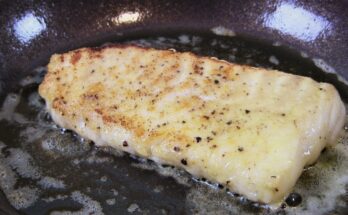
- Fish or Seafood – 30–60 minutes to avoid overpowering.
- Vegetables – 30–45 minutes for a nice coating without making them soggy.
Tips for Best Results:
- Use a zip-lock bag or airtight container to evenly coat your ingredients.
- Rotate or mix halfway through marinating to ensure all sides get flavor love.
- Avoid over-marinating acidic blends with seafood—it can “cook” the protein like ceviche.
Step 4 – Cooking the Chipotle Dish
Your cooking method will determine the final texture and flavor intensity:
- Grilling – Best for meats and hearty vegetables like corn or bell peppers. Gives you that authentic smoky char.
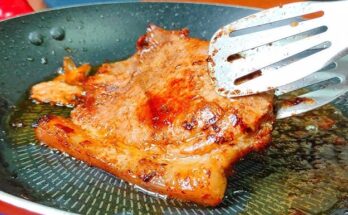
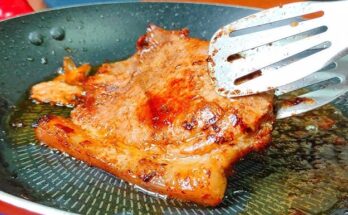
- Pan-Searing – Perfect for chicken breasts, steaks, or tofu. Heat a cast-iron skillet for maximum sear.
- Baking – Great for large batches or sheet-pan meals. Retains juiciness without constant attention.
- Slow Cooking – Works beautifully for pulled pork or shredded beef tacos.
Regardless of the method, cook until the internal temperature meets food safety standards (165°F for poultry, 145°F for fish, 160°F for ground meats).
Step 5 – Serving and Presentation Tips
Chipotle isn’t just about flavor—it’s also about creating a feast for the eyes.
- For Tacos – Slice your protein thinly and layer with fresh toppings like avocado, cabbage, and pico de gallo.
- Rice Bowls – Serve chipotle-marinated chicken or beef over cilantro-lime rice with roasted veggies.
- Sandwiches & Wraps – Use chipotle beef or chicken as a smoky filling with cheese and greens.
- Garnish Smartly – Fresh cilantro, lime wedges, or a drizzle of chipotle mayo can elevate the presentation instantly.
And remember—serve hot for maximum enjoyment. That smoky aroma is part of the experience.
Tips for Perfect Chipotle Every Time
Balancing Spice and Smokiness
Too much chipotle can overwhelm, too little can leave you wanting more. Start small—especially if you’re cooking for spice-sensitive guests. You can always add more, but you can’t take it away. Mixing chipotle with sweeter or creamy elements like honey, yogurt, or sour cream can mellow out the intensity without losing depth.
Common Mistakes to Avoid
- Over-marinating seafood – It can make it mushy.
- Not tasting the marinade before use – Always adjust before it touches the protein.
- Cooking at too low a temperature – You’ll miss out on that smoky char.
Storage and Reheating Tips
- Store leftovers in airtight containers in the fridge for up to 3 days.
- Freeze cooked chipotle meat for up to 2 months.
- Reheat gently to avoid drying out—steaming or microwaving with a splash of broth works well.
Popular Variations of the Chipotle Recipe
Chipotle Chicken
Chipotle chicken is perhaps the most beloved variation, offering that perfect balance of smoky heat and juicy tenderness. The marinade clings beautifully to chicken, infusing it with bold flavor. For best results, use boneless, skinless chicken thighs—they stay moist even under high heat. Grill them over medium-high flame for that irresistible char, or bake them in the oven if you prefer a hands-off approach.
Serving Ideas: Slice into tacos, shred for burritos, or dice for salads. Pair with creamy avocado or a dollop of sour cream to mellow the spice without losing the signature chipotle kick.
Chipotle Beef
If you love bold, hearty flavors, chipotle beef is a must-try. Cuts like skirt steak or flank steak absorb marinades quickly and cook fast over high heat. For shredded beef, choose a chuck roast and slow cook it in chipotle sauce until it falls apart with a fork.
Pro Tip: Rest the beef for 5–10 minutes after cooking. This allows juices to redistribute, keeping every bite moist and flavorful.
Chipotle Vegetarian Options
Chipotle isn’t just for meat lovers—vegetarians can enjoy it too. Vegetables like zucchini, bell peppers, mushrooms, and cauliflower soak up the smoky marinade wonderfully. Tofu and tempeh also work great, especially when pressed to remove excess moisture before marinating.
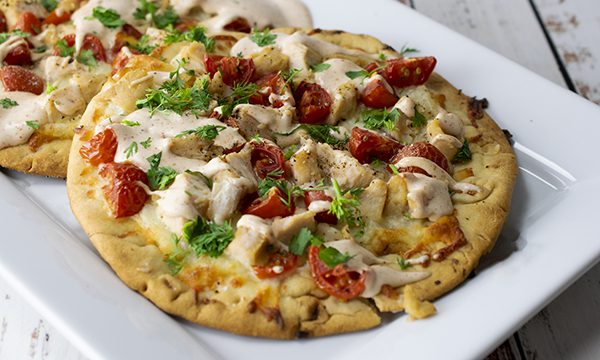
Serving Ideas: Use chipotle-roasted veggies in grain bowls, wraps, or even as a pizza topping. For extra flavor depth, sprinkle with smoked paprika before roasting.
Pairing Ideas and Side Dishes
Best Sides for Chipotle Dishes
A great chipotle main dish deserves equally satisfying sides:
- Cilantro-Lime Rice – Fresh and zesty, balances the smoky heat.
- Mexican Street Corn (Elote) – Creamy, cheesy, and slightly sweet.
- Black Bean Salad – Protein-rich and refreshing.
- Grilled Vegetables – Complements the smokiness perfectly.
Beverage Pairings
The right drink can elevate your chipotle experience:
- Margaritas – The citrus cuts through the heat.
- Cold Beer – Refreshing and light, perfect for casual meals.
- Agua Fresca – Non-alcoholic, fruity, and cooling.
Nutritional Value of Chipotle
Health Benefits
Chipotle peppers are rich in vitamins A and C, antioxidants, and capsaicin—the compound responsible for their heat, which may boost metabolism. Using olive oil and fresh lime juice in your marinade also adds healthy fats and vitamin C.
Things to Keep in Mind
- Watch sodium levels, especially if using canned chipotle in adobo sauce.
- For a lighter dish, opt for grilling instead of frying.
- Balance spice for kids or sensitive eaters by adding creamy sides like guacamole or yogurt sauce.
FAQs about Chipotle Recipe
Q1: Can I Make Chipotle Without Adobo Sauce?
Yes! You can use dried chipotle powder or rehydrated chipotle peppers with added vinegar and tomato paste for tang.
Q2: How Long Should I Marinate for Best Flavor?
For meat, 2–4 hours is ideal. For seafood, stick to 30–60 minutes.
Q3: Is Chipotle Too Spicy for Kids?
It can be, but you can tone it down by removing seeds and adding sweet or creamy sides.
Q4: Can I Freeze Chipotle Marinade?
Absolutely! Store it in airtight containers for up to 3 months.
Q5: What’s the Best Way to Tone Down the Spice?
Mix in honey, yogurt, or sour cream to mellow the heat without losing flavor.
Conclusion
Making chipotle at home isn’t just about following a recipe—it’s about crafting a flavor experience. From the smoky depth of the peppers to the freshness of lime juice, every element works together to create something truly unforgettable. Whether you choose chicken, beef, or a vegetarian option, the process is simple, the results are bold, and the possibilities are endless.