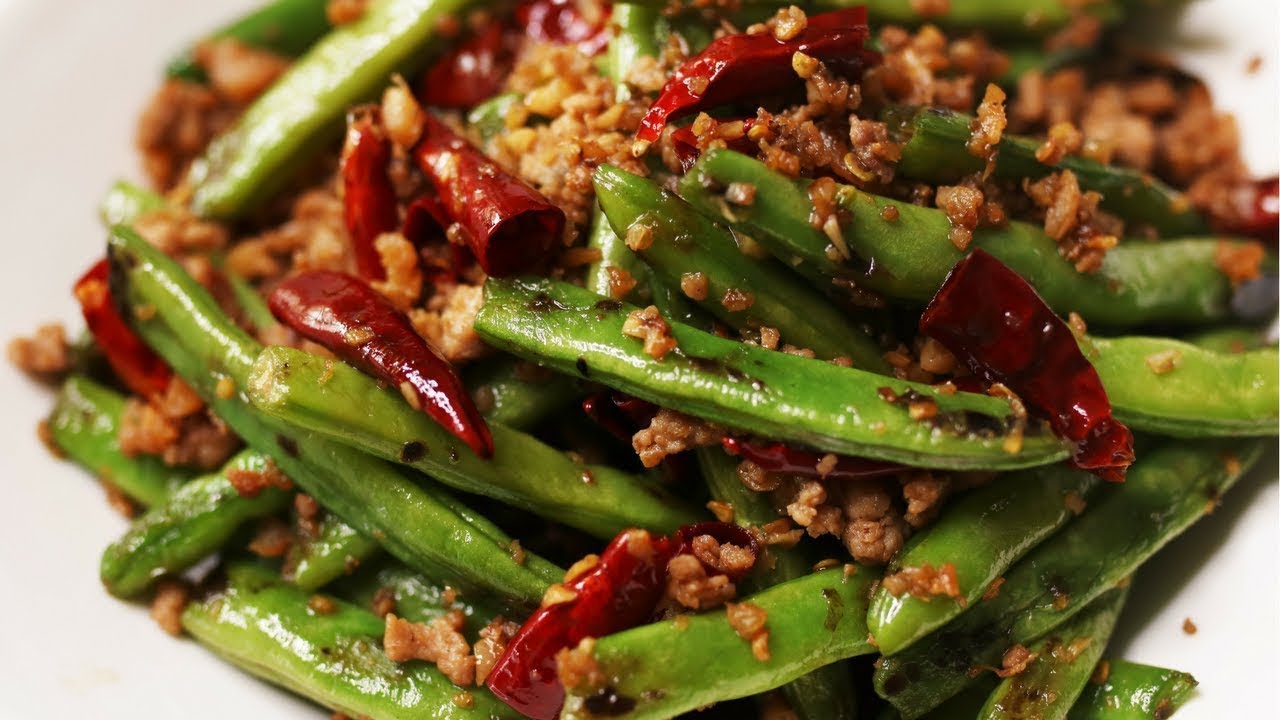
Chinese String Beans Recipe: There is something almost magical about a plate of Chinese string beans when they are cooked the right way. They are not just green beans tossed into a pan and called dinner. This dish is all about texture, balance, and bold flavor packed into every bite. The beans should be tender without turning floppy, lightly blistered on the outside, and coated in a savory sauce that brings together garlic, soy sauce, and that unmistakable restaurant-style depth people crave. When done well, they hit that sweet spot between fresh and indulgent, like the vegetable version of comfort food wearing a sharp suit.
This guide walks you through every part of the process so nothing feels vague or rushed. From choosing the beans to getting the sauce just right, every step matters. Think of it like building a song: the beans are the rhythm, the sauce is the melody, and the final toss in the pan is where everything comes together. Once you make it this way, plain steamed beans may start feeling a little too quiet.
Why This Recipe Works So Well at Home
Restaurant-quality Chinese string beans may sound like one of those dishes that only works over a blazing wok flame, but that is not really the whole story. Yes, high heat helps. Yes, wok cooking has its own rhythm. But the heart of this dish is technique, not mystery. Once you understand how to dry the beans properly, blister them without steaming them, and finish them with a well-balanced sauce, you can make an excellent version right in your own kitchen. That is why this recipe works so well for home cooks, even if you are using a skillet instead of a wok.
The biggest advantage of making this dish at home is control. In many restaurant versions, the beans are deep-fried first, which gives them that signature wrinkled texture. That method is delicious, but it can also feel messy and heavy for everyday cooking. This recipe leans into a practical home method: high-heat stir-frying with enough oil to blister the beans beautifully without turning your stove into a battlefield. You still get the smoky, savory appeal, but with a cleaner process and less fuss.
This recipe also works because it is built around smart sequencing. Everything is prepared before the heat goes on. The beans are washed, dried, and trimmed. The sauce is mixed in advance. The garlic and aromatics are ready to drop in at just the right moment. That matters because stir-frying moves quickly. Once the pan is hot, there is no time to stop and measure soy sauce while the garlic burns in the corner. Good stir-fry cooking is a little like dancing to fast music: you do not want to be learning the steps once the song starts.
The flavor balance is another reason this version performs so well. It combines salty, savory, slightly sweet, and deep umami notes without making the beans taste drowned in sauce. The goal is not to bury the vegetable. The goal is to make it shine brighter. The beans should still taste green and fresh underneath the bold flavors. That balance makes the dish feel polished, which is exactly what a professional SEO-friendly recipe should deliver: clarity, confidence, and results people will want to make again.
Ingredients You’ll Need
The beauty of this Chinese string beans recipe is that it uses a focused ingredient list, but every item plays an important role. This is not one of those recipes where half the ingredients are decoration. Each one helps build the final flavor, texture, or aroma. The beans are obviously the star, but the supporting cast matters just as much. Garlic adds punch, soy sauce brings salt and umami, a little sugar rounds out the edges, and oil helps create the lightly blistered surface that makes this dish feel authentic.
Here is the core list of ingredients you’ll need:
- 1 pound fresh string beans or green beans
- 2 to 3 tablespoons neutral oil such as avocado oil, vegetable oil, or canola oil
- 4 to 5 cloves garlic, minced
- 1 teaspoon fresh ginger, finely minced
- 2 to 3 dried red chilies or 1 teaspoon red pepper flakes for heat
- 2 tablespoons soy sauce
- 1 tablespoon oyster sauce
- 1 teaspoon dark soy sauce for color, optional
- 1 teaspoon sugar
- 1 teaspoon rice vinegar or Shaoxing wine
- 2 tablespoons water
- 1 teaspoon cornstarch if you want a slightly thicker sauce
- Salt, only if needed
- Black pepper or white pepper, to taste
- 1 teaspoon sesame oil for finishing, optional
- Sliced scallions or toasted sesame seeds for garnish, optional
That list keeps things balanced and approachable. Nothing here is overly complicated, and most of it can be found in a standard grocery store. Fresh string beans are the foundation, so quality matters. Look for beans that are firm, smooth, and vibrant in color. Limp or spotted beans can still cook, but they will never give you that crisp-tender bite the dish is known for.
A final note on flexibility: this ingredient list is forgiving. You can keep it simple or make it slightly richer depending on your taste. Some people like extra garlic, some want more chili heat, and others prefer a touch more sweetness. The key is to build flavor without losing the identity of the beans. The beans should still lead the conversation.
Sauce Ingredients
The sauce is where this dish starts to feel unmistakably Chinese in style. It does not need to be heavy or complicated to be effective. In fact, the best sauce for Chinese string beans is one that coats the beans lightly rather than pooling at the bottom of the plate. You want flavor that clings, not sauce that drowns. That is why this combination works so well: soy sauce, oyster sauce, a little sugar, a splash of rice vinegar or cooking wine, and a bit of water to loosen everything so it hits the pan smoothly.
The soy sauce provides the salty backbone. It is the base note, the thing that gives the dish structure. Oyster sauce adds body, richness, and a more rounded umami flavor that makes the beans taste fuller and more restaurant-like. Dark soy sauce is optional, but it gives a deeper color and a touch of caramel-like complexity. Sugar may seem small, but it matters. It does not make the dish sweet. It softens the edges and keeps the salty flavors from becoming harsh. A small amount of acid from rice vinegar brings brightness so the whole dish does not feel flat.
If you like a sauce with a little more cling, add cornstarch. Just a teaspoon mixed into the sauce can make a noticeable difference once it hits the heat. It thickens the liquid slightly so it glosses the beans in that appealing way you often see in restaurant stir-fries. Think of it like a light glaze rather than a thick coating. That sheen helps with both texture and appearance, which matters more than people sometimes realize. We eat with our eyes first, and shiny blistered beans look incredibly inviting.
The best part is that you can mix this sauce in under a minute. Stir everything together in a small bowl before you start cooking. That one move makes the entire recipe easier. It is one of those tiny kitchen habits that makes you feel like a pro because it eliminates the scramble later. Once the beans are hot and the garlic is fragrant, you want that sauce ready to go, not hiding behind the salt in your pantry.
Optional Add-Ins and Variations
One of the most appealing things about this recipe is how easy it is to personalize. The classic version is deeply satisfying on its own, but a few thoughtful additions can shift the dish in new directions without losing its character. You can make it spicier, more savory, or more filling depending on what you are serving alongside it. The trick is not to overcrowd the pan or bury the beans under too many extras. This dish works best when the variations support the beans rather than compete with them.
A popular add-in is ground pork, which is often used in Sichuan-style versions of dry-fried green beans. It adds richness and a meaty bite that turns the dish into something closer to a main course. If you want that route, cook the pork first, remove it, then add it back in near the end. Crumbled tofu can do something similar for a vegetarian twist, especially if you season it well before it goes into the pan. Both options bring protein and make the dish more substantial without changing the overall cooking method too much.
You can also play with aromatics. A little extra ginger gives the dish more warmth. Scallions add freshness. Sichuan peppercorns can bring a tingling edge if you enjoy that numbing, citrusy kick. For a sweeter note, some cooks add a little hoisin sauce, though that will shift the flavor profile and make it less sharp and more rounded. A few drops of sesame oil at the end can also deepen the aroma, but go lightly. Too much sesame oil can take over the whole dish like a singer who forgets there is a band behind them.
For a lower-sodium approach, reduce the soy sauce and add a little more water or unsalted stock. For a gluten-free version, use tamari in place of soy sauce and confirm your oyster sauce alternative is gluten-free. Little changes like these can make the recipe more useful for different households. At its core, this is a dependable dish with room to breathe. That is part of why it has stayed popular for so long.
Kitchen Tools That Make the Job Easier
You do not need a restaurant kitchen to make excellent Chinese string beans, but the right tools can absolutely make the process smoother. The most important piece is a large wok or heavy skillet. A wok is ideal because its shape helps distribute heat and gives you room to toss the beans without crowding them. That said, a large cast-iron or stainless steel skillet works very well too. What matters most is surface area. If the pan is too small, the beans will steam instead of blistering, and that changes the whole character of the dish.
A sharp knife and cutting board are also essential because prep matters here. You will need to trim the ends of the beans and mince the garlic and ginger finely enough that they flavor the dish quickly without leaving raw chunks. A small bowl for the sauce is another simple tool that makes a big difference. Stir-fry recipes move fast, and pre-mixing the sauce helps keep the process calm and controlled. It may sound like a small detail, but these are the details that separate a stressful cooking session from a smooth one.
Tongs or a spatula help with tossing the beans, especially if you are not fully comfortable flipping food in a pan. A mesh colander is useful for washing the beans, and paper towels or a clean kitchen towel are important for drying them thoroughly. That drying step is easy to underestimate, but wet beans can sputter in hot oil and steam rather than sear. A dry bean is a better bean for stir-frying.
If you have a stove that runs a bit cool, patience becomes another tool in its own way. Let the pan preheat properly before adding anything. Rushing this step is one of the most common reasons home-cooked stir-fries fall flat. The pan should be hot enough that the beans sizzle when they hit it. That sound is your green light. It tells you the heat is ready and the texture you want is within reach. Good tools help, but using them with the right rhythm matters even more.
How to Choose the Best String Beans
A great recipe can only go so far if the beans themselves are tired, limp, or overly mature. Since the beans are the center of this dish, choosing good ones matters more than in a heavily sauced casserole or stew where texture can hide. You want fresh string beans that feel firm, look bright, and snap cleanly when bent. That snap is like a tiny promise that the beans will cook up with the right bite. Soft, rubbery beans often end up tasting flat no matter how nicely the sauce is made.
Look for beans that are a rich green color with smooth skin and no large blemishes. Slight natural variation is fine, but avoid beans with wrinkling, dark spots, or obvious signs of dehydration. Thin to medium beans are usually best for this recipe because they cook quickly and evenly. Very thick beans can work, but they may need more time and can sometimes end up uneven, with the outside blistered before the inside becomes tender.
If you are buying from a grocery store, check the bag or bin carefully. Condensation inside a sealed bag can sometimes speed up spoilage. If you are at a farmers market, ask when they were picked. Fresher beans are almost always worth it. You can also use haricots verts, which are thinner and more delicate, though they cook faster and may not blister in exactly the same way. Standard green beans are often the sweet spot for this recipe because they are sturdy enough to handle high heat without collapsing.
Once you bring them home, store the beans unwashed in the refrigerator and use them within a few days for the best result. That may sound like a small thing, but produce has a rhythm. The closer you cook it to its peak, the more flavor and texture you get. With a recipe this simple, there is nowhere for a mediocre ingredient to hide. Good beans are not just part of the dish. They are the dish.
How to Prep Everything Before You Start
Preparation is the invisible backbone of stir-fry cooking. It is not the flashy part, but it is the part that keeps the whole meal from wobbling. Before any heat touches the pan, your beans should be washed, dried, and trimmed. Your garlic and ginger should be chopped. Your sauce should be mixed. Your chilies should be ready. Once the cooking begins, things move quickly, and there is very little room for mid-recipe wandering. This is one of those dishes where ten calm minutes of prep can save you from five chaotic minutes of overcooked garlic and underseasoned beans.
Start by rinsing the beans under cool water, then dry them very well. This step deserves emphasis because excess moisture is the enemy of blistering. Water in the pan creates steam, and steam softens rather than sears. Trim both ends if needed, or just the stem end if the other side looks neat and tender. If some beans are especially long, cut them in half so they are easier to toss and eat. Uniform size helps them cook evenly, which is always a good thing.
Next, make the sauce in a small bowl. Combine the soy sauce, oyster sauce, optional dark soy sauce, sugar, rice vinegar, water, and cornstarch if using. Stir until smooth. Then mince the garlic and ginger and set them nearby. If you are using dried chilies, break them into smaller pieces and remove some seeds if you want less heat. Keep everything within reach of the stove. That setup matters more than it might seem. Cooking becomes cleaner and more intuitive when you can move from one step to the next without digging through cabinets.
This prep stage is also the right time to decide on your serving plan. Is rice already cooking? Are you serving this as a side or making it part of a larger spread? Thinking one step ahead helps the meal come together without stress. Stir-fry dishes are fast by nature, but they reward people who treat preparation with respect. It is like setting a table before guests arrive. The better the setup, the smoother the evening.
Step-by-Step Guide for Chinese String Beans
Below, each step is broken down clearly so the process feels manageable. Take your time reading it once, and then the actual cooking will feel much easier. Once you have made this recipe a time or two, it becomes one of those dependable dishes you can almost do from memory. That is when it really becomes valuable: not just as a recipe, but as a reliable part of your cooking routine.
Step 1: Wash and Trim the Beans
Rinse the string beans thoroughly under cold water and trim off the ends. If any beans are very long, you can cut them into shorter pieces for easier cooking and serving. Pat them dry well so they blister properly in the pan.
Step 2: Mix the Sauce
In a small bowl, combine soy sauce, a little oyster sauce, sesame oil, sugar, and a splash of water or broth. You can also add a small amount of vinegar or chili paste if you want more depth or heat. Stir until everything is well mixed.
Step 3: Heat the Pan Properly
Place a wok or large skillet over medium-high to high heat. Add a little oil and let it get hot before adding the beans. A properly heated pan helps the beans cook quickly and develop the slightly blistered texture this dish is known for.
Step 4: Cook the Beans Until Blistered
Add the string beans to the hot pan and stir-fry them for several minutes. Keep turning them so they cook evenly and develop light blistered spots. They should become tender but still keep a slight crunch.
Step 5: Add Garlic and Aromatics
Once the beans are nearly done, add minced garlic and any other aromatics such as ginger or chili flakes. Stir quickly for about 30 seconds until fragrant. Be careful not to burn the garlic.
Step 6: Pour in the Sauce and Toss
Pour the prepared sauce into the pan and toss the beans well to coat them evenly. Let the sauce cook for a minute so it lightly thickens and clings to the beans.
Step 7: Taste, Adjust, and Finish
Taste the beans and adjust the seasoning if needed. Serve hot as a side dish with rice, noodles, or your favorite main meal.
Common Mistakes to Avoid
Even a straightforward recipe like this has a few traps that can quietly sabotage the result. The first big mistake is not drying the beans well enough. Wet beans do not blister properly. They steam, soften, and lose that signature wrinkled texture. Another common issue is overcrowding the pan. Too many beans at once create moisture and lower the pan temperature, which means less sear and more sogginess.
Another mistake is using low heat because it feels safer. Stir-frying rewards confidence. High heat, when managed properly, creates the texture and flavor this dish needs. Low heat just stretches out the cooking time and gives the beans more opportunities to slump. Adding the garlic too early is another classic problem. Burnt garlic can turn a beautiful pan of beans bitter in seconds.
The final mistake is over-saucing. This dish should be glossy, not drenched. Too much sauce hides the bean flavor and makes the whole plate feel heavier than it should. Keep the balance right, and the dish stays bright, savory, and clean.
Serving Ideas for a Complete Meal
Chinese string beans are versatile enough to work in several different meal setups. They pair naturally with steamed jasmine rice, brown rice, or fried rice. They also sit beautifully beside mains like kung pao chicken, orange tofu, teriyaki salmon, or a simple stir-fried beef dish. If you are building a larger dinner spread, these beans bring color and contrast without asking for much extra effort.
They also work surprisingly well in a lighter meal. Add a bowl of rice, a fried egg, and a spoonful of chili crisp, and suddenly you have something that feels cozy and complete. That is the charm of a dish like this. It can play a supporting role or quietly steal the spotlight depending on what else is on the table.
For presentation, serve the beans on a warm platter and scatter a few scallions or sesame seeds over the top. That little finishing touch makes the dish look polished without making it fussy. Good food does not need a costume, but a small detail can make it feel cared for.
How to Store and Reheat Leftovers
If you have leftovers, let the beans cool slightly, then store them in an airtight container in the refrigerator for up to 3 days. They will soften a bit over time, but the flavor usually holds up very well. This makes them a strong meal-prep side dish, especially if you already know you will want a quick lunch or dinner extra the next day.
To reheat, use a skillet over medium heat with a tiny splash of oil or water. This helps revive the beans without turning them mushy. The microwave works too, but it tends to soften the texture more. A skillet keeps the flavor brighter and gives the beans a better chance of holding onto their original character.
These leftovers are also useful folded into rice bowls or noodle dishes. They may not have the exact fresh-off-the-pan texture of the first serving, but they still bring bold flavor and a lot of flexibility. That is one more reason this recipe earns a regular spot in home kitchens.
FAQs about Chinese String Beans Recipe
1. What are Chinese string beans?
Chinese string beans are green beans cooked in a flavorful stir-fry style, often with garlic, soy sauce, and sometimes chili or oyster sauce. They are usually cooked until tender with slightly blistered skins.
2. Do I need a wok to make this recipe?
No, a wok is helpful but not required. A large skillet or frying pan also works well as long as it gets hot enough for stir-frying.
3. Why should the beans be dried after washing?
Drying the beans helps them blister and brown properly in the pan. If they are too wet, they may steam instead of stir-fry.
4. What gives Chinese string beans their flavor?
The flavor usually comes from garlic, soy sauce, sesame oil, and sometimes oyster sauce, ginger, or chili. These ingredients create a savory, slightly bold taste.
5. Should the beans be soft or crunchy?
They should be tender but still have a slight bite. Overcooking can make them too soft and less appealing.
6. Can I make them spicy?
Yes, you can add chili flakes, fresh chili, or chili paste for extra heat. The spice level is easy to adjust.
7. What can I serve with Chinese string beans?
They pair well with steamed rice, fried rice, noodles, grilled chicken, beef, tofu, or other stir-fried dishes.
8. How do I store leftovers?
Store leftover Chinese string beans in an airtight container in the refrigerator for up to 3 days. Reheat quickly in a pan or microwave.
9. Can I add meat to this recipe?
Yes, ground pork, chicken, or beef can be added to make it a more complete main dish instead of a side.
Conclusion
A well-made Chinese string beans recipe proves that vegetables do not have to be boring, plain, or treated like an obligation on the side of the plate. With the right heat, a balanced sauce, and a little attention to timing, string beans can become the kind of dish people remember. They turn glossy, blistered, garlicky, and deeply savory, all while staying fresh enough to feel lively on the tongue. That is the sweet spot this recipe is built to hit.
Whether you are making this as a weeknight side dish, part of a homemade takeout-style dinner, or a simple vegetable plate that refuses to be forgettable, it delivers. The beans stay central, the sauce supports rather than smothers, and every bite feels deliberate. Once you make it this way, it becomes easy to see why this dish has such lasting appeal. It is simple, but it is not plain. It is bold, but it is not heavy. And that balance is exactly what makes it worth returning to again and again.