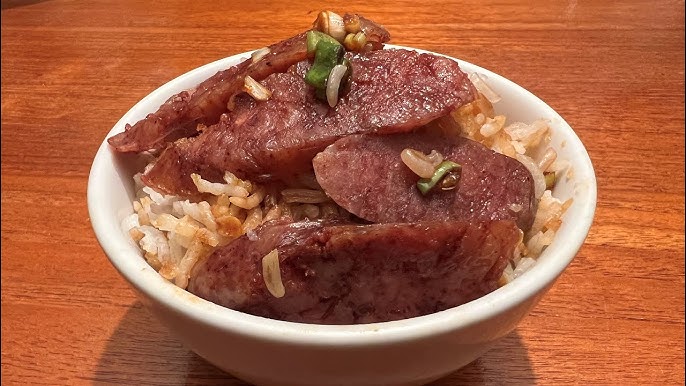
Chinese Sausage Recipe: Chinese sausage, known as Lap Cheong (腊肠), is a delicacy that combines rich flavors with a centuries-old tradition of meat preservation. If you’ve ever tasted its sweet, savory, and umami-packed flavor, you know how addictive it can be. This article will guide you through making your own Chinese sausage from scratch – right in your own kitchen.
Whether you’re trying to recreate grandma’s recipe or just want to explore traditional Chinese charcuterie, this step-by-step guide breaks down everything in a way that’s easy to follow—even if you’re new to sausage making. Let’s dive into the world of flavors and textures with homemade Chinese sausage.
What Is Chinese Sausage (Lap Cheong)?
Chinese sausage, or Lap Cheong, is a type of dried, cured sausage traditionally made from pork and seasoned with sugar, soy sauce, Chinese rice wine, and spices. It’s known for its firm texture, glossy appearance, and intense, sweet-savory flavor.
Unlike fresh sausages, Lap Cheong is dried and cured, giving it a longer shelf life and a concentrated flavor. It’s often used in Chinese dishes like fried rice, steamed rice, and stir-fry vegetables, adding a delightful depth that enhances every bite.
There are many regional variations of Lap Cheong, each with its own unique twist in flavor and preparation style. From Guangdong to Sichuan, Chinese sausage is more than just a food—it’s a tradition passed down through generations.
Varieties of Chinese Sausage
Sweet Chinese Sausage
This is the most popular type, often what people refer to when they say “Lap Cheong.” It’s made with pork fat, lean pork, sugar, soy sauce, and rose wine. It has a reddish color, sweet aroma, and slightly chewy texture.
Spicy Chinese Sausage
Common in Sichuan cuisine, this version packs a punch with chili, peppercorns, and other bold spices. It delivers that signature numbing heat Sichuan is famous for.
Liver Sausage
Made using pork liver and fat, this version is darker and has a distinct earthy flavor. It’s less sweet and more intense, often enjoyed by those who prefer richer, deeper tastes.
Each type of Chinese sausage has its own role in Chinese cooking, and making your own allows you to tweak ingredients and flavors to match your taste perfectly.
Why Make Chinese Sausage at Home?
You might wonder, why go through all the trouble of making sausage when you can buy it from an Asian grocery store? Here’s why:
- Customization: Control the sweetness, saltiness, and spice level.
- Quality Ingredients: Use fresh, organic pork and avoid preservatives or additives.
- Cost-Effective: Making a batch at home is usually cheaper in the long run.
- Fun Project: It’s a rewarding and fun cooking project, especially if you love experimenting with flavors.
- Cultural Experience: Reconnect with your heritage or learn something new about Chinese culinary traditions.
Plus, once you master this recipe, you’ll never want to go back to store-bought again.
Ingredients You’ll Need
Main Ingredients
| Ingredient | Quantity |
|---|---|
| Pork belly (50/50 lean-to-fat ratio) | 2.5 lbs (1.1 kg) |
| Pork fat (back fat preferred) | 0.5 lb (225 g) |
| Sausage casing (natural hog casing) | 2-3 meters |
Flavoring and Curing Ingredients
| Ingredient | Quantity |
|---|---|
| Light soy sauce | 2 tablespoons |
| Dark soy sauce | 1 tablespoon |
| Chinese rose wine (or Shaoxing wine) | 2 tablespoons |
| Sugar (white or rock sugar) | 6 tablespoons |
| Salt | 1 tablespoon |
| White pepper | 1 teaspoon |
| Sichuan peppercorn powder (optional) | 1/2 teaspoon |
| Pink curing salt (Prague Powder #1) | 1/4 teaspoon |
Make sure all ingredients are fresh and measured accurately for best results.
Tools and Equipment Required
- Meat grinder or food processor
- Sausage stuffer or piping bag
- Large mixing bowl
- Butcher’s twine
- Kitchen scale
- Skewers or hooks for drying
- Clean surface or cutting board
- Gloves (optional but recommended)
- Needle or toothpick (for pricking air bubbles)
These tools make the process smooth and safe. If you don’t have a meat grinder, you can ask your butcher to grind the meat for you.
Preparing the Sausage Casing
Natural hog casings need to be soaked and cleaned before use. Here’s how:
- Rinse the casing under cold water.
- Soak in warm water for 30 minutes.
- Run water through the inside of the casing to remove salt and impurities.
- Let it sit in a bowl of water until you’re ready to stuff.
This step is crucial—it softens the casing, removes odors, and ensures a clean, smooth sausage.
Step-by-Step Guide to Making Chinese Sausage
Step 1: Preparing the Pork
Start by cutting the pork belly and fat into small cubes or grind using a coarse setting on a meat grinder. The ideal texture is chunky, not smooth, to keep the sausage chewy.
Place the ground meat in a large mixing bowl. Keep it cold to maintain texture and prevent fat from melting.
Step 2: Mixing the Ingredients
Add all your flavoring and curing ingredients to the bowl: soy sauces, sugar, rose wine, salt, white pepper, and curing salt.
Mix thoroughly using your hands or a wooden spoon. This step takes time—mix until the meat is sticky and holds together when pressed.
Cover the bowl with plastic wrap and refrigerate overnight to allow the flavors to penetrate.
Step 3: Filling the Casings
Using a sausage stuffer or piping bag, begin stuffing the meat mixture into the prepared casing. Don’t overfill—leave some flexibility to twist into links.
As you stuff, gently squeeze out air bubbles and twist every 6-8 inches to create individual sausages.
Use a needle or toothpick to prick air pockets.
Step 4: Tying and Shaping the Sausages
Once stuffed, use butcher’s twine to tie the sausages into links securely. Make sure they’re evenly sized for consistent drying.
Shape each link neatly and ensure there are no tears or breaks in the casing.
Step 5: Drying the Sausages
Hang the sausages in a cool, dry, well-ventilated area (ideally 50–60°F / 10–15°C with 60–70% humidity) for 5–7 days.
Hang them from hooks or skewers, ensuring they don’t touch.
After 7 days, the sausages should feel firm and dry to the touch.
Tips for Success
Making Chinese sausage at home might seem complicated, but with a few expert tips, you’ll breeze through the process like a pro:
- Keep everything cold: From the pork to your hands, maintaining a cold environment helps preserve fat texture and prevents spoilage.
- Use fresh, quality meat: Avoid pre-ground pork from the store. It often contains additives and lacks the proper fat ratio.
- Balance sweet and savory: Taste your mixture (before adding curing salt) by frying a small amount to adjust sugar, salt, and seasoning levels.
- Dry in a safe space: If you live in a humid climate, consider using a dehydrator or fridge-drying with good air circulation.
- Avoid overstuffing: Leave room in the casing to tie the sausage properly and allow even drying.
- Monitor regularly: Check your sausages every day during drying to ensure there’s no mold growth or spoilage.
Making sausage is a game of patience. Rushing the process can affect flavor and texture. So take your time, enjoy the process, and let those flavors develop naturally.
How to Store Chinese Sausage
Once dried, Chinese sausages can last up to 2 months unrefrigerated if kept in a cool, dry, and dark place. However, to be extra safe, here are some storage options:
- Refrigerator: Store in an airtight container or vacuum-sealed bag for up to 3 months.
- Freezer: Wrap tightly in plastic wrap and place in a freezer bag. Can last 6 months or more without losing flavor.
- Vacuum-sealed bags: These prevent air exposure and extend shelf life considerably.
Always check for signs of spoilage—off smells, sliminess, or visible mold—before using.
How to Cook Chinese Sausage
Chinese sausage isn’t meant to be eaten raw. Cooking enhances its flavor and softens its chewy texture. Here are popular cooking methods:
1. Steaming
- Slice thinly and steam over rice in a rice cooker or bamboo steamer for 15–20 minutes.
- This method keeps the sausage moist and brings out the sweetness.
2. Pan-Frying
- Slice diagonally and fry on medium-low heat until the fat renders and edges are caramelized.
- Great for adding to stir-fries, noodles, or as a crispy topping.
3. Boiling
- Place whole sausages in a pot of boiling water and cook for 15 minutes.
- Less flavorful than other methods but useful when adding to soups or clay pot dishes.
4. Baking
- Bake in a 350°F (175°C) oven for 20–25 minutes, turning halfway for even cooking.
- Excellent when preparing large batches.
Choose the method that suits your recipe or taste preferences. Most often, the sausage is pre-sliced and added to stir-fry dishes, rice, or noodle bowls for that signature umami kick.
Best Dishes to Serve with Chinese Sausage
Chinese sausage is incredibly versatile. You can use it to elevate everyday dishes with rich flavor. Here are some classics:
- Lap Cheong Fried Rice: A favorite go-to. Just fry up some day-old rice with eggs, scallions, and sliced sausage.
- Clay Pot Rice (Bo Zai Fan): A Cantonese dish with sausage, soy sauce, and vegetables cooked in a clay pot.
- Chinese Sausage Buns: Steam or bake sausage inside soft, fluffy bao for a filling snack.
- Stir-Fried Noodles: Toss with egg noodles, bean sprouts, and soy-based sauces.
- Daikon and Sausage Soup: The sweetness of the sausage complements the radish perfectly in a warming soup.
Experimenting is half the fun—once you get the hang of it, you’ll be adding Lap Cheong to just about everything!
Common Mistakes to Avoid
If you’re making Chinese sausage for the first time, beware of these common pitfalls:
- Using lean meat only: Fat is essential for texture and flavor. Go for a 70/30 lean-to-fat ratio.
- Skipping the curing salt: Curing salt isn’t optional—it’s what makes the sausage safe to eat after drying.
- Improper drying conditions: Too much humidity or heat can spoil the sausages. Always dry in a controlled, ventilated space.
- Not mixing thoroughly: Incomplete mixing will lead to inconsistent flavor and texture.
- Overfilling the casing: This can cause bursting and uneven drying.
- Not checking for air bubbles: These can lead to spoilage. Prick them out carefully.
Avoiding these errors can save your batch—and your effort.
Health Considerations and Nutritional Info
Chinese sausage is rich, flavorful, and… well, not exactly light. It’s high in:
- Calories
- Sodium
- Fat (especially saturated fat)
- Protein
A single 50g sausage contains around 200–250 calories, depending on the fat content and sugar used. While delicious, moderation is key.
Ways to Make It Healthier:
- Use leaner pork cuts and reduce fat-to-meat ratio.
- Swap sugar with natural alternatives like honey or monk fruit sweetener.
- Skip artificial preservatives.
- Use less sodium and balance with spices and herbs.
If you’re following a specific diet, homemade sausages allow you to adjust ingredients and portion sizes more easily than store-bought ones.
FAQs about Chinese Sausage Recipe
1. Can I make Chinese sausage without a sausage stuffer?
Yes! Use a piping bag or even a sturdy plastic bag with the tip cut off. It takes longer, but it gets the job done.
2. Is it safe to eat Chinese sausage raw?
No, Chinese sausage must be cooked before eating. Even though it’s cured, it’s not ready-to-eat until it’s steamed, fried, or baked.
3. How long does homemade Chinese sausage last?
When properly dried and stored in a cool, dry place, it lasts up to 2 months. Refrigeration or freezing can extend that even further.
4. What’s the best substitute for rose wine?
Shaoxing wine is the closest and most commonly used substitute. If you can’t find either, dry sherry works in a pinch.
5. Can I make Chinese sausage with chicken or beef?
Absolutely! While pork is traditional, chicken or beef can be used. Just maintain a good fat ratio and adjust seasonings accordingly.
Conclusion
Making your own Chinese sausage at home might seem like a big leap, but once you try it, you’ll realize how rewarding it is. You get to choose what goes in, control the flavor, and reconnect with one of the oldest food traditions in Chinese cuisine.
From picking your pork to drying those beautifully shiny links, every step is an experience. Plus, once you’ve nailed this recipe, you’ve got a flavorful, long-lasting ingredient that adds magic to any dish—from fried rice to soup.
So grab your ingredients, roll up your sleeves, and let your kitchen become a lap cheong workshop. You’ll never look at store-bought sausage the same way again.