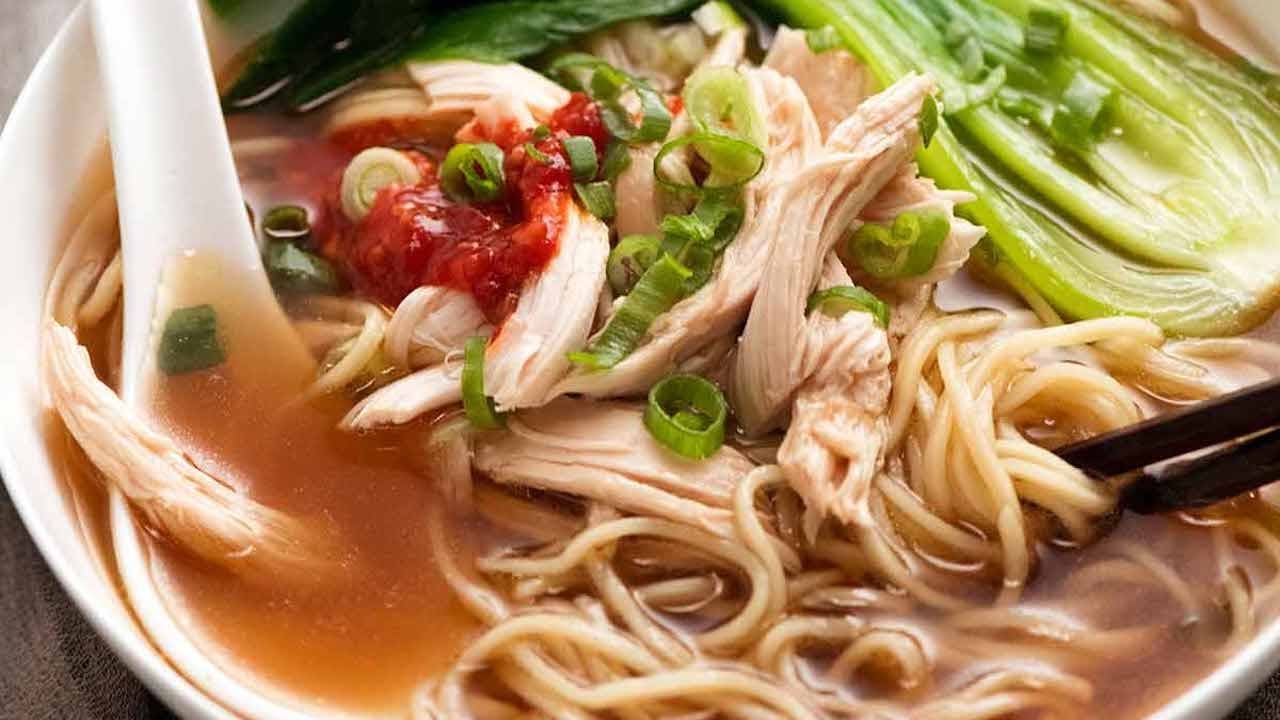
Chinese Noodle Soup Recipe: There’s something magical about a hot bowl of Chinese noodle soup. It’s not just food—it’s comfort in a bowl. This dish, rich in flavor and deeply rooted in Chinese culture, has warmed hearts and bellies for centuries. Whether you’ve had it at a street stall in Shanghai or in your local takeout spot, there’s no denying its ability to soothe, nourish, and satisfy. What sets Chinese noodle soup apart from your average chicken noodle or ramen? It’s the intricate balance of ingredients: aromatic broth, chewy noodles, crisp vegetables, and bold seasonings.
You don’t need to be a seasoned chef to recreate this masterpiece at home. With the right ingredients, a bit of patience, and this detailed step-by-step guide, you can make a restaurant-worthy bowl of Chinese noodle soup in your own kitchen. Get ready to impress your taste buds (and maybe a few friends too).
List of Ingredients You’ll Need
Creating the perfect Chinese noodle soup begins with getting your ingredients right. Here’s your full checklist before heading to the store or raiding your pantry:
For the Broth:
- 6 cups chicken broth (or vegetable broth for vegetarians)
- 3 cups water
- 1 thumb-sized piece of ginger, sliced
- 4 garlic cloves, smashed
- 2 stalks green onion, chopped
- 1 tablespoon soy sauce
- 1 teaspoon sesame oil
- Optional: star anise, cinnamon stick, or cloves for extra depth
Noodles:
- 200–250g of fresh or dried Chinese noodles (egg noodles, wheat noodles, or rice noodles)
Proteins:
- 200g chicken breast (sliced thin or shredded)
- OR 200g beef slices (flank steak or brisket)
- OR tofu blocks for a vegetarian option
Vegetables:
- 1 cup baby bok choy, halved
- ½ cup shredded napa cabbage
- ½ cup mushrooms (shiitake or enoki)
- ¼ cup bean sprouts
Herbs & Aromatics:
- Fresh cilantro
- Sliced green onions
- Red chili (optional)
Seasonings & Sauces:
- 1 tbsp light soy sauce
- 1 tsp dark soy sauce (optional, for color)
- Salt and white pepper to taste
- Chili oil (optional, for heat)
- Black vinegar (for a tangy edge)
Toppings (Optional but Recommended):
- Soft-boiled egg (marinated if you want to go extra)
- Fried shallots
- Crispy garlic
- Toasted sesame seeds
Now that your shopping list is sorted, let’s move on to understanding how to pick the perfect noodles.
Choosing the Right Noodles
Not all noodles are created equal—especially in Chinese noodle soup. Your choice can dramatically change the texture and experience of the dish. So how do you pick the right one?
Wheat vs. Rice Noodles:
- Wheat noodles are springy and chewy. They’re perfect if you want that comforting “slurp.”
- Rice noodles, on the other hand, are gluten-free and slightly softer with a smoother texture. They’re great for those with dietary restrictions.
Thin vs. Thick Noodles:
- Thin noodles cook faster and absorb broth flavor quickly.
- Thick noodles stay chewy longer and hold up well in a rich, meaty broth.
Fresh vs. Dried Noodles:
- Fresh noodles give a more authentic texture but have a shorter shelf life.
- Dried noodles are convenient and usually just as tasty once cooked properly.
Whichever noodle you pick, make sure to cook them separately from the broth. This keeps the soup from becoming starchy or cloudy.
Essential Tools & Equipment
Before diving into the recipe, get your kitchen prepped with the right tools. You don’t need anything fancy, but a few basics go a long way.
Must-Have Tools:
- Large soup pot or Dutch oven: For simmering the broth.
- Fine mesh strainer or slotted spoon: To remove aromatics and impurities from broth.
- Ladle: To serve your soup cleanly.
- Knife and cutting board: For all your prep work.
- Tongs: Useful for handling noodles or proteins during cooking.
Nice-to-Haves:
- Noodle strainer basket: Especially if you’re making multiple servings.
- Ramen-style soup bowls: Just for aesthetics—but hey, we eat with our eyes first!
Now, it’s time to get to the heart of this recipe: the broth.
How to Make the Perfect Broth
If the noodles are the body of the soup, then the broth is absolutely the soul. A rich, aromatic, well-balanced broth is what elevates a bowl of Chinese noodle soup from good to unforgettable. Think of it like the foundation of a house—get it right, and everything built on top is rock solid.
Start with the Right Base
For homemade broth, chicken is the go-to. It’s light but flavorful and doesn’t overpower the other ingredients. You can use:
- Homemade chicken stock (ideal for flavor control)
- Store-bought low-sodium chicken broth (convenient and customizable)
- Vegetable broth (great for vegetarian versions)
- Beef broth (if you’re going for a more robust, hearty flavor)
Add Your Aromatics
The magic happens when you toss in aromatics like:
- Ginger: Sliced, not grated, to infuse the broth without making it gritty
- Garlic: Smashed to release flavor
- Green onions: Both white and green parts
- Optional spices: Star anise, a small cinnamon stick, or a couple of cloves for a deeper profile
Simmer—Don’t Boil
Let your broth gently simmer for at least 30 to 40 minutes. This slow extraction coaxes out maximum flavor from your ingredients without making the broth cloudy or greasy.
Season Gradually
Start light with soy sauce and sesame oil. Then adjust with salt, white pepper, or a dash of fish sauce for added umami. Taste and tweak. A good broth should be complex but not overpowering—think warm, savory, slightly sweet, and fragrant.
Strain Before Serving
Once your broth is infused and seasoned, strain out the aromatics for a clean, clear liquid. This step keeps the texture smooth and enhances presentation.
Once your broth is ready, you’re well on your way to noodle soup bliss. Now, let’s pull it all together step by step.
Step-by-Step Guide to Chinese Noodle Soup
This is where it all comes together. Follow these steps and you’ll be spooning into a hot, satisfying bowl in no time.
Step 1: Prepare Your Ingredients
Start by gathering everything you need. Slice aromatics like ginger, garlic, and green onions. Prepare vegetables such as bok choy, mushrooms, or carrots. If using protein—chicken, beef, tofu, or shrimp—slice them into bite-sized pieces. Having all ingredients ready makes the cooking process smooth and efficient.
Step 2: Make the Broth
In a pot, heat a little oil and sauté ginger and garlic until fragrant. Add chicken, beef, or vegetable stock and bring it to a gentle boil. Season with soy sauce, sesame oil, and a dash of white pepper. Let the broth simmer so the flavors deepen. You can also add dried mushrooms or a splash of rice wine for extra richness.
Step 3: Cook the Noodles
Bring a separate pot of water to a boil and cook your noodles according to the package instructions. Drain and rinse briefly to prevent sticking. Using a separate pot keeps the broth clear and clean.
Step 4: Prepare Your Toppings
Quickly blanch vegetables in the broth or stir-fry proteins until cooked. Slice boiled eggs, chop herbs, or prepare chili oil for added flavor.
Step 5: Assemble the Soup
Place noodles in a bowl, arrange toppings neatly, and ladle the hot broth over everything. Serve immediately and enjoy!
Flavor Variations
One of the best things about Chinese noodle soup? It’s endlessly customizable. Here are a few regional twists to try:
Spicy Sichuan-Style Noodle Soup
- Add chili oil, Sichuan peppercorns, and garlic paste to your broth.
- Top with ground pork sautéed in soy sauce and five spice.
- Use wheat noodles for the best texture match.
Mild Cantonese-Style Soup
- Keep broth light with a chicken base and minimal seasoning.
- Use thin egg noodles and garnish with blanched shrimp and choy sum.
- Add a few drops of sesame oil and white pepper.
Herbal Taiwanese-Style Soup
- Use beef broth simmered with Chinese herbs like angelica root or goji berries.
- Add braised beef shank or tendon.
- Serve with thick noodles and pickled mustard greens.
These variations are perfect for when you want to explore different flavors without learning a whole new dish.
Protein Options Explained
Your protein choice defines the character of your noodle soup. Here’s how to select the right one:
Poached Chicken Breast
- Clean, light, and ideal for lean-eating
- Shred it or slice thinly before placing in soup
- Poaching in broth adds more flavor and keeps meat moist
Braised Beef Slices
- Perfect for heartier appetites
- Use flank steak or brisket; marinate and slow-braise for tenderness
- Best with thicker noodles and a robust broth
Silken Tofu for Vegetarians
- Absorbs the broth’s flavor beautifully
- Slice into cubes and warm gently before serving
- Great protein source and light on the stomach
Mix and match to suit your dietary needs and cravings.
Vegetable Add-Ins That Work Best
Vegetables add crunch, color, and a healthy punch to your Chinese noodle soup. The best part? You don’t need a massive selection. Just a few thoughtfully chosen veggies can bring your bowl to life.
Classic Choices:
- Bok Choy – A noodle soup favorite. It’s tender yet crunchy, and its mild flavor pairs perfectly with any broth. Slice it lengthwise for an aesthetic touch.
- Napa Cabbage – Sweet and slightly peppery, it becomes melt-in-your-mouth soft when simmered.
- Mushrooms – Shiitake adds an earthy, meaty flavor. Enoki gives a fun, stringy texture. Button mushrooms work in a pinch too.
- Bean Sprouts – Toss them in just before serving for that irresistible crunch.
- Carrots – Thinly sliced or julienned, they bring color and subtle sweetness.
Optional Additions:
- Corn kernels – Adds a pop of sweetness.
- Snow peas – Crisp and refreshing.
- Bamboo shoots – Slightly nutty and crunchy, perfect in a spicy broth.
- Spinach or kale – For a superfood twist.
Prep Tips:
- Blanch vegetables quickly to preserve color and texture.
- Don’t overcook them in the broth—you want texture, not mush.
- If adding raw vegetables directly to the bowl, make sure your broth is piping hot to lightly cook them.
Combining textures and colors not only makes the soup more delicious but also visually stunning. Now let’s talk about what really builds the flavor.
Sauces & Seasonings: The Flavor Makers
This is where the magic happens. A handful of condiments can transform your noodle soup from basic to mind-blowing.
Essential Seasonings:
- Light Soy Sauce – Salty, savory, and versatile. Adds umami and a touch of sweetness.
- Dark Soy Sauce – Thicker and richer. Great for adding deep color and bold flavor.
- Sesame Oil – Just a few drops at the end bring in an aromatic, nutty richness.
- Salt – Sea salt or kosher salt to taste. Don’t rely only on soy sauce for saltiness.
- White Pepper – Milder than black pepper with a floral, spicy kick.
Optional Flavor Boosters:
- Chili Oil – For a spicy, fragrant punch.
- Fish Sauce – Just a drop adds incredible depth (use sparingly).
- Black Vinegar – A splash adds acidity and complexity.
- Hoisin or Oyster Sauce – Adds sweetness and body to the broth, though less traditional.
How to Use Them:
- Always season after your broth is fully infused and strained.
- Taste as you go. Start with small amounts—you can always add more.
- Add sesame oil and vinegar just before serving to preserve their aroma.
A well-seasoned soup is like a symphony—everything in harmony. And speaking of harmony, let’s talk about how to build and balance flavor like a pro.
How to Layer Flavors Like a Pro
Building flavor isn’t just about tossing everything in the pot and hoping for the best. It’s a technique. And once you get it down, your noodle soup game will be unbeatable.
1. Start Aromatic: Sauté ginger, garlic, and green onions in a little oil before adding broth. This quick stir unlocks their oils and starts the flavor foundation strong.
2. Simmer Low and Slow: Don’t rush the broth. Let it simmer to draw out maximum flavor. Skim any scum that rises to the top—this keeps the broth clear.
3. Season in Layers:
- Add soy sauce and salt after the broth has developed.
- Taste-test after each addition.
- Don’t forget acid and spice at the end—vinegar, chili oil, etc.
4. Season the Bowl, Not Just the Broth: Add a splash of soy sauce, sesame oil, or vinegar directly into the bowl before pouring in the broth. This personalizes each serving and adds depth right where it hits your tongue.
5. Use Contrast: Think sweet vs. savory, spicy vs. soothing. A pinch of sugar or a hint of acidity can round out salty broth.
Mastering these simple principles turns you from home cook to soup wizard.
Toppings to Elevate Your Bowl
Want to take your Chinese noodle soup from delicious to next-level? It’s all about the toppings.
Must-Try Toppings:
- Soft-Boiled Egg – Runny yolk, tender white. Marinate in soy sauce for bonus flavor.
- Fried Shallots or Garlic – Crispy, fragrant, and addictive. Adds texture and a punch of umami.
- Fresh Herbs – Chopped scallions, cilantro, Thai basil… they add color and a fresh bite.
- Toasted Sesame Seeds – Nutty crunch that plays well with sesame oil.
- Chili Crisp – A spoonful of this garlicky, spicy oil turns up the heat and the flavor.
How to Use Toppings:
- Arrange them neatly for a restaurant-style look.
- Offer a “topping bar” if serving to guests—let everyone customize their bowl.
- Don’t overload. Pick 3–4 complementary toppings for balance.
The beauty of toppings is in the texture, color, and flavor contrast. They turn a simple bowl of soup into an experience.
Serving & Presentation Tips
You’ve spent time perfecting your soup—now make it look as good as it tastes.
Best Bowls to Use:
- Wide, deep bowls hold broth and toppings without overcrowding.
- Ceramic or stoneware keeps the soup hotter for longer.
Utensils Matter:
- Chopsticks for noodles and toppings.
- Soup spoon for the broth and delicate bites.
Presentation Tricks:
- Place noodles neatly in a nest.
- Fan out toppings in sections rather than piling them on.
- Finish with a drizzle of sesame oil or chili oil for shine.
First impressions matter—even with soup.
Storage and Reheating Tips
So, you’ve made a big pot of delicious Chinese noodle soup—congrats! But what happens if you have leftovers? The good news is: this dish stores and reheats really well if you handle it the right way. Otherwise, you might end up with soggy noodles and dull flavors.
Separate for Success: This is the golden rule of noodle soup storage: always store the broth and noodles separately. Why? Because noodles left soaking in broth will continue to absorb liquid, becoming bloated and mushy. Trust us—it’s not pleasant.
- Broth: Store in an airtight container in the fridge for up to 4 days. You can even freeze it for longer storage (up to 2 months).
- Noodles: Drain them well after cooking and store in a separate container. Drizzle a bit of oil and toss to prevent sticking.
- Toppings & Proteins: Store veggies and proteins in their own containers when possible. Some toppings like fried garlic or shallots are best kept at room temperature in an airtight jar.
Reheating Tips:
- Broth: Reheat on the stovetop over medium heat. Stir occasionally and taste—season again if needed.
- Noodles: Briefly dunk them in boiling water or pour hot broth over them in the serving bowl to loosen them up.
- Proteins: Warm gently in broth to avoid drying out. Don’t microwave proteins like chicken or beef slices directly, as they can become tough.
- Vegetables: Add to hot broth just before serving or flash reheat with steam/microwave.
Freezer Tip: Freeze just the broth in portions using freezer-safe bags or containers. When you’re craving noodle soup, just heat the broth, cook fresh noodles, and assemble a quick bowl with whatever toppings you have on hand.
With smart storage, your labor of love can stretch across multiple meals—still delicious every time.
Common Mistakes to Avoid
Even with a simple dish like Chinese noodle soup, a few missteps can derail the whole experience. Here’s what to watch out for so your soup is always top-notch.
1. Overcooking the Noodles
This is the most common mistake. Overcooked noodles turn soggy fast and lose their chew. Always:
- Undercook slightly if you’re reheating later
- Cook noodles separately from the broth
- Rinse with cold water to stop cooking immediately
2. Overseasoning the Broth
Remember, seasonings concentrate as the broth simmers. Taste as you go and don’t add all your soy sauce, salt, or fish sauce at once. Start light—you can always add more.
3. Not Straining the Broth
Leaving aromatics (like ginger, garlic, and green onions) in your final broth can make it gritty and visually unappealing. Always strain for a clean, smooth result.
4. Adding Raw Ingredients Too Late
Vegetables and proteins need time to cook—but not too much time. If added too late, they’ll be undercooked or cold. Plan ahead:
- Proteins can be pre-cooked and just warmed in broth
- Veggies can be blanched quickly and dropped in last minute
5. Skipping the Garnish
The finishing touches—scallions, sesame oil, chili crisp—bring contrast and aroma. Don’t skip them. They make a good soup great.
Avoid these mistakes, and you’ll have a soup that hits all the right notes: flavorful, balanced, and absolutely slurp-worthy.
FAQs about Chinese Noodle Soup Recipe
1. Can I use store-bought broth instead of homemade?
Absolutely! Just go for low-sodium varieties so you have better control over seasoning. You can enhance the flavor by simmering it with fresh ginger, garlic, and scallions.
2. What noodles should I use if I’m gluten-free?
Rice noodles are a perfect gluten-free option. Look for flat rice noodles or thin vermicelli. Always double-check the packaging for hidden gluten in sauces.
3. Can I freeze Chinese noodle soup?
Yes, but only the broth should be frozen. Cook fresh noodles and toppings when you’re ready to serve. The broth can be frozen for up to 2 months.
4. How do I make the soup spicy?
Add chili oil, fresh sliced chili, or a spoonful of chili crisp to your broth or as a topping. For serious heat, you can also infuse your broth with Sichuan peppercorns.
5. Is Chinese noodle soup healthy?
Definitely. It’s packed with veggies, lean proteins, and broth. Use whole grain noodles, go easy on salt, and load up on greens to make it even healthier.
Conclusion
Chinese noodle soup is more than just a dish—it’s a warm hug in a bowl, a balance of textures and flavors that come together to soothe the soul. From its rich, slow-simmered broth to perfectly cooked noodles, vibrant vegetables, tender proteins, and bold toppings, this humble soup is the ultimate comfort food. And now, you know exactly how to make it yourself.
Whether you’re cooking for a cozy night in, prepping make-ahead meals, or showing off for guests, this step-by-step guide gives you all the tools to master the art of homemade Chinese noodle soup. The best part? You can customize it endlessly to match your mood, pantry, or dietary needs.
So go ahead—grab your favorite bowl, chopsticks, and spoon. Because once you try this at home, you’ll wonder why you ever ordered takeout in the first place.