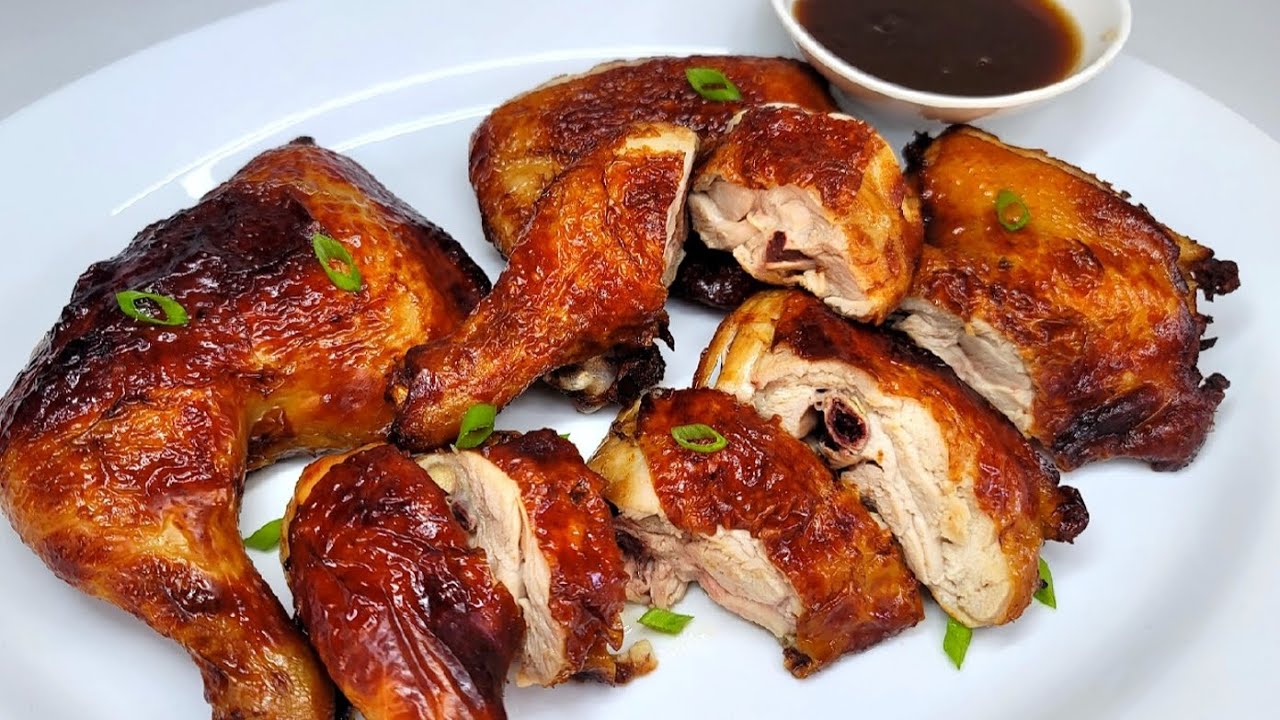
Chinese Fried Chicken Recipe: There is something almost magical about Chinese fried chicken. It is crispy, juicy, deeply seasoned, and packed with layers of flavor that hit your taste buds all at once. You get saltiness from soy sauce, warmth from white pepper, subtle sweetness from a balanced marinade, and that unforgettable crunch from a carefully prepared coating. It is the kind of food that disappears from the plate faster than you expect. One minute you are proudly setting it on the table, and the next, everyone is reaching for the last piece like it is treasure. That is the beauty of this dish. It feels simple, but the result tastes like something special.
This guide is built to make the process easy to follow, even if this is your first time frying chicken at home. You are not just getting a rough idea here. You are getting a true step-by-step guide, a full ingredients list, practical tips, and the small details that often make the biggest difference. Think of this recipe as your roadmap to chicken that crackles when you bite into it and stays juicy underneath that golden shell. Once you nail it, this is one of those recipes you will come back to again and again.
What Makes Chinese Fried Chicken Different From Other Fried Chicken
At first glance, fried chicken can look similar across different cuisines, but Chinese fried chicken has its own personality. It is not just about being crunchy. It is about balance. Many versions of Western fried chicken rely on buttermilk, flour-heavy coatings, and strong seasoning blends. Chinese-style fried chicken often leans into soy sauce, Shaoxing wine, garlic, ginger, sesame oil, and white pepper. That creates a flavor that feels savory, aromatic, and just a little mysterious in the best possible way. It is not loud for the sake of being loud. It is layered, like a song where every instrument matters.
Another major difference is the coating. Instead of relying only on all-purpose flour, Chinese fried chicken recipes often use cornstarch, potato starch, or a starch-flour mix. That is one reason the exterior can be so shatteringly crisp. If flour is like a cozy winter coat, starch is like glassy armor. It creates that light, delicate crunch people love in many Asian fried dishes. The coating often clings differently too, giving you rough, craggy edges that fry up beautifully and hold onto flavor. Every bite feels crisp without becoming too heavy or greasy.
The cooking style also helps set it apart. Some recipes double-fry the chicken to lock in crunch, while others use smaller bite-sized pieces for faster cooking and more surface area. This means more marinade touching the meat and more crispy coating in every mouthful. Chinese fried chicken is often served with scallions, chili flakes, five-spice seasoning, or a simple sprinkle of salt and pepper rather than a thick sauce. That keeps the crust from going soggy and lets the texture stay front and center. It is the kind of dish that proves crispness is not just a texture. It is an experience.
Flavor Profile and Texture
The flavor of Chinese fried chicken is a careful dance between savory depth and aromatic sharpness. Soy sauce provides umami, garlic and ginger bring brightness, and white pepper adds a mild earthy heat that tastes different from black pepper. If five-spice is used, it slips in a warm background note that makes the chicken feel extra distinctive. Some versions include a touch of sugar to round out the edges, and that tiny bit of sweetness can make the savory elements pop even more. It is like adjusting the lighting in a room. You may not notice the change right away, but everything suddenly looks better.
Texture is where this dish truly shines. The outside should be crisp enough to give a satisfying crackle, while the inside stays tender and juicy. That contrast is what keeps you going back for another piece. A good piece of fried chicken should not feel dry or greasy. It should feel balanced, almost airy, despite being fried. That is why the starch coating matters so much. It helps create a crust that is crisp but not dense, rough but not hard. Instead of forming a thick breaded shell, it creates a thinner coating that enhances the chicken rather than burying it.
When made properly, the crust holds its shape and texture even after sitting for a few minutes. That matters more than people think. Some fried foods are fantastic for thirty seconds and disappointing right after. Chinese fried chicken, especially when double-fried or coated correctly, tends to hold onto its crunch longer. That makes it ideal for serving at the table, packing for gatherings, or pairing with side dishes without instantly losing its magic. It is the kind of texture that makes people pause mid-bite and say, “Wait, how did you make this so crispy?”
The Role of Marinades and Coatings
A lot of recipes treat marinade like an optional extra. Here, it is one of the stars. The marinade gives the meat flavor before it ever meets hot oil. That means the chicken tastes good all the way through, not just on the outside. Soy sauce seasons, ginger and garlic perfume the meat, and a little cooking wine can help deepen the overall flavor. Even a short marinating time helps, but letting it sit longer gives the chicken a richer taste. It is a bit like letting tea steep properly. Rush it, and you get something decent. Give it time, and you get depth.
The coating works hand in hand with the marinade. If the marinade is the melody, the coating is the drumbeat that makes the whole thing unforgettable. Many people make the mistake of using only flour and wondering why the crust feels dull or heavy. Starch gives that signature lightness and crisp snap. Some cooks use only cornstarch, while others mix it with flour for a slightly fuller crust. There is no single law here, but the goal stays the same: a surface that fries quickly, turns golden, and stays crisp.
The best part is how the marinade and coating interact. A slightly moist piece of marinated chicken grabs onto the dry coating more effectively, creating those little ridges and flakes that fry into crunchy gold. Those uneven bits are not flaws. They are the pieces everyone fights over. That is why proper coating technique matters just as much as the ingredient list. Press the coating on well, let it rest briefly before frying, and you set yourself up for success. The result is chicken that tastes seasoned inside and out, with a crust that feels like it was made to be admired.
Ingredients You’ll Need
Below is a practical ingredient list that works beautifully for a crispy, flavorful batch of Chinese fried chicken. This recipe serves about 4 people, depending on appetite and what you serve with it. Boneless chicken thighs are especially forgiving and juicy, but wings or breast pieces can also work. The marinade is savory and aromatic, the coating is designed for maximum crispness, and the garnish adds that final little spark that makes the dish look and taste complete.
Chicken
- 1.5 pounds boneless chicken thighs or chicken wings, cut into medium pieces
Marinade Ingredients
- 2 tablespoons light soy sauce
- 1 tablespoon Shaoxing wine or dry cooking wine
- 1 teaspoon sesame oil
- 3 cloves garlic, minced
- 1 tablespoon fresh ginger, grated or finely minced
- 1 teaspoon sugar
- 1/2 teaspoon white pepper
- 1/2 teaspoon salt
- 1 egg
Coating Ingredients
- 1 cup cornstarch
- 1/2 cup all-purpose flour
- 1 teaspoon baking powder
- 1/2 teaspoon salt
- 1/2 teaspoon white pepper
- 1/2 teaspoon garlic powder (optional)
Frying Ingredients
- Vegetable oil, enough for deep or shallow frying
Optional Garnishes and Serving Add-Ons
- Sliced scallions
- Toasted sesame seeds
- Red chili flakes
- Fresh cilantro
- Lemon wedges or lime wedges
- Salt and pepper seasoning mix for tossing after frying
This ingredient setup creates chicken that is deeply seasoned but still crisp and clean-tasting. The egg in the marinade helps the coating stick better, while the baking powder gives the crust a little lift. The garnish may look optional on paper, but it adds freshness and contrast once the chicken comes out of the oil. Sometimes that final sprinkle is what takes a recipe from homemade to restaurant-worthy.
Chicken
Chicken thighs are often the best choice for this recipe because they stay juicy even if you fry them a little longer than planned. They have more fat than breast meat, and that helps protect them from drying out. If you have ever bitten into fried chicken that looked perfect but tasted dry, you already know why this matters. Thighs are forgiving, flavorful, and easy to cut into even pieces. That makes them ideal for beginners and experienced cooks alike.
Chicken wings are another excellent option, especially if you are making this recipe for a gathering. They come with built-in snack appeal and fry up beautifully. The skin crisps well, and the meat inside stays tender when cooked properly. Breast meat can work too, but it needs a bit more care because it cooks faster and can dry out if overdone. If you use breast meat, cutting it into slightly larger chunks helps preserve moisture.
The key with any cut is uniform size. Pieces that are too different in size will cook unevenly, leaving you with some pieces undercooked and others overdone. Aim for chunks that are similar in thickness so they fry at about the same rate. This little detail may seem small, but it makes the whole process smoother and the final platter much more consistent.
Marinade Ingredients
The marinade is where the real personality of the dish begins. Soy sauce lays down the savory foundation, Shaoxing wine adds depth, and sesame oil brings a nutty aroma that instantly hints at Asian-style cooking. Garlic and ginger are like the best supporting actors in a great movie. They may not be the only stars, but without them, something important is missing. Their sharpness softens during frying and leaves behind a warm, fragrant complexity.
White pepper deserves special attention because it gives Chinese fried chicken a flavor many people recognize but cannot always identify. It is milder and earthier than black pepper, with a distinct aroma that works beautifully in savory dishes. A small amount of sugar does not make the chicken sweet. It just smooths the edges and helps round out the salty notes. Salt strengthens everything, while the egg helps tenderize the coating process and gives the crust a stronger grip.
When these ingredients come together, they create a marinade that does more than season the surface. It seeps into the chicken and builds flavor from the inside. That is one reason this recipe tastes so satisfying. Every bite has character. It is not relying only on a crispy shell to impress you. The meat itself has something to say, and that is what makes this dish memorable.
Coating Ingredients
The coating is where crunch is born. Cornstarch is the backbone of that crisp exterior, and it is one of the best ingredients for achieving a light, brittle crust that does not feel bulky. Flour adds a bit of structure, helping the coating hold together without becoming too thick. The combination works like a smart partnership: one brings crispness, the other stability. Together, they create the kind of shell that cracks gently and beautifully with each bite.
Baking powder may seem surprising, but it plays a useful role. It helps aerate the coating slightly, leading to a crust that feels lighter and more textured. Salt and white pepper season the outer layer so the crust itself tastes good rather than bland. Garlic powder is optional, but it can give the coating a little extra savory punch. This is especially nice if you love chicken that smells incredible before you even take the first bite.
A good coating should not smother the chicken. It should highlight it. Think of it like a frame around a painting. Too much, and it distracts from what matters. Too little, and the whole thing feels unfinished. The right mix of starch and flour gives you crispness without heaviness, which is exactly what makes Chinese fried chicken so hard to resist.
Kitchen Tools That Make the Job Easier
You do not need fancy equipment to make Chinese fried chicken, but the right tools can make the process safer, smoother, and much less stressful. A good mixing bowl is essential for marinating the chicken, and a second bowl or tray helps with dredging. Tongs are incredibly useful because they let you move coated chicken pieces without scraping off the crust. A wire rack is another helpful item because it allows the fried chicken to rest without trapping steam underneath, which helps keep the coating crisp.
A deep skillet, wok, or heavy-bottomed pot works well for frying. The goal is stable heat. Thin pans can cause temperature swings, and that can lead to greasy or unevenly cooked chicken. A thermometer is one of the most useful tools you can have here. Frying without checking the oil temperature is a bit like driving with foggy glasses. You may get where you are going, but it is harder than it needs to be. Keeping the oil around the right temperature gives you a better crust and more predictable cooking.
Paper towels can help absorb some oil, but a rack is usually better for preserving crispness. You may also want a slotted spoon or spider strainer if you are frying many pieces in batches. These tools help you lift the chicken out quickly and safely. None of this is about making the recipe feel complicated. It is about setting yourself up for a smoother cooking experience, which usually leads to better food and less cleanup frustration.
Choosing the Best Chicken Cut
When people ask what cut is best for Chinese fried chicken, the honest answer is that it depends on the eating experience you want. Boneless chicken thighs are often the top choice because they are rich, juicy, and very forgiving. They can handle strong heat and still come out tender, which makes them ideal for home cooks. If you want chicken that feels meaty and satisfying while staying easy to eat, thighs are hard to beat. They are the workhorse of this recipe.
Wings are perfect when you want something snackable and crowd-friendly. They have great skin-to-meat ratio, which means lots of crispy surface area. That makes them especially fun for parties, game nights, or any meal where people are grabbing food with their hands. Wings also look impressive when piled high on a platter with scallions and sesame seeds. They bring a slightly more casual vibe, but flavor-wise, they are absolutely serious business.
Breast meat is leaner and can still work well, especially if you prefer a lighter option. The trick is not overcooking it. Because breast meat is lower in fat, it has less room for error. Keeping the pieces slightly larger and watching the frying time closely can help preserve moisture. There is no wrong choice here, but if you are making this recipe for the first time, boneless thighs give you the best chance at a juicy, flavorful result.
Boneless Thighs vs. Wings vs. Breast Meat
Boneless thighs are the easiest path to juicy success. They absorb marinade well, stay tender under high heat, and develop a wonderfully rich flavor. They are also easy to cut into uniform pieces, which helps them cook evenly. If you like fried chicken that feels hearty and full of flavor in every bite, this cut delivers. It is often the choice that gives the fewest headaches and the biggest rewards.
Wings bring a different kind of joy. They are crisp, flavorful, and fun to eat, especially when served fresh from the fryer. Because of the skin and bone structure, they have a slightly different texture profile than boneless pieces. You get more contrast between crunchy skin and tender meat, which many people absolutely love. They do take a little more time to eat, but that is part of the charm. Good wings are never rushed.
Breast meat is the lean option, but lean does not have to mean boring. When marinated properly and fried with care, it can still be delicious. The main thing is timing. Breast meat goes from juicy to dry faster than thighs, so attention matters. If you want a more delicate bite or prefer white meat, it is still a valid choice. Just treat it gently, and it will reward you.
How to Marinate Chicken for Maximum Flavor
Marinating is one of those steps people are tempted to rush, but it can completely change the final result. A proper marinade does not just sit on the surface. It starts seasoning the chicken from within. That means every bite tastes intentional, not just the outer crust. For Chinese fried chicken, the marinade is where you build umami, aroma, and subtle warmth. It is the hidden engine under the hood.
Start by mixing the soy sauce, cooking wine, sesame oil, garlic, ginger, sugar, white pepper, salt, and egg in a bowl until smooth. Then add the chicken and toss it thoroughly so every piece is coated. You want the marinade to cling to the meat, not pool sadly at the bottom like it has been forgotten. Once coated, cover the bowl and let it rest in the refrigerator. Thirty minutes is enough to help, but one to two hours is even better if you have the time.
There is a sweet spot with marination. Too short, and the flavor barely gets a chance to sink in. Too long, especially with salty ingredients, and the texture can start to change more than you want. For this recipe, around one hour is a lovely middle ground. It gives the chicken time to take on flavor without becoming overly cured. The result is meat that tastes seasoned and savory before the crispy coating even enters the picture.
How to Prepare the Crispy Coating
A crispy coating is not just about mixing dry ingredients and hoping for the best. It is about understanding how that layer will behave once it hits hot oil. The combination of cornstarch and flour is what gives this recipe its distinctive crunch. Cornstarch creates the brittle crispness, while flour helps bind and shape the crust. Add baking powder, salt, and white pepper, and suddenly your coating is not just functional. It is flavorful too.
Mix the dry ingredients in a wide bowl or shallow tray. A wider surface gives you more control when coating the chicken and helps prevent clumping. Once the marinated chicken is ready, lift out each piece and let the excess drip off slightly before pressing it into the dry mixture. Press is the key word here. You are not lightly dusting the chicken like powdered sugar on a donut. You are helping the coating attach itself securely so it can puff and crisp during frying.
After coating, let the chicken sit for a few minutes before frying. This brief rest helps the dry mixture absorb some moisture from the marinade, which creates a stronger bond. It is a small pause that pays off in a big way. When the chicken hits the oil, the crust is more likely to stay put and fry into a beautiful, craggy shell. These little rough edges are what make homemade fried chicken look and taste extra special.
Step-by-Step Guide for Chinese Fried Chicken
Step 1 – Prepare and Cut the Chicken
Wash the chicken if desired, then pat it dry with paper towels. Cut it into even pieces so it cooks at the same rate. Bite-sized boneless pieces work especially well for this style of fried chicken.
Step 2 – Mix the Marinade
In a bowl, combine soy sauce, garlic, ginger, a little sesame oil, white pepper, and optional oyster sauce. You can also add a small amount of cornstarch to help the coating stick better. Mix until well combined.
Step 3 – Marinate the Chicken
Add the chicken pieces to the marinade and toss well so every piece is coated. Let it sit for at least 20 to 30 minutes. This helps the chicken absorb the flavor and stay juicy inside.
Step 4 – Make the Dry Coating
In a separate bowl, mix cornstarch with flour, salt, pepper, and a little garlic powder if desired. Cornstarch is important because it helps create the light, crisp texture often found in Chinese-style fried chicken.
Step 5 – Coat the Chicken Properly
Remove the chicken from the marinade and coat each piece evenly in the dry mixture. Press lightly so the coating sticks well. Shake off any excess before frying.
Step 6 – Heat the Oil
Pour enough oil into a deep pan or pot and heat it over medium heat. The oil should be hot enough for frying but not smoking. Proper oil temperature helps the chicken cook evenly and stay crispy.
Step 7 – Fry Until Golden and Crisp
Fry the chicken in batches until the pieces turn golden brown and crispy. Avoid overcrowding the pan so the temperature stays steady. Remove and drain on a wire rack or paper towels.
Step 8 – Rest, Garnish, and Serve
Let the chicken rest for a minute or two before serving. Garnish with chopped spring onions, sesame seeds, or chili flakes if desired. Serve hot with rice, noodles, or dipping sauce.
Common Mistakes to Avoid
Even a good recipe can go sideways if a few key details are ignored. One of the most common mistakes is overcrowding the pan. When too many pieces go into the oil at once, the temperature drops, and the chicken steams instead of fries properly. That leads to a soggier crust and a greasier finish. Another frequent issue is skipping the marinating time. The chicken may still be edible, but it will not have the same depth of flavor, and the difference is noticeable.
Using the wrong coating balance can also create problems. Too much flour and not enough starch can make the crust feel heavier than intended. Too little seasoning in the coating leaves the exterior bland, even if the marinade is solid. Another trap is not letting the coated chicken rest before frying. That tiny resting period helps the coating stick, and without it, the crust can slip off or fry unevenly. It is one of those little kitchen truths that becomes obvious only after you ignore it once.
Finally, watch the oil temperature. This cannot be overstated. Fried chicken lives and dies by heat control. Too low and it turns greasy. Too high and it browns too fast while the center lags behind. If you treat the oil with respect and give the process your attention, the reward is chicken that looks golden, tastes bold, and crunches exactly the way it should.
Serving Ideas and Side Dishes
One of the best things about Chinese fried chicken is how easy it is to build a full meal around it. Steamed jasmine rice is the most obvious partner, and for good reason. Its soft, neutral texture balances the crisp, savory chicken beautifully. Fried rice also works if you want something a little more indulgent. The chicken can hold its own next to bolder sides, which makes it a very flexible main dish.
Vegetables help bring freshness and balance to the plate. Stir-fried bok choy, garlic green beans, or sautéed napa cabbage all pair nicely with the rich crunch of the chicken. A light cucumber salad with vinegar and sesame oil can also be excellent. That cool, crisp bite acts almost like a palate reset between mouthfuls of fried chicken. It keeps the meal feeling lively rather than heavy.
You can also turn this recipe into a party dish by serving it with small bowls of dipping sauces. A simple chili sauce, sweet soy dip, or garlic-pepper salt blend can give guests options without overpowering the crust. Whether you serve it as a weeknight dinner or a centerpiece snack platter, this chicken adapts effortlessly. It is a crowd-pleaser in the truest sense.
FAQs about Chinese Fried Chicken Recipe
1. What makes Chinese fried chicken different?
Chinese fried chicken is often marinated with ingredients like soy sauce, garlic, ginger, and sesame oil, which give it a savory and slightly aromatic flavor. It also commonly uses cornstarch in the coating for a lighter, crispier texture.
2. What cut of chicken works best?
Boneless chicken thighs are a great choice because they stay juicy and tender. Chicken breast can also be used if you prefer a leaner option.
3. Why is cornstarch used in the coating?
Cornstarch helps create a crisp, light crust that is common in many Chinese-style fried dishes. It also helps the chicken stay crunchy after frying.
4. How long should I marinate the chicken?
Marinating for at least 20 to 30 minutes helps the chicken absorb flavor. For deeper flavor, you can marinate it a bit longer in the refrigerator.
5. Can I make it spicy?
Yes, you can add chili flakes, chili paste, white pepper, or hot sauce to the marinade or garnish for extra heat.
6. How do I keep it crispy?
Fry the chicken in batches, avoid overcrowding the pan, and let it rest on a wire rack instead of stacking it. This helps keep the coating crisp.
7. What can I serve with Chinese fried chicken?
It pairs well with fried rice, steamed rice, noodles, stir-fried vegetables, or dipping sauces like sweet chili sauce or soy-based sauce.
8. How do I store leftovers?
Store leftovers in an airtight container in the refrigerator for up to 3 days. Reheat in an oven or air fryer for the best texture.
9. Can I use an air fryer instead of deep frying?
Yes, you can air fry it for a lighter version. The coating may be slightly different, but it can still turn out crispy and delicious.
Conclusion
A great Chinese fried chicken recipe is all about layering flavor and respecting texture. The marinade seasons the meat, the starch-based coating creates the crunch, and proper frying locks it all together into something that feels both comforting and exciting. It is not complicated once you understand the rhythm of the process. Prepare the chicken well, marinate it properly, coat it with care, and fry it at the right temperature. Those four ideas carry the whole dish.
Once you make it a couple of times, it becomes much easier to customize. You can add more spice, switch cuts, toss it with salt and pepper seasoning, or serve it with your favorite sides. That is part of the charm. This is not just one recipe. It is a starting point for a dish you can make your own while keeping the core magic intact.