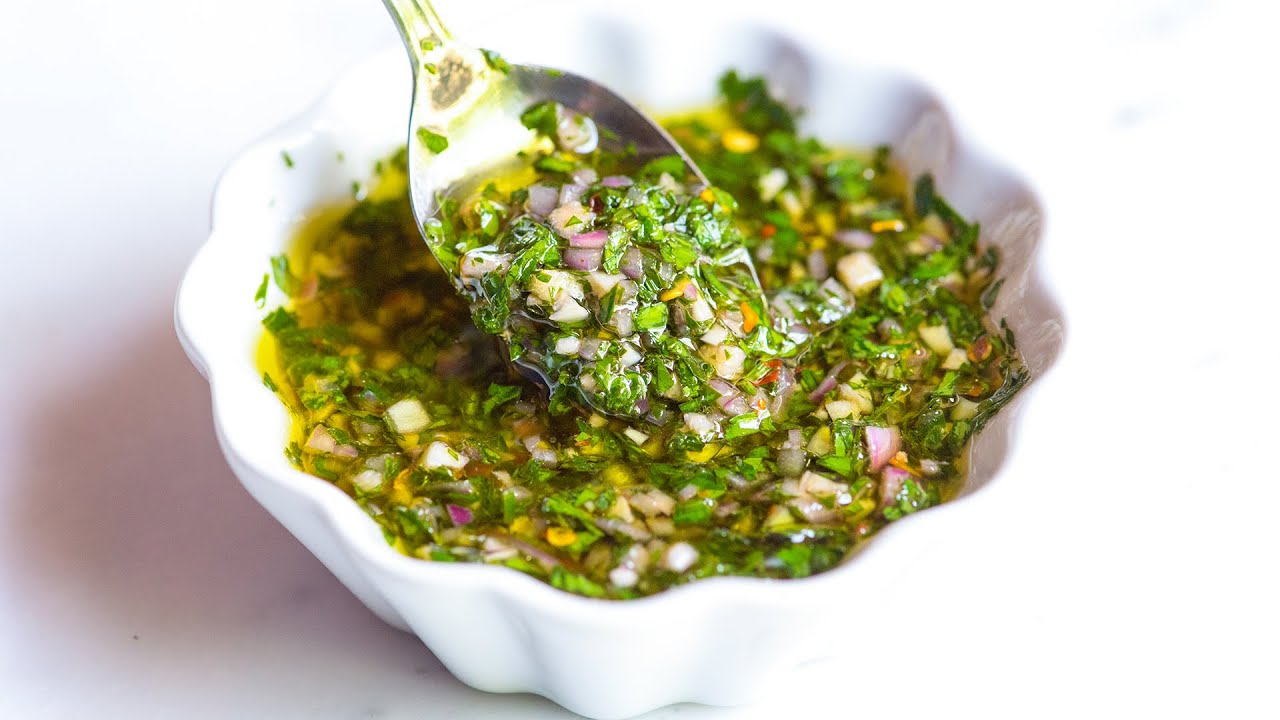
Chimichurri Recipe: Chimichurri is a bold, herb-packed, tangy sauce that hails from Argentina and Uruguay. It’s most famous for being slathered over grilled meats, especially steak, but it’s way more versatile than people think. Imagine a sauce that punches your taste buds with fresh parsley, garlic, and vinegar, balanced by a rich olive oil finish. That’s chimichurri in a nutshell—zesty, garlicky, slightly spicy, and irresistibly fresh.
It’s uncooked, easy to make, and totally adaptable. Whether you’re grilling, roasting, or dipping, chimichurri turns any ordinary meal into a feast. If you’ve never tried it, you’re missing out on a flavor bomb.
Why You’ll Love This Recipe
There are sauces you try once and forget, and then there’s chimichurri—once it touches your tongue, it sticks in your memory. Here’s why you’ll love making it:
- It’s Quick and Easy: No cooking, no stress, just chopping and mixing.
- Fresh and Flavorful: Full of fresh herbs and garlic, it tastes like summer in a bowl.
- Super Versatile: Goes on steak, chicken, fish, or even roasted vegetables.
- Healthy: Packed with antioxidants, good fats, and zero processed ingredients.
- Customizable: Like it spicy? Add chili flakes. Want it tangier? A splash more vinegar does the trick.
This recipe is your gateway to unlocking big flavor with minimal effort.
Types of Chimichurri: Green vs Red
Before we dive in, let’s get something straight—there are actually two main types of chimichurri: green chimichurri and red chimichurri.
- Green Chimichurri is the most popular. It’s made with fresh parsley, garlic, vinegar, and oil. Some variations include oregano and red pepper flakes.
- Red Chimichurri includes additional spices like smoked paprika, tomato paste, or bell peppers. It has a deeper flavor, slightly smoky, and a hint of sweetness.
This recipe focuses on the classic green chimichurri, but you can easily adapt it if you’re craving that red-hot twist.
Authentic Chimichurri Origins
Chimichurri is more than just a condiment—it’s part of Argentina and Uruguay’s culinary DNA. Traditionally served alongside asado (South American barbecue), it complements grilled meats with its sharp, herbaceous punch.
There’s a lot of myth surrounding its name. One popular story is that it came from an Englishman in Argentina who tried to create a local version of Worcestershire sauce and called it “Jimmy’s Curry.” Locals adapted it to “chimichurri.” No matter the origin, it’s now a staple across South America and beyond.
List of Ingredients You’ll Need
Here’s everything you’ll need to make this legendary sauce:
Fresh Herbs
- 1 cup fresh flat-leaf parsley (packed) – the star of the show
- 2 tablespoons fresh oregano (or 1 tablespoon dried) – optional, adds earthy depth
Aromatics
- 4–5 garlic cloves (finely minced) – adds the essential zing
Acids
- 2 tablespoons red wine vinegar – sharpens and balances the richness
Oils and Seasonings
- ½ cup extra virgin olive oil – binds it all together, adds smoothness
- ½ teaspoon red pepper flakes – brings the heat
- Salt and black pepper to taste
Optional:
- Juice of half a lemon – adds brightness
- 1 small shallot (minced) – optional for extra punch
Fresh ingredients make or break this sauce, so don’t cut corners here.
How to Choose the Best Ingredients
When making something raw and fresh like chimichurri, ingredient quality matters—a lot.
- Parsley: Go for vibrant green, flat-leaf parsley (not curly). It has stronger flavor.
- Garlic: Fresh cloves only—no jarred garlic or powders.
- Olive Oil: Use a good-quality extra virgin olive oil. Cheap oil will taste greasy, not smooth.
- Vinegar: Red wine vinegar is traditional. Avoid balsamic—it’s too sweet.
Spices should be fresh, not something forgotten in your pantry for years. Trust your nose—if it smells dull, it won’t add much flavor.
Kitchen Tools You’ll Need
You don’t need much to whip up chimichurri, but here’s what’ll make the job easier:
- Cutting board & sharp knife (for chopping herbs)
- Mixing bowl
- Measuring spoons
- Spoon or whisk (to mix everything together)
- Optional: Food processor or mortar and pestle (if you want it smoother or more traditional)
Now that everything’s ready, let’s jump into the step-by-step guide.
Step-by-Step Guide to Make Chimichurri
Step 1: Prep Your Ingredients
Start by washing and drying your herbs. You want them super dry so the oil doesn’t get watery. Strip parsley leaves from the stems and set aside. Peel your garlic and shallot, if using. Lay everything out for easy access.
This stage is about mise en place—having everything ready so you can focus when it’s time to chop and mix.
Step 2: Chop the Herbs Finely
Now, grab your sharp knife and go to town on the parsley. You’re not pulverizing it—just a fine mince. It should look fluffy, not like green paste.
Do the same with the oregano and garlic. Finely chop everything so the sauce has texture without being chunky. If you’re using a shallot, mince that too.
Pro tip: Avoid the food processor here unless you want a very smooth chimichurri. Hand chopping gives the best texture.
Step 3: Mix the Aromatics and Herbs
In your mixing bowl, combine the chopped parsley, oregano, garlic, and shallot (if using). Stir everything together so it’s evenly mixed.
The smell already? Insane. This is where the sauce begins to come to life. Mixing the dry ingredients first helps distribute the garlic and herbs evenly before the liquids go in.
Step 4: Add Vinegar and Oil
Pour in the red wine vinegar and stir to coat the herbs. Let it sit for about 2 minutes—this helps the herbs absorb the acidity and start softening.
Then, slowly drizzle in the olive oil while stirring. You want the mixture to be well-coated but not soupy.
The goal is a spoonable, chunky sauce that isn’t drowning in oil.
Step 5: Season and Adjust to Taste
Time to add your red pepper flakes, salt, and black pepper. Go slow—season, taste, adjust.
Want more kick? More flakes. Too acidic? Add a bit more oil. Too flat? A dash of lemon juice can brighten things up.
You’re the boss of this sauce, so tweak it to your taste. That’s the beauty of chimichurri—it’s flexible.
Step 6: Let It Rest
This part is often skipped, but it’s crucial.
Let the chimichurri rest at room temperature for 15–30 minutes before serving. This gives the flavors time to meld, the herbs to soften, and the sauce to become harmoniously delicious.
Storage Tips: How to Keep Chimichurri Fresh
Chimichurri is best fresh, but you can absolutely make it ahead of time. In fact, it often tastes even better the next day after the flavors have had more time to develop. Here’s how to store it like a pro:
- In the Fridge: Store chimichurri in an airtight container or a glass jar with a tight lid. It will last up to 5–7 days in the refrigerator. Make sure the top layer is covered with a bit of olive oil to preserve the herbs and prevent browning.
- In the Freezer: Want to make a big batch? You can freeze chimichurri! Pour it into ice cube trays, freeze, then transfer the cubes to a freezer bag. You’ll have individual portions ready to go for months. Just defrost a cube or two whenever you need a quick flavor boost.
- Don’t Microwave It: Chimichurri is meant to be served at room temperature. Microwaving can alter the flavor and texture. Let it thaw or sit on the counter for 15–20 minutes before serving if it’s been chilled or frozen.
Extra tip: If you see the oil solidify in the fridge, don’t worry—it’s totally normal. Just stir it and let it sit a few minutes at room temperature before using.
How to Use Chimichurri Sauce
Chimichurri isn’t just a one-trick pony. It’s not limited to steak (though it’s killer on it). Here are some of the best ways to use this flavor-packed sauce:
1. As a Topping for Steak
This is the classic combo. Drizzle chimichurri over grilled steak—like skirt, flank, or ribeye. The tangy herbs cut through the richness of the meat perfectly.
2. Marinade for Chicken or Seafood
Use chimichurri as a marinade for chicken thighs, shrimp, or even salmon. The acid helps tenderize the protein, and the herbs infuse incredible flavor. Just marinate for 30 minutes (no more than 2 hours for seafood).
3. Over Roasted Veggies
Tired of plain roasted vegetables? Add a spoonful of chimichurri and watch the flavors explode. It works wonders on roasted potatoes, carrots, mushrooms, and cauliflower.
4. On Sandwiches and Wraps
Smear it on a sandwich instead of mayo, or drizzle into a wrap. Chimichurri can take a boring lunch to gourmet levels.
5. As a Salad Dressing or Dip
Thin it with a bit of lemon juice or more vinegar, and boom—you’ve got a zesty salad dressing. Or serve it as a dip with crusty bread and appetizers.
This sauce is your new kitchen secret weapon.
Variations of Chimichurri
Chimichurri is incredibly customizable. Once you’ve nailed the classic version, try mixing it up with these tasty variations:
- Spicy Chimichurri: Add more chili flakes, fresh chili, or a splash of hot sauce for extra heat.
- Red Chimichurri (Chimichurri Rojo): Add a spoonful of smoked paprika, sun-dried tomatoes, or roasted red peppers for a smoky, sweeter take.
- Mint Chimichurri: Swap out some parsley for fresh mint—perfect for lamb or spring dishes.
- Cilantro Version: Blend in some cilantro with the parsley for a more Mexican-inspired twist.
- Lemon Zest or Juice: Brightens the sauce and makes it more vibrant.
Play with the ratios and flavors until you find your favorite version—it’s hard to go wrong.
Common Mistakes to Avoid
Even though chimichurri is simple to make, a few missteps can lead to a disappointing sauce. Avoid these common mistakes:
1. Overprocessing the Herbs
Don’t throw everything into a blender and hit high speed. You’ll end up with a green mush. Hand chopping gives chimichurri its signature texture.
2. Using the Wrong Oil
Only use extra virgin olive oil. Other oils can have overpowering flavors or greasy textures that mess with the balance.
3. Skipping the Resting Time
Letting the sauce rest allows the flavors to meld. It’s tempting to serve it immediately, but patience pays off.
4. Overpowering with Garlic
Too much garlic can dominate the sauce. Start with 3–4 cloves and adjust to taste. Remember: raw garlic intensifies over time.
5. Not Tasting as You Go
Every ingredient varies. Some parsley is more bitter, some vinegar more sour. Always taste and tweak.
Avoid these mistakes, and you’ll have a foolproof, crowd-pleasing chimichurri every time.
Chimichurri Nutritional Value
Chimichurri isn’t just tasty—it’s actually good for you. Here’s a quick nutritional breakdown (based on a 2-tablespoon serving):
| Nutrient | Approximate Value |
|---|---|
| Calories | 90–100 kcal |
| Total Fat | 9–10g |
| Saturated Fat | 1–1.5g |
| Carbohydrates | 1–2g |
| Protein | 0g |
| Fiber | 0.5g |
| Sugar | 0g |
Health Benefits:
- Parsley is high in vitamin K, C, and antioxidants.
- Olive oil is rich in healthy monounsaturated fats.
- Garlic has anti-inflammatory and antimicrobial properties.
It’s gluten-free, dairy-free, vegan, and keto-friendly. A win-win no matter your diet.
Vegan and Keto-Friendly Adaptations
The classic chimichurri is already vegan and keto-approved. But here’s how to fine-tune it if you’re working with specific dietary goals:
For Vegans
- You’re good to go—there are no animal products in chimichurri.
- Want more umami? Add a splash of soy sauce or nutritional yeast.
For Keto
- Be mindful of how much you use—olive oil is great, but it’s calorie-dense.
- Avoid any sweet additions like honey (some versions add it, but it’s not traditional).
If you’re on Whole30, Paleo, or even low-FODMAP diets, this sauce can usually be adapted easily—just skip the shallot or garlic if necessary.
FAQs about Chimichurri Recipe
1. Can I make chimichurri in advance?
Yes! In fact, it tastes even better after a few hours. Store it in the fridge and let it sit at room temp before serving.
2. What’s the difference between chimichurri and pesto?
Pesto uses basil, nuts, and cheese. Chimichurri uses parsley, no nuts, and no cheese—more acidic and tangy than pesto.
3. Is chimichurri spicy?
It can be! The red pepper flakes add heat, but you can adjust or skip them based on your taste.
4. Can I use cilantro instead of parsley?
Yes, but it changes the flavor. It’s delicious, just different. Try half parsley, half cilantro for a balanced twist.
5. How long does homemade chimichurri last?
Stored properly in the fridge, it lasts about 5–7 days. For longer storage, freeze it in portions.
Conclusion
Chimichurri is proof that simple ingredients, when combined with care, can create something truly unforgettable. With fresh herbs, garlic, vinegar, and olive oil, this bold, tangy sauce adds depth and brightness to almost anything it touches. And once you make it from scratch, you’ll never go back to the bottled stuff again.
Whether you’re grilling up a juicy steak, roasting vegetables, or just dipping crusty bread, chimichurri is the game-changer your kitchen needs. So grab those herbs, follow this guide, and get ready to fall in love—bite after bite.