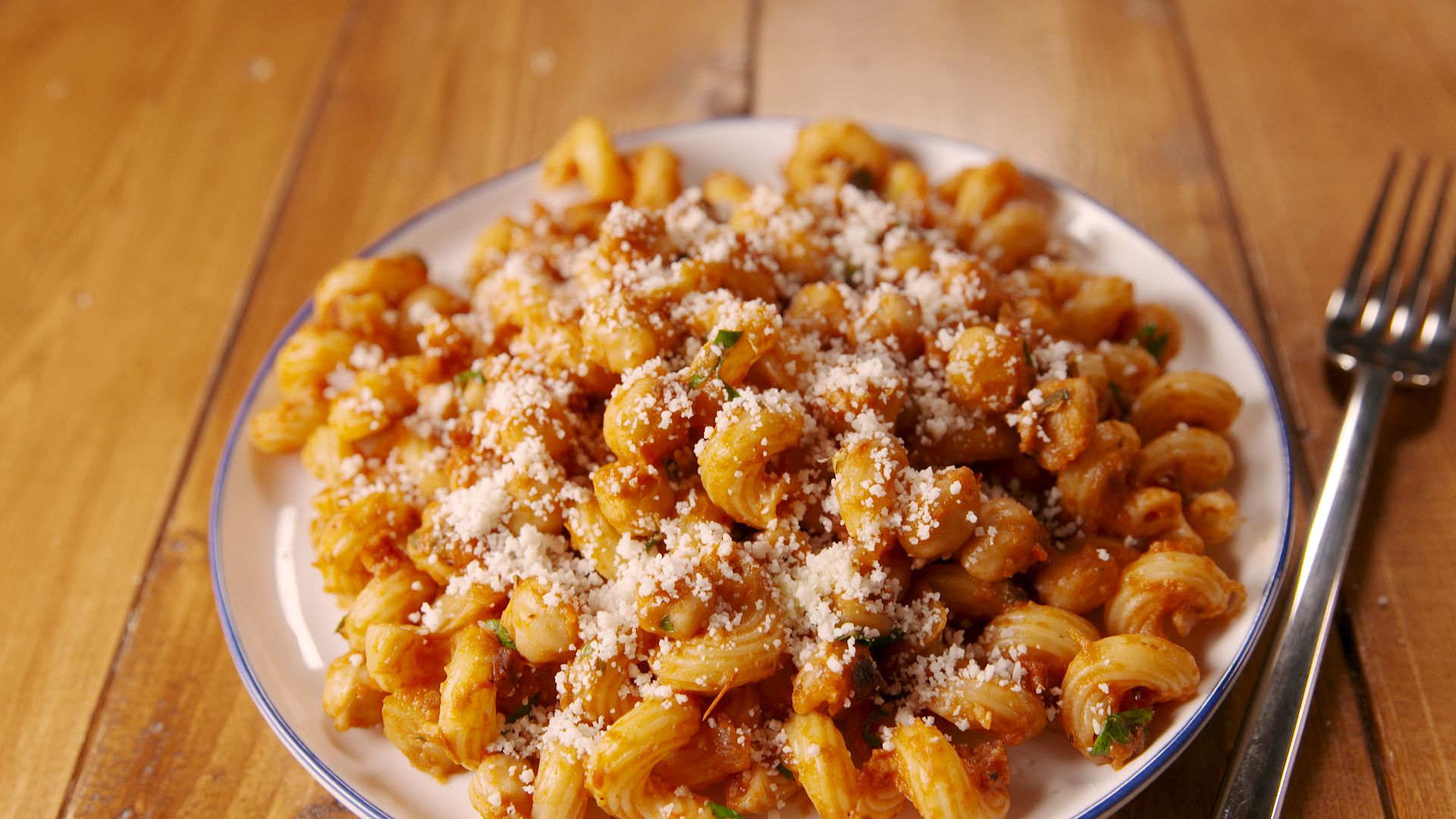
Chickpea Pasta Recipe: Chickpea pasta isn’t just a trendy alternative to regular pasta—it’s a delicious, nutrient-packed way to enjoy your favorite comfort food without the guilt. Made from ground chickpeas (also known as garbanzo beans), this pasta is naturally gluten-free, high in protein, and rich in fiber. Whether you’re following a gluten-free diet, trying to eat more plant-based meals, or simply experimenting with new ingredients in your kitchen, chickpea pasta is a fantastic choice.
The best part? You can make it at home with just a handful of ingredients. Store-bought chickpea pasta can sometimes be expensive or contain added preservatives, but a homemade version is fresh, customizable, and incredibly satisfying. Plus, the process of kneading and shaping the pasta can be a fun and therapeutic kitchen activity.
This guide will take you step-by-step through the process—from selecting your ingredients to serving the final dish. We’ll also cover common mistakes to avoid, variations you can try, and the nutritional benefits that make chickpea pasta worth adding to your weekly menu.
Why Chickpea Pasta is a Healthy Choice
Chickpeas are a superfood in disguise. Packed with plant-based protein, dietary fiber, iron, and essential vitamins, they make a great base for pasta that not only satisfies your carb cravings but also supports your health goals. Chickpea pasta is an excellent choice for those looking to stabilize blood sugar levels since the high fiber content slows digestion, preventing sugar spikes.
Unlike refined wheat pasta, which is mostly empty calories, chickpea pasta provides sustained energy and keeps you fuller for longer. It’s also a good source of folate and magnesium—two nutrients that support heart and brain health. And if you’re following a vegetarian or vegan diet, chickpea pasta can be a fantastic way to increase your daily protein intake without relying on animal products.
Benefits of Making It at Home
While store-bought chickpea pasta is convenient, it can’t beat the freshness and flavor of homemade pasta. Making it yourself also allows you to:
- Control the ingredients – No preservatives, additives, or unnecessary fillers.
- Customize the flavor – Add herbs, spices, or vegetable purees to make unique pasta varieties.
- Save money – Chickpea flour is often cheaper than pre-packaged specialty pasta.
- Enjoy the process – Shaping pasta by hand can be a fun weekend project or even a family activity.
In short, homemade chickpea pasta gives you complete creative freedom while delivering all the nutritional benefits in their freshest form.
Ingredients You’ll Need
When making chickpea pasta, quality ingredients matter. The great thing about this recipe is its simplicity—most of the ingredients can be found in any well-stocked kitchen or at a local grocery store.
Main Ingredients for the Pasta Dough
- Chickpea flour – The star of the recipe. Also called garbanzo bean flour, it’s naturally gluten-free and high in protein. Make sure it’s fresh for the best flavor.
- Eggs – Essential for binding the dough and giving it structure. If you’re vegan, you can replace them with flax eggs or aquafaba.
- Olive oil – Adds richness and helps the dough remain pliable.
- Salt – Enhances flavor and balances the nutty taste of chickpeas.
- Water – Adjust as needed to achieve the right dough consistency.
Optional Add-ins for Flavor
- Fresh herbs – Basil, parsley, or oregano can be kneaded into the dough for extra aroma.
- Garlic powder or onion powder – For a subtle savory touch.
- Vegetable puree – Spinach or beet puree can add color and nutrition.
Ingredients for Serving and Garnishing
- Your favorite pasta sauce – Tomato, pesto, or a creamy vegan option.
- Freshly grated Parmesan or vegan cheese – For that irresistible finishing touch.
- Fresh basil leaves – To garnish and add freshness.
By preparing all your ingredients before you start, you’ll make the cooking process much smoother and more enjoyable.
Kitchen Tools & Equipment
The right tools make pasta-making easier and more efficient, but you don’t need fancy gadgets to get started.
Basic Tools
- Mixing bowl – For combining ingredients.
- Measuring cups and spoons – Accuracy matters for dough consistency.
- Rolling pin – To flatten the dough evenly.
- Sharp knife or pizza cutter – For cutting pasta shapes.
- Large pot – For boiling the pasta.
- Colander – To drain the pasta once cooked.
Optional Tools for a Professional Finish
- Pasta machine – For rolling out perfectly thin and uniform pasta sheets.
- Pasta drying rack – Helps fresh pasta dry evenly before cooking or storing.
- Food processor – Speeds up the dough-making process.
With these tools ready, you’re set for the next stage: actually making the pasta from scratch.
Step-by-Step Guide to Making Chickpea Pasta
Let’s break it down into manageable steps so you can follow along with ease.
Step 1 – Preparing the Chickpea Flour
If you’re using store-bought chickpea flour, you can skip this step. But if you want the freshest flavor, making your own flour from dried chickpeas is worth the effort.
- Rinse and dry chickpeas – Ensure they are free of dust or stones.
- Grind in a high-powered blender or grain mill – Work in small batches for an even texture.
- Sift the flour – This removes any larger particles and ensures a smooth dough.
Freshly ground chickpea flour has a richer, nuttier taste that really elevates the pasta.
Step 2 – Making the Dough
This is where the magic starts.
- In a large mixing bowl, combine 2 cups of chickpea flour, 2 eggs, 1 tablespoon of olive oil, and ½ teaspoon of salt.
- Gradually add water—start with 2–3 tablespoons and increase only if needed.
- Mix until a shaggy dough forms, then knead for 8–10 minutes until smooth and elastic.
The dough should be firm but pliable—not sticky. If it’s too dry, add a little water; if too wet, dust with extra chickpea flour.
Step 3 – Rolling and Shaping the Pasta
Once the dough is ready:
- Divide it into smaller portions for easier handling.
- Roll out each portion to about 1–2 mm thickness.
- Cut into your desired shape—fettuccine, tagliatelle, or even small shapes like orecchiette.
If you have a pasta machine, this step will be faster and more precise, but hand-cut pasta has a rustic charm that’s hard to beat.
Common Mistakes and How to Avoid Them
Even though making chickpea pasta is relatively simple, a few small mistakes can completely change the outcome. If you’ve ever tried homemade pasta and ended up with a sticky mess, dry crumbs, or mushy noodles, you’ll appreciate these troubleshooting tips.
Dough Consistency Issues
One of the most common problems beginners face is getting the dough consistency wrong. Chickpea flour absorbs moisture differently than wheat flour, so it’s easy to misjudge how much water you need.
- Too dry: If your dough crumbles when you try to roll it out, you likely didn’t add enough liquid. Sprinkle in small amounts of water and knead until it becomes smooth and pliable.
- Too sticky: If the dough clings to your hands or the rolling pin, dust it with extra chickpea flour and knead again until it feels manageable.
- Resting time matters: Letting the dough rest for 20–30 minutes before rolling allows the flour to fully hydrate, which makes shaping much easier.
Overcooking or Undercooking
Chickpea pasta cooks faster than traditional wheat pasta—usually in 3–5 minutes. If you cook it too long, it can turn mushy and lose its bite.
- Test early: Start tasting after 3 minutes and remove from heat as soon as it’s al dente.
- Shock in cold water: If you’re not serving immediately, rinsing in cold water can stop the cooking process and help the pasta maintain its texture.
Storing Pasta Properly
Improper storage can cause your pasta to stick together or lose flavor.
- Fresh pasta: Store in an airtight container in the fridge for up to 2 days. Dust with flour before storing to prevent sticking.
- Cooked pasta: Toss lightly with olive oil before refrigerating to keep it from clumping.
- Freezing: Freeze shaped pasta on a tray before transferring to a bag. This keeps individual pieces from sticking together.
By avoiding these mistakes, you’ll have consistent, restaurant-quality chickpea pasta every time.
Nutritional Benefits of Chickpea Pasta
Beyond its amazing taste, chickpea pasta packs a serious nutritional punch. Whether you’re watching your carb intake, aiming for more plant-based protein, or trying to add more fiber to your diet, this pasta ticks all the boxes.
Protein Content
A single serving of chickpea pasta can contain twice as much protein as traditional pasta. This makes it an excellent choice for vegetarians, vegans, and anyone looking to build or maintain muscle. The protein in chickpeas is also rich in essential amino acids, which help your body repair and grow tissues.
Gluten-Free Advantage
For people with celiac disease or gluten sensitivity, chickpea pasta is a game-changer. Unlike gluten-free blends that often rely on refined starches, chickpea pasta is made from a single whole food ingredient—chickpeas. This means you get all the nutrients without the digestive discomfort that gluten can cause.
Vitamins and Minerals
Chickpeas are naturally high in:
- Folate – Supports brain health and reduces the risk of birth defects.
- Iron – Helps carry oxygen throughout your body.
- Magnesium – Aids muscle and nerve function.
- Zinc – Supports immune function.
This nutrient density makes chickpea pasta not just a tasty alternative, but a smart addition to a balanced diet.
Creative Variations of Chickpea Pasta
One of the joys of making pasta at home is that you’re not limited to plain dough. Chickpea pasta provides a neutral, slightly nutty base that pairs beautifully with different flavors, colors, and textures.
Spinach-Infused Chickpea Pasta
Add ½ cup of fresh spinach puree to your dough for a gorgeous green hue and a boost of antioxidants. This variation works beautifully with a light garlic and olive oil sauce.
Herb-Infused Chickpea Pasta
Knead chopped fresh herbs like basil, parsley, or oregano directly into the dough for bursts of flavor in every bite. Herb-infused pasta pairs wonderfully with simple tomato sauces or lemon-butter dressings.
Chickpea Pasta with Roasted Vegetables
For a hearty, nutrient-rich meal, toss your cooked chickpea pasta with roasted zucchini, bell peppers, cherry tomatoes, and eggplant. Finish with a drizzle of balsamic glaze for a Mediterranean touch.
These variations keep the dish exciting while allowing you to tailor it to seasonal produce or your personal taste preferences.
Pairing Chickpea Pasta with Sauces
The right sauce can elevate chickpea pasta from good to unforgettable. Since it has a slightly nutty, earthy flavor, it pairs well with both light and rich sauces.
Creamy Vegan Alfredo
Made with cashews, garlic, and nutritional yeast, vegan Alfredo is a creamy yet dairy-free option that complements chickpea pasta beautifully. Its richness balances the pasta’s natural earthiness.
Fresh Tomato Basil Sauce
A quick sauce made from ripe tomatoes, garlic, and fresh basil is perfect for summer evenings. The acidity of the tomatoes brightens the flavor of the pasta, while basil adds freshness.
Pesto Perfection
Classic basil pesto, or even a spinach or arugula variation, adds a vibrant, herby punch to chickpea pasta. You can also experiment with sun-dried tomato pesto for a tangy twist.
By understanding which sauces complement its flavor, you’ll never run out of delicious ways to serve chickpea pasta.
How to Store and Reheat Chickpea Pasta
Making chickpea pasta in batches is a smart way to save time on busy weeknights. The key is knowing how to store and reheat it so it tastes just as fresh as the day you made it.
Storing Fresh Pasta
Fresh chickpea pasta should be cooked within a couple of days for the best taste and texture. To store:
- Dust the pasta lightly with chickpea flour to prevent sticking.
- Arrange the strands or shapes in a single layer on a baking tray.
- Place in an airtight container and store in the refrigerator for up to 48 hours.
If you leave it longer, the dough may start to dry out or develop cracks.
Freezing Chickpea Pasta
Freezing is the best way to keep fresh pasta for long-term use without losing quality.
- Lay the shaped pasta in a single layer on a baking sheet.
- Freeze for 1–2 hours until firm.
- Transfer to a freezer bag or airtight container.
- Label with the date—it will last up to 3 months.
When cooking frozen pasta, there’s no need to thaw it; simply drop it directly into boiling water and add an extra minute to the cooking time.
Reheating Without Losing Texture
If you have cooked pasta leftovers, reheat them gently to avoid turning them mushy:
- Stovetop method: Toss with a little olive oil or sauce in a skillet over low heat until warmed through.
- Boiling water method: Briefly dip the pasta in boiling water for 30–60 seconds to revive it.
- Avoid microwaving: The uneven heat can make chickpea pasta gummy.
Proper storage and reheating mean you can enjoy chickpea pasta for meal prep without sacrificing quality.
FAQs about Chickpea Pasta Recipe
1. Can I use canned chickpeas to make pasta?
Not directly. You need chickpea flour for this recipe. However, you can dehydrate canned chickpeas and grind them into flour if fresh dried chickpeas aren’t available.
2. How long does chickpea pasta last?
Fresh pasta lasts up to 2 days in the fridge, while frozen pasta can last up to 3 months.
3. Can I make it without eggs?
Yes. Replace eggs with flax eggs (1 tbsp ground flaxseed + 3 tbsp water) or aquafaba for a vegan version.
4. Is chickpea pasta good for weight loss?
Yes, it’s high in protein and fiber, which help keep you full for longer, making it a great choice for weight management.
5. What sauces go best with chickpea pasta?
Fresh tomato basil sauce, creamy vegan Alfredo, and classic pesto all pair wonderfully with chickpea pasta.
Conclusion
Making chickpea pasta at home is not only rewarding but also opens up endless possibilities in the kitchen. It’s a nutrient-rich, gluten-free, and protein-packed alternative to traditional pasta, and with the right techniques, you can achieve restaurant-quality results in your own home.
From mastering dough consistency to experimenting with vibrant flavors and sauces, every step in this guide helps you refine your skills. Plus, by making it yourself, you have full control over the ingredients, flavors, and nutritional value.
Whether you enjoy it tossed with a fresh tomato basil sauce, a creamy vegan Alfredo, or paired with roasted vegetables, chickpea pasta is a versatile dish that’s sure to become a staple in your cooking repertoire. Once you’ve tried homemade, you may never go back to store-bought again.