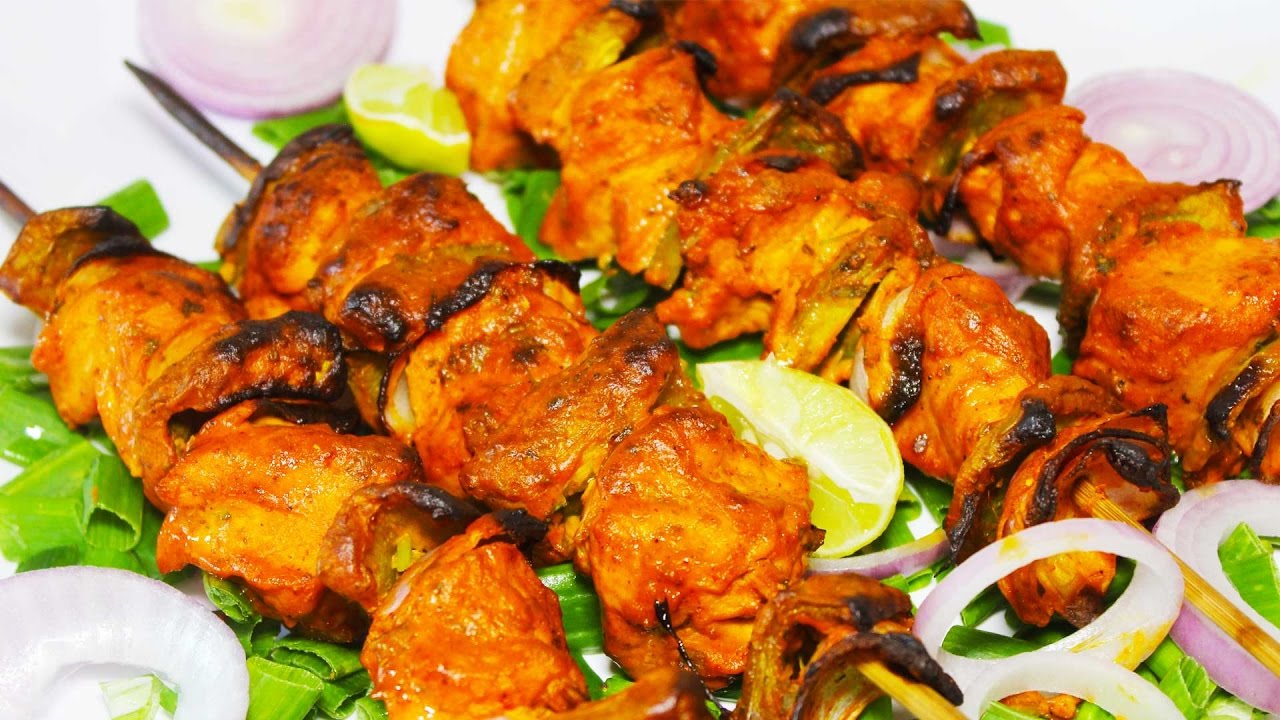
Chicken Tikka Recipe: Few dishes can match the burst of flavor and aroma that comes from a perfectly cooked chicken tikka. Juicy pieces of chicken, marinated in a spiced yogurt mix, grilled to smoky perfection—it’s no wonder this dish has captured hearts around the globe. Whether served as a starter, tucked into naan bread, or paired with fragrant rice, chicken tikka is a culinary superstar.
In this guide, we’ll walk you through everything from choosing your ingredients to serving a plate that looks as good as it tastes. By the time you’re done, you’ll be ready to prepare restaurant-quality chicken tikka in your own kitchen.
A Brief History of Chicken Tikka
Chicken tikka’s origins can be traced back hundreds of years, with deep roots in the Mughal era of South Asia. The term “tikka” means “bits” or “pieces,” referring to the small, boneless chunks of chicken used in the dish. These pieces are traditionally marinated in a blend of yogurt and spices, then roasted over hot coals in a tandoor (a clay oven). This method gave the chicken a smoky flavor that became the hallmark of authentic tikka. Over time, the dish spread far beyond India and Pakistan, finding its way into British curry houses and Middle Eastern grills, each region adding its own twist.
Why Chicken Tikka is Loved Worldwide
What makes chicken tikka universally adored is its balance of flavors. The marinade blends tangy yogurt with earthy spices like cumin and coriander, warmth from ginger and garlic, and a touch of heat from chili powder. This combination works whether you enjoy your food mildly spiced or packed with heat. Its versatility is another reason for its popularity—you can grill it, bake it, or even cook it on a stovetop, and it’s equally delicious every time. Plus, it pairs beautifully with a variety of side dishes, making it an easy choice for dinner parties or casual family meals.
Ingredients You’ll Need
Main Ingredients for Chicken Tikka
To make authentic chicken tikka, you’ll need high-quality, fresh ingredients. Here’s the base list:
- Chicken – Preferably boneless, skinless thighs for extra juiciness, or breast meat for a leaner option.
- Yogurt – Thick, plain yogurt is essential for tenderizing the chicken.
- Ginger-Garlic Paste – Freshly ground is best for flavor.
- Lemon Juice – For tang and to help tenderize the meat.
Spices and Marinade Essentials
Your spice mix is the soul of chicken tikka. Here’s a common blend:
- Cumin Powder – Adds warmth and earthiness.
- Coriander Powder – Balances the spice with citrusy notes.
- Turmeric Powder – Gives a golden color and subtle flavor.
- Red Chili Powder or Paprika – For heat and smokiness.
- Garam Masala – A mix of spices for depth.
- Salt – Enhances flavor.
Optional Add-ons for Extra Flavor
- Kasuri Methi (Dried Fenugreek Leaves) – Adds a slightly bitter, aromatic kick.
- Fresh Cilantro – For garnish and freshness.
- Onion Rings & Lime Wedges – Perfect for serving alongside.
Choosing the Best Chicken for Tikka
Bone-in vs Boneless – Which is Better?
Choosing between bone-in and boneless chicken depends on your cooking method and personal preference.
- Boneless chicken thighs are ideal for quick cooking methods like grilling or pan-frying, staying tender and juicy.
- Bone-in pieces work wonderfully for tandoor or oven-baking, where longer cooking enhances flavor.
Many chefs prefer thighs over breasts because they remain moist even after high-heat cooking. However, if you’re aiming for leaner meat, chicken breast is still an excellent option—just take care not to overcook.
How to Cut Chicken for Perfect Tikka Pieces
The goal is evenly sized pieces, about 1.5–2 inches each. This ensures that the chicken cooks uniformly without drying out. Always trim excess fat and pat the pieces dry before marinating—moisture on the surface will prevent spices from clinging to the meat.
Preparing the Marinade
The Role of Yogurt in the Marinade
Yogurt does more than just add tangy flavor—it’s the secret to juicy chicken. The lactic acid in yogurt gently breaks down muscle fibers, making the chicken soft without turning it mushy. Thick Greek yogurt works best because it clings to the meat, holding the spices in place during cooking.
Balancing Spices for Perfect Flavor
The key to chicken tikka is achieving harmony in your spice mix. Too much chili can overpower the other flavors, while too little can leave it tasting flat. A well-balanced marinade has:
- Heat from chili powder.
- Warmth from cumin and coriander.
- Sweetness from caramelized onions during cooking.
- Depth from garam masala.
How Long Should You Marinate Chicken Tikka?
The ideal marination time is at least 4 hours, but overnight is best for maximum flavor penetration. If you’re short on time, even 30 minutes in a spiced yogurt mix will improve taste. Always marinate in the refrigerator, covered, to keep the chicken fresh and safe.
Step-by-Step Cooking Process
Oven-Baked Method
- Preheat oven to 220°C (428°F).
- Line a baking tray with foil and place a wire rack on top.
- Arrange marinated chicken pieces on the rack.
- Bake for 15–20 minutes, turning halfway for even cooking.
- For a charred effect, broil for the last 3–4 minutes.
Grilling Method
- Preheat the grill to medium-high heat.
- Thread chicken pieces onto skewers.
- Grill for 10–12 minutes, turning occasionally until cooked through and slightly charred.
- Brush with butter or oil for extra juiciness.
Pan-Frying Method for Quick Tikka
- Heat a heavy-bottomed pan with 1–2 tbsp oil.
- Add chicken pieces without crowding the pan.
- Cook on medium-high heat for 6–8 minutes, turning until golden on all sides.
Tips for Getting Juicy, Tender Chicken Tikka
One of the most common complaints from home cooks is that their chicken tikka turns out dry. The truth is, dryness is almost always a result of overcooking or undermarinating. Here’s how to avoid that:
- Use chicken thighs instead of breasts if possible. Thighs have a higher fat content, making them naturally more forgiving during high-heat cooking.
- Don’t skip the yogurt in the marinade—it’s your tenderizer.
- Cook on high heat but for a short time. Whether you’re grilling, baking, or pan-frying, a high temperature sears the outside quickly while keeping the inside juicy.
- Rest the chicken after cooking for 3–5 minutes before serving. This allows the juices to redistribute.
- Baste with butter or ghee in the final minutes of cooking. This adds moisture and a rich, authentic flavor.
Pro tip: If using an oven, place a small heatproof bowl with a burning charcoal piece inside for a few minutes after baking. Cover the tray with foil to trap the smoky aroma—this mimics tandoor cooking.
Common Mistakes to Avoid
Even a great recipe can fail if you fall into these common traps:
- Not patting chicken dry before marinating – Water on the surface dilutes the marinade and prevents proper browning.
- Overcrowding the pan or grill – This traps steam and prevents the beautiful char marks tikka is known for.
- Using low-fat yogurt – It lacks the creaminess needed to coat and tenderize the meat well.
- Skipping the resting period – Cutting chicken immediately after cooking will cause juices to escape, leaving it dry.
- Overcooking – Chicken continues to cook slightly after it’s removed from heat, so take it off just as it hits the safe temperature of 75°C (165°F).
Remember: cooking chicken tikka is about precision. Every step has a purpose, and rushing through can cost you both texture and flavor.
How to Serve Chicken Tikka
The beauty of chicken tikka lies in its versatility—it can be a star appetizer, a main course, or part of a larger spread. Here are serving ideas:
- As a starter: Serve on skewers with a side of fresh salad, mint chutney, and lemon wedges.
- With bread: Pair with warm naan, roti, or paratha for a comforting Indian-style meal.
- With rice: Serve alongside fragrant basmati rice or biryani for a hearty plate.
- In wraps or sandwiches: Roll pieces into flatbread with lettuce, onions, and yogurt sauce for a quick lunch.
- With drinks: Goes perfectly with lassi, iced tea, or even chilled beer.
Garnishing matters too—fresh cilantro, onion rings, and a squeeze of lime take your presentation from home-cooked to restaurant-worthy.
Pairing Suggestions (Bread, Rice, Sauces)
Bread Options
- Garlic naan – Adds a buttery, garlicky punch to each bite.
- Tandoori roti – Slightly charred, ideal for scooping up tikka pieces.
Rice Options
- Jeera rice – Fragrant with cumin seeds, complements the spices in tikka.
- Saffron rice – Adds a luxurious aroma and subtle sweetness.
Sauce and Dip Pairings
- Mint chutney – Cooling and herby.
- Raita – Yogurt-based, perfect for toning down spice.
- Tamarind chutney – Sweet and tangy contrast to the savory chicken.
Pairing your tikka with the right side transforms it from just a dish to a complete dining experience.
Storing and Reheating Chicken Tikka
If you’ve made more tikka than you can eat in one sitting, here’s how to keep it tasting fresh:
Storage:
- Cool chicken completely before storing.
- Place in an airtight container in the fridge for up to 3 days.
- For longer storage, freeze for up to 2 months. Wrap pieces individually in foil to prevent freezer burn.
Reheating:
- Oven: Heat at 180°C (356°F) for 8–10 minutes, wrapped in foil to retain moisture.
- Stovetop: Warm on low heat with a splash of water or butter to prevent drying.
- Microwave: Not the best method, but if necessary, use a microwave-safe cover and heat in short intervals to avoid overcooking.
Extra tip: Brush with a little ghee or oil before reheating to revive flavor.
Health Benefits of Chicken Tikka
Chicken tikka is not just delicious—it can also be a nutritious choice when prepared mindfully. Here’s why:
- High Protein Content – Chicken is an excellent source of lean protein, essential for muscle repair and growth. A single serving can provide up to 25–30g of protein.
- Low in Carbs – Since chicken tikka is grilled or baked without breading, it’s naturally low in carbohydrates, making it a great choice for keto or low-carb diets.
- Rich in Micronutrients – The spices in the marinade, such as turmeric, cumin, and coriander, are packed with antioxidants and anti-inflammatory properties.
- Good for Weight Management – When prepared without excess oil or butter, chicken tikka can be a filling yet calorie-friendly meal.
However, it’s important to keep portion sizes in check and avoid overloading on creamy sauces or buttery sides if you’re watching your calorie intake.
Chicken Tikka Variations Across the World
While the classic Indian-style chicken tikka remains popular, many regions have put their own spin on it:
- British-Indian Chicken Tikka Masala – Chicken tikka served in a rich, creamy tomato-based curry sauce.
- Middle Eastern Tikka – Often incorporates sumac, za’atar, or tahini-based sauces.
- Pakistani Chicken Tikka – Typically spicier, with more chili and garam masala for a bolder flavor.
- Fusion Tikka Wraps – Found in urban cafes worldwide, featuring tikka in pita bread or tortillas with fresh salads.
This adaptability makes chicken tikka a true global favorite.
Vegan and Vegetarian Alternatives
If you don’t eat meat, you can still enjoy the flavors of tikka by swapping chicken with:
- Paneer Tikka – Indian cottage cheese cubes marinated and grilled.
- Tofu Tikka – A plant-based alternative that absorbs flavors beautifully.
- Vegetable Tikka – Using mushrooms, cauliflower, bell peppers, and zucchini.
These versions follow the same marinade process and cooking methods, ensuring you still get that smoky, spiced satisfaction.
Final Thoughts and Pro Tips
Cooking chicken tikka at home may seem intimidating at first, but once you master the marination and cooking technique, it’s surprisingly simple. A few final tips:
- Invest in quality spices – Freshly ground spices will make a world of difference in flavor.
- Don’t rush the marination – Overnight marination truly elevates the dish.
- Experiment – Adjust spice levels, try different herbs, and pair with various sides to keep it exciting.
With a little practice, you’ll be serving up tikka that rivals your favorite restaurant.
FAQs about Chicken Tikka Recipe
1. Can I make chicken tikka without yogurt?
Yes, you can substitute yogurt with coconut cream or cashew paste, though the texture and flavor will differ slightly.
2. How long should I cook chicken tikka in the oven?
At 220°C (428°F), it typically takes 15–20 minutes, plus 3–4 minutes of broiling for a charred effect.
3. Can I freeze marinated chicken?
Yes, you can freeze marinated chicken for up to 2 months. Thaw in the fridge before cooking.
4. How do I make my chicken tikka smoky?
Use the “dhungar” method—place hot charcoal in a small bowl inside your cooked chicken tray, add a drop of oil, and cover for 2–3 minutes.
5. Is chicken tikka the same as tandoori chicken?
No—tikka is usually boneless and smaller pieces, while tandoori chicken is often bone-in and marinated differently.
Conclusion
Chicken tikka is more than just a recipe—it’s a culinary journey that blends tradition, spice, and technique into one unforgettable dish. From its Mughal origins to its modern-day global fame, it has captured hearts and taste buds everywhere. By following this guide, you can bring that magic into your own kitchen, creating juicy, flavorful chicken tikka that will impress friends, family, and most importantly—your own taste buds.