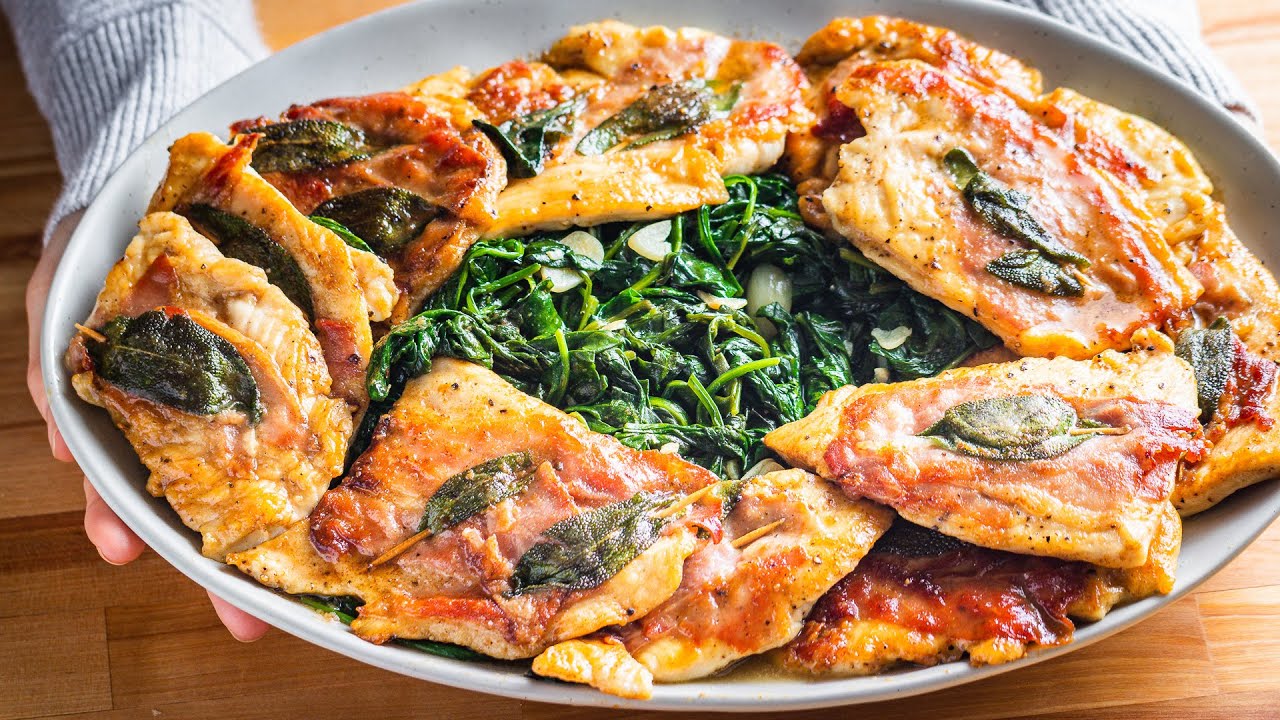
Chicken Saltimbocca Recipe: When you think of Italian cuisine, your mind probably drifts to pasta, pizza, and rich tomato sauces. But there’s a hidden gem in the Italian culinary world that doesn’t always get the spotlight it deserves—Chicken Saltimbocca. The word “saltimbocca” literally means “jump in the mouth” in Italian, and trust me, this dish lives up to its name. Every bite bursts with flavors that feel as if they’re leaping onto your taste buds.
Traditionally, saltimbocca is made with veal, but the chicken version has become wildly popular in modern kitchens. The tender, juicy chicken pairs perfectly with the salty elegance of prosciutto and the earthy aroma of fresh sage. Add a drizzle of white wine butter sauce, and you’ve got a dish that’s both sophisticated and ridiculously easy to make.
This isn’t just a recipe—it’s an experience. Imagine setting the table with a glass of crisp white wine, some warm crusty bread, and this golden, prosciutto-wrapped chicken masterpiece as the centerpiece. Whether you’re cooking for a romantic date night, a family gathering, or just treating yourself, Chicken Saltimbocca turns an ordinary evening into a mini Italian getaway.
What Makes Saltimbocca Special?
What sets saltimbocca apart from other chicken dishes is its layered flavor profile. You get the savory, salty kick from prosciutto, the fresh herbal lift from sage, and the tender richness of chicken. All these flavors come together in harmony, especially when you finish the dish in a light, buttery wine sauce.
It’s also a perfect example of Italian cooking philosophy—simple ingredients prepared with care, allowing each component to shine. This dish doesn’t need a long list of exotic ingredients. Instead, it relies on a handful of fresh, high-quality items that work together beautifully.
Another reason this dish is special? It’s quick! From start to finish, you can have Chicken Saltimbocca on the table in about 30 minutes. That’s faster than ordering takeout and way more satisfying.
The Origins and History of Chicken Saltimbocca
From Roman Streets to Global Kitchens
Saltimbocca’s roots trace back to Rome, where it’s been a local favorite for centuries. The traditional Roman version uses veal cutlets, pounded thin, topped with prosciutto and sage, and cooked in a mixture of butter and white wine. This simple yet elegant preparation quickly spread throughout Italy and beyond.
As the recipe traveled, home cooks and chefs began experimenting with other proteins. Chicken became the most common substitute for veal—partly because it’s more affordable and widely available, and partly because it has a milder flavor that lets the prosciutto and sage shine even brighter.
Today, you’ll find Chicken Saltimbocca on Italian restaurant menus all over the world, from fine dining establishments to cozy family-run trattorias. It’s one of those dishes that manages to feel both classic and fresh, no matter how many times you make it.
Traditional Veal vs. Modern Chicken Version
While the chicken version is beloved, purists might argue that veal has a tenderness and subtle flavor that’s hard to beat. However, chicken breast—when prepared properly—can be just as succulent. The key is to pound the chicken thin, which not only helps it cook evenly but also ensures a tender bite.
The biggest difference between veal and chicken saltimbocca lies in cooking time. Chicken tends to need a little more care to avoid dryness, but once you master the technique, it’s foolproof. Plus, chicken tends to absorb flavors from sauces and herbs more readily, making the overall dish incredibly flavorful.
Why You’ll Love This Recipe
Quick Cooking with Big Flavor
One of the main reasons to love Chicken Saltimbocca is its speed. In the time it takes to scroll through social media for half an hour, you could have a restaurant-quality meal sitting in front of you. Because the chicken is pounded thin, it cooks in just a few minutes per side. The prosciutto crisps up beautifully while keeping the meat juicy, and the sauce comes together in the same pan—meaning less cleanup.
This is a dish that works equally well for a casual Tuesday dinner or a full-blown dinner party. Guests are always impressed when you set down a plate that looks like it came from a fancy Italian bistro, and you’ll have the satisfaction of knowing you made it from scratch in record time.
Perfect for Weeknight Dinners or Special Occasions
Some recipes are “everyday” recipes, and some are “special occasion” recipes—but Chicken Saltimbocca manages to be both. It’s easy enough to whip up on a busy weeknight, but elegant enough to serve at a romantic candlelit dinner.
Think about it: you’ve got golden-brown chicken, silky prosciutto, fresh sage leaves, and a buttery wine sauce. Pair it with a crisp salad, roasted vegetables, or creamy mashed potatoes, and you’ve got a meal that’s as beautiful as it is delicious.
Ingredients You’ll Need
Main Ingredients for Chicken Saltimbocca
Here’s what you’ll need to create this Italian classic:
- Chicken breasts – Boneless, skinless, and pounded thin for quick, even cooking.
- Prosciutto – Thinly sliced and salty, it wraps around the chicken like a flavor blanket.
- Fresh sage leaves – The signature herb of saltimbocca, providing an earthy, aromatic punch.
- All-purpose flour – For lightly dredging the chicken, which helps with browning.
- Olive oil & butter – The dynamic duo for achieving rich flavor and a perfect sear.
- Dry white wine – Adds acidity and depth to the sauce. Pinot Grigio or Sauvignon Blanc work great.
- Chicken broth – For balancing the sauce and adding body.
- Salt & black pepper – Just enough to enhance flavors without overpowering the prosciutto’s saltiness.
Optional Add-Ons for Extra Flavor
- A squeeze of fresh lemon juice for brightness.
- Capers for a tangy, briny twist.
- A drizzle of heavy cream if you want a richer sauce.
Ingredient Substitutions for Dietary Needs
- For gluten-free diets: Use gluten-free flour or cornstarch for dredging.
- For low-sodium diets: Use low-sodium chicken broth and skip extra salt (prosciutto already packs plenty).
- For non-alcoholic versions: Replace wine with extra chicken broth plus a splash of apple cider vinegar for acidity.
Essential Kitchen Tools and Equipment
Cooking Tools for Perfect Saltimbocca
- Meat mallet or rolling pin – For pounding chicken evenly.
- Large skillet or frying pan – Preferably stainless steel for even browning.
- Tongs – Makes flipping the chicken easier without tearing the prosciutto.
- Wooden spoon – For stirring the sauce and scraping up flavorful bits from the pan.
Prep Essentials for Smooth Cooking
- Cutting board – One for raw chicken, and a separate one for vegetables and herbs.
- Sharp chef’s knife – For slicing ingredients with precision.
- Small bowls – For prepping flour, herbs, and other small ingredients so everything is ready to go.
Step-by-Step Guide to Making Chicken Saltimbocca
Step 1 – Preparing the Chicken Breasts
The foundation of great Chicken Saltimbocca starts with properly prepared chicken. Begin with boneless, skinless chicken breasts, ideally around 6–8 ounces each. To ensure quick and even cooking, you’ll need to pound them thin—about 1/4 inch thick. Place the chicken between two sheets of parchment paper or plastic wrap and use a meat mallet or rolling pin to gently pound it out. This prevents uneven cooking and guarantees tenderness.
Next, season the chicken lightly with salt and pepper. Be cautious here—prosciutto is already salty, so you don’t need much. Lightly dredge each piece in flour, shaking off the excess. This thin coating helps create a beautiful golden crust and also helps the sauce cling to the chicken later.
Pounding, seasoning, and dredging might seem like small steps, but they’re the secret to restaurant-quality results. Skip them, and you risk uneven cooking, bland flavor, or a sauce that slides right off your chicken.
Step 2 – Adding the Prosciutto and Sage
Now comes the signature Italian touch. Lay a slice (or two, depending on the size of your chicken) of thinly sliced prosciutto over each chicken breast. Press it gently so it adheres to the flour-dusted surface. Then, place a fresh sage leaf on top—its aroma will infuse the chicken as it cooks.
You have two options to secure everything:
- Toothpicks – The traditional way. Slide them through the chicken to hold the prosciutto and sage in place.
- Kitchen string – Less common, but useful if you’re making larger batches.
The combination of salty prosciutto and earthy sage is what makes this dish so unique. The prosciutto acts almost like edible parchment paper, locking in moisture and infusing the chicken with savory depth.
Step 3 – Pan-Searing for Maximum Flavor
Heat a combination of olive oil and butter in a large skillet over medium-high heat. Once the butter is foaming and fragrant, gently lay the chicken pieces in, prosciutto side down first. This ensures the prosciutto gets crispy while sealing the edges.
Cook for 2–3 minutes per side, flipping carefully with tongs. You’re aiming for a golden crust and juicy interior—not overcooked dryness. Because the chicken is thin, it will cook quickly, so keep a close eye on it.
When both sides are beautifully browned, transfer the chicken to a plate and keep warm. Don’t wipe the pan clean—those caramelized bits stuck to the bottom are flavor gold and will form the base of your sauce.
Step 4 – Making the White Wine Butter Sauce
With the chicken removed, pour in dry white wine to deglaze the pan. As it bubbles, scrape up the browned bits with a wooden spoon. This step lifts all that rich, savory flavor into the sauce.
After a minute or two, add chicken broth and let it reduce slightly. For extra richness, whisk in a knob of unsalted butter. This emulsifies the sauce, making it silky and smooth.
Taste and adjust—if you like a brighter finish, squeeze in a bit of fresh lemon juice. If you prefer a richer taste, add a splash of cream. The sauce should be light but flavorful, complementing the chicken without overpowering it.
Step 5 – Serving and Garnishing
Return the chicken to the skillet just long enough to warm through and absorb some of the sauce. Spoon extra sauce over the top before serving.
For presentation, transfer each piece to a warm plate, prosciutto side up. Garnish with:
- A sprig of fresh sage
- A thin lemon wedge for brightness
- A light drizzle of extra virgin olive oil for shine
Serve immediately—Chicken Saltimbocca tastes best fresh from the pan when the prosciutto is still crisp and the sauce is hot.
Cooking Tips for the Best Results
Keeping the Chicken Juicy
- Pound evenly so all parts cook at the same speed.
- Don’t overcook—remove the chicken as soon as it reaches 165°F (74°C).
- Rest briefly—letting it sit for a couple of minutes before serving helps redistribute juices.
Balancing Flavors Perfectly
- Taste your sauce before serving; adjust salt only if necessary.
- Use fresh sage—dried won’t give the same aroma.
- Pick a good-quality prosciutto—thin slices with visible marbling are ideal.
Common Mistakes to Avoid
Overcooking the Chicken
One of the fastest ways to ruin Chicken Saltimbocca is to overcook it. Because the chicken is pounded thin, it cooks in just a few minutes. If you walk away or leave it on high heat too long, you’ll end up with dry, tough meat. Always cook over medium-high heat and flip the chicken as soon as the underside turns golden brown. Use a meat thermometer if you want to be precise—165°F (74°C) is your magic number.
Another trick? Let the chicken rest for two minutes after cooking. This allows the juices to redistribute, keeping the meat moist and flavorful.
Using Too Much Salt
Prosciutto already brings plenty of saltiness to the dish, so be careful not to over-season. A light sprinkling of salt before cooking is more than enough. If you use salted butter or standard chicken broth, skip adding extra salt altogether. Too much can overpower the delicate balance of flavors.
What to Serve with Chicken Saltimbocca
Classic Italian Sides
If you want a true Italian-style meal, pair your Chicken Saltimbocca with:
- Garlic mashed potatoes – Creamy and rich to balance the savory chicken.
- Risotto – A buttery, cheesy risotto complements the wine sauce beautifully.
- Fresh pasta – Lightly tossed in olive oil or butter to soak up extra sauce.
Healthy Modern Pairings
For a lighter twist:
- Steamed asparagus – Adds freshness and a pop of green.
- Zucchini noodles – Low-carb but satisfying.
- Mixed greens salad – Dressed with lemon vinaigrette for brightness.
Storing and Reheating Leftovers
How to Keep it Fresh
If you happen to have leftovers (which is rare), store them in an airtight container in the refrigerator for up to 3 days. Make sure the chicken is completely cooled before sealing to prevent excess condensation, which can make the prosciutto soggy.
The Best Way to Reheat Without Drying Out
The gentlest method is reheating in a covered skillet over low heat with a splash of chicken broth or water. This helps maintain moisture and revives the sauce. Avoid microwaving for too long, as it can toughen the chicken and make the prosciutto rubbery.
Variations on Chicken Saltimbocca
Creamy Sauce Version
If you love richness, stir in a couple of tablespoons of heavy cream into the wine sauce before returning the chicken to the pan. This creates a velvety, luxurious coating that feels indulgent.
Lemon-Garlic Twist
For a brighter, zestier flavor, add minced garlic to the pan when making the sauce and finish with a generous squeeze of lemon juice. This variation works particularly well for summer meals.
Health and Nutrition Information
Calories and Macronutrients
On average, one serving of Chicken Saltimbocca (without sides) provides:
- Calories: ~320–350 kcal
- Protein: ~30g
- Fat: ~18g
- Carbohydrates: ~4–6g
Making a Lighter Version
- Use olive oil spray instead of butter for searing.
- Replace prosciutto with thin turkey slices for lower fat and sodium.
- Serve with steamed vegetables instead of starchy sides to cut calories.
FAQs about Chicken Saltimbocca Recipe
Can I Make This Ahead of Time?
You can prep the chicken with prosciutto and sage a few hours ahead and keep it covered in the fridge. Cook and make the sauce fresh just before serving for the best flavor.
Can I Use Turkey or Pork Instead?
Yes. Turkey cutlets work exactly like chicken, and pork tenderloin medallions make a delicious twist—just be sure to pound them thin for quick cooking.
Do I have to use white wine in the sauce?
No. Wine brings brightness, but you can swap in low-sodium chicken broth plus 1–2 teaspoons lemon juice or a small splash of white wine vinegar. Let it reduce by half, then whisk in butter to finish. Non-alcoholic white wine works great, too.
How do I keep the prosciutto from going soggy?
Dry everything well, dredge the chicken lightly in flour (optional but helps crisp), and sear prosciutto-side down first in a properly hot pan—don’t move it for 2–3 minutes. Don’t crowd the pan (steam = soggy). Rest cutlets on a rack while you make the sauce to preserve crunch.
What’s the ideal cooking time and temperature?
For thin, ¼-inch cutlets: about 2–3 minutes per side. Use an instant-read thermometer: chicken/turkey at 165°F/74°C; pork at 145°F/63°C plus a short rest. Carryover heat will finish the job—no dry meat, no guesswork.
Conclusion
Chicken Saltimbocca is the kind of recipe that delivers big flavor with surprisingly little effort. With just a handful of ingredients—prosciutto, sage, chicken, and wine—you can create a dish that tastes like it came straight from an Italian trattoria. Whether you serve it with creamy potatoes, fresh pasta, or light vegetables, it’s bound to impress your family, guests, and even yourself.
If you’ve never tried making it at home, now’s your chance. Follow the steps, avoid the common mistakes, and you’ll have a plate of golden, juicy, flavor-packed chicken ready in under 30 minutes. Buon appetito!