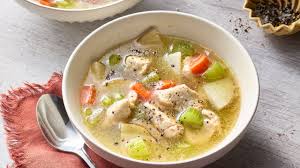
Chicken Potato Soup Recipe: There is something deeply satisfying about a warm bowl of chicken potato soup. It is the kind of meal that feels like a soft blanket on a cold day, simple enough for a casual family dinner yet hearty enough to stand on its own as a filling main course.
The combination of tender chicken, soft potatoes, savory broth, and aromatic vegetables creates a balance that is both humble and incredibly comforting. It does not try too hard, and that is exactly why people keep coming back to it.
Some recipes are flashy and exciting for a moment, but this one stays relevant because it delivers real comfort every single time.
What Makes This Chicken Potato Soup Recipe So Good
A great chicken potato soup recipe does not depend on complicated techniques or rare ingredients. What makes it truly special is the way each basic component works together. The chicken adds protein and savory depth. The potatoes thicken the soup naturally while giving it a creamy, satisfying texture. The onions, garlic, carrots, and celery build a flavor base that gives the soup body and warmth. Then, when broth and a touch of milk or cream come in, everything blends into one comforting, balanced dish that tastes far richer than the ingredient list might suggest.
This version works especially well because it keeps the process straightforward while still focusing on flavor development. Instead of dumping everything into a pot at once and hoping for the best, this method builds flavor in stages. First, the chicken is seasoned. Then the aromatics are sautéed to release their sweetness and fragrance. The potatoes simmer until tender, helping the broth absorb their starch and become silky. Finally, the cream or milk rounds it all out. That step-by-step approach turns a simple soup into something that feels polished and homemade in the best possible way.
The beauty of this soup is also in its texture. Some bites are full of juicy chicken, while others give you the soft, buttery feel of perfectly cooked potatoes. If you mash a few potatoes into the broth, the soup gets even thicker without needing extra flour or complicated thickening tricks. That means you get a hearty consistency that feels luxurious but still natural. It is the kind of recipe that tastes like it took hours, even though it can come together in a very manageable amount of time. For anyone looking for an easy, reliable, and professional chicken potato soup recipe, this one checks every box.
Ingredients You’ll Need
Before starting, gather everything you need. This helps the cooking process feel smooth and organized, especially if you are following the recipe for the first time. One of the reasons this chicken potato soup is so approachable is that it uses pantry-friendly and easy-to-find ingredients. You are not chasing specialty items or expensive components. Most of these ingredients are already familiar, which means the magic of this dish comes from the method and the balance rather than anything overly fancy.
The key is to use fresh ingredients where possible, especially with vegetables and herbs, because small details can make a big difference in a simple soup. Good broth also matters more than people think. Since soup is mostly liquid, the broth acts like the stage where every other ingredient performs. A flavorful broth gives the recipe depth and makes the final bowl taste richer and more developed.
Main Ingredients
Here is the full list of Ingredients You’ll Need:
- 2 tablespoons olive oil or butter
- 1 pound chicken breast or chicken thighs, diced or shredded
- 4 medium potatoes, peeled and cut into bite-sized cubes
- 1 medium onion, finely chopped
- 2 cloves garlic, minced
- 2 medium carrots, sliced
- 2 celery stalks, chopped
- 4 cups chicken broth
- 1 cup milk or heavy cream
- 1 teaspoon salt, or to taste
- 1/2 teaspoon black pepper
- 1 teaspoon dried thyme
- 1/2 teaspoon dried parsley or 1 tablespoon fresh parsley
- 1 bay leaf
- 1 tablespoon flour (optional, for a thicker soup)
- 1 cup shredded cheddar cheese (optional, for a creamy cheesy version)
- 2 green onions or extra parsley, chopped for garnish
These ingredients create a soup that is hearty, flavorful, and well balanced. The potatoes make it filling, the chicken gives it substance, and the vegetables add sweetness and aroma. Milk or cream softens the overall flavor and gives the broth a silky finish that feels especially comforting.
Optional Add-Ins for Extra Flavor
If you want to customize your chicken and potato soup, there are several easy additions that work beautifully without changing the soul of the dish. You can stir in sweet corn for a touch of natural sweetness, add cooked bacon for a smoky note, or include spinach at the end for some color and freshness. A pinch of paprika can give the soup a slightly warmer profile, while a dash of crushed red pepper can wake everything up without making it aggressively spicy.
Cheese is another popular addition, especially if you want the soup to feel richer and more indulgent. Shredded cheddar melts well and pairs naturally with potatoes. Some people also like adding sour cream for tanginess, but that should be stirred in gently over low heat to avoid curdling. The point is not to overload the pot with too many extras. Think of add-ins like accessories to a good outfit. A few thoughtful choices can elevate everything, but too many can distract from the main attraction. At its heart, this recipe shines because of its simplicity.
Kitchen Tools for Easy Soup Making
You do not need a professional kitchen to make a fantastic bowl of chicken potato soup, but a few basic tools will make the process easier and more consistent. The most important tool is a large heavy-bottomed pot or Dutch oven. A sturdy pot distributes heat evenly, which helps prevent the vegetables from burning and allows the soup to simmer gently without hot spots. That matters more than people realize because soup develops flavor best when it cooks steadily rather than aggressively.
A sharp knife and a good cutting board are also essential. Since this recipe uses several vegetables and potatoes, clean and even cuts help everything cook at the same pace. If the potato chunks are huge and the carrots are paper-thin, you end up with uneven texture, and the soup loses some of its harmony. Measuring cups and spoons help keep the broth-to-cream ratio balanced, especially if you are aiming for a reliable result rather than just improvising. A wooden spoon or silicone spatula is ideal for stirring, scraping up flavorful bits from the bottom of the pot, and preventing ingredients from sticking.
A ladle makes serving easier, and a potato masher can be very helpful if you want to thicken the soup naturally. Mashing a small portion of the cooked potatoes directly into the pot is one of the simplest ways to create a creamier texture without relying too heavily on flour or starch. You can also use tongs for handling chicken pieces or a fork for shredding cooked chicken. None of these tools are glamorous, but together they make the cooking process smoother and more enjoyable. In a recipe like this, ease matters because the less stressed you feel while cooking, the more likely you are to make it again.
Choosing the Best Chicken for Soup
The chicken you use can shape the final taste and texture of the soup more than you might expect. While almost any cooked chicken can technically work, choosing the right cut makes the soup more flavorful and satisfying. Chicken breast is lean, mild, and widely available. It cooks quickly and shreds nicely, which makes it a convenient choice for home cooks who want a clean, classic texture. It is especially good if you prefer your soup light and not too rich. The only challenge is that chicken breast can dry out if overcooked, so timing matters.
Chicken thighs, on the other hand, are richer and more forgiving. They contain a bit more fat, which gives the soup deeper flavor and helps the meat stay tender even if it simmers a little longer. If you are the kind of cook who likes recipes with a bit of flexibility, thighs are often the safer option. They bring a savory quality that can make the broth taste fuller without needing extra seasoning or added fat. For many people, thighs create a more restaurant-style result because of that extra richness.
You can also use rotisserie chicken for convenience. That is a great shortcut when you need dinner on the table faster or want to use leftovers. The flavor is already developed, and the meat is usually tender enough to stir in near the end of cooking. No matter which option you choose, the key is to avoid overcooking. Soup should be comforting, not filled with rubbery chicken. In a recipe built around simple ingredients, texture matters just as much as taste.
Chicken Breast vs. Chicken Thighs
If you are deciding between chicken breast and chicken thighs for your homemade chicken potato soup, think about what you want the final bowl to feel like. Chicken breast gives a cleaner and lighter result. The pieces stay neat and tidy, and the flavor lets the potatoes and herbs stand out. It is ideal for people who want the soup to feel wholesome and not too heavy. When properly cooked, breast meat can still be tender and delicious, especially if diced into even pieces or gently poached in the broth.
Chicken thighs create a richer, more robust soup. They offer deeper flavor and are much harder to overcook, which is a major advantage for beginner cooks or anyone multitasking in the kitchen. Thigh meat also tends to shred beautifully, giving the soup a cozy, rustic character that feels perfect for cold-weather meals. It blends into the broth in a way that makes the whole dish feel heartier. In many cases, thighs produce a more flavorful pot with less effort.
There is no wrong answer here. It really comes down to preference and what you have available. If you want lean and classic, choose breast. If you want juicy and flavorful, choose thighs. Some cooks even combine both for balance. That mix gives you the best of both worlds, like using two instruments in harmony instead of relying on just one. Soup is forgiving like that. It welcomes practicality while still rewarding thoughtful choices.
Picking the Right Potatoes
Potatoes are the backbone of this recipe, so choosing the right kind can make a real difference. Not all potatoes behave the same way in soup. Some hold their shape neatly, while others break down and create a naturally creamy broth. That is not a flaw. It is simply a matter of matching the potato to the texture you want. In chicken potato soup, both styles can work beautifully depending on whether you want a chunkier, rustic bowl or a smoother, thicker finish.
Waxy potatoes, such as red potatoes or Yukon Golds, are great if you want cubes that stay mostly intact while still becoming tender. They have a naturally buttery flavor and a creamy interior that works especially well in soups. Russet potatoes are more starchy and break down more easily, which helps thicken the broth. That can be very useful if you want a heartier soup without adding much flour or cornstarch. The tradeoff is that russets can become too soft if simmered too long, so they need a bit more attention.
This recipe works especially well with Yukon Gold potatoes because they offer a middle ground. They keep enough structure to give you satisfying bites, but they also soften enough to enrich the broth. They are like the reliable friend who can dress up or down and still look perfect in every situation. When in doubt, go with Yukon Golds. They are versatile, flavorful, and ideal for the cozy texture most people want in a bowl of chicken potato soup.
Best Potato Varieties for a Creamy Texture
If your goal is a creamy and velvety chicken potato soup recipe, the best potatoes are usually Yukon Gold or Russet. Yukon Gold potatoes are often the top choice because they have a naturally buttery texture and a balanced starch level. They soften nicely as they cook, and a few pieces can be mashed into the broth without turning the entire pot gluey. That makes them excellent for cooks who want creaminess with some texture still intact.
Russet potatoes are the better option when you want the broth to become thick and hearty. Their higher starch content means they break down more quickly, which naturally enriches the soup as it simmers. This can be especially helpful if you want to keep the ingredient list simple and avoid adding too much dairy or flour. The trick with Russets is to cut them evenly and avoid over-stirring once they get soft. Too much stirring can make them dissolve more than you intended.
Red potatoes are not the best option for a creamy soup, but they are still useful if you prefer defined chunks that hold up well. They bring a firmer bite and a different visual appeal, though they will not create the same velvety effect. So if creamy texture is the main goal, stick with Yukon Gold or Russet. Think of the potatoes as the architecture of the soup. The broth may be the atmosphere, but the potatoes decide whether the whole thing feels sturdy, soft, rustic, or silky.
How to Prep Your Ingredients Properly
Good soup begins before the pot ever gets hot. Ingredient prep might sound like a small detail, but it has a huge effect on how smoothly the cooking process goes and how balanced the final dish tastes. Start by washing, peeling, and chopping the potatoes into even bite-sized cubes. Uniform pieces matter because they cook at the same rate. That means you do not end up with some potatoes turning mushy while others are still too firm. The same logic applies to carrots and celery. Consistent slicing creates a more professional-looking soup and a better eating experience.
For the onion and garlic, smaller cuts are usually best. Finely chopped onion melts more easily into the soup base, while minced garlic disperses flavor quickly without leaving big sharp bites. If you are using raw chicken, pat it dry before seasoning. That small step helps it cook more evenly and allows the seasoning to cling better. Dice the chicken into similar-sized pieces if you want chunks in the soup, or leave it whole if you plan to shred it later after simmering. Either method works, but deciding in advance keeps the process more organized.
It also helps to measure out the broth, milk, herbs, and optional extras before you start cooking. This classic approach, often called mise en place, makes home cooking feel less chaotic. Once the pot is going, everything moves fast enough that stopping to search for dried thyme or measure cream can interrupt the rhythm. Soup is forgiving, but a little preparation turns it from a stressful dinner task into a calm and satisfying kitchen routine. In a way, ingredient prep is like laying railroad tracks before the train arrives. It keeps the whole meal moving in the right direction.
Step-by-Step Guide for Chicken Potato Soup
Follow the steps in order, taste as you go, and do not rush the simmering stage. Soup rewards patience in small amounts. You do not need all afternoon, but you do need to let the ingredients get to know each other in the pot. That is when the real comfort starts to happen.
Step 1: Prepare and Season the Chicken
Cut the chicken into small pieces or bite-sized cubes, then season with salt, black pepper, garlic powder, and a little paprika if desired. Patting the chicken dry first helps it cook better. Set it aside while you prepare the soup base.
Step 2: Sauté the Aromatics
Heat a little oil or butter in a large pot over medium heat. Add chopped onion, garlic, and celery, then cook until softened and fragrant. Stir often so the aromatics do not burn. This step creates the savory foundation of the soup.
Step 3: Add Potatoes, Broth, and Chicken
Add diced potatoes to the pot, followed by the seasoned chicken. Pour in the chicken broth and stir everything together well. You can also add herbs such as thyme or parsley at this stage for extra flavor.
Step 4: Simmer Until Tender
Bring the soup to a gentle boil, then reduce the heat and let it simmer. Cook until the potatoes are soft and the chicken is fully cooked through. Stir occasionally so nothing sticks to the bottom of the pot.
Step 5: Add Cream or Milk for Richness
Once the potatoes are tender, stir in cream or milk to make the soup smoother and richer. Let it warm through over low heat without boiling too hard. For a thicker soup, you can mash a few of the potatoes directly in the pot.
Step 6: Taste, Garnish, and Serve
Taste the soup and adjust the seasoning with more salt or pepper if needed. Garnish with chopped parsley, shredded cheese, or a little black pepper. Serve hot with bread or crackers for a warm and comforting meal.
Common Mistakes to Avoid
Even a simple chicken potato soup recipe can go wrong if a few small details are overlooked. One of the most common mistakes is overcooking the chicken. This is especially true with chicken breast, which can become dry and stringy if left simmering too long. Another issue is cutting the potatoes unevenly. Small pieces cook too fast and disappear into the broth, while large chunks stay underdone. Soup relies on balance, and inconsistent prep can throw that off quickly.
Another mistake is under-seasoning. Potatoes soak up a lot of flavor, so a broth that tastes perfect at the beginning may seem bland later. This is why tasting throughout the cooking process matters so much. Adding dairy over high heat is another common problem. Milk and cream should be stirred in gently at the end over low heat to keep the soup smooth and stable. Boiling after adding cream can cause separation, and that changes the texture in a way that feels less polished.
People also sometimes skip the sautéing step to save time, but that shortcut usually leads to flatter flavor. Aromatics need a few minutes in the pot to release their sweetness and depth. Without that stage, the broth can taste one-dimensional. In the same way, using poor-quality broth can weaken the whole recipe. Since the broth is the base, it is worth choosing one with good flavor. Avoiding these mistakes does not require advanced skill. It just takes a little attention. In return, you get a soup that feels carefully made instead of rushed.
Serving Suggestions
A bowl of chicken potato soup is satisfying on its own, but the right side dish can turn it into a complete and memorable meal. Crusty bread is the classic choice for a reason. It gives you something to dip into the broth and soak up every bit of flavor. Garlic bread works especially well if you want to add richness, while a warm dinner roll keeps the meal soft and comforting from start to finish. There is something timeless about bread and soup together. It is a pairing that rarely disappoints.
If you want a lighter contrast, serve the soup with a simple green salad dressed in lemon vinaigrette. The freshness and acidity cut through the creaminess and keep the meal from feeling too heavy. A sandwich also works beautifully, especially a grilled cheese or turkey sandwich if you are feeding a crowd or looking for a more substantial lunch. For presentation, try serving the soup in wide bowls with a sprinkle of chopped herbs, fresh black pepper, and a little shredded cheese on top.
Here is a simple serving comparison table:
| Side Dish | Why It Works Well |
|---|---|
| Crusty bread | Perfect for dipping and soaking up broth |
| Garlic toast | Adds richness and extra flavor |
| Green salad | Brings freshness and balance |
| Grilled cheese | Creates a hearty comfort-food meal |
| Crackers | Easy, simple, and great for texture |
The best serving choice depends on the mood of the meal. For a cozy winter dinner, go with bread and cheese. For a lighter lunch, pair it with salad. Either way, this soup is flexible enough to fit the occasion without losing its homemade charm.
Storage and Reheating Tips
One of the best things about homemade chicken potato soup is that it stores well, making it a smart choice for meal prep or leftovers. After the soup has cooled slightly, transfer it into airtight containers and refrigerate it for up to 3 to 4 days. The flavor often becomes even better the next day because the ingredients have had more time to settle and blend together. That said, the potatoes may absorb more liquid as the soup sits, so do not be surprised if it thickens in the fridge.
When reheating, place the soup in a pot over low to medium heat and stir occasionally until warmed through. If it looks too thick, add a splash of broth or milk to loosen it back to your desired consistency. Avoid high heat, especially if the soup contains dairy, because rapid boiling can affect the texture. You can also reheat individual portions in the microwave in short intervals, stirring between each round to keep the heat even.
Freezing is possible, though soups with dairy and potatoes sometimes change texture slightly after thawing. If you plan to freeze it, consider doing so before adding the cream, then stir in dairy after reheating for the best result. Frozen soup can usually be kept for up to 2 months. Storage may not be the glamorous part of cooking, but it adds real value. A recipe that tastes great once is nice. A recipe that tastes great again tomorrow is a keeper.
FAQs about Chicken Potato Soup Recipe
1. What is chicken potato soup?
Chicken potato soup is a warm, hearty soup made with chicken, potatoes, broth, and often vegetables like onion, garlic, and celery. It can be light and brothy or creamy and rich, depending on the recipe.
2. What type of potatoes work best?
Yukon Gold and Russet potatoes are both great choices. Yukon Gold gives a creamy texture, while Russet potatoes break down more and help thicken the soup.
3. Can I use leftover cooked chicken?
Yes, leftover cooked chicken works very well and saves time. Just add it later in the cooking process so it does not become dry.
4. Can I make this soup without cream or milk?
Yes, you can leave out the cream or milk for a lighter broth-based version. The soup will still be delicious and comforting.
5. How do I make the soup thicker?
You can mash some of the cooked potatoes in the pot, add a little flour at the beginning, or let the soup simmer a bit longer. These methods help create a thicker texture.
6. What vegetables can I add?
Carrots, celery, corn, peas, spinach, or leeks all work well in chicken potato soup. You can adjust the vegetables based on your taste.
7. How do I store leftovers?
Store the soup in an airtight container in the refrigerator for up to 3 days. Reheat gently on the stove or in the microwave.
8. Can I freeze chicken potato soup?
Yes, but if it contains cream or milk, the texture may change slightly after thawing. For best results, cool it completely before freezing.
Conclusion
This chicken potato soup recipe brings together everything people love about homemade comfort food. It is warm, hearty, flavorful, and easy enough to make without turning dinner into a complicated event. With simple ingredients like chicken, potatoes, onions, carrots, celery, broth, and cream, you can create a meal that feels nourishing and deeply satisfying. The real magic comes from the method: seasoning the chicken, sautéing the aromatics, simmering the potatoes gently, and finishing the soup with a creamy touch that ties it all together.
A great bowl of soup does more than feed you. It slows things down, fills the kitchen with warmth, and turns ordinary ingredients into something memorable. That is exactly what this recipe does. It is simple food, made well, and sometimes that is the most satisfying kind of cooking there is.