Chicken Penne Pasta Recipe: There is something almost magical about a bowl of chicken penne pasta. It hits that sweet spot between comforting and practical, rich and simple, hearty and familiar. On a busy weeknight, it feels like the kind of meal that saves the day.
On a relaxed weekend, it still earns its place because it tastes like something you would happily order at a cozy restaurant. That balance is exactly why this dish has become such a classic in so many kitchens.
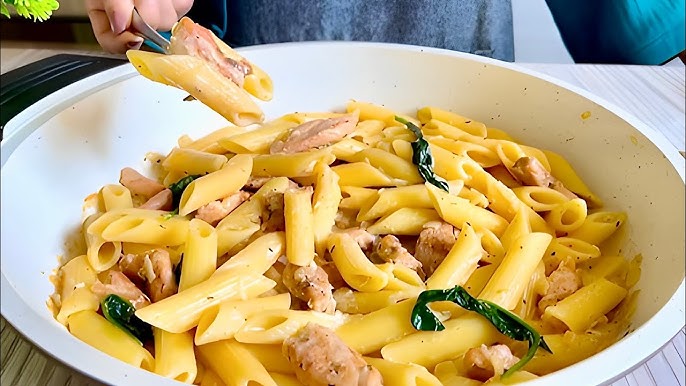
You get tender bites of seasoned chicken, perfectly cooked penne, and a creamy, flavorful sauce that clings to every ridge of the pasta. It is not just food; it is the sort of meal that makes people slow down, grab another forkful, and go quiet for a second because it is just that good.
What Makes This Chicken Penne Pasta Recipe Special
Not all pasta recipes are created equal, and that is exactly where this one stands out. This chicken penne pasta recipe is designed to be easy enough for everyday cooking but flavorful enough to feel polished and professional. The key is the layering of flavors. Instead of tossing plain chicken and pasta together and hoping for the best, this method builds flavor in stages. The chicken is seasoned well before it hits the pan, which gives it a savory, golden crust. The sauce starts with aromatics like garlic and onion, which act as the flavor base. Then cream, cheese, and a little pasta water come together to create a silky texture that coats every piece of penne beautifully.
What also makes this recipe special is the way it focuses on both taste and technique. It is not only about what to add, but when and how to add it. That matters more than many people realize. Overcook the chicken and it turns dry. Boil the pasta too long and it loses its bite. Add the cheese too fast and the sauce can turn grainy. But when each step is handled properly, the final result feels effortless in the best possible way. It is like building a song note by note instead of making noise and hoping it becomes music. This article walks you through the entire process clearly, so by the end, you will not just have a good dinner. You will have a recipe that you can confidently repeat, tweak, and make your own every single time.
Ingredients You’ll Need
Here is the full list of Ingredients You’ll Need for this dish. These amounts serve about 4 people comfortably, though you can easily scale up if you are feeding a larger group or planning leftovers.
Pasta Ingredients
For the pasta portion, you will need:
- 12 ounces penne pasta
- Water for boiling
- 1 tablespoon salt for the pasta water
Penne is ideal because its tube shape and ridged surface hold onto the sauce really well. Every bite becomes more flavorful because the sauce slides into the pasta instead of slipping away. That is one of the small details that makes a big difference. While you could substitute with rigatoni or ziti, penne remains the classic pick for this kind of creamy chicken pasta.
Chicken and Seasoning Ingredients
For the chicken, gather:
- 2 boneless, skinless chicken breasts sliced into bite-sized pieces
- 1 teaspoon salt
- 1/2 teaspoon black pepper
- 1 teaspoon garlic powder
- 1 teaspoon paprika
- 1/2 teaspoon Italian seasoning
- 2 tablespoons olive oil
The seasoning here creates a savory, slightly smoky flavor that keeps the chicken from tasting flat. Paprika adds warmth and color, while garlic powder and Italian seasoning build a classic pasta-friendly profile. The olive oil helps the chicken cook evenly and develop that light golden finish.
Sauce Ingredients
For the sauce, you will need:
- 2 tablespoons butter
- 3 to 4 cloves garlic, minced
- 1 small onion, finely chopped
- 1 cup heavy cream
- 1/2 cup chicken broth
- 1 cup freshly grated Parmesan cheese
- 1/2 teaspoon chili flakes optional
- 1/2 teaspoon dried oregano
- 1/2 teaspoon dried basil
- 1/4 teaspoon black pepper
- Salt to taste
- 1/2 cup reserved pasta water
These ingredients come together to create a creamy, rich, and well-balanced sauce. The chicken broth keeps the cream sauce from feeling too heavy, and the Parmesan adds nuttiness and body. Reserved pasta water is the secret handshake of good pasta cooking. It helps emulsify the sauce, giving it a glossy texture that clings beautifully to the penne.
Optional Add-Ins and Garnishes
To finish the dish or customize it, you can also use:
- 1 cup spinach
- 1/2 cup mushrooms, sliced
- 1/4 cup sun-dried tomatoes, chopped
- Fresh parsley, chopped
- Extra Parmesan cheese
- Fresh basil leaves
These extras are not required, but they can add freshness, color, and extra flavor. Spinach wilts nicely into the sauce, mushrooms bring an earthy depth, and parsley lifts the whole dish with a fresh finish.
Kitchen Tools That Make Cooking Easier
The beauty of this recipe is that it does not demand a kitchen full of gadgets. You only need a few basic tools to make the process smooth and efficient. A large pot is essential for boiling the pasta properly. Pasta needs room to move around as it cooks, and a cramped pot can lead to sticky, unevenly cooked penne. A large skillet or sauté pan is equally important because that is where the chicken gets cooked and the sauce comes together. The wider the surface, the easier it is to brown the chicken without steaming it.
You will also want a colander for draining the pasta, a wooden spoon or spatula for stirring, and a sharp knife with a cutting board for prepping your chicken, onion, garlic, and any optional vegetables. Measuring cups and spoons help you keep the balance right, especially with the cream, broth, and seasonings. It may seem basic, but a fine grater for Parmesan can really improve the final texture if you are using a block of cheese. Pre-shredded cheese often contains anti-caking agents that can affect how smoothly it melts into the sauce. In a way, these tools are like backstage crew in a show. They do not get the spotlight, but they make everything work better. When your tools are ready before you begin, the whole recipe feels more organized, and that usually means the food turns out better too.
How to Choose the Best Ingredients
Good pasta dishes are not just about technique. They also depend on ingredient quality. That does not mean everything has to be expensive or gourmet, but it does mean paying attention to freshness, texture, and flavor. The chicken should be fresh and firm, not slimy or dull-looking. The pasta should be from a reliable brand that holds its shape during cooking. The cheese should taste rich and salty rather than chalky or bland. Each ingredient acts like one instrument in a band. If one is badly out of tune, the whole performance suffers.
Choosing the best ingredients also helps you avoid common cooking disappointments. Dry chicken, watery sauce, or bland results often start with ingredient issues, not just mistakes at the stove. Fresh garlic brings a stronger and sweeter depth than jarred garlic. A wedge of Parmesan melts better and tastes sharper than heavily processed alternatives. Heavy cream gives the sauce body in a way that low-fat substitutes often cannot match. That said, you do not need to overcomplicate this. Think of it as choosing the best version of everyday basics. The better your starting point, the less work you need to do later to make the dish shine.
Picking the Right Chicken
For this recipe, boneless, skinless chicken breasts are a popular choice because they cook quickly and slice neatly into bite-sized pieces. They also absorb seasoning well, which is helpful when you want the chicken to carry flavor instead of just acting like plain protein. That said, chicken thighs are another excellent option if you prefer a juicier texture and slightly richer taste. Thigh meat is more forgiving, especially if you tend to cook things a little longer than planned.
When selecting chicken, look for pieces that are pink, moist, and fresh-smelling. Avoid anything with a gray tint or too much liquid in the package. Uniform pieces also help with even cooking. If the chicken chunks are all wildly different sizes, some will dry out before others are fully cooked. That is why taking a minute to cut the chicken into similar pieces matters more than it might seem. It is one of those quiet little steps that can completely change the final result.
Choosing the Best Penne Pasta
Penne is the backbone of this recipe, so it deserves some attention. A good-quality penne pasta should hold its shape, cook evenly, and stay slightly firm when boiled al dente. That bite matters. Creamy sauces work best with pasta that still has structure, because mushy noodles can make the whole dish feel heavy and one-dimensional. Penne rigate, which has ridges, is even better because those grooves hold sauce like tiny flavor pockets.
You do not need artisan pasta for a good result, but choosing a trusted brand helps. Check the package directions for timing, but always test the pasta a minute before the full suggested time. Pasta is a little sneaky. It can go from perfect to overcooked quickly. Pulling it while it still has a slight bite is the smart move, especially since it will continue to cook a little when mixed into the hot sauce later.
Fresh vs. Dried Herbs and Cheese
Herbs and cheese might seem like supporting players, but they can quietly define the whole dish. Dried oregano and dried basil work well in the sauce because they release flavor slowly and blend into the creamy base. Fresh herbs, especially parsley or basil, are best used at the end to brighten the finished pasta. It is the difference between deep background flavor and that final pop that wakes everything up.
The cheese choice is even more important. Freshly grated Parmesan cheese melts more smoothly and tastes far better than the pre-grated versions in shaker containers. It gives the sauce a richer, more natural flavor and helps create that velvety finish people love. Cheese is not just there for saltiness. It adds body, complexity, and that savory edge that makes creamy pasta so satisfying. Using good Parmesan is like putting proper fuel in a car. Everything runs better.
Step-by-Step Guide for Chicken Penne Pasta
Step 1: Prepare the Ingredients
Start by gathering and preparing everything before cooking. Cut the chicken into bite-sized pieces, mince the garlic, and measure out the cream, cheese, or tomato sauce depending on your recipe style. Having the ingredients ready makes the cooking process smoother and faster.
Step 2: Cook the Penne Pasta
Bring a large pot of salted water to a boil and cook the penne pasta according to the package instructions until al dente. Stir occasionally so it does not stick together. Drain the pasta and set it aside, reserving a little pasta water in case you need to loosen the sauce later.
Step 3: Season and Cook the Chicken
Season the chicken with salt, black pepper, garlic powder, paprika, or Italian seasoning. Heat oil in a skillet over medium heat and cook the chicken until golden on the outside and fully cooked inside. Remove it from the pan and set aside once done.
Step 4: Build the Sauce
In the same skillet, add a little more oil or butter if needed, then sauté the garlic until fragrant. Pour in your sauce ingredients, such as cream, tomato sauce, broth, or cheese, and stir well. Let the sauce simmer gently until it thickens slightly and becomes rich and smooth.
Step 5: Combine Pasta, Chicken, and Sauce
Return the cooked chicken to the skillet and add the drained penne pasta. Toss everything together until the pasta is well coated in the sauce. Add a splash of reserved pasta water if the mixture seems too thick.
Step 6: Garnish and Serve
Finish with grated Parmesan, chopped parsley, or a little black pepper for extra flavor. Serve the chicken penne pasta hot as a satisfying and delicious meal.
Common Mistakes to Avoid
Even a simple pasta dish can go sideways when a few small things are overlooked. One of the most common mistakes is overcooking the pasta. Penne should have a little firmness when drained because it continues to cook slightly in the sauce. If it is already too soft when it comes out of the pot, it can turn mushy by the time dinner is served. Another common issue is overcooking the chicken. Chicken breast cooks fast, and leaving it in the pan too long can make it dry and chewy. That is why browning it just until done, then removing it from the skillet, works so well.
Another mistake is rushing the sauce. High heat can cause cream to separate or cheese to clump instead of melt smoothly. That is why medium to low heat is your friend here. Adding Parmesan gradually while stirring also helps create a better texture. People sometimes forget to save pasta water, but that small step can rescue a sauce that feels too thick or heavy. It acts like a built-in fixer. Finally, under-seasoning is a quiet problem that can make the whole dish taste flat. Creamy sauces especially need enough salt, pepper, and cheese to stay lively. When you avoid these mistakes, the recipe becomes far more reliable, and the final bowl tastes balanced instead of bland or heavy.
Tasty Variations to Try
One reason this chicken penne pasta recipe stays popular is how easy it is to customize. You can shift the flavor in different directions without losing the comforting base that makes the dish work so well. For a vegetable-packed version, add spinach, broccoli, peas, or roasted red peppers. These additions bring color and freshness while making the meal feel even more complete. Mushrooms are especially good if you want a deeper, earthy flavor that pairs naturally with creamy sauce.
You can also change the flavor profile by adjusting the sauce. Add Cajun seasoning for a bolder, slightly spicy twist. Stir in pesto for an herby, vibrant variation. Mix in sun-dried tomatoes for a sweet-tangy contrast that gives the dish a more restaurant-style feel. If you want a tomato-cream version, add a few spoonfuls of tomato paste or a splash of passata to the sauce. Even the protein can change. Shrimp, turkey, or sliced sausage can work in place of chicken. This recipe is like a strong foundation in a house. Once it is built well, you can decorate it in different ways depending on your mood, pantry, or dinner crowd.
Serving Suggestions for Chicken Penne Pasta
This dish is satisfying on its own, but the right side pairing can turn it into a more rounded meal. A simple green salad with a light vinaigrette works beautifully because it cuts through the richness of the creamy sauce. Garlic bread is another classic choice, and honestly, it makes perfect sense. A warm slice of buttery bread is ideal for scooping up any extra sauce left on the plate. Roasted vegetables like asparagus, zucchini, or green beans also work well if you want something a little lighter and more balanced.
For drinks, chilled sparkling water with lemon keeps things fresh, while iced tea can also pair nicely for a casual dinner. If you are serving guests, plating the pasta with a sprinkle of parsley and extra Parmesan helps it look polished without much effort. It is one of those meals that can shift depending on the setting. On a weeknight, it is comfort food in a bowl. At a dinner gathering, it can feel unexpectedly elegant. That is part of its charm. It does not ask for much, but it always seems to deliver more than expected.
How to Store and Reheat Leftovers
Leftovers of chicken penne pasta can be excellent when stored properly. Let the pasta cool slightly before transferring it into an airtight container. It should be refrigerated and eaten within 3 to 4 days for the best taste and texture. Because the sauce is cream-based, it tends to thicken in the fridge, which is normal. The pasta will absorb some of the moisture over time, so reheating needs a little care.
The best way to reheat it is on the stovetop over low heat with a splash of milk, cream, chicken broth, or water. Stir gently until the sauce loosens and turns creamy again. You can also use the microwave, but do it in short intervals and stir between each one so the sauce heats evenly. High heat can make the chicken tough and the sauce separate, so gentle reheating is the smarter move. Stored the right way, leftovers still make a really satisfying lunch or next-day dinner. In fact, some people think the flavors settle in even more overnight, which is not a bad bonus at all.
FAQs about Chicken Penne Pasta Recipe
1. What is chicken penne pasta?
Chicken penne pasta is a comforting dish made with penne pasta, cooked chicken, and a flavorful sauce. The sauce can be creamy, cheesy, tomato-based, or a mix of both depending on the recipe.
2. What type of chicken works best?
Boneless chicken breast and chicken thighs both work well. Chicken breast is leaner, while chicken thighs are usually juicier and more flavorful.
3. Can I use another type of pasta?
Yes, you can replace penne with rigatoni, fusilli, farfalle, or even spaghetti. Penne is popular because its shape holds the sauce well.
4. What sauce goes best with chicken penne pasta?
Creamy Alfredo-style sauce, tomato sauce, garlic butter sauce, or a creamy tomato sauce all pair very well with chicken penne pasta.
5. How do I keep the pasta from becoming too dry?
Reserve a little pasta water before draining and add it to the sauce if needed. This helps loosen the sauce and keeps the pasta silky.
6. Can I add vegetables?
Yes, vegetables like mushrooms, spinach, broccoli, bell peppers, and peas work very well in chicken penne pasta.
7. Can I make it ahead of time?
Yes, you can prepare it ahead and store it in the refrigerator. Reheat gently with a splash of water, broth, or milk to refresh the sauce.
8. How do I store leftovers?
Store leftovers in an airtight container in the refrigerator for up to 3 days.
9. Can I freeze chicken penne pasta?
Yes, you can freeze it, especially if the sauce is tomato-based. Cream-based sauces may change slightly in texture after thawing, but they can still be reheated and enjoyed.
Conclusion
A well-made chicken penne pasta recipe does not need to be complicated to feel impressive. With the right ingredients, a clear process, and a little attention to detail, you can create a dish that tastes rich, comforting, and genuinely satisfying. The beauty of this recipe lies in how approachable it is. It uses simple ingredients, familiar flavors, and practical cooking steps, but the final result feels like something much more special than the effort suggests.
Whether you are cooking for family, guests, or just yourself after a long day, this pasta delivers on flavor, texture, and comfort. The creamy sauce, seasoned chicken, and perfectly cooked penne come together in a way that feels timeless. It is the kind of recipe that quickly becomes part of your regular rotation because it is reliable, flexible, and consistently delicious. Once you make it a couple of times, it starts to feel less like following instructions and more like cooking with confidence. That is when a recipe really earns its place in your kitchen.