Chicken Mole Recipe: Chicken mole is one of those dishes that feels like it belongs at the center of the table, surrounded by warm tortillas, fluffy rice, and people who are already asking for seconds before dinner officially starts.
It is a classic Mexican dish made by simmering chicken in a deeply flavored mole sauce, a rich blend that often includes dried chiles, tomatoes, spices, nuts or seeds, and a small amount of chocolate to create depth rather than sweetness.
If you have never made mole at home, it can sound a little mysterious at first. Chocolate in a savory sauce? Dried chiles blended with cinnamon and sesame? It sounds unusual until you taste it. Then it suddenly makes perfect sense.
This guide keeps things approachable while still honoring the heart of the dish. You are not going to need a professional kitchen or a mile-long list of impossible-to-find ingredients. You just need a little patience, a blender, and a willingness to let the sauce develop slowly. Once you see how the steps come together, making mole stops feeling complicated and starts feeling satisfying.
Why This Dish Stands Out
There are plenty of chicken recipes in the world, but chicken mole plays in a completely different league. Roasted chicken is dependable, grilled chicken is easy, and fried chicken is pure comfort, but chicken mole has personality. It brings layers of flavor that feel almost architectural, like each ingredient is a brick building the finished sauce into something sturdy, bold, and unforgettable. It is the kind of meal that makes a regular evening feel a little more special, even if you are eating it in sweatpants at the kitchen table.
Part of what makes it stand out is the contrast. You get tender chicken paired with a velvety sauce that is smoky from dried chiles, warm from spices, and rounded out by ingredients like nuts, seeds, tortillas, or bread. Then comes the chocolate, not as dessert energy, but as a quiet background note that deepens everything. Think of it like adding bass to a song. You may not always notice it on its own, but you would definitely miss it if it were gone.
Another reason this dish shines is that it tastes like it took all day, even when you streamline the process a bit. It carries that slow-cooked, layered flavor people usually associate with recipes passed down through generations. That gives it a kind of emotional weight. It feels thoughtful. It feels generous. It feels like the cook cared enough to build something real instead of taking the fast lane. And honestly, in a world full of rushed dinners, that matters.
A Quick Look at Mole’s Flavor Profile
The flavor of mole sauce is hard to compare to just one thing because it is naturally complex. The first thing you notice is the deep savoriness, followed by the warmth of spices and the smoky character of dried chiles. After that, the subtler notes start creeping in. You may pick up a mild sweetness from raisins or chocolate, nuttiness from sesame or peanuts, and a soft tang from tomatoes and onions. It is not a flat sauce. It shifts as you eat it, and that is exactly what makes it so satisfying.
One common misconception is that mole should taste strongly like chocolate. In reality, the chocolate usually acts more like a background player. It smooths out bitterness, rounds off the sauce, and helps create that signature dark, luxurious finish. You are not making chocolate chicken. You are making a savory chile sauce with remarkable depth, and the chocolate is there to support the bigger picture. It is like a secret ingredient that works best when nobody can point directly at it.
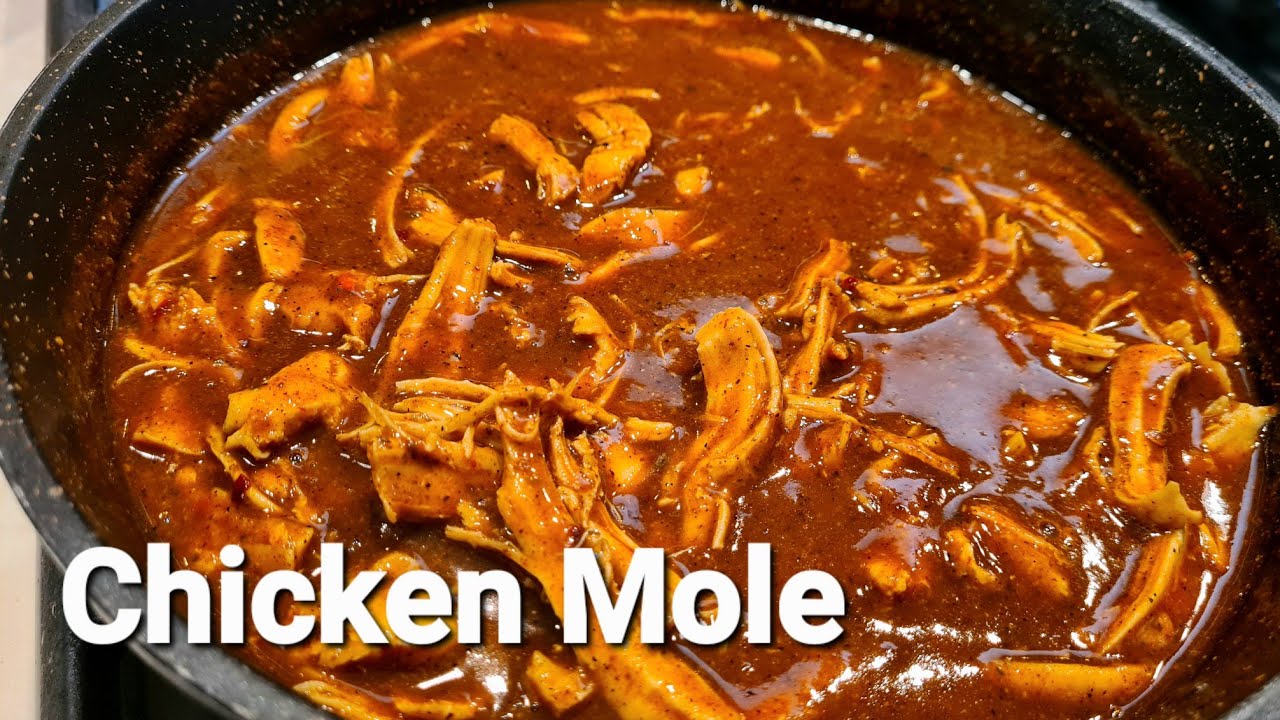
Texture matters too. A great mole should be thick enough to coat the chicken beautifully without turning into paste. It should feel silky, rich, and substantial. When done right, every spoonful clings to the meat and settles over rice like it was meant to be there all along. That balance of flavor and texture is what gives mole its almost legendary reputation. Once you understand that, the recipe stops being intimidating and starts sounding irresistible.
Why You’ll Love This Chicken Mole Recipe
This version of chicken mole is designed for home cooks who want big flavor without getting lost in unnecessary complication. It keeps the soul of the dish intact while making the method clear and manageable. You still toast the chiles, sauté the aromatics, blend the sauce, and let everything simmer together until it turns glossy and rich. But you are not juggling a hundred tiny steps that make you wonder whether dinner will be ready before midnight. The process is practical, and the result still feels special enough to serve to guests.
Another reason to love this recipe is how adaptable it is. You can make it for a weekend dinner, a family gathering, or meal prep if you want leftovers that actually get better the next day. Mole has that rare quality of improving after a little rest, as the flavors settle into each other. That means your effort keeps paying off long after the first plate is served. It is the opposite of a meal that peaks the second it leaves the stove and fades fast.
There is also something deeply rewarding about making a sauce from scratch that tastes restaurant-worthy. It is easy to rely on jarred sauces when life gets busy, and there is no shame in convenience. But when you build a sauce like this yourself, you control the salt, spice, sweetness, and thickness. You can nudge it exactly where you want it. That makes the final dish feel personal, not generic. And once you realize you can create this kind of depth in your own kitchen, it opens the door to a lot more confidence in cooking overall.
Perfect for Family Dinners and Special Occasions
Some meals are easy but forgettable. Others are delicious but too fussy for real life. Chicken mole sits in a sweet spot between those two extremes. It is hearty enough for a family dinner and elegant enough for holidays, birthdays, or dinner parties. That flexibility is one of its biggest strengths. You can serve it on an ordinary weeknight and make dinner feel warm and meaningful, or you can bring it out for guests and watch them immediately assume you know exactly what you are doing in the kitchen.
The reason it works so well for gatherings is that it feels generous. The sauce is rich and abundant, the chicken is tender, and the dish pairs easily with crowd-friendly sides like rice, beans, tortillas, and roasted vegetables. It is not precious food. It is welcoming food. That matters when you are feeding several people and want something that lands with comfort instead of stress. Mole creates that kind of table, the one where people linger a little longer because the meal feels worth slowing down for.
It also solves a practical problem. Some impressive dishes require minute-by-minute attention right before serving, which can turn hosting into chaos. Mole is kinder than that. You can make much of it ahead, let it rest, and reheat gently when needed. In fact, it often tastes even better after the flavors have had time to settle. That means less frantic stovetop drama and more time actually enjoying the people you cooked for.
Rich Flavor Without Restaurant Prices
Ordering chicken mole at a good restaurant can be wonderful, but it can also get expensive fast, especially if you are feeding more than two people. Making it at home gives you that same luxurious, layered experience for a fraction of the cost. You buy a handful of pantry ingredients, some dried chiles, chicken, and a little chocolate, and suddenly you have a dish that tastes far more expensive than what went into it. That is always a satisfying kitchen win.
There is another advantage too: portion control and leftovers. Restaurant servings are fixed, and once the meal is done, that is it. At home, you can make a generous batch and enjoy it again the next day. Because mole holds up so well, leftovers are not a compromise. They are practically a bonus. The sauce thickens slightly, the flavors deepen, and lunch the next day can feel like a reward instead of an afterthought.
Home cooking also lets you shape the flavor profile in ways a restaurant cannot. Want it a little smokier? Add another toasted chile. Prefer a gentler spice level? Reduce the hotter peppers and lean into the ancho chiles instead. Want a silkier sauce? Blend a little longer and strain it if needed. Those small decisions add up. Instead of paying for someone else’s version of the dish, you build one that actually tastes like your ideal plate of chicken mole.
Ingredients You’ll Need
Below is the full list, clearly broken down so you can shop and prep without confusion. Having everything ready before you start makes a huge difference, because once the cooking begins, the recipe moves more smoothly when your chiles are cleaned, your onions are chopped, and your spices are within reach.
Main Ingredients for the Chicken
For the chicken portion of the recipe, you want pieces that stay tender and flavorful during simmering. Bone-in, skin-on chicken thighs or drumsticks work beautifully because they hold up well and add richness to the sauce. Boneless chicken can work too, but bone-in pieces tend to give you more flavor and a more traditional feel. You will also need salt, black pepper, and a little oil for browning.
Ingredients for the chicken:
- 2 1/2 to 3 pounds chicken thighs or drumsticks
- 1 1/2 teaspoons salt
- 1/2 teaspoon black pepper
- 2 tablespoons vegetable oil
- 2 cups chicken broth (more as needed)
The chicken does not need a complicated marinade because the mole will do the heavy lifting later. A simple seasoning of salt and pepper is enough to get things started. Browning the chicken first is not just about color either. Those browned bits left in the pan become part of the sauce’s foundation, adding another layer of savory depth. It is a small move with a big payoff.
Ingredients for the Mole Sauce
This is where the recipe gets its signature character. The dried chiles are the backbone, while the onion, garlic, tomatoes, spices, sesame, peanuts, and chocolate create the rich complexity people expect from a good mole sauce. The tortilla or bread helps thicken the sauce and gives it body.
Ingredients for the mole sauce:
- 3 dried ancho chiles, stemmed and seeded
- 2 dried pasilla chiles, stemmed and seeded
- 1 dried guajillo chile, stemmed and seeded
- 1 small onion, chopped
- 3 cloves garlic
- 2 Roma tomatoes, chopped
- 1 small corn tortilla or 1 slice stale bread
- 1/4 cup peanuts or almonds
- 2 tablespoons sesame seeds
- 1/4 teaspoon ground cinnamon
- 1/4 teaspoon ground cumin
- 2 whole cloves
- 1 tablespoon raisins
- 1 ounce dark chocolate or Mexican chocolate
- 2 to 3 cups chicken broth
- 1 tablespoon brown sugar (optional)
- Salt to taste
These ingredients work together like a layered orchestra. The ancho chiles bring mild sweetness and depth, pasilla adds earthiness, and guajillo contributes brightness and color. The nuts and sesame create body, while the chocolate pulls everything together at the end. It is complex, yes, but not chaotic. Every ingredient is there for a reason.
Optional Garnishes and Serving Additions
A few finishing touches can make your chicken mole look and taste even better. Garnishes are not essential, but they bring contrast and texture that brighten the final plate.
Optional garnishes and sides:
- Toasted sesame seeds
- Chopped fresh cilantro
- Sliced onions
- Warm corn tortillas
- Mexican rice
- Refried or black beans
- Lime wedges
A sprinkle of sesame seeds on top gives the dish that classic finished look. Warm tortillas help scoop up the sauce, and rice is perfect for catching every last bit of mole. It is one of those meals where the sauce is so good you will not want to leave any behind.
Kitchen Tools That Make the Process Easier
Making chicken mole does not require fancy equipment, but a few basic tools make the process smoother and help you get better texture and flavor. A large skillet or Dutch oven is ideal because you can brown the chicken, sauté the sauce base, and simmer everything in one place. That means fewer dishes and less flavor lost along the way. A blender is just as important, since mole depends on being transformed from separate cooked ingredients into one smooth, unified sauce.
You will also want a pair of kitchen tongs for turning the chicken, a cutting board, a sharp knife, and a small dry skillet or pan for toasting the chiles and sesame seeds. Toasting may seem like a small step, but it makes a huge difference. It wakes up the chiles and deepens the nuttiness of the seeds, which gives the finished sauce much more character. A fine mesh strainer can be useful too if you want an extra-silky sauce, though it is optional if your blender is strong enough.
The best part is that once your tools are set up, the recipe becomes much less intimidating. You are not wrestling with technique so much as moving from one clear stage to the next. That shift matters. Mole has a reputation for being difficult, but when your equipment is ready and your ingredients are prepped, it starts to feel like a sequence instead of a puzzle. And that is exactly how a good home recipe should work.
Helpful Equipment for Best Results
A high-speed blender is probably the single most helpful tool in this recipe because it determines how smooth and cohesive your sauce becomes. If the sauce is grainy, the flavors can still be good, but the texture will not have that velvety, restaurant-style finish. If your blender is average rather than powerful, do not panic. Blend a little longer and add broth gradually until the mixture moves easily. Then strain it if needed.
A Dutch oven or heavy-bottomed pot also deserves a little love here. Mole benefits from steady heat, and thin pans can cause scorching, especially once the sauce thickens. A heavy pot gives you more control and helps the sauce reduce slowly without catching on the bottom too fast. That is useful because mole needs gentle attention, not a battle with burnt edges.
Another underrated tool is simple mise en place, which is really just a fancy way of saying get everything ready before you start cooking. Set out your cleaned chiles, chopped vegetables, spices, and measured broth. Once the process begins, especially during the toasting and sautéing stages, things move quickly. Having everything ready keeps the cooking calm and prevents those frantic moments where garlic burns because you were busy searching for the cinnamon.
Step-by-Step Guide to Making Chicken Mole
Below, each step is laid out clearly so you can move through the recipe with confidence.
Step 1 – Prepare and Season the Chicken
Pat the chicken pieces dry and season them with salt and black pepper. You can use thighs, drumsticks, or breast pieces depending on your preference. Lightly brown the chicken in a little oil first if you want extra flavor, then set it aside while you prepare the sauce.
Step 2 – Toast the Chiles and Aromatics
Heat a dry skillet over medium heat and toast the dried chiles briefly until fragrant, being careful not to burn them. Toast the garlic, onion, nuts or seeds, and spices as well to deepen their flavor. If needed, soak the chiles in warm water for a few minutes to soften them before blending.
Step 3 – Blend the Mole Sauce
Place the softened chiles, toasted aromatics, tomatoes, broth, and a small amount of chocolate or cocoa into a blender. Blend until very smooth, adding a little more broth if needed to help it move easily. The sauce should be rich, dark, and full of layered flavor.
Step 4 – Simmer the Sauce Until Deep and Thick
Pour the blended mole sauce into a large pan or pot and cook it over low to medium heat. Stir often so it does not stick. Let it simmer until it thickens slightly and the flavors become deeper and more balanced. Taste and adjust the seasoning if needed.
Step 5 – Cook the Chicken in the Mole
Return the chicken to the pot and spoon the sauce over it. Cover and simmer gently until the chicken is fully cooked and tender, allowing it to absorb the flavor of the mole. Serve hot with rice, tortillas, or sesame seeds sprinkled on top.
Tips for the Best Chicken Mole Every Time
The biggest secret to great chicken mole is not a rare ingredient or a trick known only to restaurant chefs. It is balance. You want the chiles toasted but not burnt, the sauce thick but not stiff, the chocolate present but not obvious, and the seasoning bold without becoming heavy. That balance comes from tasting at each stage and making small adjustments instead of waiting until the end and hoping everything magically lines up.
Another smart move is using broth carefully. Too little and the sauce turns pasty; too much and it loses body. Add broth gradually while blending and simmering so you can control the texture rather than chase it afterward. Also, do not underestimate the value of resting time. Mole often tastes even better after sitting for a few hours or overnight, because the flavors settle and deepen. It is one of those dishes that rewards patience long after the cooking is done.
Lastly, trust your senses. If the chiles smell sharp and burnt, start over with that step. If the sauce tastes flat, it may need salt more than anything else. If it tastes a little harsh, more simmering may solve the problem. Mole is rich and nuanced, but it is still cooking, not chemistry class. Paying attention will take you farther than blindly following a timer.
Common Mistakes to Avoid
One common mistake is burning the chiles during toasting. They only need a few seconds on each side. Any longer and they can become bitter fast, which affects the whole sauce. Another mistake is under-seasoning. Because mole has so many ingredients, some cooks get shy about salt, but without enough seasoning the flavors never fully open up.
A third issue is skipping the simmering time. The blended sauce may look finished, but it still needs time on the stove to mellow and deepen. Raw onion, garlic, and chile notes soften during simmering, and that is what creates the sauce’s signature harmony. Rushing this part can leave the mole tasting disjointed.
Finally, some people add too much chocolate thinking it will make the sauce more authentic or richer. Usually it just makes it sweeter and muddies the chile flavor. Mole should taste dark and layered, not like dessert in disguise. A little chocolate goes a long way.
What to Serve with Chicken Mole
A rich dish like chicken mole really shines when it is paired with sides that give it contrast and support. Mexican rice is one of the best options because it soaks up the sauce without competing with it. The same goes for warm corn tortillas, which are ideal for scooping up every extra bit of mole left on the plate. Black beans or refried beans also work beautifully, adding creaminess and making the meal feel complete without overwhelming the main dish.
You can also brighten the plate with simple toppings or sides. A few slices of onion, chopped cilantro, or a wedge of lime add freshness that cuts through the richness. Some people like serving mole with roasted vegetables or a crisp salad on the side for a little contrast. That works especially well if you are serving the dish as part of a larger spread. The mole is intense in the best possible way, so a fresh element keeps the plate from feeling too heavy.
Presentation helps too. Spoon the sauce generously over the chicken, then scatter a few toasted sesame seeds on top for texture and that classic look. It is a small detail, but it makes the dish feel polished and intentional, like something you would be happy to bring to the table for company.
Best Side Dishes and Pairings
Here is a quick comparison of the best sides for chicken mole:
| Side Dish | Why It Works |
|---|---|
| Mexican rice | Absorbs the sauce and balances the richness |
| Corn tortillas | Perfect for scooping and wrapping bites |
| Black beans | Add creamy texture and earthy flavor |
| Refried beans | Make the meal heartier and more comforting |
| Roasted vegetables | Add color and a lighter contrast |
| Simple salad | Brings freshness and acidity to the plate |
The best pairing often depends on the mood of the meal. For a cozy dinner, rice and beans are hard to beat. For a more festive spread, add tortillas, salad, and a garnish tray so everyone can build their plate the way they like. Mole is flexible that way. It holds the spotlight but still plays nicely with whatever supports it.
How to Store and Reheat Leftovers
One of the best things about chicken mole is that leftovers are excellent. Let the dish cool, then store it in an airtight container in the refrigerator for up to 4 days. Keep the chicken covered in sauce so it stays moist and flavorful. The mole will thicken as it chills, which is completely normal. In fact, that deeper texture often makes the leftovers taste even more luxurious.
To reheat, place the chicken and sauce in a covered skillet or saucepan over low heat. Add a splash of chicken broth or water to loosen the sauce, then warm gently until heated through. Stir occasionally so the sauce does not stick. Microwaving works too, but stovetop reheating gives you more control and helps preserve the texture better. If you are reheating a larger portion, low and slow is the way to go.
You can also freeze chicken mole for longer storage. Place cooled portions in freezer-safe containers and freeze for up to 3 months. Thaw overnight in the refrigerator before reheating. That makes this recipe especially useful for meal prep or batch cooking. Few dishes taste this good on day two, and even fewer still feel special after freezing and reheating. Mole manages both.
FAQs about Chicken Mole Recipe
1. What is chicken mole?
Chicken mole is a traditional dish made with chicken cooked in a rich, complex sauce called mole. The sauce often includes dried chiles, spices, tomatoes, nuts or seeds, and a little chocolate for depth.
2. Does chicken mole taste like chocolate?
Not usually. The chocolate in mole adds richness and balance rather than a strong sweet flavor. The sauce is more savory, earthy, and slightly smoky than sweet.
3. What type of chicken works best for chicken mole?
Chicken thighs, drumsticks, or bone-in pieces work very well because they stay tender during simmering. Chicken breast can also be used, but it may cook faster and be less juicy.
4. Do I have to use dried chiles?
Dried chiles are highly recommended because they give mole its deep, authentic flavor. Without them, the sauce will not have the same richness.
5. Is chicken mole spicy?
It can be mildly spicy or more intense depending on the types and amount of chiles used. The heat level can be adjusted to suit your taste.
6. What can I serve with chicken mole?
Chicken mole is commonly served with rice, warm tortillas, beans, or roasted vegetables. Sesame seeds are often sprinkled on top for garnish.
7. Can I make the mole sauce ahead of time?
Yes, mole sauce can be made in advance and stored in the refrigerator. In fact, the flavor often improves after resting.
8. How do I store leftovers?
Store leftover chicken mole in an airtight container in the refrigerator for up to 3 days. Reheat gently on the stove or in the microwave.
Conclusion
What makes this recipe especially worthwhile is that it brings restaurant-level flavor into a home kitchen without making the process feel impossible. You do not need a special occasion to make it, but it certainly tastes like a dish worthy of one. Whether you serve it for a family dinner, a weekend gathering, or simply because you want to cook something memorable, this step-by-step method gives you a reliable path to a deeply satisfying meal.
Once you make it, you will understand why chicken mole inspires so much loyalty. It is warm, bold, layered, and comforting all at once. And perhaps the best part is that every time you make it, you can shape it a little more toward your own taste. That is the kind of recipe worth keeping.