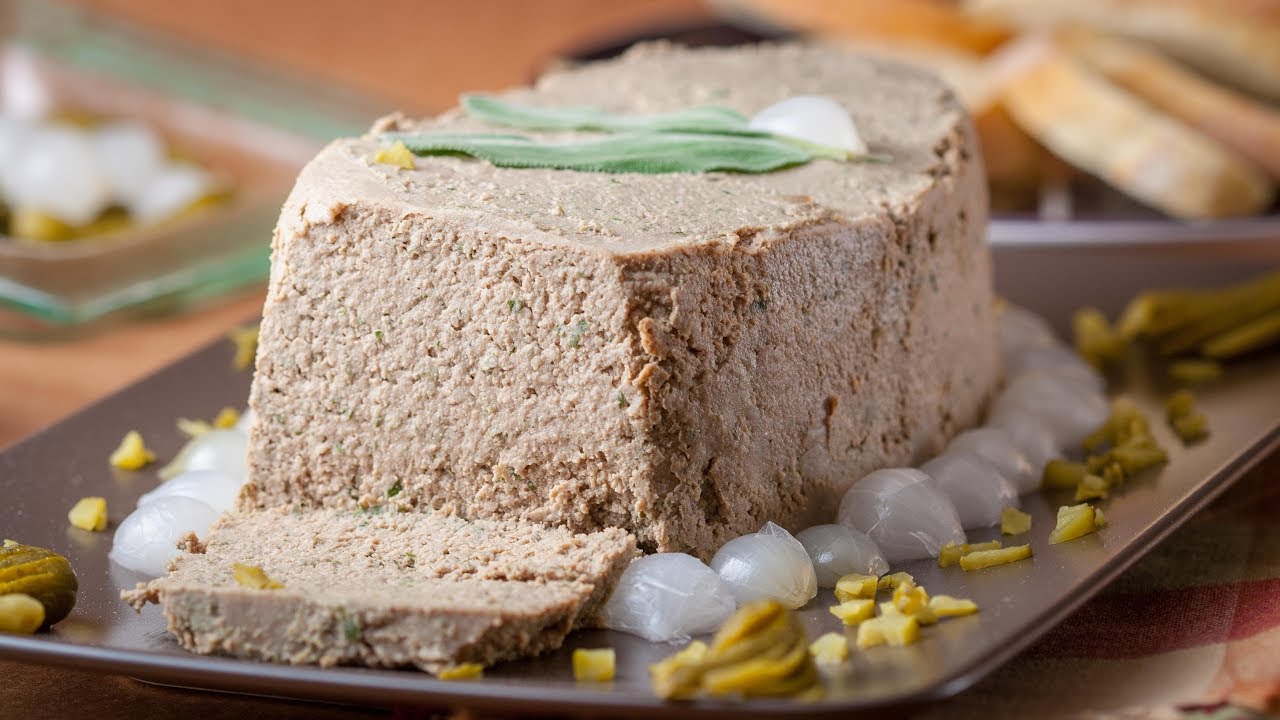
Chicken Liver Pâté Recipe: Chicken liver pâté is one of those dishes that can instantly make any occasion feel special. Silky, rich, and bursting with flavor, it’s a spread that has been gracing European tables for centuries. Whether served on warm crusty bread, buttery crackers, or alongside a vibrant salad, pâté transforms a simple snack into a luxurious treat. While it might sound fancy and intimidating, making it at home is surprisingly straightforward — and far more rewarding than buying it from the store.
The beauty of homemade pâté lies in your ability to control every aspect — from the seasoning to the texture. You can make it as smooth as silk or keep it a little rustic. Plus, it’s far more cost-effective than buying pre-made gourmet pâté, which can often come with a hefty price tag. With a few simple ingredients and some basic kitchen tools, you can whip up a pâté that’s fresh, flavorful, and customized exactly to your taste.
In this guide, we’ll walk through everything: the ingredients you’ll need, the step-by-step cooking process, storage tips, flavor variations, and serving ideas. By the time you’re done, you’ll not only have a beautiful homemade pâté but also the confidence to make it again and again for friends, family, or just yourself when you’re feeling indulgent.
What is Chicken Liver Pâté?
At its core, chicken liver pâté is a smooth, creamy spread made from chicken livers that are cooked gently, seasoned well, and blended with butter, cream, or other flavorings. The word “pâté” comes from the French word for “paste,” which perfectly describes its consistency. While there are many types of pâté made from different meats (pork, duck, beef, even vegetarian versions), chicken liver pâté stands out for its mild yet distinct flavor, making it a great starting point for beginners.
Unlike some other spreads, pâté isn’t just about taste — it’s about texture. A well-made pâté should glide onto bread like soft butter, leaving behind a rich, savory depth that lingers on your palate. It can be served as part of a charcuterie board, as an appetizer before a meal, or even as the star of a light lunch.
History and Origin of Pâté
Pâté has deep roots in French cuisine, but its origins go back even further. Ancient Romans were known to enjoy minced liver preparations, and over the centuries, the technique evolved into the more refined pâtés we know today. In France, pâté became a culinary staple, often served during celebrations and feasts. Traditionally, it was a way to use every part of the animal, ensuring nothing went to waste.
While pâté may have been considered a delicacy in aristocratic circles, it was also common in rural households. Farmers would make their own versions using fresh liver from recently slaughtered chickens or ducks, seasoning it with herbs, spices, and whatever else was available. Today, chicken liver pâté is enjoyed worldwide, often adapted to local flavors — from adding chili in Southeast Asia to using whiskey in Ireland.
Why Make Your Own at Home?
Making chicken liver pâté at home has three main advantages:
- Freshness – Store-bought pâté can contain preservatives, stabilizers, and excess salt. Homemade means you know exactly what’s in it.
- Customization – You can play with flavors — adding garlic, herbs, spices, or even a splash of your favorite liquor.
- Economy – Chicken livers are inexpensive, yet when turned into pâté, they taste like a gourmet treat worth far more than their humble price.
If you’ve never tried making pâté yourself, you might be surprised by how quick it is. From start to finish, you can have a batch ready in under an hour — perfect for last-minute guests or a spontaneous indulgence.
Health Benefits of Chicken Liver
Some people shy away from liver because of its strong reputation, but the truth is, chicken liver is a nutritional powerhouse. Packed with protein, vitamins, and minerals, it offers benefits that go far beyond its rich taste.
Nutritional Value of Chicken Liver
Chicken liver is loaded with essential nutrients like vitamin A, vitamin B12, folate, and iron. In fact, just a small serving can meet — or even exceed — your daily requirements for many of these nutrients. Vitamin A supports eye health, B12 keeps your nervous system in check, and iron boosts red blood cell production.
What’s more, chicken liver is relatively low in calories compared to other rich foods. A 100-gram serving provides roughly 165 calories but packs in around 25 grams of protein. This makes it an excellent choice for those following high-protein diets, especially when paired with fresh vegetables and whole-grain bread.
Protein and Iron Boost
One of the biggest draws of chicken liver is its iron content. Iron is crucial for oxygen transport in the blood, and deficiencies can lead to fatigue, weakness, and poor concentration. Chicken liver contains heme iron, which is more easily absorbed by the body than plant-based iron sources. This makes it an especially valuable food for people prone to anemia.
On top of that, the high-quality protein in chicken liver helps with muscle repair, immune system support, and overall body function. If you’re someone who works out regularly or is recovering from illness, incorporating a nutrient-dense food like pâté into your diet can be a delicious way to boost recovery.
Is Pâté Healthy? Myths vs. Facts
There’s a common belief that pâté is “unhealthy” because it’s rich in fat and cholesterol. While it’s true that pâté should be enjoyed in moderation, it’s not the villain it’s sometimes made out to be. The fats in pâté contribute to satiety and flavor, and when combined with nutrient-rich chicken liver, you’re getting a balanced indulgence.
Moderation is key — enjoying pâté as part of a balanced diet allows you to reap the nutritional benefits of chicken liver without going overboard. And remember: homemade pâté gives you the power to control the fat and salt content, making it a healthier choice than most store-bought versions.
Ingredients You’ll Need
Like any great dish, chicken liver pâté starts with quality ingredients. The better your components, the richer and smoother your final result will be.
Main Ingredients for the Perfect Pâté
Here’s what you’ll need for a classic, French-style chicken liver pâté:
- Chicken livers – Fresh is best, but frozen works if thawed properly.
- Unsalted butter – Adds richness and creaminess.
- Shallots or onions – For a mild sweetness and depth.
- Garlic – Brings warmth and aroma.
- Brandy, cognac, or whiskey – Enhances flavor and gives that gourmet touch.
- Heavy cream – Makes the pâté silky smooth.
- Fresh herbs – Thyme, parsley, or rosemary work beautifully.
- Salt and pepper – For seasoning.
Optional Add-Ons for Flavor Variations
Once you’ve mastered the classic recipe, you can experiment with:
- Chili flakes for a spicy kick.
- Dried fruit (like figs or apricots) for a sweet balance.
- Truffle oil for a decadent twist.
- Smoked paprika for a subtle smokiness.
Ingredient Substitutes for Dietary Needs
- Dairy-free – Swap butter for plant-based margarine and cream for coconut cream.
- Alcohol-free – Replace brandy with apple juice or chicken stock.
- Low-sodium – Reduce added salt and use herbs to enhance flavor naturally.
Kitchen Tools and Equipment
While you don’t need a professional chef’s kitchen to make pâté, having the right tools will make the process smoother and the results more consistent.
Essential Tools for Pâté Making
- Sharp knife – For trimming and cleaning the livers.
- Cutting board – Preferably wooden or plastic.
- Large skillet or frying pan – For sautéing livers and aromatics.
- Blender or food processor – To create a smooth texture.
- Rubber spatula – For scraping every bit of pâté from the blender.
- Small ramekins or jars – For storing and serving.
Tips for Preparing Your Workspace
Before you start cooking:
- Clear your counter space.
- Have all ingredients measured and ready (mise en place).
- Keep a clean towel handy — pâté making can get a little messy.
- Make sure your blender or food processor is clean and ready to go.
Step-by-Step Guide to Making Chicken Liver Pâté
We’ll break the cooking process into clear, manageable steps so you can follow along without feeling overwhelmed.
Step 1 – Preparing the Chicken Livers
The first and most important step is cleaning the chicken livers. You’ll want to remove any visible fat, greenish spots, or sinewy bits. These can give the pâté a bitter taste and affect the texture. Rinse the livers gently under cold water, then pat them dry with paper towels. Moisture is the enemy here — dry livers will sear better and develop a richer flavor.
Once cleaned, set them aside on a plate while you prepare the aromatics and seasonings.
Step 2 – Cooking the Livers to Perfection
Cooking chicken livers is all about timing and temperature. Overcooked livers become grainy and lose their luxurious texture, while undercooked ones can have an unappetizing metallic taste.
Start by heating a generous amount of butter in a large skillet over medium heat. Once the butter melts and starts to foam, add finely chopped shallots (or onions) and cook until they become translucent and fragrant — this should take about 2–3 minutes. Then, toss in the minced garlic and cook for just 30 seconds more, being careful not to let it burn.
Next, increase the heat slightly and add your cleaned chicken livers in a single layer. Season with a pinch of salt and pepper. Sear each side for about 2–3 minutes until browned on the outside but still slightly pink in the center. Don’t crowd the pan; if necessary, cook in batches to ensure even browning.
Once the livers are seared, pour in your brandy, cognac, or whiskey. The alcohol will deglaze the pan, lifting all those flavorful browned bits from the bottom. Let the liquid simmer for about 1–2 minutes so the alcohol cooks off, leaving behind a deep, aromatic flavor. Finally, sprinkle in your fresh herbs, stir everything gently, and remove from the heat.
Step 3 – Blending and Seasoning
This is where your pâté transforms from rustic chunks into a velvety, spreadable masterpiece. Transfer the warm chicken livers, along with all the buttery juices from the skillet, into a food processor or blender. Add a splash of heavy cream for richness and blend until completely smooth.
You may need to stop occasionally to scrape down the sides with a spatula. If you want an extra-silky pâté, pass the blended mixture through a fine-mesh sieve before storing it. This removes any remaining fibrous bits and ensures a flawless texture.
Taste and adjust your seasoning — perhaps a bit more salt, a twist of black pepper, or even a dash more brandy for depth. Remember, the flavors will mellow slightly as the pâté chills, so it’s okay for it to taste a touch more seasoned at this stage.
Step 4 – Storing and Serving
Once blended, spoon the pâté into small ramekins, jars, or a single serving dish. Smooth the surface with the back of a spoon, then top with a thin layer of melted butter or clarified ghee. This creates a seal that helps preserve freshness and flavor.
Cover the containers with plastic wrap or lids and refrigerate for at least 2 hours, allowing the pâté to firm up and the flavors to meld. For the best experience, serve chilled but not ice cold — take it out of the fridge about 15 minutes before serving.
Pair your pâté with slices of toasted baguette, crisp crackers, or even cucumber rounds for a refreshing twist. A side of cornichons or pickled onions adds a tangy contrast that balances the richness perfectly.
Flavor Variations to Try
One of the joys of homemade pâté is that you can experiment endlessly. Once you’ve mastered the basic method, here are some flavor variations to spice things up:
Garlic and Herb Pâté
Double the garlic in the recipe and add fresh thyme, parsley, and chives during blending. This creates a fresh, aromatic pâté that pairs beautifully with crusty bread.
Brandy-Infused Pâté
Increase the brandy in the cooking stage and add a touch of cream sherry when blending. The result is a deeper, more luxurious flavor profile — perfect for holiday gatherings.
Spicy Chili Pâté
Add a teaspoon of crushed chili flakes or a chopped fresh red chili when cooking the shallots. This gives your pâté a warming kick that’s fantastic with rye bread or seeded crackers.
Serving Suggestions
Chicken liver pâté is wonderfully versatile, making it a go-to appetizer or snack for both casual and formal occasions. Presentation matters — after all, pâté is as much about elegance as it is about taste.
Pairing with Bread, Crackers, and Vegetables
The classic way to enjoy pâté is spread generously over warm, toasted baguette slices. The crusty exterior and soft interior of the bread contrast beautifully with the creamy pâté. Crackers are another popular choice, especially if you’re serving it at a gathering — choose neutral-flavored ones that won’t overpower the pâté.
For a lighter or gluten-free option, fresh vegetable slices like cucumber rounds, celery sticks, or bell pepper strips work perfectly. They provide a crisp, refreshing bite that cuts through the pâté’s richness. If you want to impress guests, create a small pâté platter with a variety of breads and veggies, allowing everyone to customize their own bites.
Wine and Drink Pairings
The right drink can elevate your pâté experience from delicious to unforgettable. For a classic French touch, serve it with a chilled glass of Sauternes or another sweet white wine — the sweetness contrasts beautifully with the savory richness. Red wine lovers might enjoy a light Pinot Noir or Beaujolais, which won’t overpower the delicate liver flavor.
If you prefer something non-alcoholic, try sparkling water with a squeeze of lemon or a lightly sweetened iced tea. These drinks help cleanse the palate between bites, letting you savor every layer of flavor in the pâté.
Storage and Shelf Life
Because pâté is made from fresh ingredients with no preservatives, proper storage is crucial to maintain flavor and safety.
Refrigerating and Freezing Tips
Homemade chicken liver pâté will last for about 4–5 days in the refrigerator if kept in an airtight container and sealed with a layer of melted butter or ghee. Always store it in the coldest part of your fridge, not the door where temperatures fluctuate.
For longer storage, pâté can be frozen for up to 3 months. Portion it into small, freezer-safe containers, seal tightly, and label with the date. Thaw in the refrigerator overnight before serving. Keep in mind that while the flavor remains intact, freezing can slightly alter the texture, making it less silky.
Signs Your Pâté Has Gone Bad
Always trust your senses when checking pâté’s freshness. Discard it if you notice:
- An off or sour smell.
- Discoloration (gray or green spots).
- A slimy texture.
When in doubt, it’s safer to throw it away than risk foodborne illness.
Common Mistakes and How to Avoid Them
Even though chicken liver pâté is simple to make, a few common pitfalls can affect the final result.
Overcooking the Livers
This is the most frequent mistake. Overcooked livers lose their tenderness, resulting in a grainy pâté. Always aim for a slightly pink center — it ensures a silky texture without compromising safety.
Forgetting to Strain for Smooth Texture
If you want restaurant-quality pâté, strain it through a fine-mesh sieve after blending. This step removes any fibrous bits and gives you that luxurious, spreadable consistency.
Using Low-Quality Ingredients
Because pâté is so simple, ingredient quality makes a big difference. Choose fresh chicken livers, real butter, and aromatic fresh herbs. Subpar ingredients will be noticeable in the final taste.
FAQs about Chicken Liver Pâté Recipe
Can I Use Other Types of Liver?
Yes! While chicken liver is the most common and mild-tasting option, you can substitute with duck, goose, or even turkey liver for a richer, more robust flavor. Keep in mind that cooking times may vary slightly depending on the type of liver you use.
How Long Can I Keep Homemade Pâté?
If stored properly in an airtight container and sealed with a butter layer, homemade pâté will last about 4–5 days in the refrigerator. For longer storage, freeze portions for up to 3 months, but expect a small change in texture upon thawing.
Can I Make It Without Alcohol?
Absolutely. Simply replace the brandy or cognac with chicken stock, apple juice, or even pomegranate juice for a unique twist. While alcohol does add depth, a well-seasoned, alcohol-free pâté can be just as delicious.
Do I Need to Serve It Cold?
Pâté is best served chilled but not ice cold. Take it out of the refrigerator about 15 minutes before serving to allow the flavors to fully develop and the texture to soften slightly.
Is Pâté Safe for Everyone?
Because pâté is made from liver, it’s naturally high in vitamin A. Pregnant women and those with certain medical conditions should enjoy it in moderation and consult their healthcare provider if unsure.
Conclusion
The beauty of this recipe is its adaptability — you can adjust flavors, play with textures, and experiment with pairings until you find your perfect combination. Whether you’re hosting a dinner party, preparing a holiday spread, or simply treating yourself to something special, chicken liver pâté is a timeless choice that always impresses.
So next time you’re in the mood for something indulgent yet surprisingly simple, give this recipe a try. You might just find yourself making it part of your regular cooking repertoire.