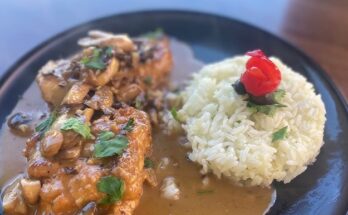
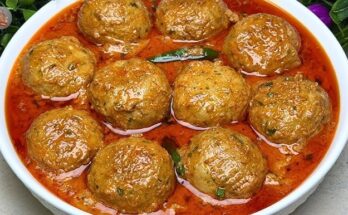
Chicken Jambalaya Recipe: Chicken jambalaya is one of those dishes that feels like a warm hug in a bowl. It is rich, savory, colorful, and packed with bold Southern flavor, all while being surprisingly practical for a home cook.
At its heart, jambalaya is a one-pot rice dish made with meat, vegetables, broth, and a deep blend of seasonings that slowly build layer after layer of flavor as everything cooks together. The magic comes from the way the rice absorbs the juices from the chicken, tomatoes, aromatics, and spices.
Instead of tasting like separate ingredients tossed into one pan, a good jambalaya tastes unified, almost like every ingredient agreed to work as a team. That is exactly what makes it such a comfort food classic.
The Louisiana Roots of Jambalaya
Jambalaya is closely tied to Louisiana cooking, where French, Spanish, African, and Caribbean influences meet in one delicious culinary crossroads. It is often compared to paella, and that comparison makes sense because both dishes center around seasoned rice cooked with meat and vegetables in one vessel. Over time, Louisiana cooks gave jambalaya its own identity by using local ingredients, regional spice blends, and the famous “holy trinity” of onion, celery, and bell pepper. Those three vegetables form the backbone of many Cajun and Creole recipes, and they do heavy lifting here too. Every spoonful reflects that tradition, and even a simple homemade version can still feel deeply rooted in something bigger than dinner.
Why Chicken Jambalaya Is So Popular
Chicken jambalaya has staying power because it checks nearly every box a cook could want. It is filling, budget-friendly, easy to scale up, and perfect for feeding a family or meal prepping for the week. It also offers that rare balance between rustic and impressive. You do not need fancy techniques to make it, but once it hits the table, it looks and smells like something special. The chicken keeps it hearty without being too heavy, and the rice makes it naturally satisfying. For people who love recipes that deliver maximum flavor with minimal cleanup, this chicken jambalaya recipe is a winner every single time.
Why This Chicken Jambalaya Recipe Works
A great recipe should make you feel like a better cook without making you work like a restaurant chef. That is exactly why this version of chicken jambalaya works so well. It relies on everyday ingredients, clear cooking steps, and a smart sequence that builds flavor from the bottom up. First, the chicken is seasoned and seared so it develops a flavorful crust. Then the vegetables soften in the same pot, soaking up all those browned bits left behind. After that, the rice, tomatoes, broth, and spices come together and simmer until the entire dish turns rich, fragrant, and deeply savory. It is a method that is simple, but not boring. In fact, it is the kind of recipe that teaches you how flavor layering really works.
Big Flavor With Simple Pantry Staples
One of the best things about this recipe is that most of the ingredients are likely already familiar. You are not hunting down anything strange or overly niche. Rice, chicken broth, canned tomatoes, garlic, onion, paprika, thyme, and cayenne create a flavor profile that tastes far more complex than the ingredient list suggests. That is the beauty of a dish like jambalaya. It transforms basic staples into something bold and memorable. When the broth reduces and the rice drinks it all in, the final flavor becomes much deeper than what you might expect from such humble ingredients.
A One-Pot Meal That Saves Time
There is also a very practical reason people keep coming back to jambalaya: the convenience. One pot means fewer dishes, less stress, and a more streamlined dinner process. You are not juggling multiple pans, racing the clock, or dirtying half the kitchen. Everything happens in stages in the same pot, which is efficient and also smart because every stage adds flavor to the next. That makes homemade chicken jambalaya an ideal choice for weeknights, casual gatherings, or those evenings when you want comfort food without creating a mountain of cleanup. It is the culinary version of getting all the rewards without the chaos.
Ingredients You’ll Need
This is the section many readers look for first, and for good reason. The ingredients are the foundation of the entire recipe, and in chicken jambalaya, each one has a job to do. Some build depth, some add texture, some bring heat, and some tie the whole dish together. The list below keeps things classic and approachable while still delivering that unmistakable jambalaya character. The key is not just having the ingredients, but understanding how they work together. Think of it like a band. The chicken may be the lead singer, but the rice, broth, vegetables, and seasonings are the rhythm section making the performance unforgettable.
Protein and Fresh Produce
Here are the fresh ingredients you will need for this recipe:
- 1 1/2 pounds boneless, skinless chicken thighs or chicken breasts, cut into bite-sized pieces
- 1 tablespoon olive oil
- 1 large onion, diced
- 1 green bell pepper, diced
- 2 celery stalks, diced
- 3 garlic cloves, minced
- 1 can (14.5 ounces) diced tomatoes
- 2 green onions, sliced for garnish
- Fresh parsley, chopped for garnish
Chicken thighs are often the best choice because they stay juicy and flavorful during simmering, but chicken breast works well too if you prefer a leaner option. The onion, celery, and bell pepper create that classic Louisiana flavor base, while garlic brings depth and aroma. Tomatoes add moisture, color, and a subtle tang that helps balance the richness of the chicken and broth.
Rice, Broth, and Seasonings
Now for the pantry ingredients that turn this into a real jambalaya:
- 1 1/2 cups long-grain white rice
- 3 cups chicken broth
- 1 teaspoon smoked paprika
- 1 teaspoon dried thyme
- 1 teaspoon dried oregano
- 1/2 teaspoon cayenne pepper (adjust to taste)
- 1 teaspoon salt
- 1/2 teaspoon black pepper
- 1 bay leaf
- 1 teaspoon Worcestershire sauce (optional but recommended)
Long-grain white rice is the best fit because it stays fluffy and distinct instead of turning mushy. Chicken broth does more than cook the rice; it infuses every grain with savory flavor. The spice blend gives the dish its warmth, smokiness, and depth, while cayenne lets you control the heat level.
Optional Add-Ins for More Flavor
You can also customize the dish with a few optional extras:
- Andouille sausage, sliced
- Shrimp, peeled and deveined
- A pinch of red pepper flakes
- A squeeze of lemon juice before serving
These additions are not required, but they can make the dish even more dynamic. That flexibility is part of why jambalaya recipe variations remain so popular.
Kitchen Tools You Should Have Ready
Before you begin cooking, it helps to set up your kitchen like a small stage before the performance starts. Jambalaya is not hard to make, but it moves best when your ingredients are chopped, measured, and ready to go. The good news is that you do not need specialty equipment. A few reliable basics will get the job done beautifully. That is one more reason this dish remains such a favorite for home cooks. It feels substantial and impressive without demanding restaurant-level gear or a cabinet full of gadgets you only use twice a year.
You will want a sharp chef’s knife, a sturdy cutting board, measuring cups and spoons, a wooden spoon or spatula, and one large heavy pot or deep skillet with a lid. A Dutch oven is fantastic for this because it distributes heat evenly and helps prevent scorching at the bottom while the rice simmers. That matters more than people think. Rice can be forgiving right up until it is not, and a thin pan can turn a good dinner into a burnt cleanup project very quickly. A good lid also matters because it traps steam, and that steam is what helps the rice cook evenly without drying out.
Best Pot or Pan for Jambalaya
If you have a Dutch oven, that is usually the gold standard for a recipe like this. It holds heat well, creates steady cooking conditions, and gives the ingredients enough room to simmer without spilling over. A deep sauté pan or large stockpot can also work, as long as it has a tight-fitting lid. Try to avoid very shallow pans because the liquid-to-rice ratio needs space to settle and cook properly. Choosing the right pot may sound like a small detail, but in a one-pot meal, the pot is almost like a silent ingredient. It shapes the way the entire dish cooks from start to finish.
How to Prepare Ingredients Before Cooking
The difference between a chaotic cooking session and a smooth one often comes down to prep. With chicken jambalaya, a little organization at the start makes the whole process easier and more enjoyable. Since the cooking unfolds in layers, you do not want to stop midway through to dice celery while garlic is already sizzling in the pot. That is how things burn, stress levels rise, and dinner starts feeling like a timed obstacle course. A few minutes of prep gives you control, and once you begin cooking, the recipe becomes much more relaxed.
Start by cutting the chicken into evenly sized pieces. Try to keep them roughly bite-sized so they cook at the same rate and fit nicely into each spoonful. Dice the onion, bell pepper, and celery into similar sizes too. This helps them cook evenly and creates a better texture throughout the dish. Mince the garlic last so it stays fresh and fragrant. Measure the rice, broth, and seasonings before heating the pot. It may feel a little extra, but that small effort pays off once the cooking begins and each step flows naturally into the next.
Chopping, Measuring, and Seasoning
Season the chicken lightly before it hits the pan. A simple mix of salt, black pepper, paprika, and a touch of cayenne gives it a head start in flavor. Keep your measured spices in a small bowl so you can add them quickly when the time comes. Open the can of diced tomatoes and have the broth ready nearby. This kind of setup is often called mise en place, which sounds fancy but really just means “everything in its place.” And honestly, that phrase fits jambalaya perfectly. When each ingredient is ready, the whole recipe feels less like work and more like a rhythm.
Step-by-Step Guide for Chicken Jambalaya
Follow the steps below, and you will end up with jambalaya that tastes deeply developed, balanced, and satisfying.
Step 1: Season and Sear the Chicken
Cut the chicken into bite-sized pieces and season with salt, black pepper, paprika, thyme, and a little cayenne if you want heat. Heat oil in a large pot or deep skillet over medium-high heat. Add the chicken and sear until lightly browned on the outside. Remove and set aside once it has developed good color.
Step 2: Sauté the Vegetables
In the same pot, add chopped onion, bell pepper, and celery. Cook until the vegetables soften and become fragrant. Stir often so they do not burn. This classic mix builds the flavorful base of the jambalaya.
Step 3: Add Garlic, Tomatoes, Rice, and Seasoning
Stir in minced garlic and cook briefly until fragrant. Add diced tomatoes, uncooked rice, and extra seasoning such as paprika, oregano, thyme, and black pepper. Mix everything well so the rice is coated with the flavorful ingredients.
Step 4: Pour in the Broth and Simmer
Return the chicken to the pot and pour in the chicken broth. Stir gently, bring the mixture to a light boil, then reduce the heat to low. Cover and let it simmer until the rice is tender and has absorbed most of the liquid. Avoid stirring too often so the rice cooks properly.
Step 5: Rest, Fluff, and Serve
Once the rice is cooked, remove the pot from the heat and let it rest for a few minutes. Fluff the jambalaya gently with a fork to separate the grains. Serve hot, garnished with chopped parsley or green onions if desired.
Tips for the Best Chicken Jambalaya
A good jambalaya recipe is forgiving, but a few smart tips can turn it from good to genuinely memorable. The first is to avoid rushing the early stages. Browning the chicken properly and letting the vegetables soften fully creates the flavor base that the rice will later absorb. Skip that, and the final dish can taste flatter than it should. Another big tip is to use the right rice. Long-grain white rice gives the best texture because it stays separate and fluffy instead of clumping together. That matters because jambalaya should feel hearty, not gummy.
Control the heat carefully as well. A rolling boil can cause the liquid to evaporate too fast before the rice cooks through, while heat that is too low may leave the rice undercooked and uneven. Keep it at a gentle simmer and trust the process. Also, resist the urge to stir too much once the broth is added. Stirring constantly can make the rice release too much starch, which changes the texture. Let the pot do its job. Jambalaya is one of those dishes that rewards a calm hand and a little patience.
Common Mistakes to Avoid
One common mistake is using too much liquid or the wrong kind of rice. Instant rice, short-grain rice, or overmeasured broth can push the dish into mushy territory quickly. Another issue is under-seasoning. Rice absorbs a lot of flavor, so what tastes well-seasoned in the pot before simmering may taste mild later. Taste carefully and season with confidence. Burning the bottom is another problem, usually caused by heat that is too high or a pan that is too thin. And finally, do not skip the resting period after cooking. That five-minute pause might seem small, but it gives the dish time to settle and come together beautifully.
Serving Suggestions
Chicken jambalaya is satisfying enough to serve on its own, but pairing it with the right sides can round out the meal and create a more complete Southern-inspired spread. A simple green salad with a sharp vinaigrette works well because the fresh acidity cuts through the savory richness of the rice and chicken. Cornbread is another excellent match. Its slight sweetness plays nicely against the spices and makes the whole meal feel even more comforting. If you want something light, steamed green beans or roasted okra can add color and freshness without competing with the main dish.
Presentation matters too. A spoonful of chopped parsley and green onion on top adds freshness and gives the final plate a little brightness. A few dashes of hot sauce on the side let everyone adjust the spice level to their liking. For casual family dinners, serving jambalaya straight from the pot creates a warm, rustic feel that suits the dish perfectly. For guests, you can plate it in shallow bowls and garnish each portion individually. Either way, the result feels generous, cozy, and full of character. It is the kind of food that invites second helpings before anyone even admits they are full.
How to Store and Reheat Leftovers
One of the hidden perks of this recipe is that leftovers are fantastic. In some ways, chicken jambalaya tastes even better the next day because the seasonings have had more time to settle into the rice and chicken. To store it, let the jambalaya cool to room temperature, then transfer it to an airtight container. It will keep well in the refrigerator for up to 4 days. That makes it a strong choice for meal prep, especially if you want a lunch that feels hearty and satisfying without much extra effort.
When reheating, add a splash of chicken broth or water before warming it. Rice tends to dry out in the fridge, so a little moisture helps bring it back to life. You can reheat it in the microwave in short intervals, stirring between each one, or warm it in a skillet over low heat. Both methods work, but the stovetop often gives you a slightly better texture. If you want to freeze it, portion it into freezer-safe containers and store it for up to 2 months. Then thaw overnight in the refrigerator before reheating. Having a homemade meal like this tucked away in the freezer is a little like finding money in an old coat pocket. It is unexpected, useful, and weirdly satisfying.
FAQs about Chicken Jambalaya Recipe
1. What is chicken jambalaya?
Chicken jambalaya is a flavorful one-pot rice dish made with chicken, vegetables, broth, tomatoes, and bold seasonings. It is hearty, filling, and known for its rich Southern-inspired taste.
2. What type of rice is best for chicken jambalaya?
Long-grain rice is usually the best choice because it cooks well without becoming too sticky. It helps keep the dish light and fluffy.
3. Can I use chicken breast or chicken thighs?
Yes, both work well. Chicken thighs are often juicier and more flavorful, while chicken breast is leaner and cooks quickly.
4. Is chicken jambalaya spicy?
It can be mildly spicy or quite hot depending on the seasonings used. Cayenne pepper, chili flakes, or hot sauce can be adjusted to suit your taste.
5. What vegetables are commonly used?
Onion, bell pepper, and celery are the classic vegetables used in jambalaya. Garlic and tomatoes are also common additions.
6. Can I add sausage or shrimp?
Yes, many jambalaya recipes include sausage, shrimp, or both along with chicken for extra flavor and variety.
7. How do I keep the rice from getting mushy?
Use the correct amount of broth, keep the heat low while simmering, and avoid stirring too often. Letting the dish rest after cooking also helps the rice set properly.
Conclusion
Once you make it a time or two, the recipe starts feeling less like instructions and more like instinct. You learn how the vegetables should smell before the rice goes in, how the broth should look as it simmers, and how the final pot should feel when it is ready to rest. That is the sweet spot of home cooking. Not perfection, but familiarity. Not stress, but rhythm. Whether you keep it classic or customize it with sausage or shrimp, this step-by-step chicken jambalaya gives you a strong foundation for a dish that is bold, comforting, and endlessly rewarding.