Chicken Hearts Recipe: If you have never cooked chicken hearts before, you are not alone. A lot of home cooks walk right past them at the butcher counter because they are unfamiliar, and unfamiliar foods often feel like a gamble.
But chicken hearts are one of those underrated ingredients that can surprise you in the best way. They are affordable, packed with flavor, rich in nutrients, and incredibly satisfying when cooked the right way.
Think of them as the hidden gem of the poultry world: small, humble, and easy to overlook, yet loaded with character.
What Chicken Hearts Taste Like
Before trying any new ingredient, most people want to know one thing: what does it actually taste like? That is a fair question, especially with chicken hearts, because the name alone can make people expect something much stronger or stranger than reality. The truth is that chicken hearts have a pleasantly rich, savory flavor that lands somewhere between dark chicken meat and a mild steak-like bite. They are not overwhelmingly metallic when fresh and properly cleaned, and they do not taste as intense as some people imagine.
Texture plays a huge role in the experience. When cooked well, chicken hearts are tender with a slight chew, almost like a cross between thigh meat and a firm mushroom. That chew is part of what makes them appealing. They feel hearty and substantial despite being small. Overcooking, though, can make them tough, which is why technique matters. A hot pan and a short cooking time are often your best friends. It is a bit like cooking shrimp: nail the timing, and you get something juicy and satisfying; miss it, and the texture changes quickly.
Flavor-wise, chicken hearts love bold companions. Garlic, onion, paprika, lemon juice, black pepper, cumin, soy sauce, butter, and fresh herbs all pair beautifully with them. They absorb marinades well, which means you can lean smoky, spicy, herby, or even slightly tangy depending on the mood of the meal. That flexibility is one of their best qualities. You are not locked into one style. Instead, chicken hearts act like a flavorful canvas, ready to take on the personality of the seasonings around them.
Health Benefits of Chicken Hearts
A good recipe should taste great, but it is always nice when the ingredient also brings real nutritional value to the table. Chicken hearts are surprisingly nutrient-dense, and that is one reason they have remained important in many traditional diets. They are rich in protein, which helps support muscle repair, fullness, and overall energy. Because they are small but concentrated, a modest serving can feel filling without needing a mountain of extras on the plate.
They are also known for containing essential nutrients like iron, zinc, B vitamins, and especially vitamin B12, which plays an important role in red blood cell formation and nervous system function. On top of that, chicken hearts contain coenzyme Q10, often called CoQ10, a compound involved in energy production in the body. That makes them more than just a budget-friendly protein. They offer a strong nutritional profile that many standard cuts do not match quite as directly. It is like getting more value from every bite.
Of course, balance still matters. Chicken hearts can contain cholesterol, so portion size and the rest of your meal still count. But in the context of a varied, balanced diet, they can absolutely have a place. The smartest way to enjoy them is to cook them simply, pair them with vegetables or grains, and avoid drowning them in overly heavy sauces every time. That way, you keep the dish flavorful and satisfying without losing the nutritional advantage that makes chicken hearts worth trying in the first place.
Ingredients You’ll Need
One of the most important parts of any successful recipe is knowing exactly what to gather before the stove is on and the pan is hot. That matters even more with chicken hearts, because they cook quickly and there is not much time to scramble once the process starts. The good news is that this recipe uses simple ingredients, most of which you may already have in your kitchen. The focus here is on building flavor without making the dish feel complicated or fussy.
Main Ingredients
Here is the core list for a classic pan-seared chicken hearts recipe:
- 1 pound chicken hearts
- 2 tablespoons olive oil
- 4 cloves garlic, minced
- 1 medium onion, thinly sliced
- 1 teaspoon smoked paprika
- 1/2 teaspoon ground cumin
- 1/2 teaspoon black pepper
- 1 teaspoon salt or to taste
- 1 tablespoon lemon juice
- 1 tablespoon butter
- 2 tablespoons chopped parsley
These ingredients create a savory, slightly smoky, aromatic base that works beautifully with the natural richness of the hearts. The olive oil helps with searing, the onion and garlic bring sweetness and depth, and the paprika adds warmth and color. Lemon juice steps in at the end like a splash of light through a kitchen window. It brightens everything and keeps the dish from feeling too heavy.
Optional Flavor Boosters
You can also add a few extras if you want to customize the recipe:
- 1/4 teaspoon chili flakes for heat
- 1 tablespoon soy sauce for extra umami
- 1 teaspoon Dijon mustard for tang
- Fresh thyme or oregano
- Sliced mushrooms or bell peppers
These additions are not required, but they can take the dish in different directions depending on your taste. That is what makes this recipe so flexible. You can keep it rustic and simple, or you can layer in extra flavor and make it feel more restaurant-worthy with very little effort.
Kitchen Tools That Make Cooking Easier
A recipe does not need a mountain of equipment to turn out well, and that is definitely true for chicken hearts. Still, having the right basic tools can make the whole process smoother, faster, and more enjoyable. Since this recipe depends on quick prep and fast cooking, a few smart choices in the kitchen setup really help. It is a little like going on a short road trip with a full tank and a good map. You could still get there without them, but the ride is going to be a lot easier when you are prepared.
The most important tool is a large skillet or frying pan, preferably one that holds heat well. Cast iron works beautifully because it gives you a strong, even sear, but a stainless steel or heavy nonstick skillet can also do the job. You also need a sharp knife and a cutting board for trimming the hearts and slicing the onion and garlic. A small bowl is useful for mixing seasonings or marinating the hearts, and a pair of kitchen tongs helps you turn them quickly in the pan without breaking them apart or crowding the cooking surface with too much fuss.
A colander or fine strainer is handy for rinsing the chicken hearts, and paper towels are useful for patting them dry. That drying step matters more than people realize. Wet hearts will steam instead of sear, and searing is what gives you that rich browned flavor. Measuring spoons are helpful for consistency, especially if you are trying the recipe for the first time. Once you have made it a couple of times, you can season more by instinct. But early on, a little precision makes it easier to hit that sweet spot between bold and balanced.
How to Clean and Prepare Chicken Hearts
Prepping chicken hearts sounds intimidating the first time, but it is actually straightforward once you know what to look for. Most packages of chicken hearts come fairly clean, though they often still need a little trimming. Start by rinsing them under cold water, then place them on a cutting board so you can inspect them one by one. You may see small bits of fat, connective tissue, or tiny vessels attached to the top. These are easy to remove with a sharp knife or kitchen scissors, and doing so improves both texture and appearance.
Trimming and Rinsing Tips
When trimming, you do not need to obsess over making every piece look perfect. The goal is simply to remove anything obviously tough or unpleasant. Some cooks like to slice each heart open slightly to make sure it is clean inside, especially if there is any remaining blood. Others prefer to leave them whole for a more attractive final presentation. Both approaches work. Once trimmed, rinse them again briefly and pat them very dry with paper towels. This step is essential because moisture is the enemy of browning.
Drying the hearts well also helps the seasoning stick more evenly. Salt, pepper, paprika, and cumin will cling better when the surface is not wet, and that means more flavor in every bite. It is one of those tiny details that does not look dramatic in the prep stage but makes a very noticeable difference once the food hits the pan.
How to Marinate for Better Flavor
Marinating is optional, but it is a great move if you want a deeper, more developed flavor. A quick marinade made with olive oil, garlic, lemon juice, paprika, black pepper, and a little soy sauce can transform the hearts in just 20 to 30 minutes. Because chicken hearts are small, they do not need hours and hours to absorb flavor. In fact, a short marinade often works better because it enhances without overpowering.
The easiest approach is to toss the cleaned hearts in a bowl with your marinade ingredients and let them sit while you prep the rest of the meal. This gives the seasoning time to settle in and also helps the hearts cook with a more fragrant, layered taste. If you are aiming for a simple, clean skillet recipe, even a brief marinade can make the finished dish taste like you put in more effort than you really did.
Step-by-Step Guide to Cooking Chicken Hearts
Chicken hearts do best when they are cooked quickly over medium-high heat, giving them enough time to brown without turning them tough. Here is the process broken down in a clear way so you can follow it without second-guessing every move.
Step 1 – Prep the Hearts Properly
Rinse the chicken hearts under cold water and trim away any excess fat, veins, or connective tissue if needed. Pat them dry with paper towels so they sear well instead of steaming. Proper cleaning helps improve both texture and flavor.
Step 2 – Season or Marinate
Place the chicken hearts in a bowl and season with salt, black pepper, garlic, paprika, and a little lemon juice or oil. You can also marinate them briefly for extra flavor. Since chicken hearts are small, they absorb seasoning quickly and do not need a very long marinating time.
Step 3 – Heat the Pan the Right Way
Set a skillet or frying pan over medium-high heat and add a little oil. Let the pan get hot before adding the hearts. A properly heated pan helps create a nice sear and prevents sticking.
Step 4 – Sear the Chicken Hearts
Add the chicken hearts in a single layer and cook for a few minutes, stirring occasionally. Let them brown on the outside while keeping the inside tender. Avoid overcrowding the pan, or they may release too much moisture and lose their seared texture.
Step 5 – Finish Cooking Without Overdoing It
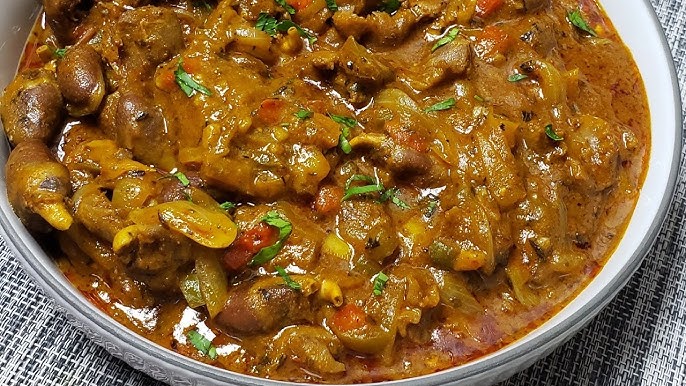
Continue cooking just until the hearts are fully done and still juicy. Overcooking can make them tough, so remove them from the heat once they are firm and lightly browned. Serve hot with onions, herbs, rice, or vegetables for a simple and flavorful dish.
Best Side Dishes to Serve With Chicken Hearts
A well-cooked batch of chicken hearts can absolutely stand on its own, but the right side dishes turn it into a full, memorable meal. Because the hearts have a rich and meaty flavor, they pair especially well with sides that either soak up the juices or bring contrast to the plate. Imagine building a meal the way you build a good playlist. You want different moods working together, not every element shouting the same thing.
For comfort and balance, steamed rice, garlic mashed potatoes, or buttered noodles work beautifully. These mild bases catch the juices from the skillet and make every bite more satisfying. If you want something a bit lighter, roasted vegetables like carrots, zucchini, or green beans add freshness and color without competing with the main dish. A crisp green salad with a lemony dressing also makes sense, especially if you want to cut through the richness and keep the meal feeling bright.
Bread is another strong option. A slice of crusty bread or warm flatbread can help scoop up every bit of buttery, garlicky sauce left in the pan. That is the sort of detail that makes a meal feel generous and complete. You can also serve chicken hearts with polenta, couscous, or even over creamy grits if you want something cozy and a little unexpected. The best side really depends on the mood of the meal. Rustic and hearty? Go with potatoes or rice. Fresh and lighter? Lean into vegetables and salad. Either way, the hearts do not need much to shine.
Common Mistakes to Avoid
Even though this recipe is easy, there are a few mistakes that can trip people up, especially the first time. The biggest one is overcooking. Chicken hearts are small and cook fast, so leaving them in the pan too long is the quickest way to lose that tender, juicy texture. Once they cross the line, they become firm and rubbery instead of pleasantly chewy. Watching the clock and using medium-high heat instead of dragging the process out over low heat can make all the difference.
Another common mistake is not drying them properly after rinsing. It sounds minor, but it is huge. Excess moisture causes steaming, and steaming prevents browning. If you want that rich, savory crust on the outside, patting the hearts dry is non-negotiable. Crowding the pan is another issue. When too many hearts are packed in at once, they release moisture and cook unevenly. Use a large skillet or cook in batches so each piece has a chance to sear.
Under-seasoning is also more common than people think. Chicken hearts have a bold, natural flavor, but that does not mean they should be cooked with timid seasoning. Salt, pepper, garlic, onion, and a touch of acid help bring them into balance. At the same time, too much acid too early can toughen the surface a bit, so lemon juice is best added toward the end or used briefly in a marinade. Think of seasoning like steering a car. Too little input and you drift; too much and the ride gets rough. Balanced, confident seasoning is what keeps the whole dish on course.
How to Store and Reheat Leftovers
Leftover chicken hearts can be surprisingly good the next day, which makes this recipe practical as well as flavorful. To store them properly, let them cool slightly before transferring them to an airtight container. Place them in the refrigerator and try to use them within 3 to 4 days for the best taste and texture. They can also be frozen, though the texture is usually best when eaten fresh or within a short time after cooking. Freezing works, but the reheated hearts may be a little firmer than the original batch.
When reheating, the goal is gentle heat. Blasting them in the microwave for too long can make them tough, and that defeats the whole point of cooking them carefully in the first place. A better option is to warm them in a skillet over low to medium heat with a tiny splash of water, broth, or butter. This helps loosen the juices and keeps them from drying out. If you do use a microwave, cover them lightly and heat in short intervals so you can stop as soon as they are warm.
Leftovers are also versatile. You can slice them and add them to fried rice, toss them into scrambled eggs, fold them into a warm grain bowl, or serve them over toast with herbs and a squeeze of lemon. That means this recipe is not just a one-meal wonder. It can stretch into easy lunches or quick dinners the next day. In a busy kitchen, that kind of flexibility is a real win.
FAQs about Chicken Hearts Recipe
1. What do chicken hearts taste like?
Chicken hearts have a rich, meaty flavor that is slightly similar to dark chicken meat. They are tender when cooked properly and have a mild taste compared to some other organ meats.
2. Do I need to clean chicken hearts before cooking?
Yes, it is best to rinse them and trim away excess fat, veins, or connective tissue if needed. Cleaning them properly improves the texture and makes them more pleasant to eat.
3. How do I keep chicken hearts tender?
Cook them over medium-high heat for a short time and avoid overcooking. Chicken hearts can become tough if left on the heat too long.
4. Can I marinate chicken hearts?
Yes, chicken hearts take well to marinades because they are small and absorb flavor quickly. Garlic, lemon juice, soy sauce, oil, and spices are all good options.
5. What is the best way to cook chicken hearts?
They can be pan-seared, grilled, sautéed, or skewered and roasted. Quick, high-heat cooking is often the best method for keeping them tender.
6. How do I know when chicken hearts are cooked?
They should be browned on the outside and firm but still juicy inside. Avoid cooking them until they become dry or rubbery.
7. What can I serve with chicken hearts?
Chicken hearts pair well with rice, potatoes, sautéed onions, vegetables, salads, or flatbread. They also work well in skewers and stir-fries.
Conclusion
The key takeaways are wonderfully straightforward: clean the hearts well, dry them thoroughly, use strong but balanced seasoning, and cook them quickly over proper heat. That is the formula. Follow it, and you get tender chicken hearts with great color, rich flavor, and a texture that feels satisfying instead of intimidating. Add onions, garlic, butter, and lemon, and suddenly the dish becomes something that tastes far more impressive than its short ingredient list suggests.
This recipe also invites confidence. Once you master the basic version, you can riff on it endlessly with herbs, spice blends, vegetables, or different serving styles. That is when cooking gets exciting. You stop following a recipe like a strict map and start using it like a trusted compass. Chicken hearts may not be the most obvious dinner choice, but they are absolutely worth a place in your rotation. Sometimes the best meals are the ones that surprise you first and win you over bite by bite.