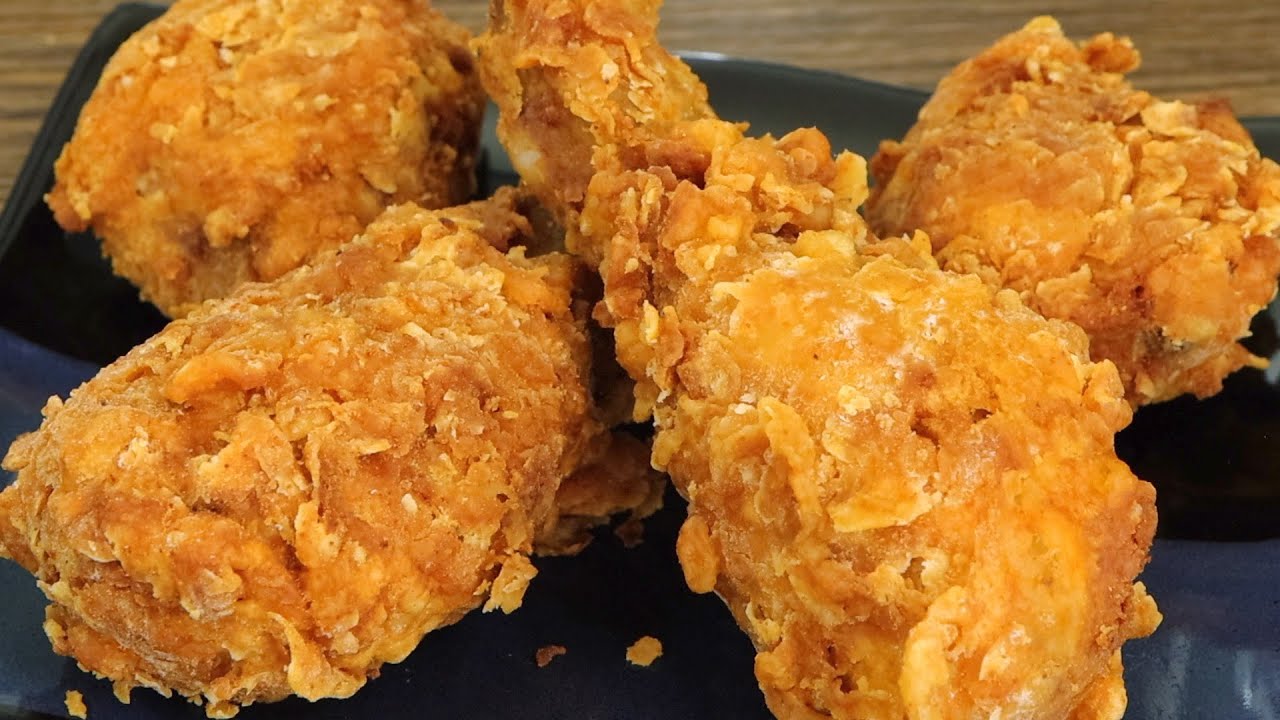
Chicken Fry Recipe: There is something deeply satisfying about a well-made chicken fry recipe. The crackling outer layer, the juicy and flavorful meat inside, and that irresistible golden color make it one of the most loved comfort foods across kitchens and cultures.
Whether it is served as a party snack, a weekend indulgence, a side dish, or the centerpiece of a family meal, fried chicken has a way of making any table feel more exciting. It is simple enough for home cooks to attempt, yet rich enough in flavor to feel like a treat every single time.
This guide is designed to walk you through the full process in a practical and professional way. You will find a proper list of Ingredients You’ll Need, detailed preparation tips, and a clear step-by-step guide so you can recreate crispy, flavorful fried chicken in your own kitchen with confidence.
What Makes a Great Chicken Fry Recipe
A truly great chicken fry recipe hits three things at once: flavor, texture, and balance. Flavor comes from seasoning the chicken deeply, not just dusting the surface. Texture comes from a good coating and the right oil temperature. Balance comes from making sure the chicken stays moist inside while the outside turns crisp and golden. Miss one of these, and the final dish feels incomplete. That is why good fried chicken feels almost magical when done right. It offers crunch, heat, tenderness, and seasoning in every bite.
The first pillar is marination. Many people underestimate this step, but marination is where the chicken gets its soul. Salt, spices, garlic, ginger, pepper, and acidic ingredients like lemon juice or buttermilk help the flavor move into the meat instead of just sitting on the surface. Without marination, even a crisp coating can feel shallow. With it, each bite tastes layered and complete. This is especially important if you are using bone-in chicken, because the flesh needs more help carrying flavor throughout.
The second pillar is the coating. Some recipes rely only on flour, others use cornstarch, rice flour, breadcrumbs, or a blend. Each coating ingredient behaves differently. Flour creates a traditional shell, cornstarch adds crispness, and breadcrumbs can make the crust thicker. The best approach depends on the style you want. For this recipe, a combination approach works beautifully because it gives a crust that is crisp without becoming heavy. It is the kind of coating that cracks lightly when bitten but still holds firmly to the chicken.
The third pillar is frying technique. Oil that is too hot burns the outside before the inside cooks. Oil that is too cool makes the coating absorb grease like a sponge. Frying in small batches, maintaining the right temperature, and allowing the fried chicken to rest on a rack or paper towel all make a noticeable difference. Great fried chicken is never an accident. It is the result of careful steps done in the right order.
Ingredients You’ll Need
Before you begin, gather everything in one place. This makes cooking smoother, cleaner, and far less stressful. A good cook knows that fried chicken moves quickly once the oil is hot, so you do not want to be searching for salt or flour halfway through the process.
Main Ingredients for the Chicken
For this recipe, you will need about 1 kilogram chicken, cut into medium pieces. You can use drumsticks, thighs, wings, or boneless chicken strips depending on your preference. Bone-in pieces usually deliver more flavor and stay juicy, while boneless pieces cook faster and are easier for kids or casual snacking. Choose fresh chicken if possible, and trim away excess skin or fat if you want a cleaner finish. Keeping the pieces similar in size helps them cook evenly.
Ingredients for Marination
You will need:
- 1 kilogram chicken
- 1 tablespoon ginger-garlic paste
- 1 teaspoon red chili powder
- 1 teaspoon black pepper powder
- 1/2 teaspoon turmeric powder
- 1 teaspoon paprika or Kashmiri chili powder for color
- 1 teaspoon garam masala or all-purpose seasoning
- 1 tablespoon lemon juice
- 1 teaspoon salt or to taste
- 2 tablespoons yogurt or buttermilk
- 1 egg for binding and moisture
These marinade ingredients work together like a team. The yogurt or buttermilk helps tenderize the chicken, the lemon adds brightness, and the spices build that rich savory depth that makes fried chicken impossible to forget.
Ingredients for Coating
You will need:
- 1 cup all-purpose flour
- 1/2 cup cornstarch
- 1 teaspoon salt
- 1 teaspoon black pepper
- 1 teaspoon chili powder
- 1/2 teaspoon garlic powder
- 1/2 teaspoon onion powder
- 1/2 teaspoon baking powder for a slightly lighter crust
The coating mixture is where the crisp magic happens. The flour creates structure, while cornstarch sharpens the crunch. Seasoning the coating is just as important as seasoning the marinade because every layer should carry flavor.
Ingredients for Frying
You will need:
- Oil for deep frying such as vegetable oil, sunflower oil, or canola oil
Use a neutral oil with a reasonably high smoke point. The oil should be enough for the chicken pieces to fry properly without touching the bottom too hard or sitting half-submerged.
Kitchen Tools Required
A professional-looking result begins with the right tools, and thankfully, you do not need anything fancy. A deep frying pan, kadai, or heavy-bottomed pot will do the job well. The key is using something sturdy enough to maintain heat once the chicken goes in. Thin pans cause the oil temperature to drop too quickly, and that can leave your chicken oily rather than crispy. Stability matters more than style here.
You will also need at least two mixing bowls. One is for marinating the chicken, and the other is for the flour coating. Keeping wet and dry mixtures separate helps the process stay organized and prevents a mess. A pair of tongs is also very useful. Tongs let you move the chicken safely in and out of hot oil without splashing or tearing the coating. A slotted spoon can work too, but tongs give you more control.
A wire rack is ideal for draining fried chicken because it allows air to circulate, which helps preserve crispness. Paper towels are fine if that is what you have, but they can trap steam under the chicken and soften the crust slightly. A thermometer is optional but helpful. If you cook often, it makes frying much easier because you can monitor the oil properly. Without one, you can still fry successfully by dropping in a small pinch of coating and watching how it reacts. If it sizzles steadily and rises, the oil is usually ready.
Good tools do not cook the dish for you, but they remove friction from the process. When your setup is efficient, you can focus on the recipe itself, and that often makes the difference between panicked cooking and confident cooking.
Choosing the Best Chicken Cuts
The cut of chicken you choose affects taste, cooking time, and texture. Drumsticks are a classic choice because they remain juicy and are easy to hold and serve. Thighs are excellent too, especially if you want richer flavor and tenderness. They have a bit more fat than breast meat, which helps them stay moist during frying. Wings are ideal for parties, while boneless breast strips are great when you want fast cooking and easy eating.
Bone-in chicken often gives better flavor because the bone helps retain moisture and adds a deeper savory quality. It is like cooking rice in broth instead of plain water. The structure adds something extra you can taste, even if it is subtle. Boneless chicken, on the other hand, is convenient and cooks more quickly, but it can dry out if overfried. That is why marination is especially helpful when using boneless pieces.
Consistency in size matters a lot. If one piece is large and another is tiny, they will not cook evenly. You might end up with one dry piece and one undercooked piece in the same batch. Try to keep the chicken portions as similar as possible. If needed, lightly score thick pieces with shallow cuts. This helps marinade enter better and also allows the heat to penetrate more evenly during frying.
Fresh chicken usually gives the best result, but frozen chicken can work if fully thawed and patted dry. Any extra moisture on the surface can interfere with the coating and cause dangerous oil splatter. So choose carefully, trim neatly, and prepare thoughtfully. Those early details shape the quality of the final dish more than many people realize.
How to Clean and Prepare the Chicken
Cleaning chicken properly is the first real hands-on step in making a strong chicken fry recipe. Start by rinsing the chicken lightly if that is your usual kitchen practice, then drain it thoroughly. More importantly, pat the chicken dry using paper towels. This part matters because extra water dilutes the marinade and makes the coating slide off later. Wet chicken also causes the oil to splatter more during frying, which is something every home cook wants to avoid.
Once the chicken is dry, inspect each piece. Trim excess skin, fat, or loose bits that may burn in the oil. If you are using drumsticks or thighs, you can make shallow slits in the flesh. These slits are like little doorways that help the marinade enter deeper into the meat. Do not cut too deeply; a few gentle slashes are enough. The goal is not to shred the chicken, but to help flavor penetrate and cooking happen more evenly.
At this point, it is smart to separate larger and smaller pieces if they vary too much. That way, you can fry them in different batches or adjust cooking time as needed. Professional kitchens think in terms of control, and this is one of those small habits that produces better food. It may seem minor when you are standing at the counter, but it prevents the classic problem of unevenly cooked fried chicken.
Preparation is often overlooked because it does not feel glamorous. But this stage is where you quietly set the dish up for success. Clean, dry, trimmed, and slightly scored chicken responds better to marinade, coating, and frying. It is the calm before the crunch, and it deserves your attention.
The Secret to Flavorful Marination
A strong marinade is what separates ordinary fried chicken from the kind people remember and ask for again. The marinade in this recipe uses ginger-garlic paste, chili powder, pepper, turmeric, lemon juice, yogurt, egg, and salt, and each ingredient has a purpose. Ginger and garlic bring depth and warmth. Chili and pepper create heat and character. Lemon adds brightness. Yogurt softens the meat. Egg helps the coating stick later. Salt wakes everything up.
When you mix these ingredients together, you are not just making a paste. You are building flavor in layers. Think of the marinade like paint primer before the final color goes on. Without it, the surface may still look nice, but the depth will be missing. A good marinade also helps protect the chicken from drying out during frying. That is one reason why marinated chicken often tastes juicier, even if it has been cooked to the same point as unseasoned chicken.
Rub the marinade thoroughly into every piece, especially into cuts or slits. Use your hands or a spoon, but make sure every piece is coated well. This is not the time for half effort. Uneven marination leads to uneven flavor. Some bites become delicious while others feel bland, and that inconsistency is frustrating after all the work you put in.
The best part about marination is that it does some of the hard work while you step away. Once the chicken is coated, the ingredients begin interacting with the meat, slowly making it more flavorful and tender. That is why patience pays off here. A rushed marinade will still work, but a rested marinade works far better.
How Long Should You Marinate Chicken
Time matters in marination, but it does not need to be complicated. For decent flavor, marinate the chicken for at least 30 minutes. For much better results, let it rest for 2 to 4 hours. If you have the time, marinating overnight in the refrigerator can make the chicken even more flavorful. The longer wait allows the spices, salt, and aromatics to sink more deeply into the meat.
That said, there is a balance. Leaving chicken in a strongly acidic marinade too long can sometimes affect texture, especially if you use a lot of lemon juice. In this recipe, the acid is moderate, and the yogurt softens the overall effect, so overnight marination is generally safe and effective. Just keep the bowl covered and refrigerated. Never leave marinating chicken sitting out at room temperature for extended periods.
Many home cooks ask whether short marination is “good enough.” It can be, especially on busy days. But the difference between a 20-minute marinade and a few hours is noticeable. The chicken tastes more settled, more complete, more confident. The seasoning no longer feels like it is only on the outer layer. It feels embedded, which is exactly what you want in a professional-style fried chicken recipe.
If you are making fried chicken for guests or a special meal, plan ahead and give the marinade time to work. That one decision can dramatically improve the final result. In cooking, certain shortcuts are harmless. This is not one of them.
Preparing the Coating for Crispiness
A good fried chicken coating should cling well, fry evenly, and stay crisp long enough to survive the trip from pan to plate. The mix in this recipe uses all-purpose flour and cornstarch, plus seasoning. This blend is practical and reliable. Flour gives structure and body. Cornstarch adds crispness and a more delicate crackle. The small amount of baking powder helps create tiny air pockets in the coating, which can make the crust feel lighter and more textured.
Seasoning the dry mix matters more than many beginners think. If your coating has no salt or spice, the final crust may look beautiful but taste flat. By adding salt, pepper, chili powder, garlic powder, and onion powder, you make sure the outside carries its share of flavor. That way, the chicken tastes balanced from crust to center.
You can also make the coating a little craggier by sprinkling in a spoonful or two of the wet marinade or a few drops of water and rubbing it lightly into the flour. This creates tiny clumps that fry into rough, crispy bits. It is a small trick, but one that gives the chicken a more rustic, restaurant-style crust. Those jagged little ridges become especially crunchy and satisfying.
Before frying, keep the coating in a wide bowl or tray so you can roll and press the chicken easily. Pressing the flour mix onto the chicken rather than lightly dusting it helps it adhere better. Crispy fried chicken is not just about the ingredients. It is about the way you handle them.
Step-by-Step Guide for Chicken Fry
Step 1 – Wash and Pat Dry the Chicken
Rinse the chicken pieces lightly if desired, then pat them completely dry with paper towels. Removing excess moisture helps the marinade stick better and allows the coating to turn crisp during frying. Use evenly sized pieces so they cook at the same rate.
Step 2 – Make the Marinade
In a large bowl, combine yogurt or buttermilk with ginger-garlic paste, chili powder, turmeric, paprika, black pepper, salt, and a little lemon juice. Mix well until smooth. This marinade adds flavor and helps tenderize the chicken.
Step 3 – Marinate the Chicken Properly
Add the chicken to the marinade and coat each piece thoroughly. Cover and let it rest for at least 30 minutes, or longer in the refrigerator for deeper flavor. Marinating makes the chicken more juicy and tasty inside.
Step 4 – Prepare the Dry Coating
In another bowl, mix flour with cornstarch, a little salt, pepper, and extra paprika or chili powder. This dry mixture creates the crispy outer layer. Stir well so the seasoning is evenly spread.
Step 5 – Heat the Oil Correctly
Pour oil into a deep pan and heat over medium heat. The oil should be hot enough for frying but not smoking. Proper oil temperature helps the chicken cook evenly and keeps the coating from becoming greasy.
Step 6 – Coat the Chicken Evenly
Remove each piece of chicken from the marinade and dredge it in the dry coating. Press the flour mixture onto the surface so it sticks well. Shake off any excess before frying.
Step 7 – Fry the Chicken in Batches
Carefully place the coated chicken into the hot oil in small batches. Fry until golden brown, crispy, and fully cooked inside. Avoid overcrowding the pan so the temperature stays steady.
Step 8 – Drain and Rest Before Serving
Remove the fried chicken and place it on paper towels or a wire rack. Let it rest for a few minutes before serving. This helps keep the coating crisp and the juices locked inside.
Tips to Make Chicken Fry Extra Crispy
If you want the kind of crispy chicken fry that stays crunchy even after sitting on the table for a bit, a few details make a big difference. First, always pat the chicken dry before marinating. It sounds basic, but this alone improves how well the seasoning and coating stick. Second, use a flour and cornstarch combination rather than flour alone. This gives the crust a sharper, lighter crispness that is hard to get otherwise.
Another powerful trick is resting the coated chicken for 10 minutes before frying. This gives the flour a chance to hydrate slightly and cling better to the surface. If you fry immediately after coating, the crust may separate more easily. Also, avoid overcrowding the pan. When too many pieces go in at once, the oil temperature drops, and the chicken starts absorbing oil rather than crisping up. That is where sogginess often begins.
A double-fry method can also help. Fry the chicken once until nearly cooked, remove it, let it rest briefly, then fry again for a minute or two at slightly higher heat. This method can create an even crunchier crust. It is similar to how some of the crispiest fries are made. The first fry cooks, the second fry perfects.
Finally, do not cover fried chicken immediately after cooking. Trapped steam softens the crust quickly. Let the chicken breathe. Crispy food loves air, not a lid.
Common Mistakes to Avoid
One of the most common mistakes in making fried chicken is not seasoning enough. Some people only salt the coating and forget the marinade, or season the marinade but leave the flour bland. That creates an uneven taste. A great chicken fry recipe seasons every layer so the flavor feels complete, not patchy. Another mistake is skipping the marination time. The chicken may still cook, but it will not carry the same depth or tenderness.
Oil temperature mistakes are also very common. When the oil is too cold, the chicken turns greasy and heavy. When it is too hot, the outside darkens too fast while the inside may remain undercooked. Keeping the heat steady is far more important than blasting the stove. Frying is less about aggression and more about control. Think of it as steering a car rather than stomping the accelerator.
Overcrowding the pan is another trap. It is tempting when you are hungry or in a hurry, but adding too many pieces lowers the oil temperature quickly. The chicken then steams instead of fries properly. The crust loses its chance to develop that deep golden crunch. Giving each piece enough room is one of the simplest ways to improve quality immediately.
Finally, many cooks cut into the chicken the moment it leaves the oil. That can let juices run out too soon. A short rest of a few minutes helps the juices settle and the coating firm up. Sometimes the best final step is knowing when not to rush.
Best Side Dishes to Serve with Chicken Fry
A plate of crispy chicken fry becomes even more memorable when paired with the right side dishes. One of the easiest and most popular options is French fries or potato wedges. The crisp-on-crisp combination works beautifully, especially when served with ketchup, garlic mayo, or chili sauce. If you want something lighter, a fresh coleslaw adds coolness and crunch, balancing the heat and richness of the fried chicken.
Another excellent option is mashed potatoes. Their creamy texture acts almost like a soft landing next to the crispy crust of the chicken. If you enjoy rice-based meals, chicken fry also goes well with seasoned rice, jeera rice, or even a simple veg pulao. In many homes, fried chicken is served with onion rings, lemon wedges, and a raw salad of onion, cucumber, and tomato for contrast.
For bread lovers, soft dinner rolls, garlic bread, or even paratha can make the meal feel more filling. Dips also matter. A spicy mayo, honey mustard, ranch-style dip, or yogurt garlic sauce can elevate the whole experience. Sometimes it is the sauce that turns a good bite into a great one.
The beauty of chicken fry is that it can fit both casual and elaborate meals. It is equally at home on a snack platter or at the center of a hearty dinner. Choose your sides based on the mood you want: indulgent, refreshing, or somewhere in between.
FAQs about Chicken Fry Recipe
1. What is chicken fry?
Chicken fry is a flavorful dish made by marinating chicken with spices, coating it if desired, and frying it until golden and crispy. It can be prepared in many styles, from simple pan-fried chicken to deep-fried versions.
2. What cut of chicken is best for chicken fry?
Chicken drumsticks, thighs, wings, or boneless pieces all work well. Bone-in pieces usually have more flavor, while boneless chicken cooks faster.
3. Why should I marinate the chicken?
Marinating helps the chicken absorb flavor and become more tender. Ingredients like yogurt, buttermilk, lemon juice, and spices also help keep the meat juicy.
4. What makes the coating crispy?
A mix of flour and cornstarch often gives the best crispy texture. Frying at the correct oil temperature also helps the coating turn golden without becoming oily.
5. How do I know when the chicken is fully cooked?
The chicken is done when the inside is no longer pink and the internal temperature reaches 75°C (165°F).
6. Can I make chicken fry without deep frying?
Yes, you can shallow fry, pan-fry, bake, or air fry the chicken. The texture may be a little different, but it will still be delicious.
7. Why is my fried chicken oily?
This usually happens when the oil is not hot enough or when too many pieces are fried at once. Proper oil heat helps the coating crisp quickly and prevents excess oil absorption.
8. How do I store leftovers?
Store leftover chicken fry in an airtight container in the refrigerator for up to 3 days. Reheat in an oven or air fryer for the best texture.
Conclusion
This step-by-step guide gives you a reliable path to making delicious chicken fry at home, whether you are cooking for family, guests, or just yourself on a day when only something crispy and satisfying will do. Once you master the method, you can start adjusting spice levels, coating styles, and serving options to make it your own. Great recipes are not just followed. They are learned, understood, and eventually made personal.
So heat the oil, trust the process, and enjoy that first crunchy bite. Few kitchen moments are as rewarding.